What actually happens to your body during a massage?
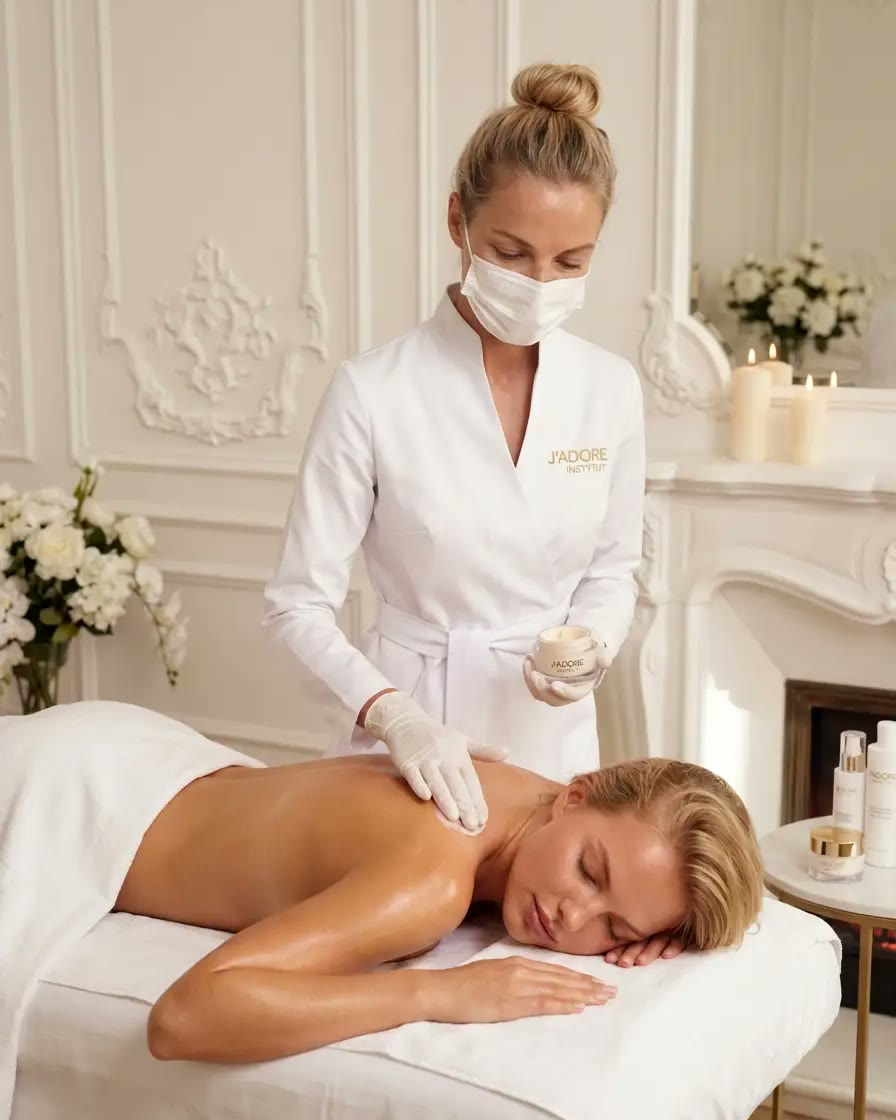
Before we look at specific methods, it's worth understanding one mechanism common to all of them. Massage, whatever the technique, works through touch and pressure — and that's not a trivial point. Skin is the body's largest sensory organ. When a therapist's hands move over the body, a cascade of reactions follows: muscles soften their tension, blood vessels widen, and the nervous system shifts from alert mode into rest mode. The body literally "stops defending itself".
The autonomic nervous system plays a key role here — the part we don't consciously control. It has two modes: sympathetic (activation, stress, readiness to act) and parasympathetic (rest, digestion, recovery). Most of us live day to day with the first mode dominant — which is exactly why massage makes such a noticeable difference. Skilled touch flips the switch.
Different massage methods reach the same place by different routes: the warmth of melted candle oil works differently from the cooler touch of a basalt stone that has already released some of its heat, and the cocoa in a chocolate massage has different properties from a neutral oil. Choosing a method isn't a matter of whim — it's a question of what your body needs more.
Classic massage — the foundation and the reference point
Classic massage (also called Swedish massage) is the technique most relaxation massage methods derive from. The therapist works with hands, thumbs and forearms, using a few basic strokes: stroking, rubbing, kneading, vibration and tapping. Each affects different structures: stroking calms and warms the tissue, kneading reaches deeper into the muscle, vibration influences nerve tension.
What sets classic massage apart from other methods is precision and multi-directional effect. The therapist can intensify work on a specific area — tense shoulders, the lower back, calves — and adjust the depth of pressure to the body's response in real time. That's why classic massage is often the starting point for people who have never had a massage before: it gives the therapist the widest range of options for responding to what they feel under their hands.
Hot candle massage — warmth that sinks in deep
Candle massage is a technique that uses a specially formulated candle — not one made from ordinary paraffin wax, but a blend of oils, often with added shea butter, soybean oil or coconut oil. The key difference: this type of candle melts at a much lower temperature than ordinary wax, so the melted oil poured onto the skin is warm, not hot.
The mechanism behind candle massage combines two effects at once: warmth and nourishing substances. The oil from the candle sinks quickly into the upper layers of skin, saturates it with lipids and softens the surface. At the same time, the warmth widens blood vessels, relaxes tissue and means the therapist's hands meet far less resistance afterwards — the muscles are "pre-warmed", the skin absorbs the oil, and the nervous system slows down.
Candle massage is often described as one of the most sensory spa experiences: the combination of warm, slow touch on oil-saturated skin, a flickering flame and scent all work on more senses at once than almost any other massage. For many people, this is the deciding factor: they're not looking for intense muscle work, but for deep relaxation in the fullest sense of the word.
Hot stone massage — warmth from deep within the earth
Hot stone massage is a method in which the therapist uses smoothed volcanic basalt stones — both as massage tools and as elements placed directly on the body. Basalt has a unique property: it holds and releases heat exceptionally well. A stone heated in water for a set time can hold high temperatures far longer than a human hand — and release that heat into the tissue slowly, evenly and deeply.
It's this depth of heat penetration that sets stone massage apart from other techniques. A therapist's warm hands heat the surface of the skin. A hot stone releases heat gradually, over a longer time, allowing it to reach deeper muscle layers — the ones that would need firmer pressure in an ordinary massage. The result is deep relief from tension without any heavy-handedness.
Hot stone massage
deep warmth, lasting relaxation
- Warmth reaches deeper than with hands alone
- Relaxes deeper muscle layers without firm pressure
- Stones placed on the body act as a continuous heat source
- Often described as "heavy, grounding" — a feeling of safety
Classic massage
precision and multi-directional effect
- The therapist adjusts pressure and technique in real time
- Targeted work is possible on specific spots
- A wider range of strokes (kneading, vibration, tapping)
- Good for working with specific tension and problem areas
Stone massage is often described as one of the most "grounding" experiences: the weight of the stones, their constant contact with the skin and the slow release of heat give a sense of safety and being anchored in the body. People who feel jittery, overstimulated, or struggle to "switch their head off" often say this is the first method that worked for them.

Chocolate massage — sensory and nourishing
Chocolate massage is a method that uses cocoa-based preparations — usually in the form of a warm cream, lotion or paste made with natural cocoa butter. Chocolate here isn't a decorative or purely sensory extra — it has real properties that affect the skin and, some research suggests, mood.
Cocoa contains polyphenols — powerful antioxidants that may help protect the skin against oxidative stress. Cocoa butter has a distinctive fatty acid profile, making it a natural emollient: a substance that softens the skin and strengthens its lipid barrier. But chocolate massage also works on another level: sensory and emotional. The scent of cocoa, the warm cream, the rich texture — together they engage more senses at once than most treatments.
How to choose the method that suits you
Four methods, four different paths to relaxation — and none is "better" than the rest. The choice comes down to what your body needs at that particular moment. A few questions worth asking before you book:
- Do I have specific tension I want to work through? If so — classic massage or hot stones. The first gives the therapist the greatest technical flexibility; the second reaches deeper into the muscles without heavy pressure.
- Is my skin dry, tired, in need of nourishment? Candle massage or chocolate massage. Both leave the skin noticeably hydrated and soft, thanks to the nourishing substances in the oils and cocoa butter.
- Am I looking for mental relaxation, not just physical? Candle and chocolate massage have a stronger sensory and ritual dimension — they engage more senses at once and often "switch the head off" more effectively.
- Am I sensitive to heat, or do I have circulatory issues? Before a stone or candle massage, it's worth checking with the therapist — both methods warm the tissue intensely.
- Is this my first massage? Classic massage is the most predictable, and gives the therapist the widest range of ways to respond to what your body needs in the moment.
Classic massage
muscle work, technical flexibility
- Specific tension and tightness to work through
- First massage — the therapist responds in real time
- You want to clearly feel work on the muscles
Hot candle massage
warmth, sensory experience, skin nourishment
- Dry or tired skin in need of nourishment
- You're looking for something sensory, not just "relaxing"
- You want to leave with exceptionally soft skin
Hot stone massage
deep warmth, grounding, anchoring
- Deep tension that doesn't ease with an ordinary massage
- A feeling of jitteriness, difficulty switching your thoughts off
- You're looking for a "heavy, grounding" massage
Chocolate massage
ritual, sensory experience, luxurious rest
- You want the treatment to feel like a ritual, not just a service
- Skin needs nourishment and softening
- Mood matters as much as muscle condition
It's also worth remembering that massages can be combined into your own routine. From time to time, a classic massage as a "service" for a tense body, and in between — a candle massage as a moment of purely sensory rest. There's no single answer that works for everyone all year round.
Massage + body scrub
A scrub performed before the massage removes dead skin cells — the skin absorbs oils and cocoa butter far better, and the nourishing effects are more noticeable and longer lasting.
Massage + facial treatment
The body and the face often build up tension in parallel. Combining a relaxation massage with a facial care treatment lets you look after both areas in a single visit.
Massage + aromatherapy
Choosing essential oils for the massage strengthens the relaxing effect through an additional pathway — the sense of smell. The scent of lavender, bergamot or sandalwood affects the nervous system independently of touch.