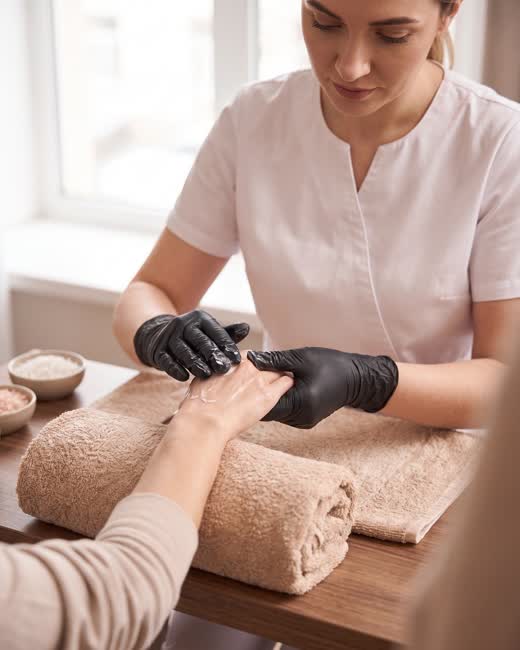
Sports massage vs relaxation massage — they are not the same
Relaxation massage works on the nervous system — it reduces tension, improves mood and lowers cortisol. It is slow, pleasant and has its place. Sports massage is different: work on muscle and fascial tissue with a clear aim — to release tight areas, improve range of movement and speed up the removal of metabolic by-products from overworked muscles. It is not always pleasant. It is often intensive. That is the point.
Relaxation massage
nervous system, stress
- slow, deep movements across the whole body
- works on tension and cortisol
- pleasant, calming
Sports massage
muscles, fascia, regeneration
- targeted work on specific areas
- pressure, friction, deep-tissue techniques
- can be intensive — it hurts where it needs to
If you have muscle soreness that is not caused by lactic acid (this may be delayed onset muscle soreness — DOMS), tight calves after running, a shoulder affected by desk work and a monitor or thighs after long hours of cycling — these are cases for sports massage, not relaxation massage. Choosing the wrong type is like taking ibuprofen for a sprained ankle: it does something, but not what you really need.
What happens to a muscle after intensive training
After a demanding workout — strength training, intervals or a long run — muscles are mechanically fatigued: there is microdamage to fibres, accumulated metabolites and tight fascia that ‘sticks’ to neighbouring layers. This is normal and necessary for strength gains. The problem starts when regeneration cannot keep up with the training stimulus. The muscle does not return to its full length and flexibility between sessions. A contracture develops, followed by injury.
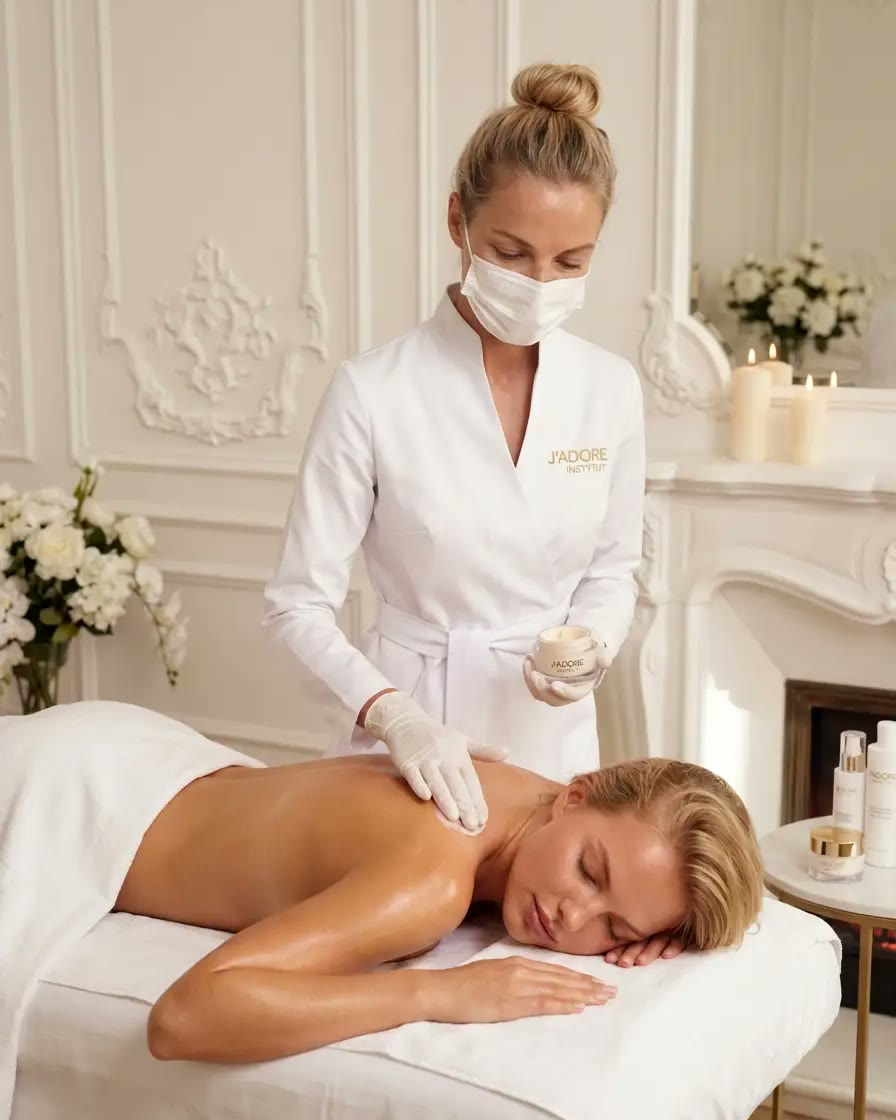
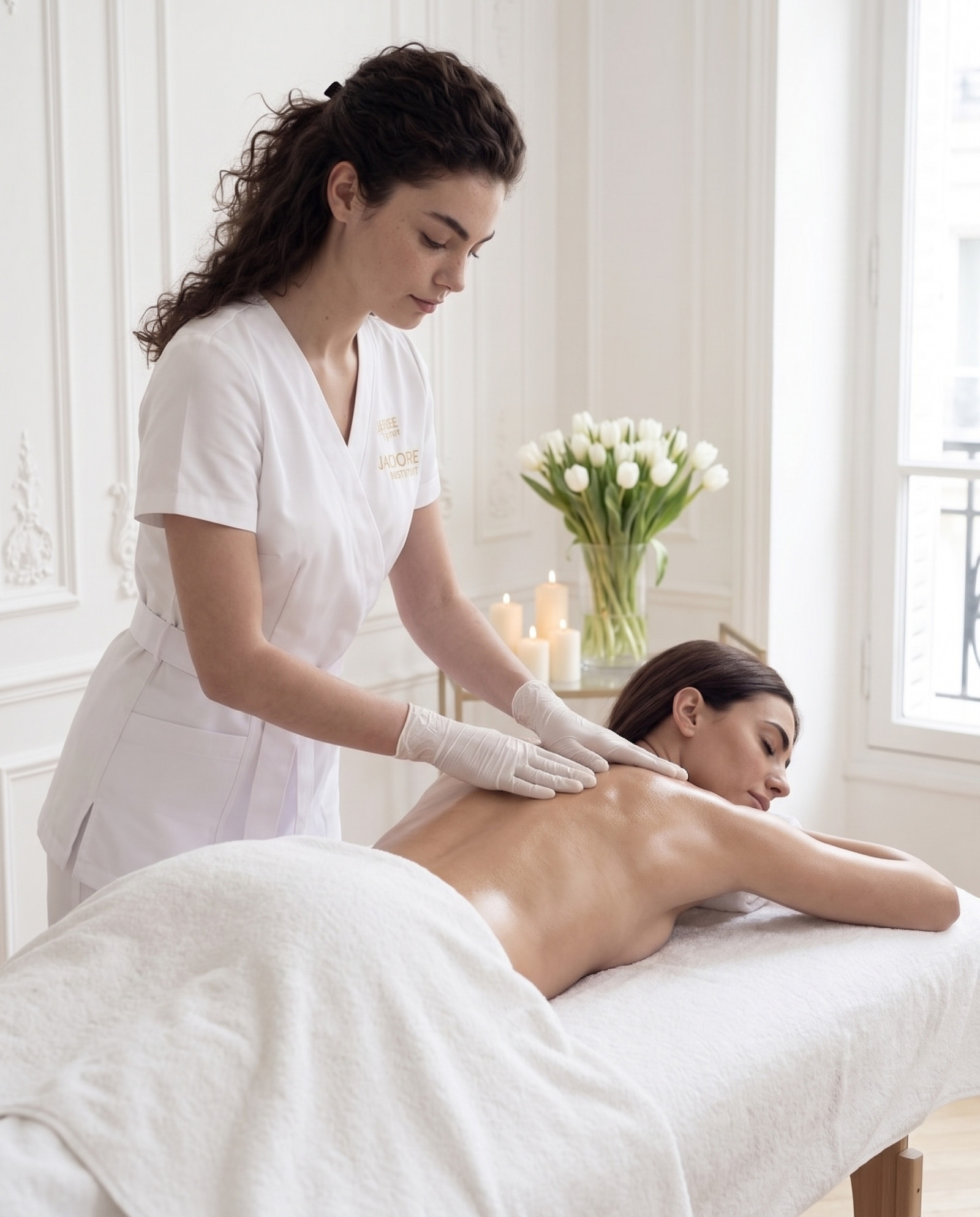
Sports massage mechanically supports regeneration: it improves local blood and lymph flow, releases tight fascia and restores the muscle’s proper length. This is not placebo — it is physiology. For many athletes, regular treatments make it possible to train more often without increasing the risk of injury.
When sports massage really helps
Not every pain requires massage, and massage will not eliminate every pain. However, there are situations where sports massage is exactly the tool you need:
- After an intensive training block — a marathon, competition, training camp or a week with double sessions. Regeneration treatments after this level of work may shorten the time needed to return to full form.
- Tight muscles caused by a sedentary lifestyle. A desk + monitor for 8h a day locks up the chest, shortens the hip flexors and overloads the trapezius. It is a classic pattern that a massage therapist recognises immediately.
- Shoulder, neck or lower back pain of muscular origin (not disc-related — this requires medical diagnosis). Tight muscles around the spine respond to manual work.
- A calf that feels ‘tight’ after running. Chronic tension in the triceps surae is a common issue for runners — sports massage and work on the gastrocnemius muscle often bring noticeable relief.
- Before an important start or competition — a short, activating pre-event massage may improve muscle readiness for exertion in many athletes.
What the treatment looks like — no surprises
Before the treatment, the massage therapist asks about your current concerns, training routine and goals. This is not a formality — it is calibrating the treatment to your body and your problem. Work differs for a runner, a bodybuilder and someone with a sedentary lifestyle who has never exercised.
- 01
Consultation and assessment
The massage therapist asks about activity, pain and previous injuries. They assess tension and range of movement in the affected areas.
- 02
Tissue work
Pressure, friction, deep-tissue techniques and fascial release — work focused on specific muscles, not ‘the whole body’.
- 03
Trigger point work
If needed, the massage therapist works on trigger points — areas where a muscle is ‘stuck’ in a knot and refers pain to other parts of the body.
- 04
Aftercare instructions
What to do immediately afterwards (hydration, avoiding intensive training for several hours), when to return and what is worth combining it with.
You decide on the treatment intensity with your massage therapist — but it is worth knowing that ‘it has to hurt to work’ is a myth. Effective tissue work can be intensive, but it should not be torture. If the pain is sharp, say so — the massage therapist will adjust the pressure. For several hours after the treatment, you may feel as though you have trained. This is a normal tissue response to intensive work.
Regular sessions vs a single treatment
This is the difference between a reactive and proactive approach. A single sports massage may bring noticeable relief — but lasting change in the tissues takes time and regularity. If you train regularly and take your results seriously, sports massage every few weeks is an investment in training continuity, not a luxury expense.
What to combine with sports massage
Sports massage works best as part of a broader regeneration plan. At J'ADORE, you can combine it with other treatments — the effects often support one another:
Lymphatic drainage
Complements sports massage: where sports massage works on muscle tissue, drainage supports the removal of excess fluid and metabolites. A good combination after an intensive season or for swelling in the limbs.
Classic massage
Works well as a lighter session between more intensive sports treatments. It supports the nervous system and overall relaxation without deep tissue work.
Hot stone massage
Heat relaxes the tissue and facilitates work on deeper muscle layers. Often used as a preparatory element or on its own for chronic tension in the paraspinal muscles.