Stress doesn't disappear — it settles in the body
The mechanism is simple, though few people think about it. Every stressful situation triggers a physical response: muscles tense, breathing shallows, the neck and shoulders stiffen reflexively — as if the body were preparing to fight or flee. If stress becomes chronic, the muscles never get a chance to return to rest. They stay in a state of raised tension for hours, days, weeks. And they start to hurt.
In men who spend long hours at a desk or do physical work without proper recovery, this tension often builds up in a few specific spots: shoulder-neck-base of the skull (the typical office pattern), lower back and glutes (long sitting or standing), chest and ribs (shallow breathing, crossed arms). Classic massage addresses these patterns directly — through pressure, kneading and mobilisation of tissue that stopped relaxing on its own a long time ago.
What classic massage actually does — no sugar-coating
Classic massage is a set of manual techniques: stroking, kneading, rubbing, tapping, vibration. Each works on a different level of the tissue and produces a different effect. It's not about the pleasure of touch — it's about mechanical action on muscles, fascia and the circulatory system.
- Blood and lymph flow. Pressure and stroking speed up microcirculation in the tissues. Metabolites that have built up in an overworked muscle — among the causes of that heavy, aching feeling — are cleared faster. That's the source of the "lightness" you feel after a good massage.
- Muscle release. The right kneading technique and pressure on trigger points can interrupt the contraction cycle a muscle has fallen into reflexively. Trigger points are the most common source of referred pain — a tight point in the shoulder can trigger a headache.
- A signal to the nervous system. Massage activates the parasympathetic branch of the nervous system — the one responsible for rest and recovery. That's why blood pressure often drops after a massage, heart rate slows, and drowsiness sets in. The body genuinely switches mode.
- Fascia and mobility. Fascia is the connective tissue wrapped around your muscles — after long periods of sitting and inactivity, it loses elasticity and sticks together. Rubbing techniques restore its mobility, which can improve range of motion in the shoulder or hip much faster than stretching alone.
Who benefits most — typical profiles
Classic massage isn't reserved for athletes or people with a formal diagnosis. Most often, men who book it fall into a few specific groups:
Desk-based work
static overload
- several hours a day at a screen or behind the wheel
- pain or stiffness in the neck and upper shoulders
- recurring headaches from the base of the skull
- tightness in the chest, shallow breathing
Physical work or sport
dynamic overload
- repetitive movements or lifting for hours
- muscle soreness and fatigue after training
- asymmetric tension (one shoulder higher, one side aching)
- no recovery despite sleeping enough
What to expect during your visit — no surprises
If you've never had a massage, or you picture "spa day with rose petals" — forget it. A visit to the salon looks like this:
- 01
Short consultation
The therapist asks about pain, overload, medical conditions, surgeries, medication. Information about blood pressure, varicose veins or a past injury affects technique and pressure. This isn't a formality — it's the data needed to make the massage effective rather than a problem.
- 02
Choosing the area
Classic massage can cover the whole body or specific areas. Most often, for men with office-related overload: back + shoulders + neck. For lower-back issues: lower back + glutes + back of the legs. You can point to what hurts — the therapist will adjust the scope.
- 03
The treatment
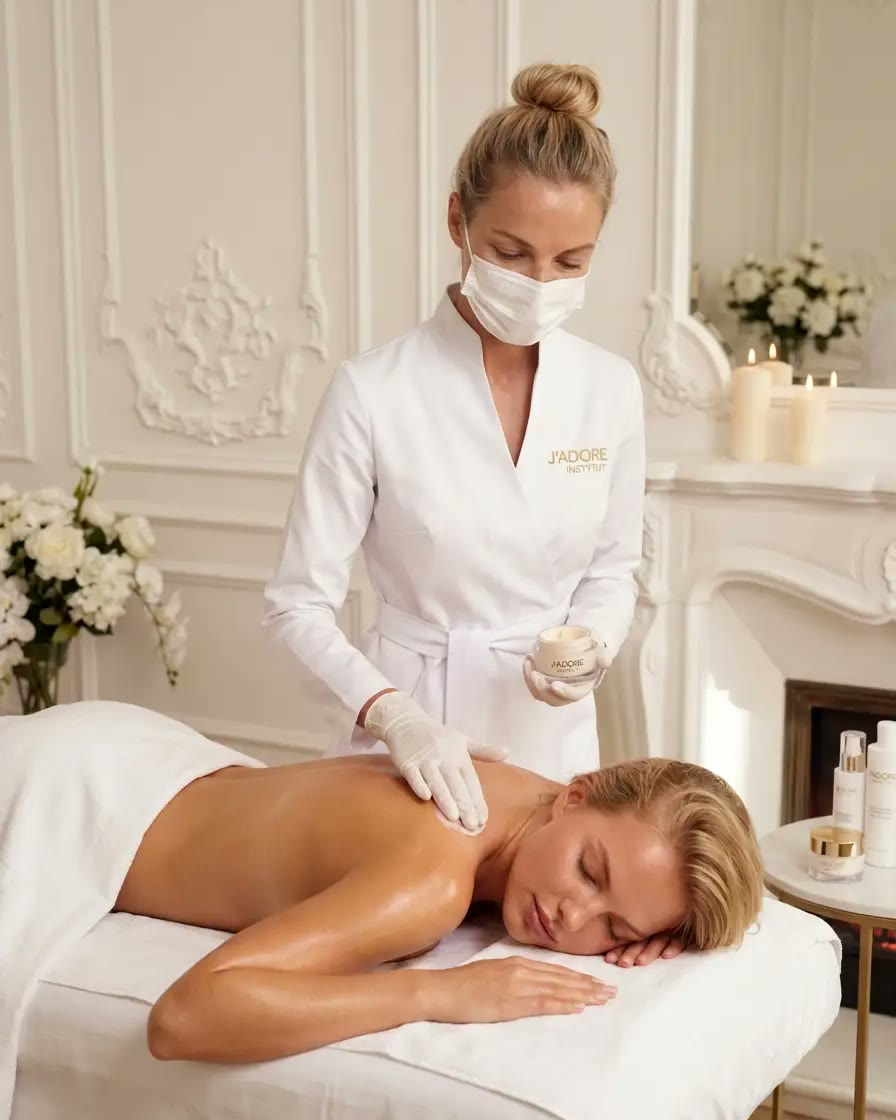
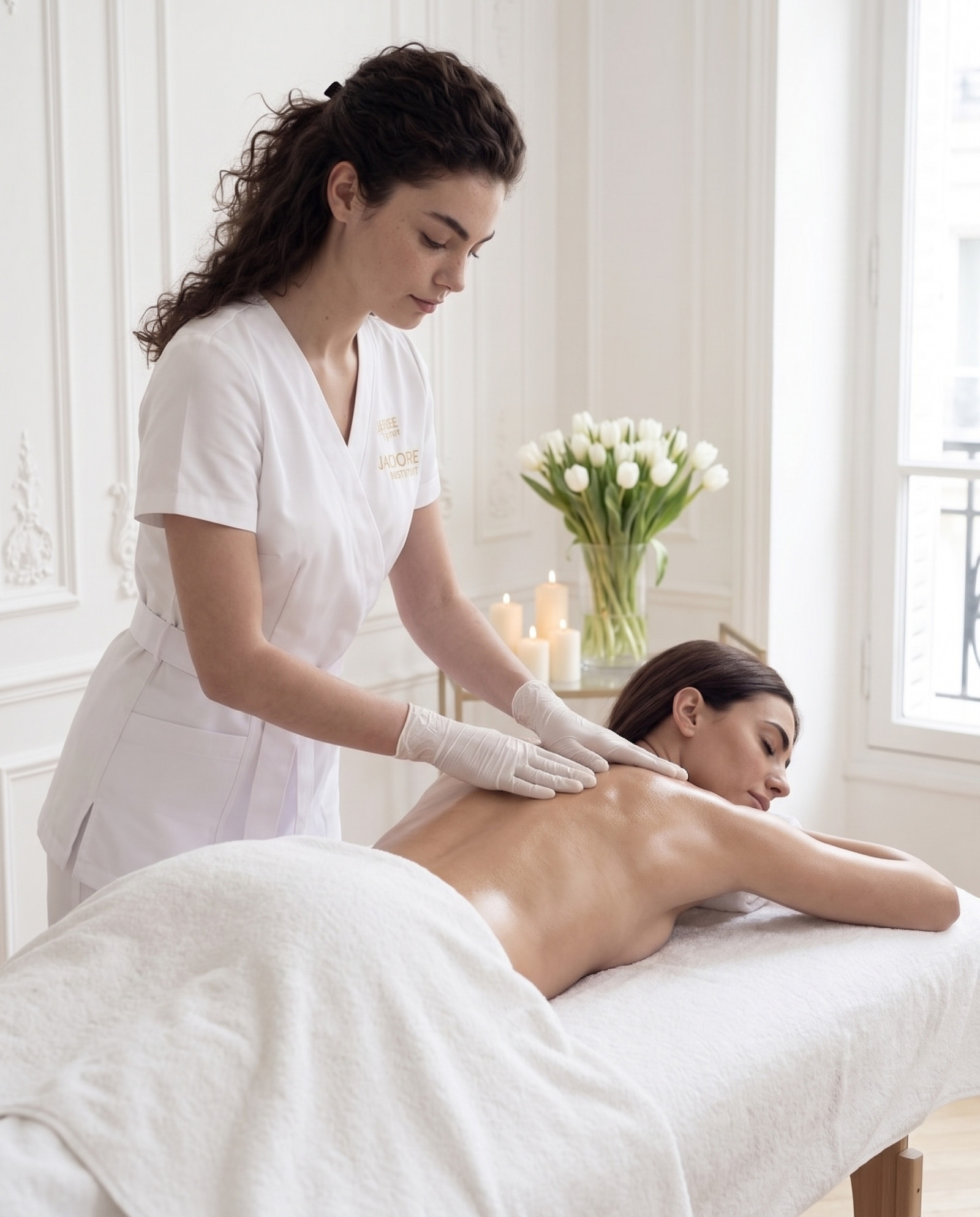
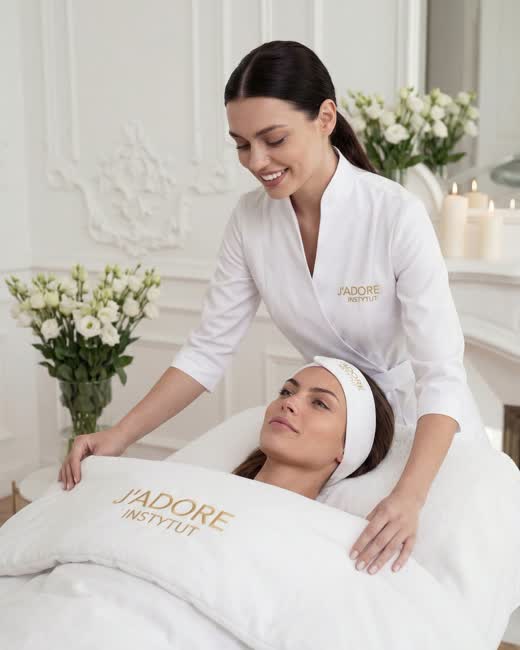
You lie down on the massage table, and the therapist works with their hands directly on your skin, using oil or cream. Pressure is adjusted as you go — you can and should say when it's too strong or too light. A good therapist adapts the technique to how your tissue responds, not to one fixed routine.
- 04
After the treatment
For the rest of the day you may feel light and drowsy — that's a normal parasympathetic response. Sometimes there's brief soreness in the areas worked on, especially if the tension was significant. Drink water, and skip the gym that day. Results build up — you may feel relief after the first session, but a lasting change in the tension pattern needs a series.

Classic massage versus other options — when to choose what
Classic massage is a tool for specific problems, not a universal solution. It's worth knowing where it has the advantage, and where a different approach works better:
- Muscle tension without injury → classic massage. Your first line of defence against static overload and stress. Quick to access, no diagnostics required.
- Pain with a clear structural cause (disc disease, degeneration) → physiotherapy. Massage can support treatment, but the plan should be set by a physiotherapist or orthopaedist. Don't self-manage this.
- Sport, post-training recovery → sports massage or lymphatic drainage. Classic massage helps too, but these two are better suited to muscles after exertion.
- Stress, mental tension, poor sleep → classic massage is a good choice. Parasympathetic activation and lower cortisol are documented effects for many people — one of the reasons regular sessions become part of the routine for men who take recovery seriously.
Lymphatic drainage
After a classic massage — helps clear metabolites from the tissues and reduces swelling. A good choice for that "heavy legs" feeling or after long drives.
Hot stone massage
The heat from basalt stones releases muscle tissue more deeply than hands alone — particularly effective for very strong, chronic tension in the spine and shoulders.
Face treatment for men
Combining body and face treatments in a single visit is standard practice at premium salons — you save time, and your body and skin recover at the same time.
Regularity — when massage stops being "now and then"
The most common pattern: a man comes in once the pain is genuinely unbearable, gets relief, returns a year later. And the cycle repeats. That's not wrong — one massage is better than none. But it's not effective.
Men who treat massage as a fixed part of their recovery routine report different effects than those who come in "in an emergency": fewer recurring tension patterns, better sleep in the weeks after a session, greater range of motion and — less obviously — better resilience to stress. When the body no longer carries constant muscular overload, the nervous system has more resources. It shows up in more than just physical wellbeing.
One practical point: massage is cheaper than physiotherapy after tension turns into a herniated disc. Prevention costs less — in every sense.