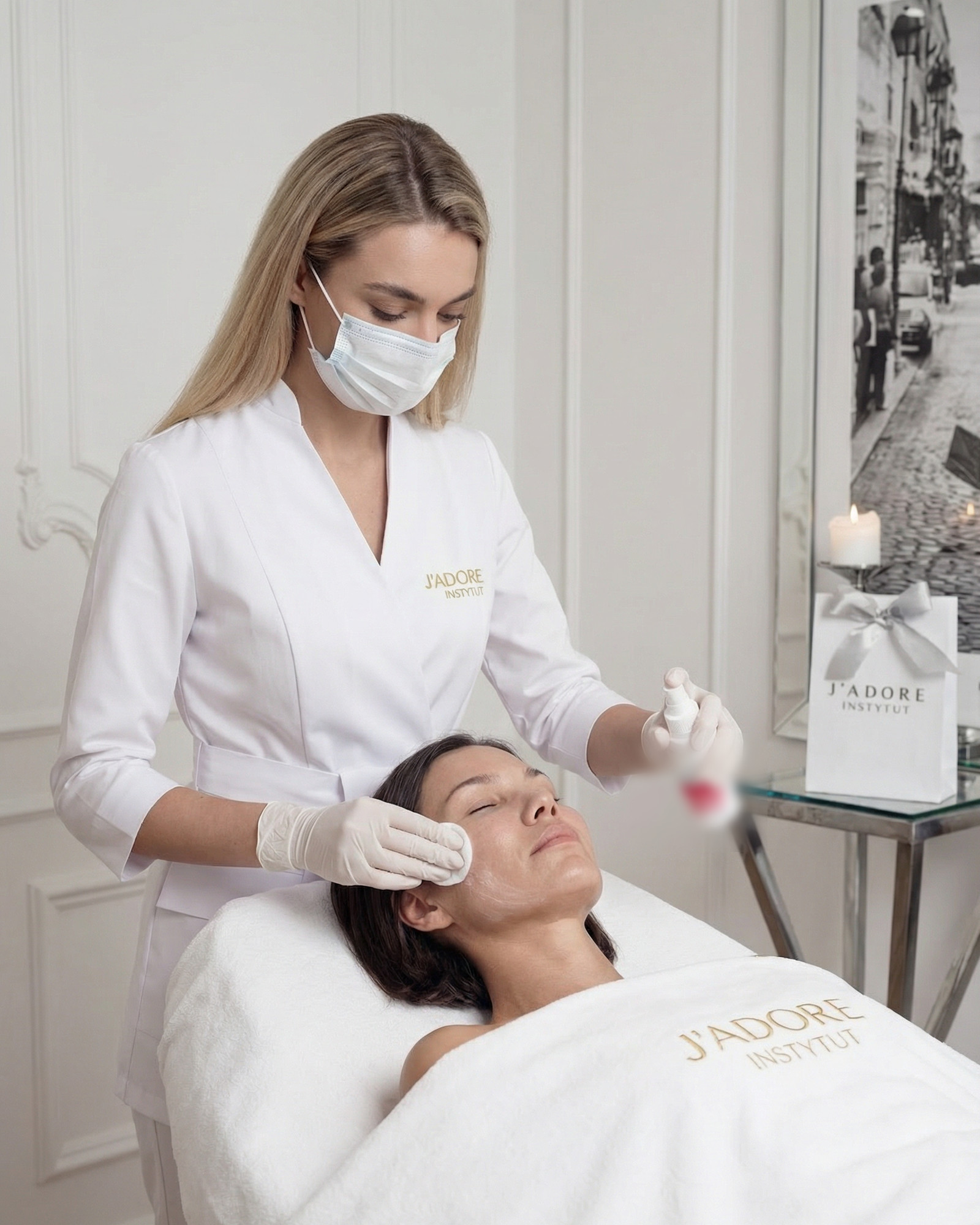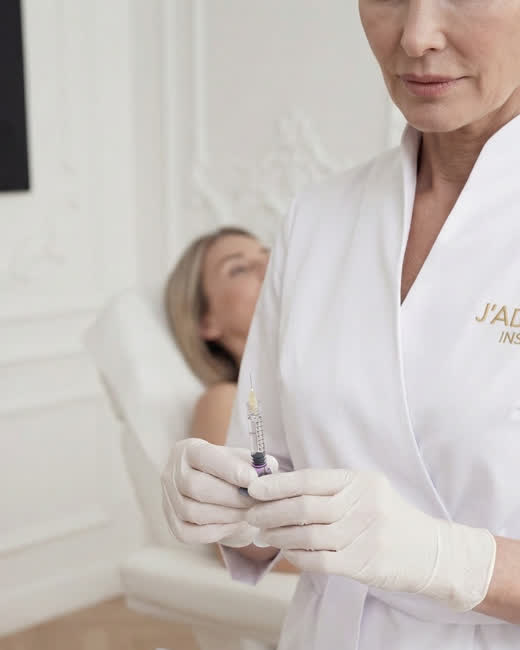
The first six hours: leave the injection sites alone
Immediately after the treatment, small lumps, redness, tenderness and pinpoint blood marks may be within the expected reaction. Do not check every few minutes to see if the bumps have disappeared. Pressing and rubbing increases irritation, and your hands carry everything they have touched onto your freshly needled skin.
- Do not massage or roll the treated area.
- Do not apply make-up to fresh injection sites.
- Do not perform intense exercise and do not overheat your body.
- Do not drink alcohol if your practitioner has advised you to avoid it.
- Do not test a new cosmetic or home device.
If you must touch your skin according to the instructions, wash your hands thoroughly first. Do not apply ice directly and do not improvise with a frozen pack wrapped in a kitchen towel. Cooling, when recommended, should be gentle, brief and applied through a clean material. Excessive pressure is just as unnecessary as heat.
The evening after the treatment: fewer cosmetics, a clean pillowcase, no heat
How you cleanse your skin depends on the time and the treatment technique. Do not assume you must wash everything off immediately. Your practitioner should tell you when you can wash your face or scalp and which product to use. If the recommendation is "gentle", it does not mean a sonic brush, a washcloth or a long emulsifying massage.
At night, choose a fresh pillowcase, tie your hair back so it does not rub against your face, and do not sleep with your hand under your cheek. If you had a facial treatment, sleeping on your back with your head slightly elevated may be more comfortable, provided your specialist recommended it. Do not force this position at all costs — lack of sleep will not aid regeneration.
Skip hot baths, saunas, steam rooms and intense cooking with your face over steam. Heat dilates blood vessels and can intensify redness, swelling or bruising. Your shower should be comfortable, not scalding. The same applies to a hairdryer after a scalp treatment: hot air and vigorous brushing are not a good way to end the day.
Day two: assess the direction of changes, not a single moment in the mirror
The next day, redness should usually fade, although bruises may become more visible. Swelling can be uneven, especially in delicate areas. Take a photo in daylight if you want to monitor the reaction, rather than looking at your skin under three lamps and changing the camera exposure.
Make-up around the injection sites is usually postponed until at least the next day, but the exact timing is set by your practitioner. When you return to colour cosmetics, use clean brushes or a sponge and do not rub your foundation in hard. An old applicator that has been in your make-up bag for weeks is a worse idea than leaving a small bruise without camouflage.
Build your skincare on gentle cleansing, simple moisturising and sun protection as recommended. Retinoids, acids, granular peels, high concentrations of vitamin C and strongly perfumed products should wait. There is no prize for the fastest return to an active routine.
Reactions you usually observe
should gradually fade
- pinpoint redness
- slight tenderness
- small bruises
- mild swelling
Reactions requiring contact
do not wait for your follow-up
- increasing, severe pain
- rapidly increasing swelling
- hot, intensely red skin
- fever or feeling unwell
Days three and four: get back into your rhythm, but still do not rush your skin
By this time, most superficial marks should be calmer. A bruise may change colour, which does not mean it is getting worse. Do not exfoliate it or massage it to make it disappear faster. If an injection site forms a scab, let it fall off on its own.
Returning to exercise depends on your reaction and the practitioner's guidance. Intense effort is usually postponed for at least the first day or two, as increased temperature and blood flow can intensify swelling and bruising. Start with gentler activity. If your face throbs, becomes redder or the swelling returns, your body is giving a clear signal that the pace is too fast.
Swimming pools, saunas and jacuzzis combine heat, moisture and an environment that freshly needled skin does not need. Return to them only after the time indicated in your recommendations and after the injection sites have fully calmed down. Your gym membership is not a medical argument. Postponing your visit costs less than treating a complication.
Days five–seven: no spectacular effect is normal
By the end of the week, many people return to their usual skin appearance and start looking for results. PRP is not a treatment to be evaluated after seven days. Early freshness may also result from temporary hydration or swelling; proper remodelling develops over weeks. The lack of a sudden "lifting" effect does not mean the procedure was performed incorrectly.
Do not compare a photo from the day of the treatment to a selfie taken a week later with different lighting, make-up and camera angles. A scheduled documentation date is more valuable than daily measurement. With hair therapy, patience must be even greater, because the growth cycle does not speed up from frequently looking at your parting.
If your skin is completely calm, the return to active ingredients should be gradual and in accordance with recommendations. Introduce one product, observe the reaction, and only then introduce the next. Stinging after retinol is not proof that PRP is "working harder". It is a sign of barrier irritation.
- Continue daily sun protection.
- Do not plan another skin-disrupting treatment without establishing the required interval.
- Keep your baseline photo for later assessment.
- Record unusual symptoms and the time they appeared.
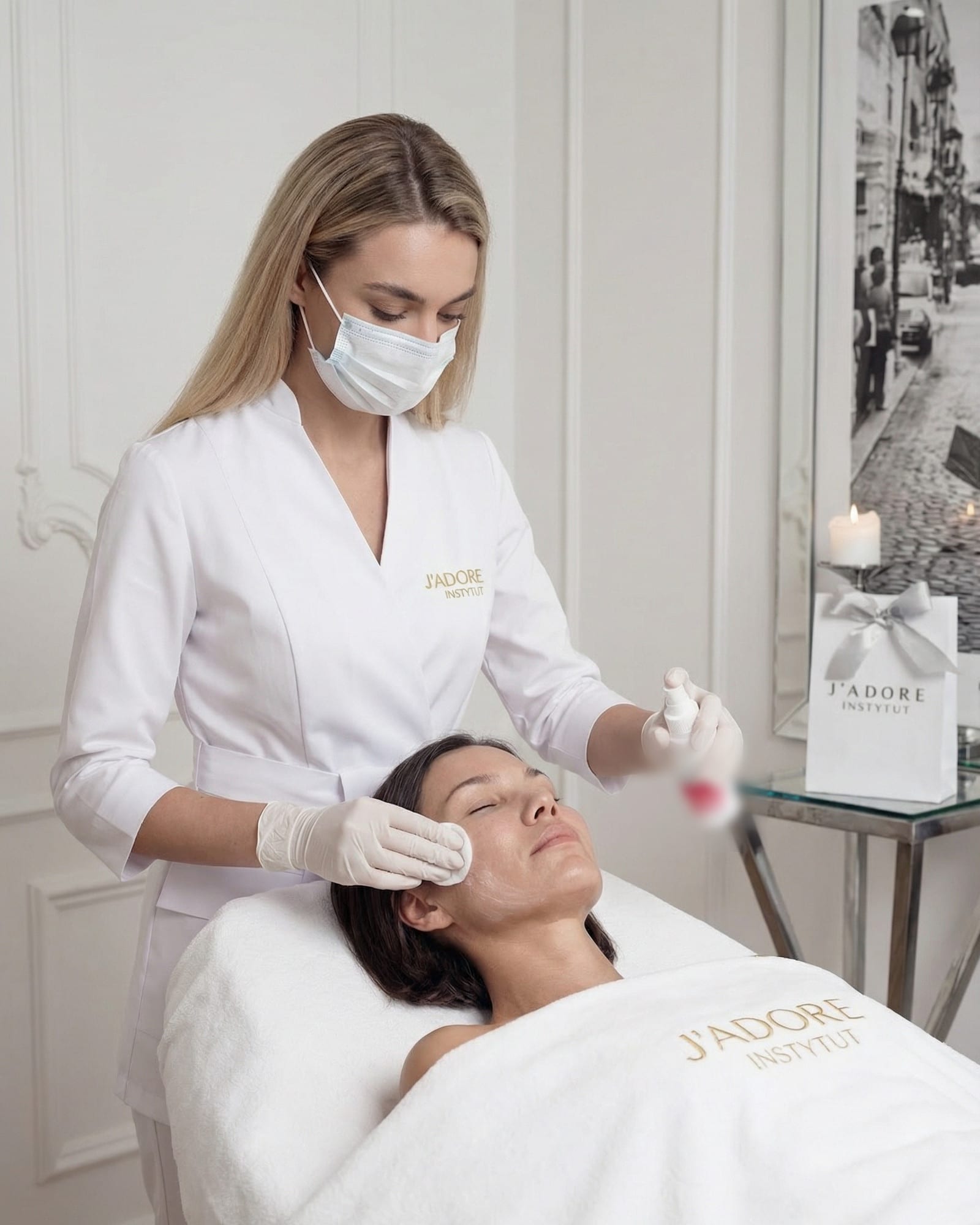
Warning signs: do not treat them yourself over the weekend
A typical reaction should fade over time. Increasing pain instead of decreasing, rapidly spreading redness, distinct warmth of the skin, purulent discharge, fever, severe malaise or sudden swelling require contact with the clinic or urgent medical help depending on the severity. Do not wait for it to "go away on its own" if the trend is worrying.
Visual disturbances, shortness of breath, fainting, neurological symptoms or a severe general reaction also require immediate assessment. These situations are rare, but an online article cannot triage them. Call for help, provide the name of the procedure, the time it was performed and all medications you are taking.
Do not apply an antibiotic, steroid or "cure-all" preparation to a suspicious change without consultation. This may alter the appearance of the reaction and delay proper management. Take a photo, note your temperature if you have one, and describe whether the symptom is enlarging. Specific information helps more than saying "it looks worse, I think".
In Warsaw, J’ADORE INSTYTUT operates at ul. Żelazna 59 and ul. Mińska 29A/46. Data and the scope of the procedure are on our Warsaw PRP page. The most important advice at the end: after the treatment, do not prove to your skin how quickly you can return to everything. Give it a week of predictability, and report any symptom that is increasing instead of fading.
Work, travel and the sun: plan your week so you do not have to mask the reaction by force
Many people return to office work quickly, but readiness for a meeting depends on more than just how you feel. A bruise under your eye may be small and still visible on camera. If your profession requires public speaking, a photo shoot or wearing heavy make-up for a long time, leave a margin in your calendar. PRP does not provide a predictable "lack of marks" at a specific hour. A plan made just before an event turns a natural reaction into a crisis, even if everything is medically proceeding correctly.
Long-distance travel in the first 24 hours makes it difficult to react if you have questions about swelling or pain. Flying is not always prohibited, but the combination of dry air, lack of sleep, carrying luggage and being far from the clinic does not create good conditions for observation. Discuss your travel plans before the treatment. If you can reschedule, having PRP after you return is often more sensible than seeking help in a foreign city.
Sun protection does not end with a cream. After fresh injections, avoid intentional tanning, sunbeds and long exposure, especially while your skin is irritated. A hat, shade and sensible planning limit your radiation dose more effectively than repeatedly applying a random product to painful areas. Choose a filter that does not sting and does not require intense rubbing. If your current cosmetic irritates the skin, ask your practitioner for a simple alternative.
Do not try to remove a bruise through intense massage, brushing, gua sha or any device-based treatment. The colour changes through a natural process and may look more prominent before it disappears. Concealer is less risky than mechanical "breaking down", provided the skin is closed, the recommended time has passed and the applicator is clean. If bruising grows quickly, is very painful or is accompanied by hard swelling, contact the clinic instead of covering up the problem.
People prone to cold sores should report this before the procedure, not only after blisters appear. An active cold sore is a reason to postpone the treatment. If a lesion appears after your visit, do not puncture it or use someone else's medication. Contact your doctor or practitioner and keep your hands away from other injection sites to avoid spreading the virus.
Eat and drink normally, unless you have received other instructions. There is no special detox after plasma. Sudden fasting, huge amounts of supplements and "cleansing" infusions will not accelerate remodelling. Regular meals, hydration and sleep provide the body with more predictable conditions. If a supplement affects clotting or you have doubts about interactions, do not guess — provide its name during the qualification. The word "natural" does not mean it is neutral for bruising or medication.
Before leaving the clinic, save the contact number and the hours when you can report a reaction. Good instructions also state what to do outside of these hours. This prevents you from searching through strangers' photos at night and matching their complications to your own typical swelling. A contact plan is part of safe aftercare, not an extra for the overly cautious.