What it is, and why this treatment
Polynucleotides (PDRN or PN) are chains of nucleic acids — a substance derived from salmon or trout, biologically close to human DNA. Injected into the dermis, they act as a repair signal: they stimulate fibroblasts (the cells that produce collagen and elastin), speed up the repair of damaged tissue and improve microcirculation. In other words, they tell your skin to start functioning the way it should — not the way it does after 15 years without sunscreen.
This isn't the same as hyaluronic acid, which hydrates and fills. Polynucleotides don't add volume — they rebuild the quality of the skin itself. The result is better density, less visible pores, more even texture and a noticeably less tired appearance. For men with heavily damaged skin, they often work better than creams alone, because the problem isn't dry epidermis — it's the damaged tissue underneath.
Why men's skin wears differently
Men rarely think of their skin as something to look after or neglect — which is why repair treatments tend to reach them years too late, on average. Yet skin damage in men follows a very specific, repeatable pattern:
- Years of UV exposure without protection. Dermatological studies consistently show that men use sun protection far less often than women. The result: deeper DNA damage in the skin, earlier hyperpigmentation and collagen breakdown. The sun doesn't damage evenly — damage is proportional to exposure and lack of protection.
- Daily or every-other-day shaving. Every pass of the razor causes micro-trauma to the epidermis. Skin heals, but with daily exposure to irritation — gel, alcohol in aftershave, the blade itself — cumulative damage is real, especially for men prone to ingrown hairs or enlarged pores.
- Cortisol and oxidative stress. Prolonged stress raises cortisol, which slows collagen production and disrupts the skin's lipid barrier. Skin loses elasticity faster, responds poorly to injury and becomes more prone to inflammation.
- No skincare means no repair. Many of the skin's regenerative processes are supported by daily care. Without it, skin has to heal on its own — more slowly and less effectively.
What the treatment involves, and what you'll feel afterwards
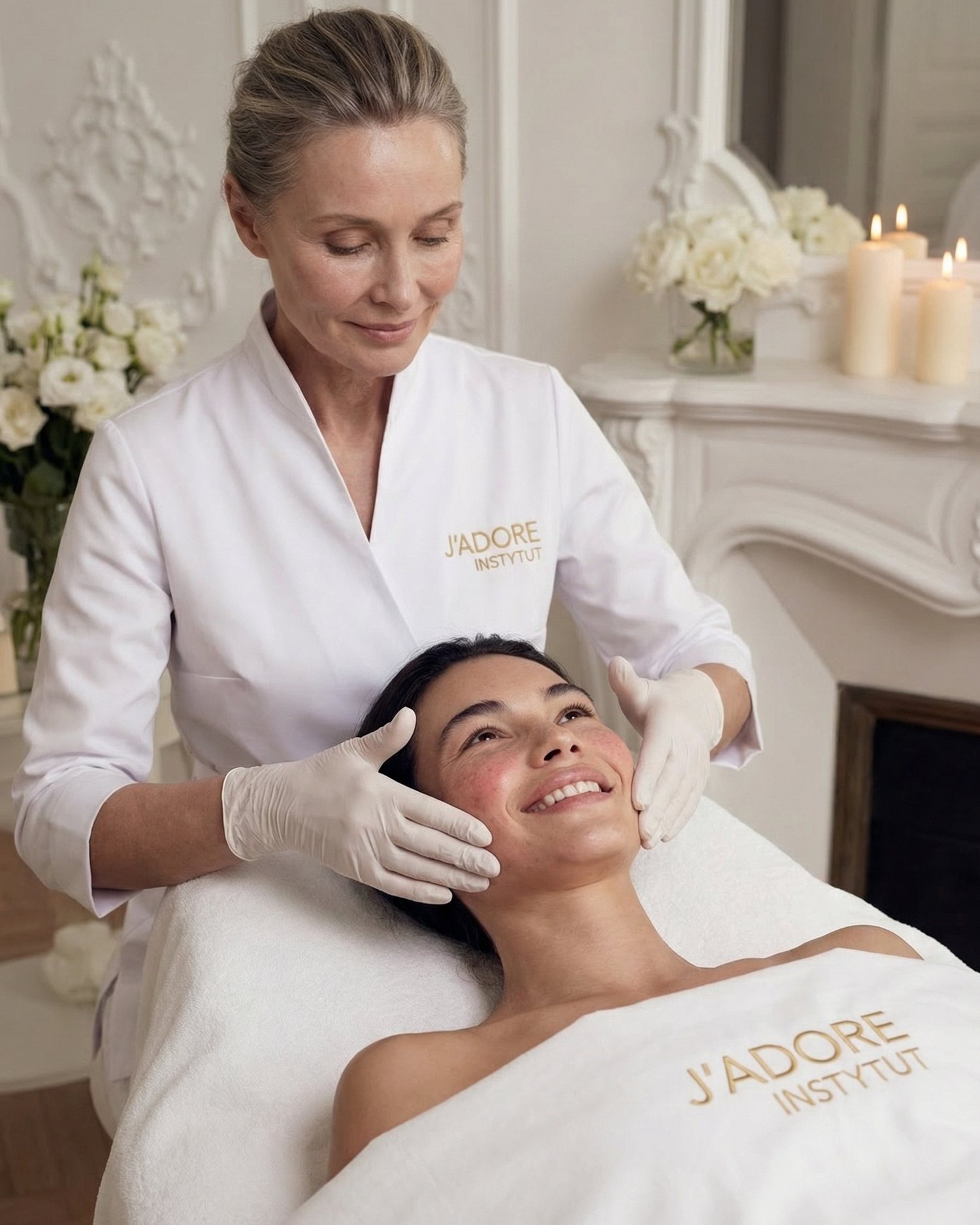
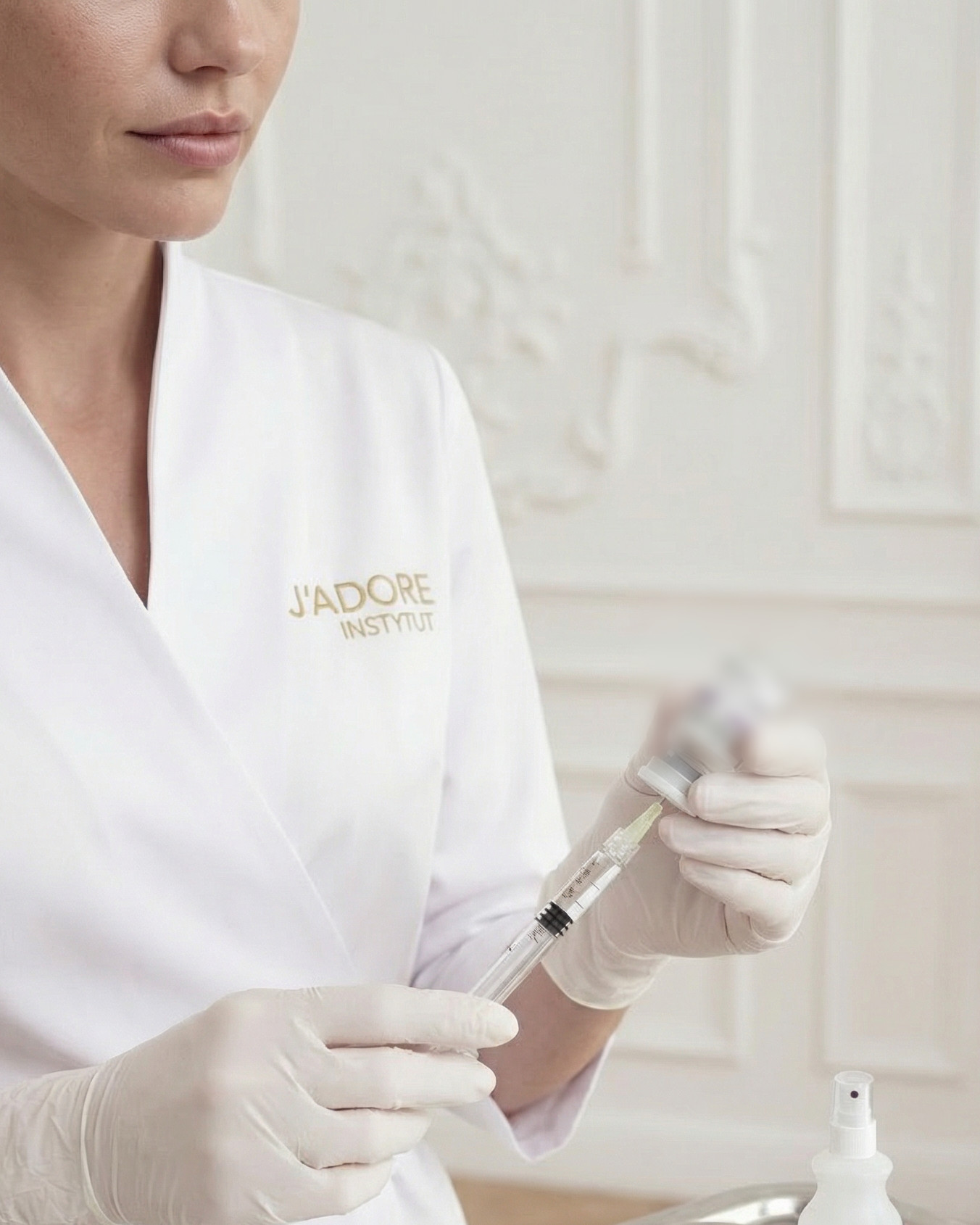
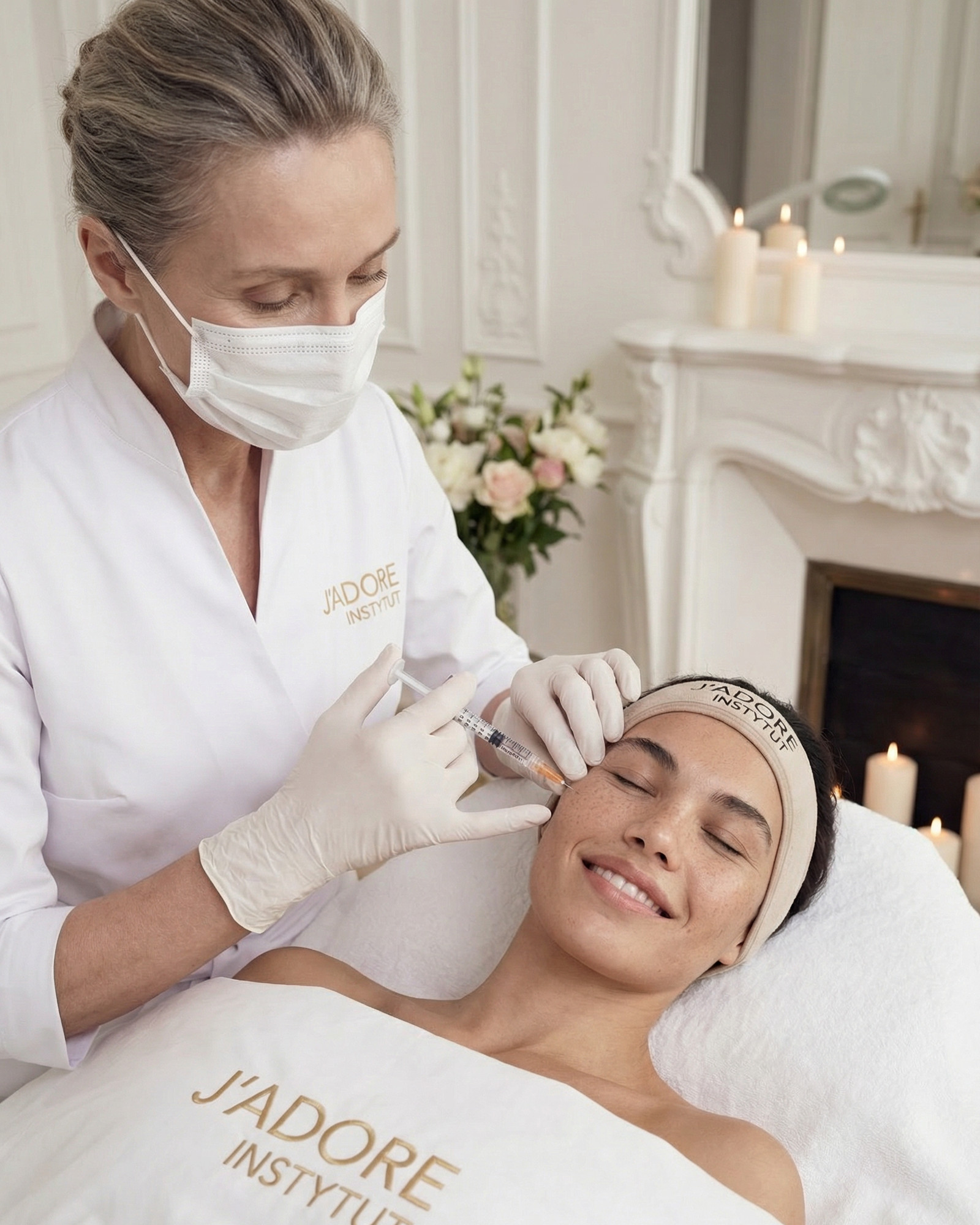
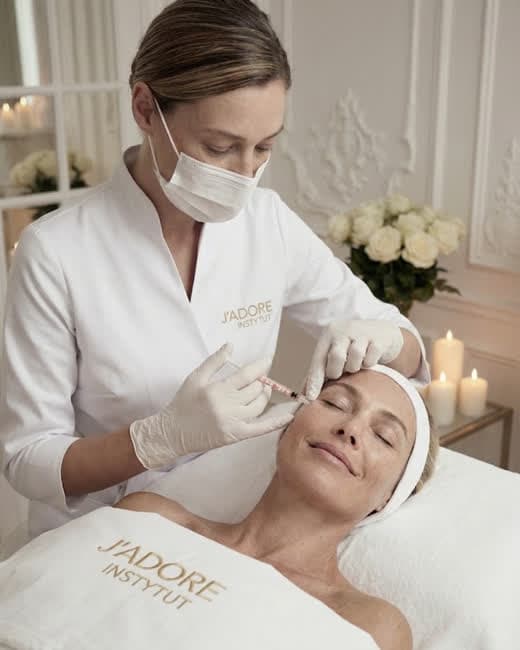
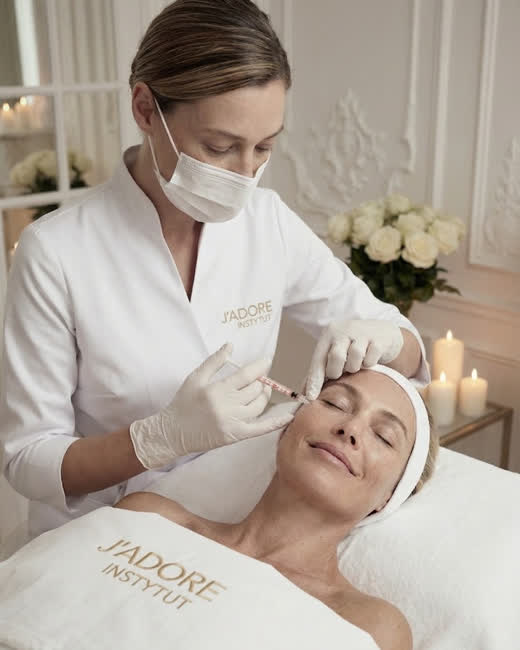
Polynucleotides are injected into the dermis — using a fine needle or cannula, either as a series of small injections or a linear technique. Depending on your needs, the doctor selects the zone and depth of injection. The treatment takes anywhere from ten to around forty minutes. It doesn't require anaesthesia, though numbing cream can be applied beforehand if you're sensitive. Discomfort is comparable to a routine dermatological treatment — the injections are quick and localised.
Afterwards, skin may be slightly red or swollen — this usually settles within a day. Minor bruising at the injection sites can also occur, fading within a few days. There's no downtime. You can return to work right after the treatment, though it's worth allowing for the possibility of a bruise if your skin is more sensitive.
The result isn't immediate — which makes biological sense. Fibroblasts need time to produce new collagen and elastin. The first changes — better hydration, a less tired-looking complexion — may be noticeable after 2–4 weeks. The full structural rebuilding effect is assessed after completing the series, typically 3–4 sessions spaced 2–4 weeks apart. This isn't a one-off treatment — it's a regenerative programme.
One session
what to expect
- improved hydration and tone
- slightly smoother texture
- less visible fatigue
Series of 3–4 sessions
full programme
- rebuilt density and elasticity
- lasting improvement in skin structure
- reduced pores and pigmentation
Who should really consider this
Polynucleotides aren't a treatment for someone who wants to "improve" in the sense of changing their look. This is a treatment for men who know something's off — skin too grey, too dull, too coarse in texture, too tired — and who want real improvement, not cover-up.
- Men over 30 who've gone years without sun protection — UV damage builds up over time. Polynucleotides are one of the few ways to genuinely reverse some of it.
- Men with large, enlarged pores and uneven texture — particularly those with combination or oily skin. Polynucleotides improve the structure of the epidermis and support sebum regulation.
- Men with acne scars or shaving scars — the fibroblast repair mechanism also works on scar tissue. Atrophic scars can become shallower after a series of sessions.
- Those who've noticed a clear decline in skin quality after a period of intense stress — cortisol breaks down collagen at a rate that's visible to the naked eye. Polynucleotides rebuild what stress has broken down.
Combining with other treatments — what makes sense
Polynucleotides are rarely the only treatment in a protocol. The doctor usually proposes them as the foundation of a regenerative programme, adding other methods depending on your specific concerns.
- Mesotherapy — complements polynucleotides with a cocktail of vitamins, minerals and peptides. It works at surface level, while polynucleotides work deeper.
- Fractional laser or CO₂ — for advanced scarring and sun damage, laser removes what needs removing. Polynucleotides speed up healing afterwards and improve the final result.
- Biostimulators (Sculptra, Radiesse) — for more pronounced facial volume loss, biostimulators rebuild the contours, while polynucleotides improve the quality of the skin covering them.
- Chemical peels — for uneven skin tone and hyperpigmentation, a peel reveals a fresh layer. Polynucleotides strengthen it and support healing.
The protocol decision belongs to the doctor — they assess skin condition, the depth of damage and the order of treatments. You don't buy a package on your first visit. It starts with a consultation, during which a plan is built around your specific face and history. Men tend to appreciate this approach: a task to complete, a plan of action, a concrete goal.
What to do to make the treatment worthwhile
This isn't self-treatment — it's an investment that needs the right groundwork to deliver a lasting effect. A few firm rules worth following:
- 01
step
Medical consultation before the series — the doctor assesses your skin, rules out contraindications (active infections, certain blood-thinning medications, severe autoimmune conditions) and selects the treatment schedule. Don't start with "just trying it out" without a proper consultation first.
- 02
step
Avoid unprotected sun exposure for a week before and after the treatment — while it's regenerating, skin is more prone to pigmentation after UV exposure. If you're in the habit of going out without SPF, this is a good time to change that.
- 03
step
Skip the gym for 24 hours after the treatment — intense exercise raises blood pressure and body temperature, which can worsen swelling or bruising. A day off is enough.
- 04
step
Stay hydrated — polynucleotides support the production of extracellular matrix, which needs water to build properly. Proper hydration directly affects the quality of the result.
- 05
step
Don't stop after one session — the effect builds cumulatively. One session is just the prologue. Judge the results after the full series, not after your first visit.