What Exosomes Actually Are — And Why They're Not a Standard Cosmetic
Before we get to sequencing, it helps to understand what exosomes actually are — because that changes the whole picture. Exosomes are microvesicles released by cells, acting as biological couriers. They package information — proteins, microRNA, lipid fragments — and deliver it to other cells as instructions. In the body, this happens continuously. It's one of the fundamental mechanisms of communication between tissues, studied for decades.
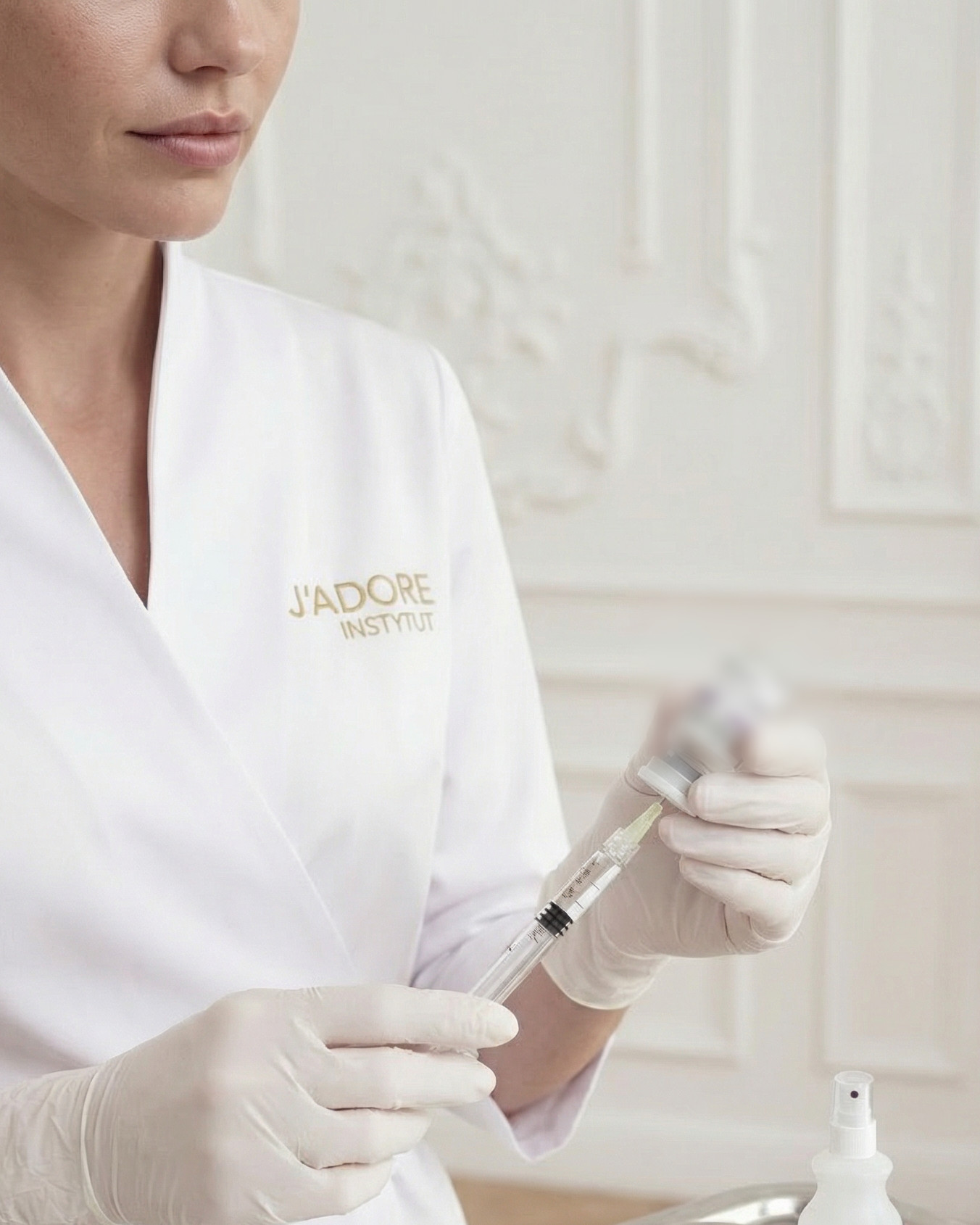
What reaches aesthetic medicine clinics are lab-derived exosomes — typically sourced from stem cells or other tissues with strong regenerative potential. Their contents are precisely characterised and documented. Their job in the skin is to deliver specific signals to fibroblasts, keratinocytes and immune cells: produce more collagen, calm inflammation, speed up barrier repair, regenerate. Exosomes don't work like a cream with collagen peptides — they speak to the cell in its own language.
What Laser and ClearLift Do to the Skin — And Why It Matters for Exosomes
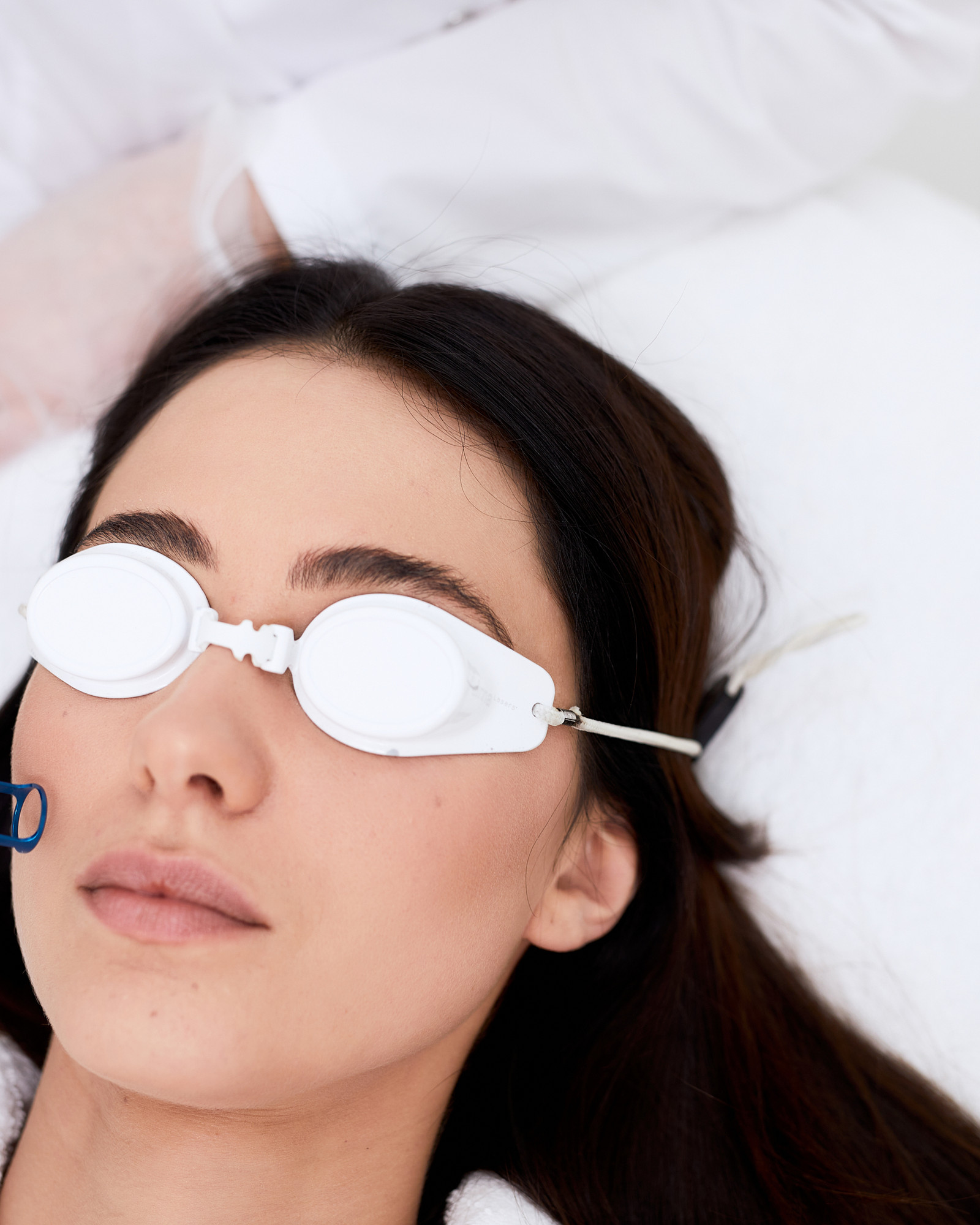
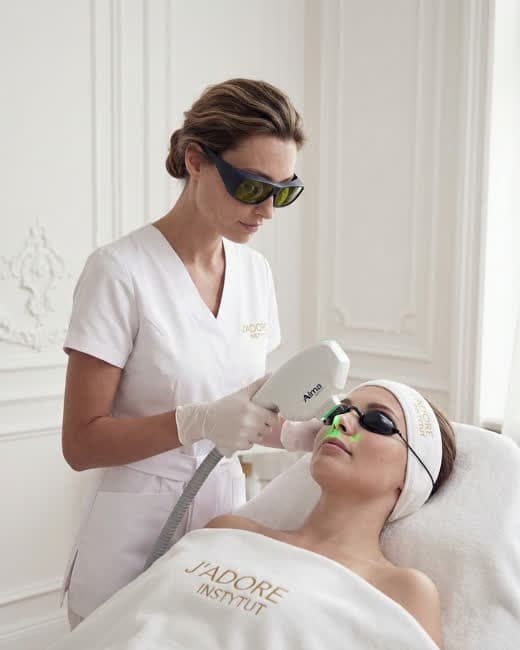
Both classic fractional laser and ClearLift — a laser technology that works without breaking the skin's surface — trigger controlled micro-damage in the skin. "Controlled" is the key word: the stimulus needs to be strong enough to activate a repair cascade, and precise enough to stay within a safe limit.
- Inflammatory phase (first few hours). Immediately after the treatment, the body responds as it would to any injury: an influx of inflammatory factors, immune system activation, increased blood flow. The skin may appear red, slightly swollen, warm. This isn't a side effect — it's the first stage of repair, without which the following stages can't happen.
- Proliferation phase (days 1–7). Fibroblasts divide intensely and produce new matrix. Keratinocytes migrate to seal any micro-abrasions in the epidermis. Blood vessels form new branches. This is the most energy-intensive stage of regeneration — cells are in full mobilisation mode.
- Remodelling phase (weeks to months). New collagen is gradually reorganised, and the epidermis rebuilds its barrier function. The treatment's results become increasingly visible — skin is denser, more even, firmer.
Why does all this matter for exosomes? Because each of these three phases responds differently to external signals. A cell in the middle of an inflammatory surge is occupied with something entirely different from a cell in a calm collagen-production phase. And an exosome — which is a signal, not a nutrient — needs to reach a recipient ready to accept it and respond to it correctly.
The Timing Window — Why Right After the Treatment Isn't Always the Best Moment
Here's a claim that can seem counterintuitive. If the skin is "open" and primed for regeneration right after a treatment, isn't that the ideal moment to deliver exosomes? The logic seems simple: the skin is working, so give it material to work with as soon as possible.
The problem is that at the peak of the inflammatory phase, the skin is occupied with a different set of priorities. Immune cells dominate the tissue, inflammatory cytokines are elevated, and signalling pathways are set to crisis-response mode, not calm rebuilding mode. Exosomes carry regenerative signals — but the environment they enter can modulate, dampen or reinterpret them compared with the phase when inflammation has subsided.
Applying exosomes too early
right after the treatment, at peak inflammation
- Environment dominated by inflammatory cytokines
- Immune cells in crisis mode, not repair mode
- Exosome signals may be dampened or redirected
- Part of the regenerative potential may go unused
Applying exosomes in the repair window
once inflammation subsides and fibroblasts are active
- Environment shifts towards collagen production and remodelling
- Fibroblasts and keratinocytes are in proliferation mode
- Exosomes reach receptive cells ready for their instructions
- Signals are read and acted on as intended
Worth noting: this doesn't mean exosomes applied right after a treatment "don't work" or are harmful. It means the optimal window — the moment when exosome signals are received by cells exactly as intended — is usually once inflammation has significantly subsided and the proliferation phase is in full swing. This is often several dozen hours after the treatment, though the exact timing depends on the laser type, depth of effect and individual skin reactivity.
ClearLift vs Fractional Laser — Is the Window the Same?
This distinction matters, because the two technologies work differently beneath the skin — and in theory can generate somewhat different inflammatory dynamics.
Classic fractional laser creates visible zones of micro-damage in the epidermis — so-called microthermal treatment zones. The inflammatory response is concentrated and intense, because the epidermis is genuinely disrupted. Redness and mild flaking are visible signs that the inflammatory phase is pronounced. In this case, the repair window for exosome application is fairly clearly marked: usually once the "acute" stage has passed, redness has faded, and the skin has settled into calm regeneration.
ClearLift works differently: it delivers energy beneath the epidermis, without disrupting its surface. The inflammatory phase is milder and shorter — which is why the "zero downtime" claim is partly justified. But note: even if the epidermis looks normal the day after treatment, deeper layers of the dermis are still remodelling. The question of exosome timing still applies here too — except the window may be shorter, and less obvious to someone looking only at the surface.

How We Plan This Sequence in Practice
The treatment sequence — laser or ClearLift combined with exosomes — works best when we treat it as a protocol, not a bundle of services. That means planning in advance: how much time needs to pass between treatments, what happens to the skin during that interval, and at what point the skin is ready for exosome signals.
- Laser / ClearLift treatment — controlled damage, triggering the repair cascade. The skin is active but occupied with the inflammatory response.
- Interval — time for inflammation to subside — the length depends on the technology, treatment parameters and individual reactivity. During this time, the skin moves from the inflammatory phase into the proliferation phase.
- Exosomes — applied within the repair window — once fibroblasts are active and the environment favours receiving regenerative signals. Exosome instructions are read by cells oriented towards rebuilding, not crisis response.
- Ongoing support — home care and any follow-up treatments — to maintain results and support collagen remodelling over the following weeks.
It's also worth understanding that exosomes can be used not only after a laser session, but also as a standalone regenerative treatment — without a preceding laser stimulus. In that case, there's no repair cascade triggered by damage; instead, exosomes act as a stimulating signal for skin that's already working calmly. That's a different context and a different goal — but not a weaker one. Just planned differently.
What This Means for You in Practice
Understanding the mechanism has one clear purpose: so you can go into regenerative treatments knowing that the plan makes sense — and that the question "can we do this sooner" has a real answer rooted in biology, not in the clinic's schedule.
If you hear that exosomes will be scheduled for a specific date after a laser session — rather than "straight after" — that's exactly why. It isn't about getting you to come in more often, or a rigid protocol without reason. It's about the fact that you came for results, and results depend on whether regenerative signals reach the skin at the moment it's ready to receive them.
Below you'll find our exosome treatments — both the protocol following fractional laser and ClearLift, and exosomes as standalone regenerative support. If you're unsure which option makes sense for you, a consultation is the quickest way to a plan tailored to your skin.