The HPA axis — your internal alarm system
Before we talk about skin, you need to understand the mechanism behind it all. It's called the HPA axis — hypothalamic-pituitary-adrenal.
When your brain recognises a threat — real (a car pulling out at a corner) or imagined (an email from your boss at 11pm) — it triggers a cascade. The hypothalamus releases CRH, the pituitary responds with ACTH, and the adrenal glands produce cortisol.
In short bursts of stress (fight-or-flight), cortisol is your ally. It mobilises energy, sharpens your senses and dulls pain. The problem starts when stress becomes chronic. And today, chronic stress is the norm, not the exception.
What cortisol does to your skin — point by point
"Stress face" — what chronic stress looks like on your skin
Dermatologists have an unofficial term for this: stress face. It's a cluster of symptoms that together create a recognisable look:
- Greyness — impaired microcirculation (cortisol constricts peripheral blood vessels)
- Dryness — a damaged barrier, dehydration
- Dark circles — disrupted sleep, dilated blood vessels
- Acne — sebum overproduction and inflammation
- Dullness — slower cell turnover
- A "tired" expression — tension in the facial muscles, a clenched jaw, furrowed brows
Psychodermatology — when skin and mind speak with one voice
Psychodermatology is a relatively young but fast-growing field of medicine. It studies the two-way relationship between mental state and skin conditions.
- Stress worsens the skin (HPA axis → cortisol → degradation)
- Worsened skin worsens mental state (shame, avoidance, social anxiety)
What you can do — an anti-cortisol strategy
Working on three levels at once gives the best results: stress management, restorative skincare and treatments as a form of therapy.
- Skip aggressive actives — strong acids, high-strength retinol, low-pH vitamin C. A damaged barrier may not cope with them.
- Focus on ceramides — ceramides 1, 3 and 6-II help rebuild the lipid mantle.
- Hyaluronic acid — binds water, supports hydration and doesn't irritate.
- Niacinamide (vitamin B3), around 5% — can strengthen the barrier, regulate sebum and soothe inflammation.
- Centella Asiatica — a plant-based adaptogen that supports regeneration and calms irritation.
Kobido massage — a reset for the vagus nerve
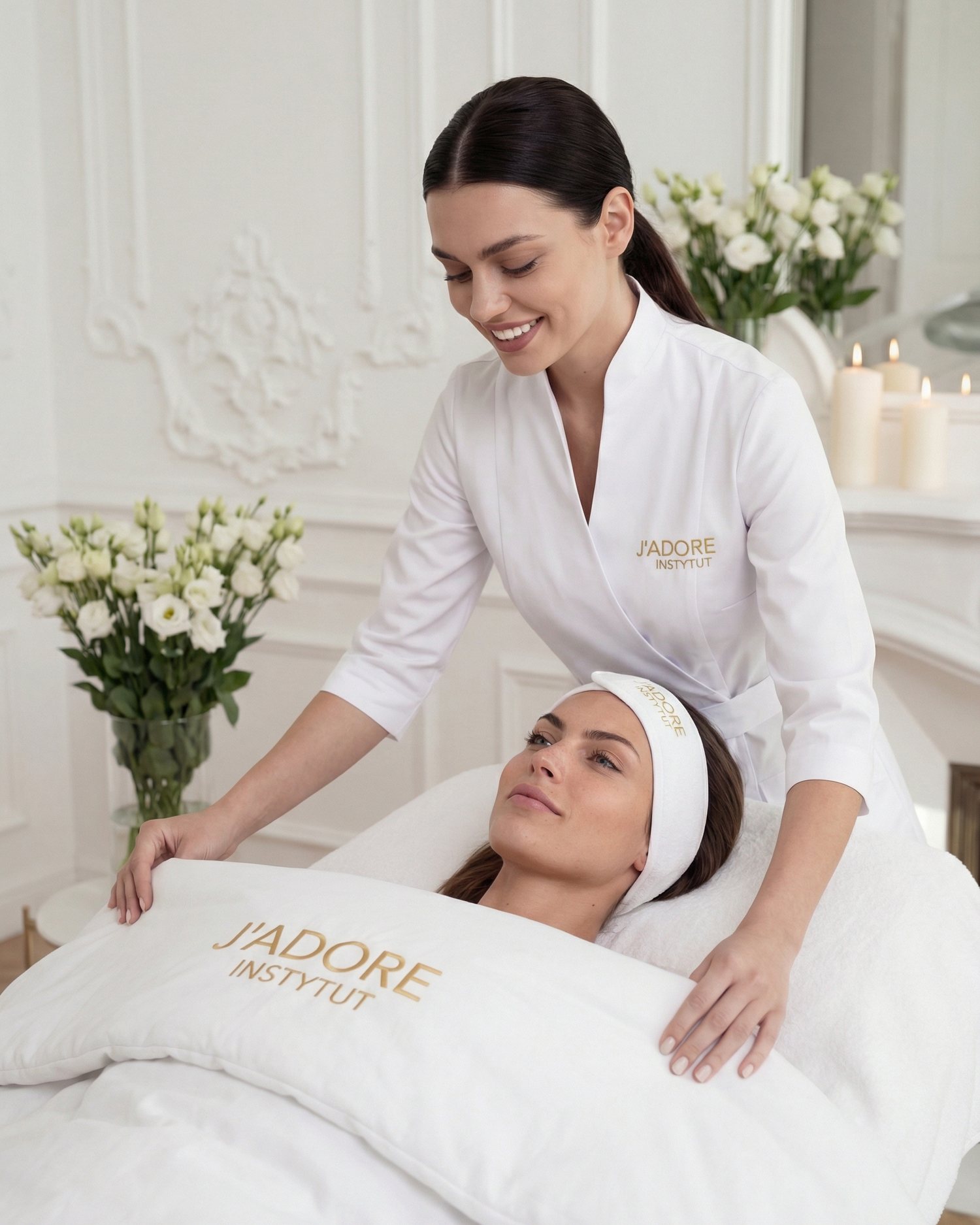
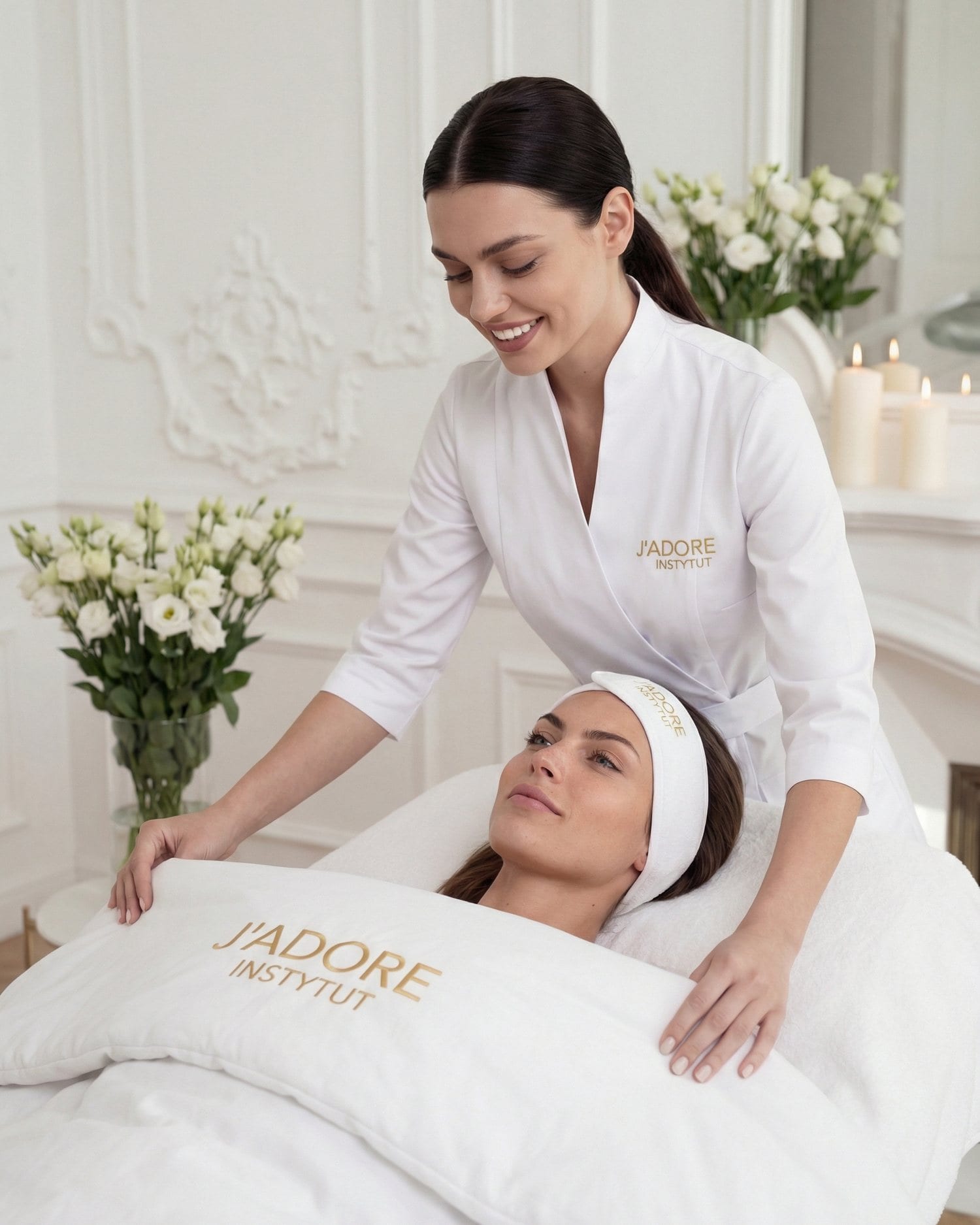
Kobido massage is a Japanese lifting technique, but its effects reach far beyond aesthetics. A session on the face, neck and décolletage can activate the vagus nerve — a key part of the parasympathetic nervous system, and a natural brake on the HPA axis.
- Deep kneading of the facial muscles — releasing tension
- Lymphatic drainage — can reduce swelling
- Stimulation of acupressure points
- Rhythmic, repetitive touch — a signal of safety for the brain
LED therapy — bio-relaxation at cellular level
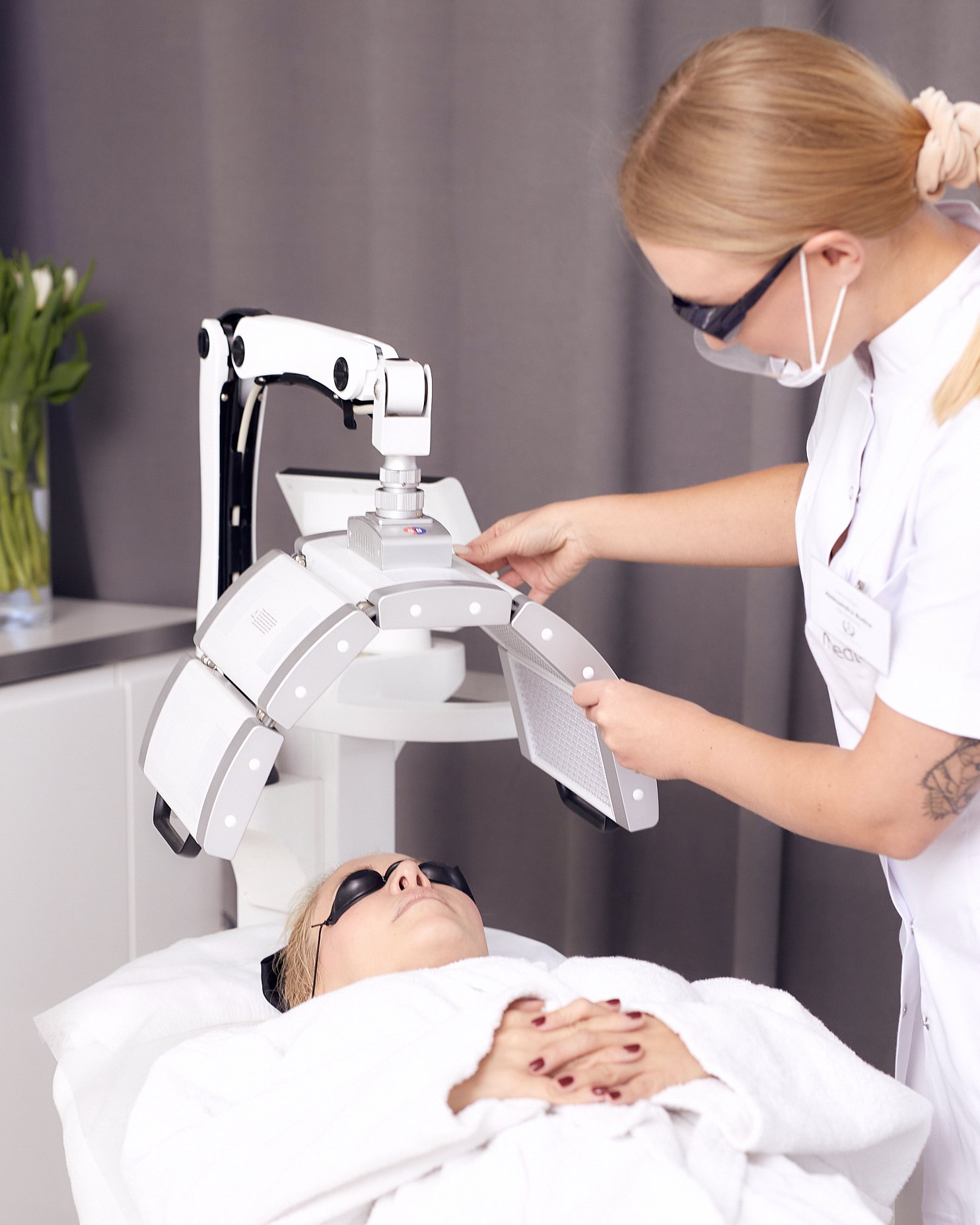
LED light therapy isn't only an anti-ageing treatment. Different wavelengths act at different levels:
- Red light — can stimulate ATP production in the mitochondria, support regeneration and reduce inflammation
- Near-infrared (NIR) — penetrates deeper, may support healing and lower markers of oxidative stress
- Blue light — has an antibacterial effect
Skincare as ritual — 5 minutes that change everything
You don't need to visit a salon every day. You can turn your evening skincare into a daily anti-cortisol practice.
- Oil cleansing (2 min) — massage your face slowly, in circular motions. Focus on the touch. Put your phone down.
- Warm compress (1 min) — soak a muslin cloth in warm water and place it on your face. Breathe.
- Serum + cream (1 min) — pat in with your fingertips rather than rubbing. The touch should feel pleasant.
- Neck oil (1 min) — massage upwards from your collarbones. The neck holds a lot of tension.
When to seek help
If your skin problems appeared or worsened dramatically after a period of intense stress, don't respond to standard skincare or dermatological treatment, come with sleep problems, anxiety or low mood, or return in cycles linked to stress — consider consulting a specialist.
Your skin listens to your mind — J'ADORE's holistic approach
At J'ADORE INSTYTUT, we know that beautiful skin starts deeper than the epidermis. That's why our approach combines advanced technology with a deep understanding of what the body and mind need.
Kobido massage, LED therapy, intensively hydrating treatments — we choose them not only for your skin concern, but for your current state. Sometimes the best treatment for grey, tired skin isn't another acid. It's a session of deep breathing and touch that tells your body: you can recover. You are safe.