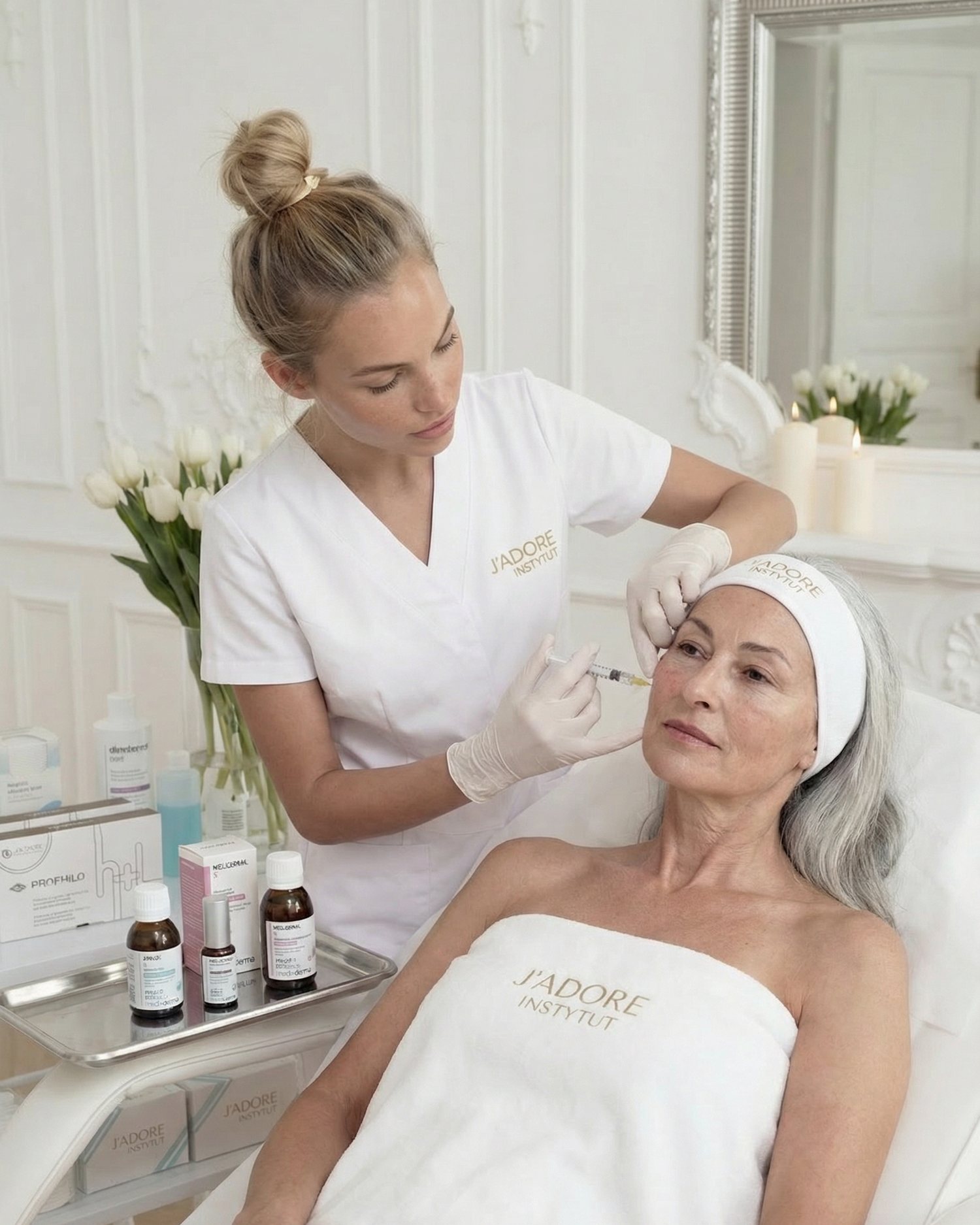
First, let's settle something calmly: is this a crisis, or is it physiology?
Before we get into the plan, one point worth settling — it defuses a lot of unnecessary urgency: skin ageing isn't a malfunction, it's physiology. From around age 25, skin naturally loses some of its regenerative capacity. Collagen and elastin production slows, cell turnover decreases, and hydration levels shift. This isn't a reason to panic. It's a reason to act thoughtfully and early.
When is it worth acting more quickly? When changes are asymmetrical, when tissue suddenly and visibly starts to drop, when skin is very dehydrated and grey despite consistent care, or when you feel your appearance is affecting your confidence. These aren't signs of disaster — but they are signs that it's worth seeing a specialist with a specific question, rather than a vague "I want to look younger".
Why skin ages — not all causes carry equal weight
This distinction matters, because what's actually driving ageing in your specific case determines what's worth doing. There are two broad categories of causes — internal and external — plus one that's a combination of both. Planning a strategy without knowing the balance between them is like prescribing medicine without a diagnosis.
Chronological ageing
Your internal biological clock
- Genetically programmed slowdown in regeneration
- Natural decline in collagen, elastin and hyaluronic acid
- Gradual changes in facial contour and cheek volume
Photo-ageing
The sun as the main culprit
- UV radiation breaks down collagen fibres and causes hyperpigmentation
- Effects build up over years — sun damage from a holiday 10 years ago shows up today
- Accelerates changes even in people with "good genes"
Lifestyle-driven ageing
Daily fuel and habits
- Sleep, stress, diet, smoking, alcohol — a huge influence on skin quality
- Chronic dehydration makes lines deeper than they "should" be
- Chronic stress accelerates loss of skin density
Why does this matter? Because if your skin is ageing mainly due to sun exposure, your priorities will differ from someone whose main issue is stress and diet. A diagnosis by a dermatologist or medical cosmetologist takes exactly this balance into account — and that's the starting point for a good plan, not buying everything "just in case it helps".
Where to start — step by step
This is the heart of the whole article. Instead of jumping straight into whatever's trending or whatever your favourite influencer recommends, work through these steps in order. Each one only makes sense once the previous one is in place — otherwise you spend more and see less.
- 01
Step 1 — SPF every day, all year round
This isn't a trivial starting point — it's the most underrated one. Daily sun protection (SPF 30–50) on the face is both the most effective defence against photo-ageing and the cheapest "anti-ageing treatment" there is. Without it, no peel, no course of treatment gives its full effect, because UV damage keeps accumulating regardless. This is where it starts.
- 02
Step 2 — The basics: sleep, hydration, diet
Skin regenerates mainly overnight — and it needs fuel for that: sleep, protein, antioxidants and adequate hydration. Dehydrated, sleep-deprived, poorly nourished skin looks older and responds less well to treatments. This isn't just a platitude: external skincare builds on a foundation you create from within.
- 03
Step 3 — Skin diagnosis: what's actually happening
Before your first treatment — see an experienced cosmetologist or dermatologist. This step saves money, time and disappointment. A specialist assesses your type of ageing, skin condition and needs, and — crucially — builds a plan suited to you, not to a "popular package". Trichoscopy for a trichologist, skin diagnosis for a dermatologist — different specialists, same principle.
- 04
Step 4 — Targeted skincare with active ingredients
Once you have a diagnosis, you choose ingredients, not brands. Retinol or retinal (stimulates regeneration), vitamin C (antioxidant plus brightness), peptides (signal collagen synthesis), hyaluronic acid (hydration). Not all at once — skincare works as a system, not a random set of steps.
- 05
Step 5 — Professional treatments in a series (after steps 1–4)
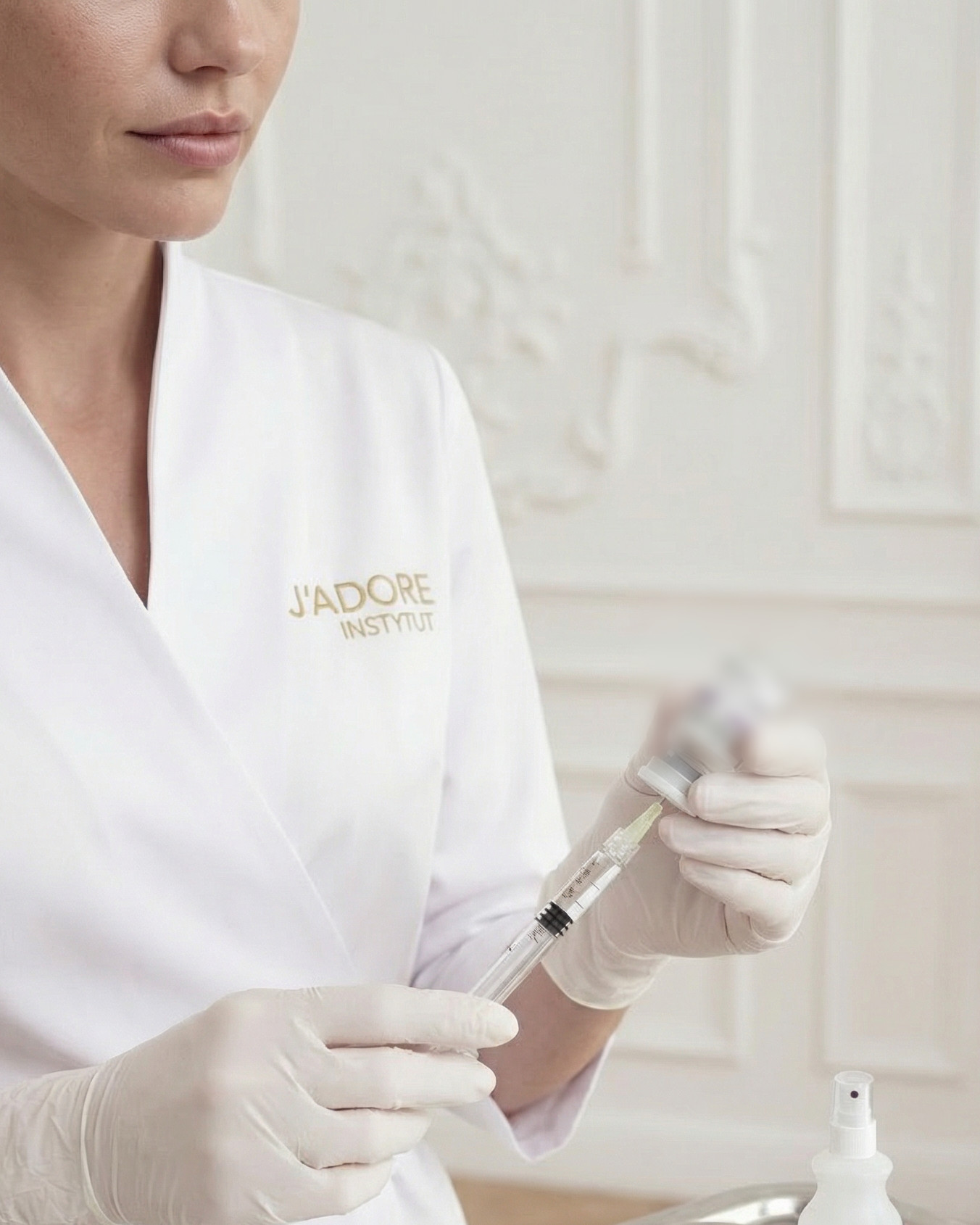
Only now does it make sense to invest in in-salon treatments — because the foundation is in place. A series of peels, biostimulators, mesotherapy or lifting treatments chosen to match diagnosed needs will give far better results than the same treatment done blindly. One session doesn't make a course of treatment — a series, with regular assessment of results, is the key.
Notice the order. Diagnosis comes before treatments, and the basics — SPF, sleep, diet — come before diagnosis. Even the best course of biostimulators won't work the same way on skin chronically deprived of sleep, nutrition and UV protection. We build from the foundations, not from an impressive roof.
What NOT to do in anti-ageing skincare
The anti-ageing market tempts more than any other in beauty. That's exactly why so many women lose money on things that don't work — or worse, work against them. This list of pitfalls could save you a fair amount of disappointment.
In short: understand first, then act. In anti-ageing skincare, rushing and acting at random cost you twice — once in your wallet, once in disappointing results.
When to see a specialist
Not every moment calls for a salon visit — but there are situations where it's worth stopping and simply booking an appointment. Treat this as a simple checklist, not a reason to worry.
- Changes in your facial appearance are progressing faster than you expected — sagging cheeks, deepening folds, asymmetry, a changed facial contour.
- You've been using a skincare routine for several months, but you see no improvement, not even stabilisation.
- You want to start in-salon treatments and don't know where to begin — a consultation sets the direction instead of guesswork.
- Your skin reacts with irritation to products that "were supposed to work" — that's a sign the choice of ingredients needs a specialist's assessment.
- You're over 40 and have never had a professional skin assessment — this is a good moment to get one.
- Hyperpigmentation or pigment changes have appeared and are growing or changing colour — here, dermatological diagnostics is an absolute priority.
A visit to a specialist — a cosmetologist experienced in ageing skin, or a dermatologist — starts with a skin assessment, a lifestyle discussion, and often photographic documentation to track results over time. You leave with a concrete plan for the coming months, not a vague "look after your skin". That's the difference between an investment and an expense.