Why does skin become oily?
- Genetics — greater density and activity of sebaceous glands
- Androgens — testosterone activates the sebaceous glands, which is why oiliness is more common in men and during puberty
- Stress — cortisol stimulates the sebaceous glands
- High-glycaemic diet — via IGF-1, it can increase sebum production
- Incorrect skincare — drying out the skin often triggers a rebound effect and even higher sebum production
Mistake number 1: over-drying oily skin
Strong alcohols, harsh gels and "degreasing" products can backfire — skin responds by producing even more sebum (the rebound effect). A damaged skin barrier also causes greater reactivity and sensitivity.
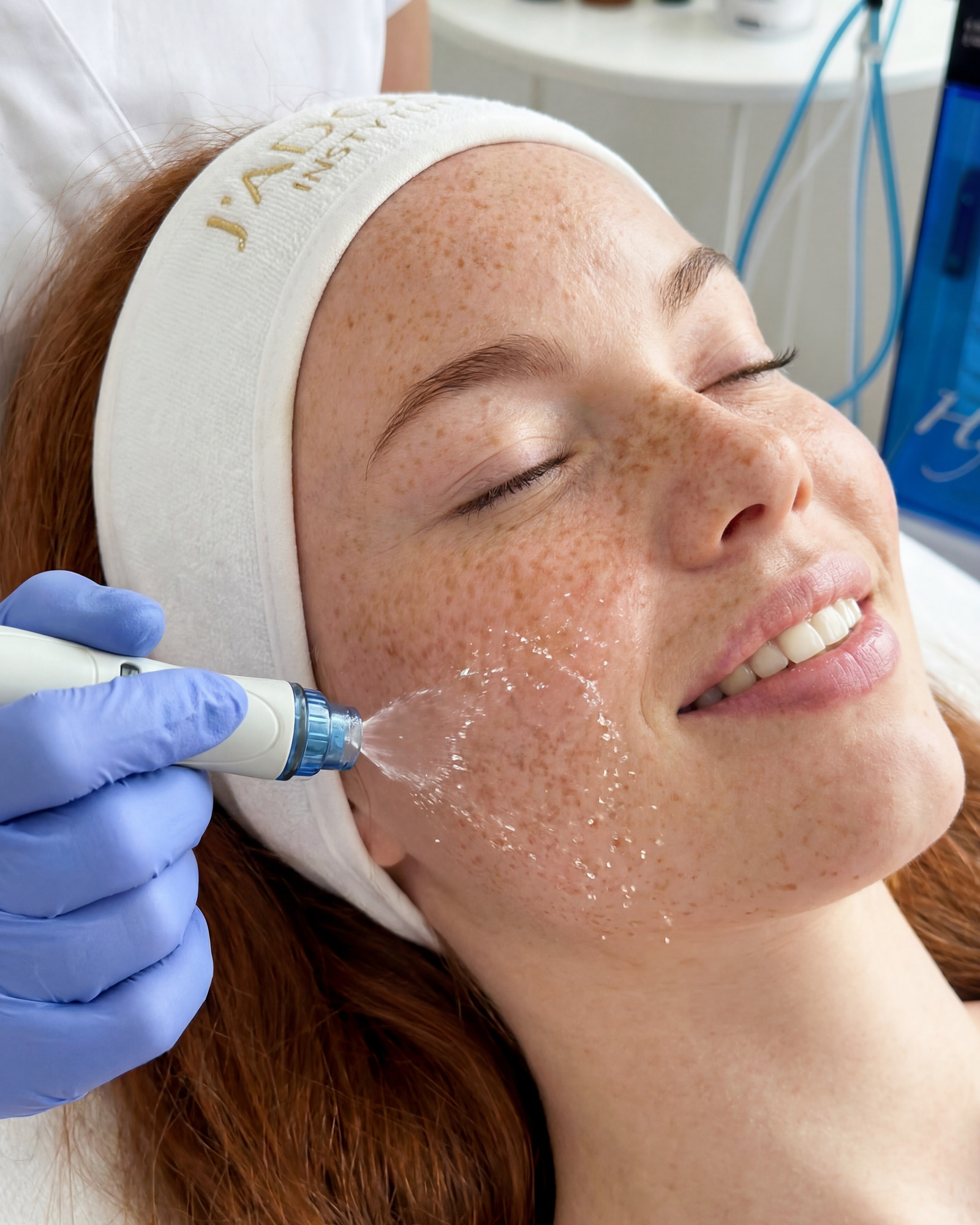
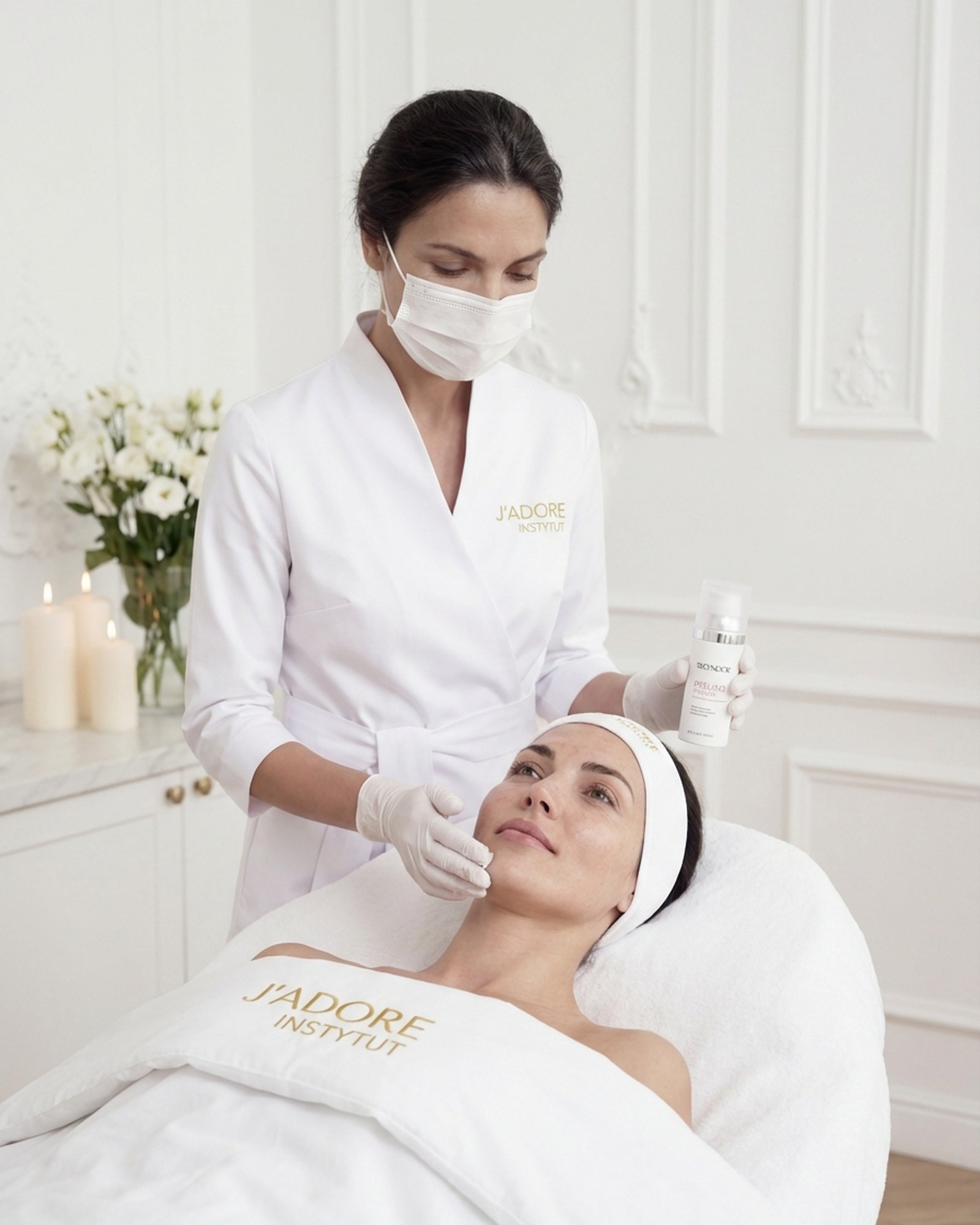
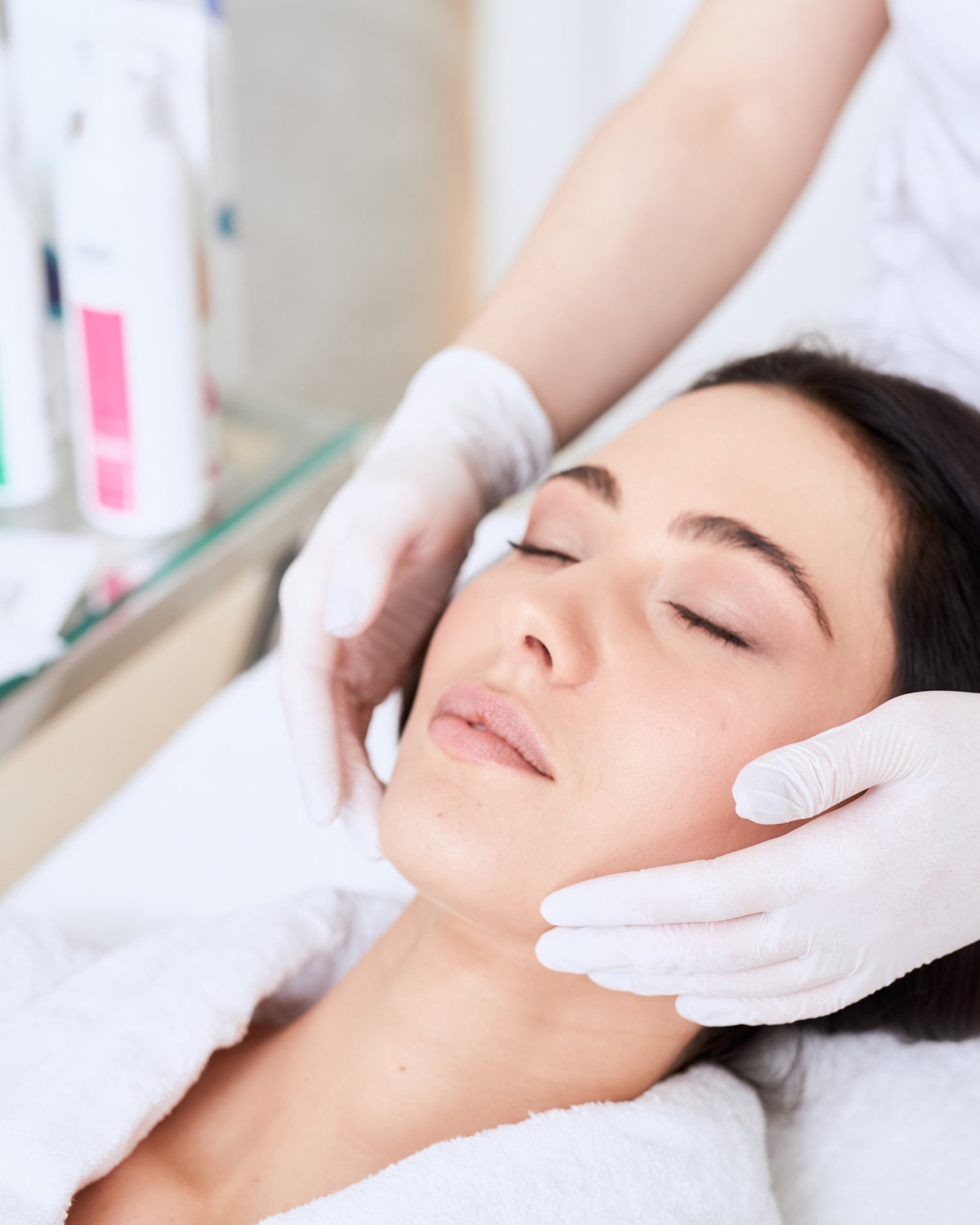
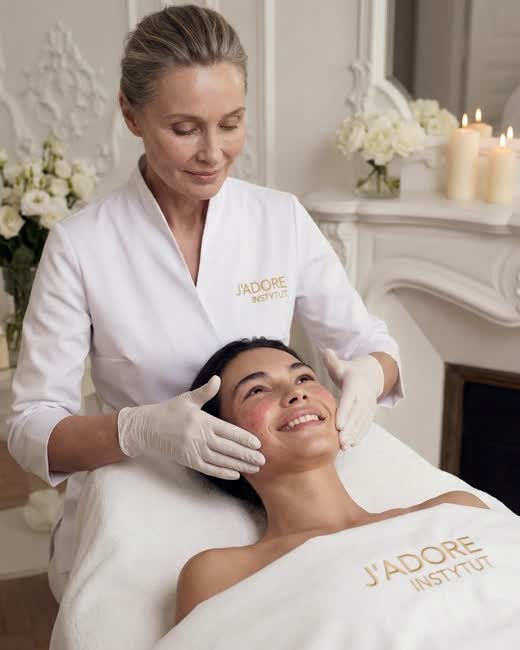
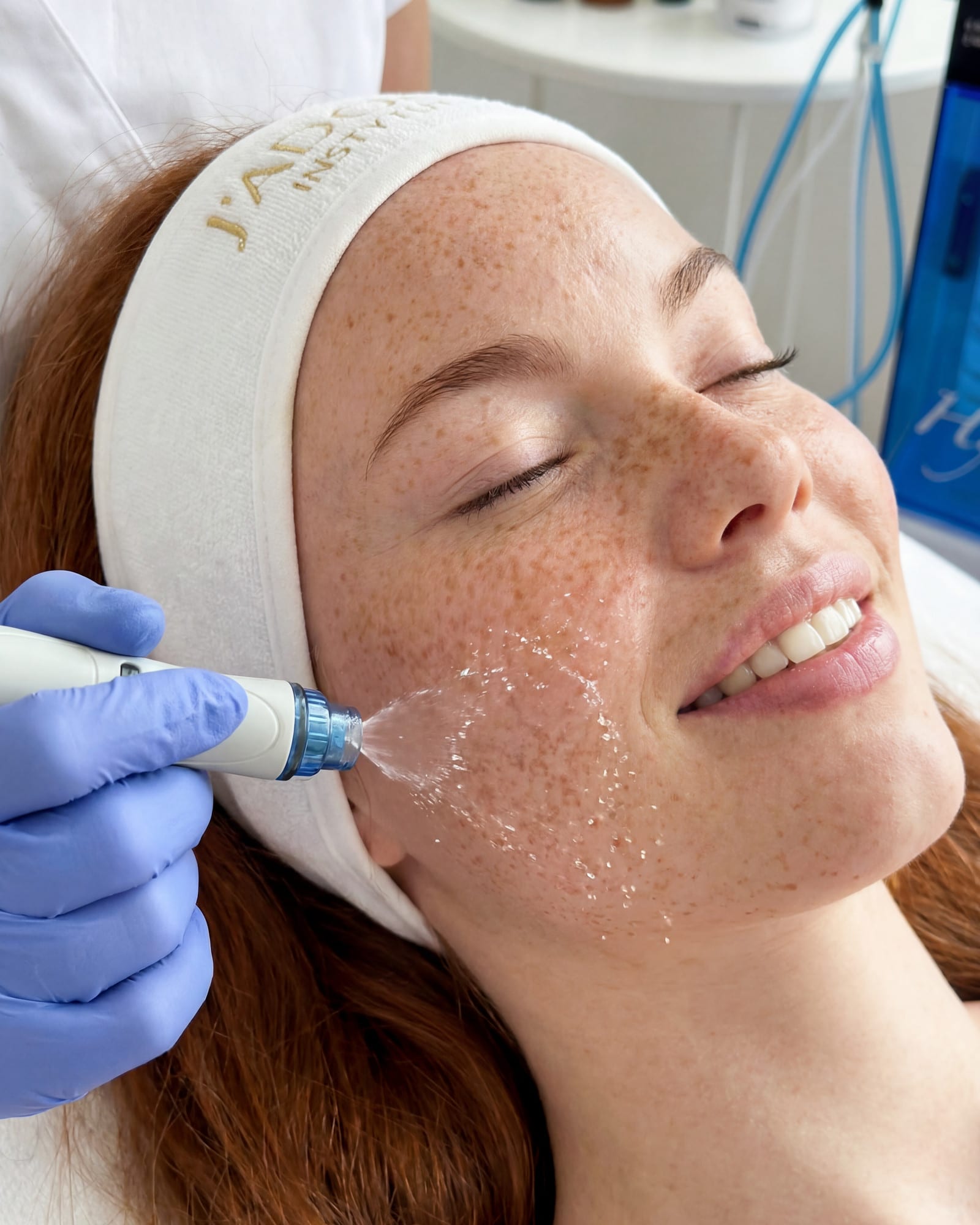
Treatments at J'ADORE for oily skin
Home care for oily skin
Toners and serums — what's worth adding to your routine:
- Niacinamide 10% — regulates sebum production, may reduce pore visibility, and has anti-inflammatory properties
- Azelaic acid 10–15% — sebum-regulating and mildly anti-acne properties
- BHA toner — applied in the evening or every other evening to the T-zone, it clears the pores
Active ingredients for oily skin
- Niacinamide 5–10% — sebum regulation, helps minimise the appearance of pores
- Azelaic acid 10–15% — sebum-regulating, mildly anti-acne
- Salicylic acid 0.5–2% — clears pores, lipophilic, penetrates the sebaceous glands
- Zinc — regulates sebum production, has anti-inflammatory properties
- Green tea extract (EGCG) — anti-androgenic and sebum-regulating properties
- Retinol — normalises the keratinisation process and regulates sebum with long-term use
When does oily skin turn into acne?
Oily skin with blackheads is often a mild form of acne — it can be managed with treatments and the right skincare.