Three colours, three mechanisms
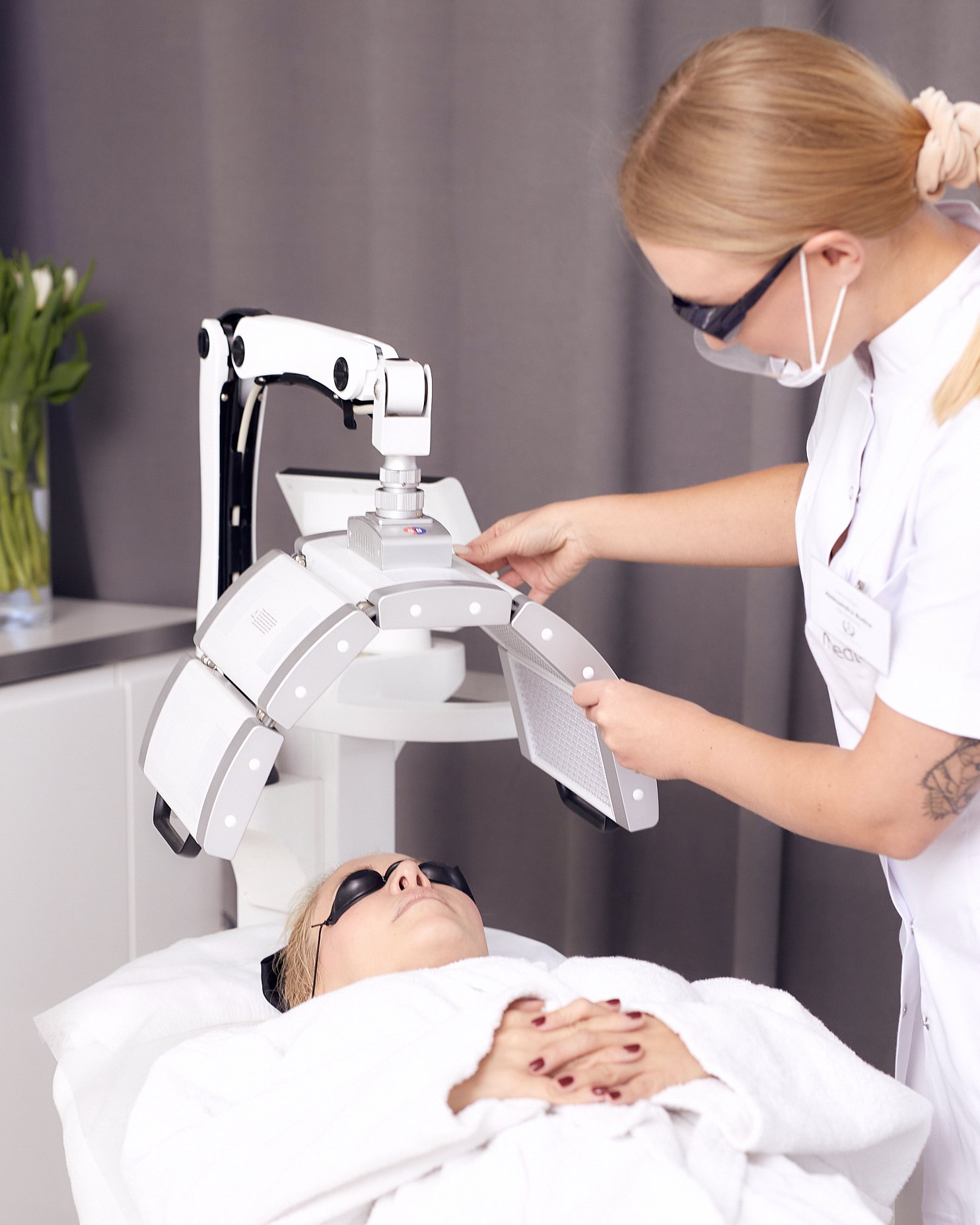
An LED bulb emits a very narrow range of colours — and this precision matters. Different wavelengths penetrate the skin to different depths and trigger different processes. Put simply: colour = delivery address. Red reaches deeper, blue remains near the surface, and yellow works mainly at the level of blood vessels and pigment.
Red
regeneration and anti-ageing
- stimulates fibroblasts to produce collagen
- may support healing and reduce inflammation
- dry, mature skin with wrinkles and loss of firmness
- recommended after treatments (laser, peel) to support regeneration
Blue
antibacterial action
- reaches the sebaceous glands and may inhibit bacterial growth
- used for inflammatory and comedonal acne
- regulates sebum production
- effective for teenagers and people with combination/oily skin
Yellow (amber)
soothing and brightening
- reduces redness and may lessen the visibility of blood vessels
- supports lymphatic vessel drainage
- recommended for vascular skin, after sun exposure and for hyperpigmentation
- soothes skin reactions and may brighten dull/tired-looking skin
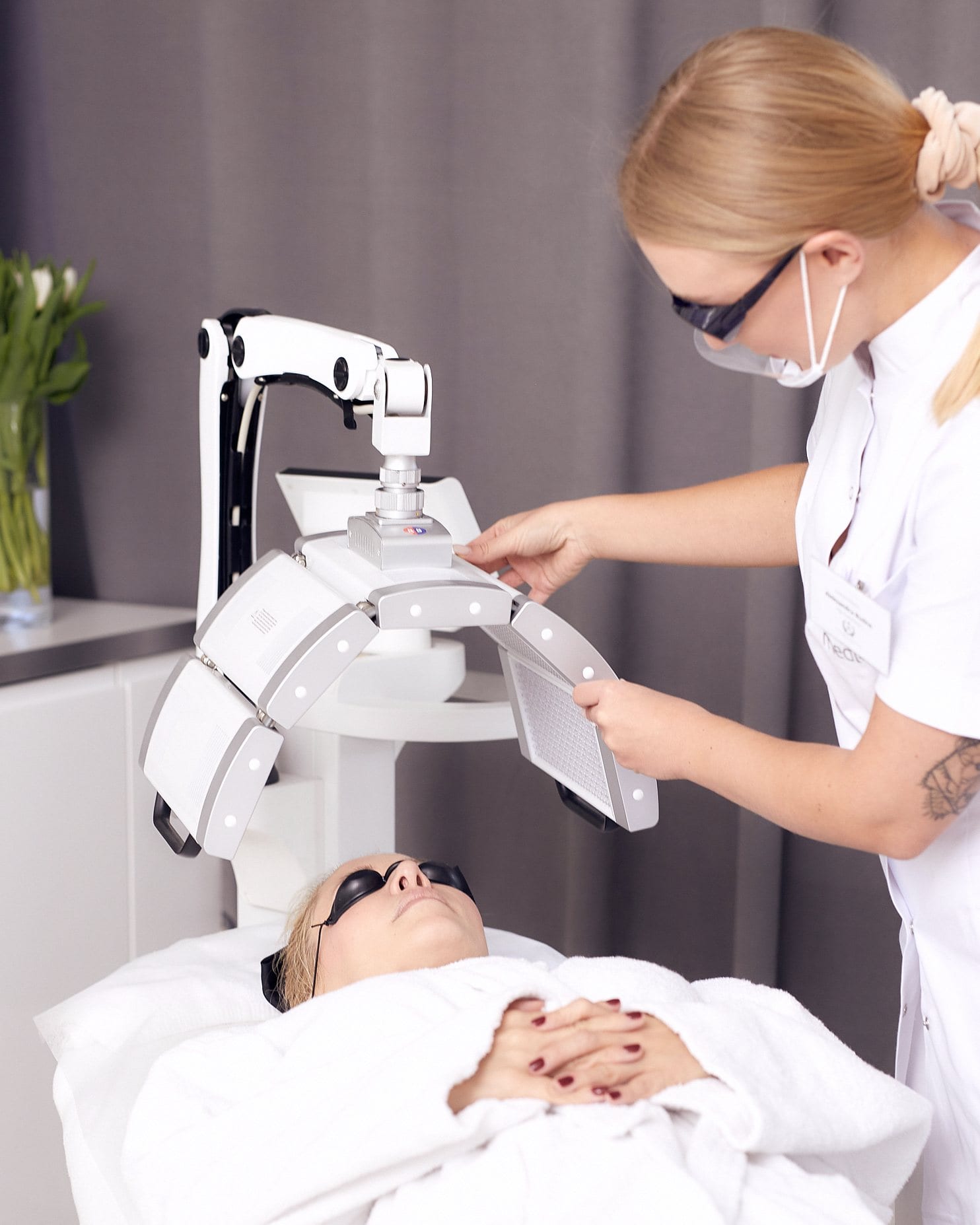
How do you know which colour your skin needs? A mirror test
You do not need to know wavelength names to identify the right colour. Just answer three questions:
- Do you have active breakouts, blackheads, or oily or combination skin? → consider blue light. If acne is moderate or severe, blue LED can be the first choice before other methods are considered.
- Is your skin dry, losing firmness, do you have early or deeper wrinkles, or does it regenerate slowly after treatments? → consider red light. It is a classic anti-ageing option that works from within — not only on the surface.
- Do you flush easily, have visible blood vessels, sun-induced hyperpigmentation, or simply dull and tired-looking skin? → consider yellow light. This colour is suitable for sensitive and vascular skin. It is also for anyone seeking gentle brightening without the risk of irritation.
- Do you have more than one concern at once? → this is the most common scenario. Some protocols combine colours in one session or separate them across different days. The combination is decided by a specialist after assessing your skin.
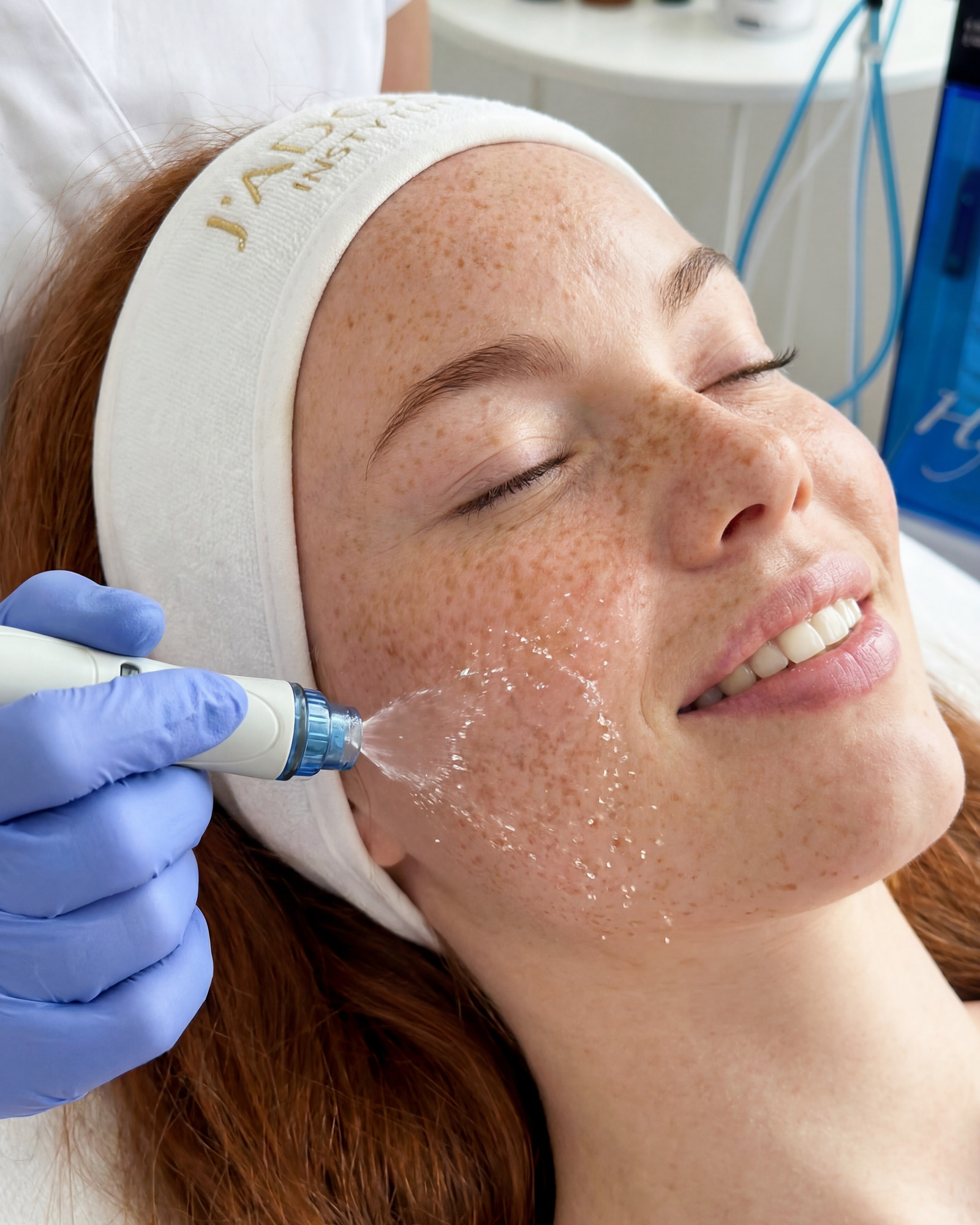
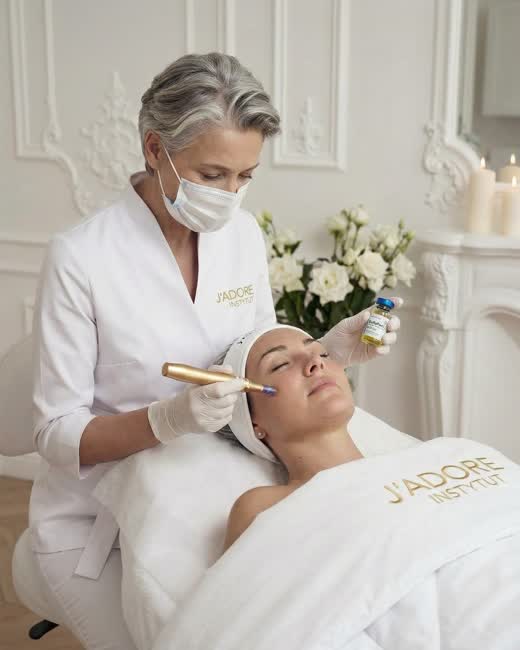
It is also worth remembering that LED is rarely a standalone treatment. It most often enhances the effects of other treatments: peels, mesotherapy and hydrafacial. In this approach, the colour selection also depends on what was performed beforehand and what is planned next.
When to combine colours and with what
LED is a sufficiently safe tool to work with almost every skincare protocol. The key is the order and the goal — not the number of treatments.
Blue → red in one session
blue light is used first to inhibit bacteria, while red light completes the session with anti-inflammatory and regenerative effects. Often used for acne when the skin also needs regeneration.
Red LED after peels and laser treatment
accelerates healing and may reduce the risk of irritation and post-inflammatory hyperpigmentation. A natural addition after any treatment with an ablative effect.
Yellow LED for vascular skin + hydrating mesotherapy
soothes vascular reactivity, while mesotherapy delivers active ingredients into the skin. A synergy for sensitive skin.
LED treatment as regular support between treatment series
if you want to maintain the effects of hydrafacial, peels or biostimulators, LED as a regular part of the protocol may extend their longevity.