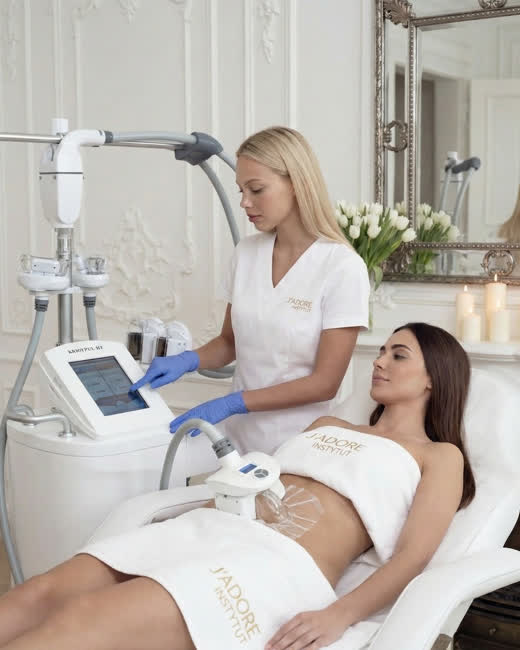
Three technologies, three different languages
To understand the difference between GMV, RF and HIFU, start with one simple question: how does each one reach the tissue? This isn't a marketing detail — it's physics. Each technology uses a different type of energy, which penetrates the skin differently, stops at a different depth, and triggers a different kind of response. That's why the results differ — even when the slogans sound identical.
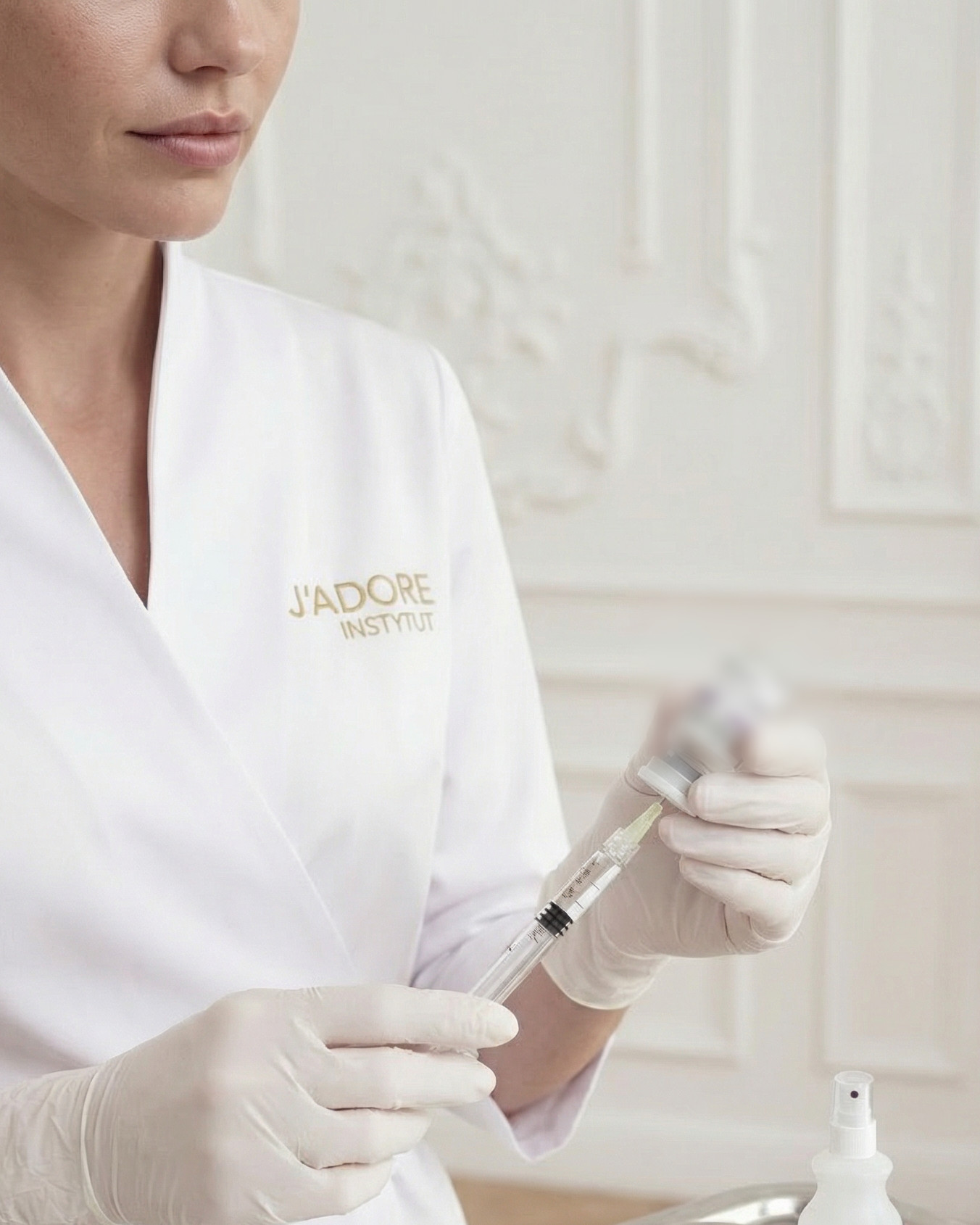
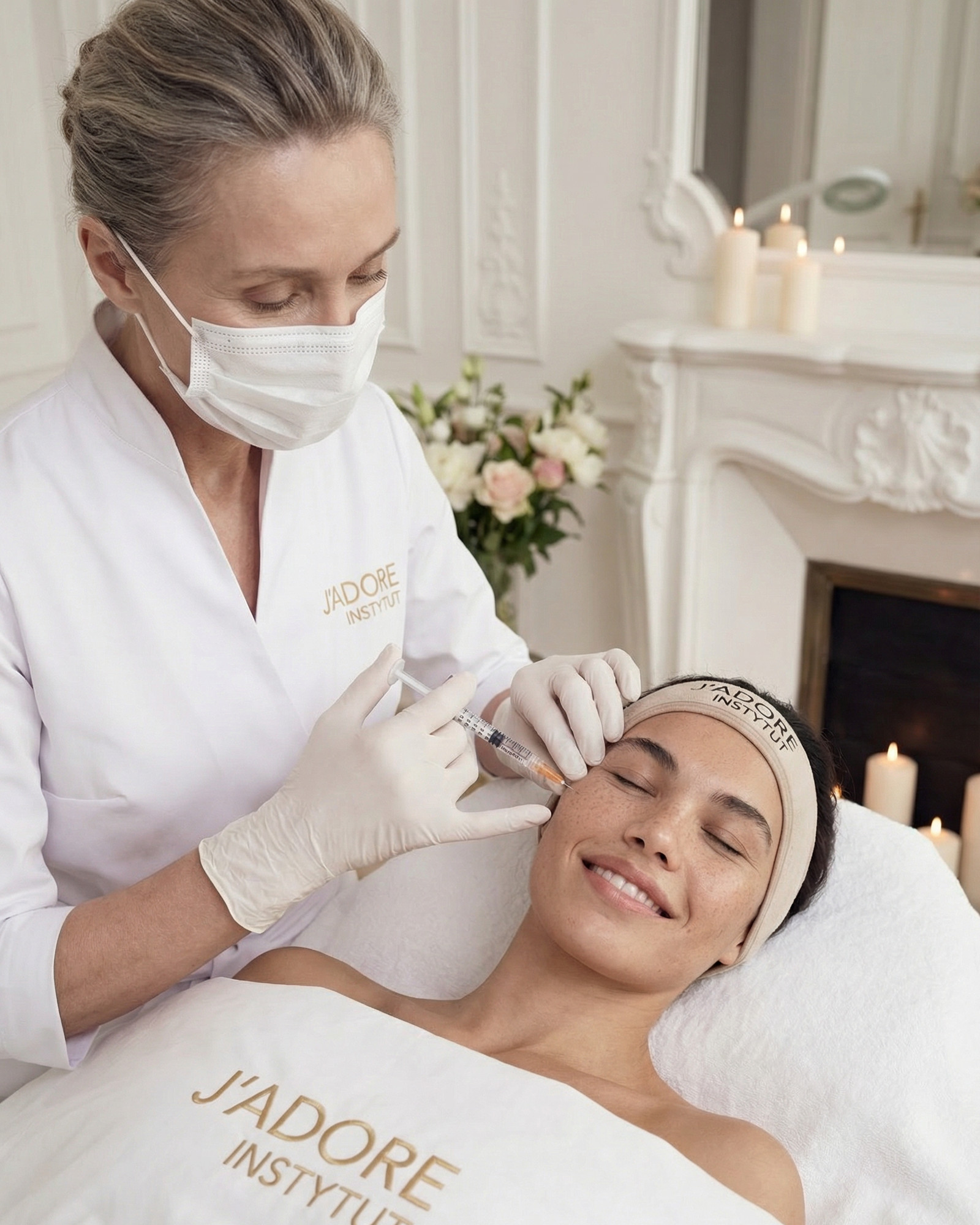
- GMV (deep vibration mesotherapy / vibration-assisted micro-injections) — works through mechanical micro-penetration combined with enhanced delivery of active substances. It sits between classic mesotherapy and mechanical support — it doesn't "heat" the tissue, it opens it up to substances that can be precisely matched to your concern. Results depend heavily on what gets delivered under the skin.
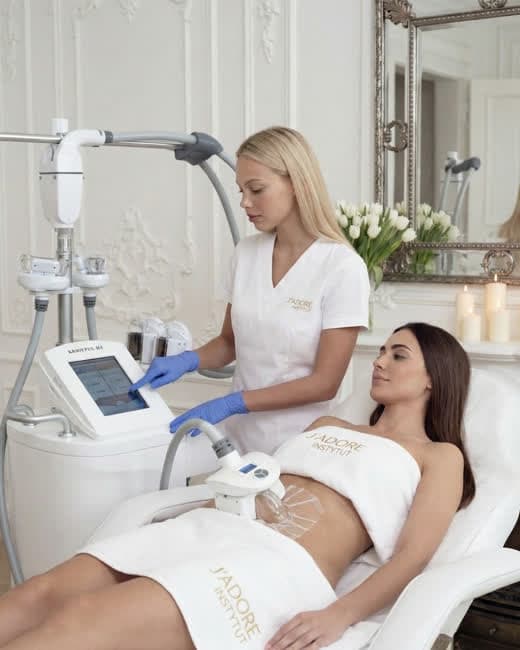
- RF (radiofrequency) — delivers electromagnetic energy into the tissue, which converts into heat. The skin warms in a controlled way — this triggers existing collagen fibres to contract (an immediate effect) while also starting the process of building new collagen (an effect that builds over weeks). RF works mainly in the dermis and fat layer, depending on the applicator.
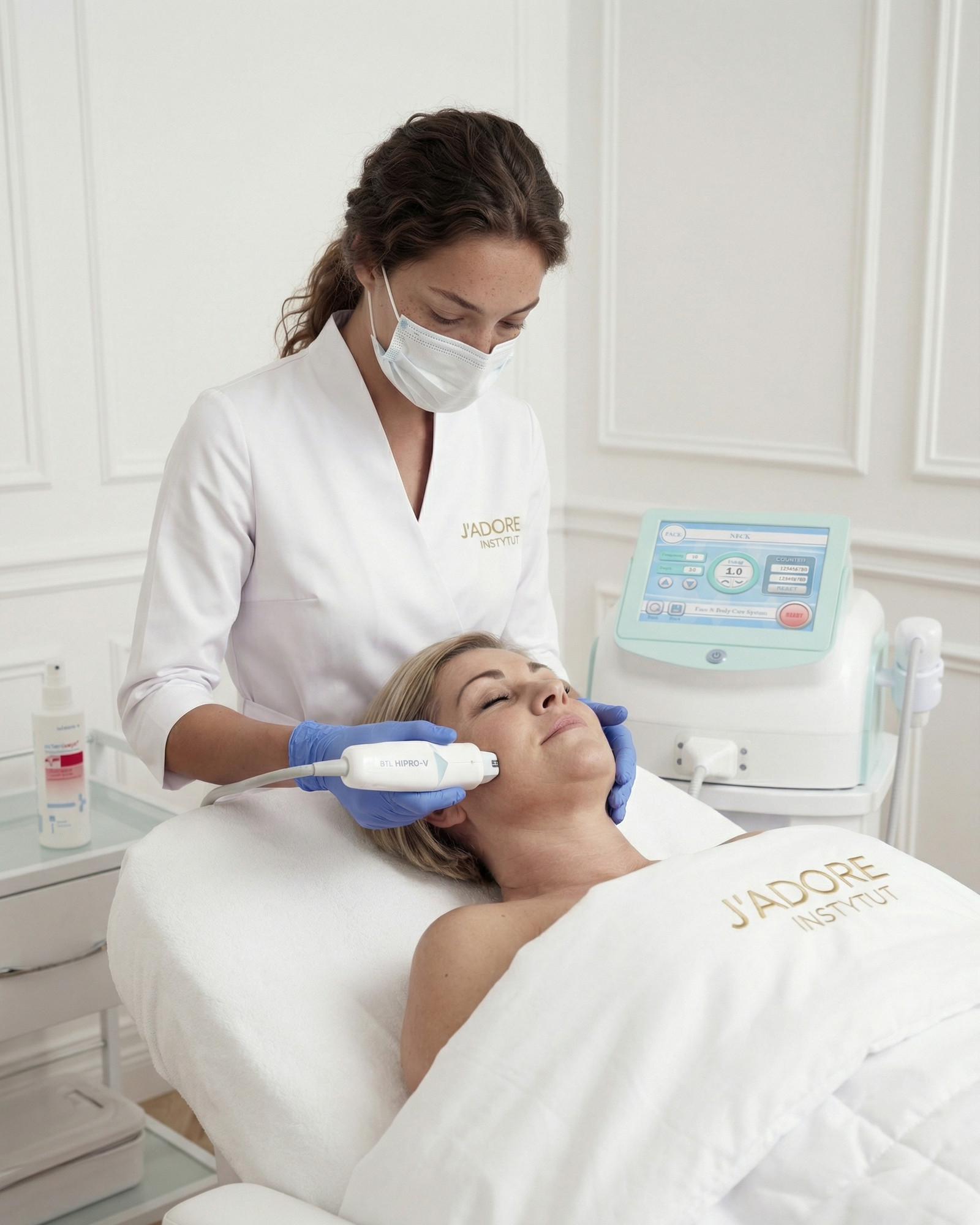
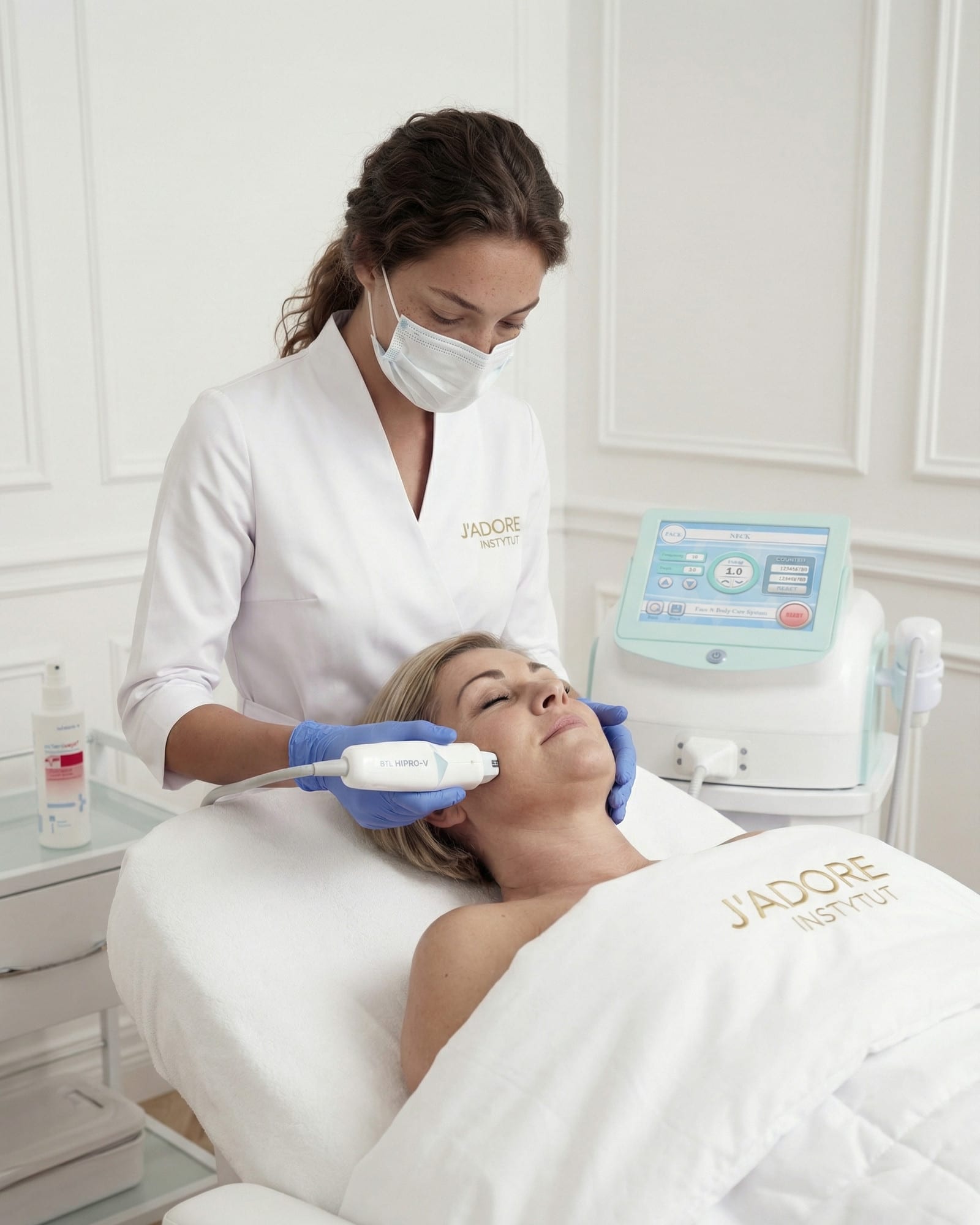
- HIFU (high-intensity focused ultrasound) — the only one of the three that bypasses the upper skin layers and focuses energy at a precisely chosen, deeper point. The concentrated ultrasound wave creates a micro thermal injury at that point — invisible on the surface, but enough to trigger deep regeneration. HIFU is the only one of these tools that can reach the musculo-aponeurotic layer (SMAS) — the same layer a surgeon lifts during a facelift.
What happens under the skin — layer by layer
Picture the skin as a multi-layered structure. At the very top — the epidermis: a thin protective layer, the barrier. Beneath it — the dermis: home to collagen, elastin and hyaluronic acid — this is what governs firmness and elasticity. Below that — fat tissue: a cushion that gives the face and body volume. And deeper still, within the face — the SMAS layer: a fascia with muscular elements, the one a scalpel reaches during surgical facelifts.
Each of the three technologies has its own "home" depth. This isn't about the power of the device — it's the physics of the method itself.
GMV
mechanical mesotherapy — dermis + epidermis
- Opens the skin to precisely selected active substances
- Works at the level of the epidermis and shallow dermis
- Results depend on the cocktail composition — hydration, regeneration, brightening, firming
- Minimal mechanical intervention — well tolerated
RF
radiofrequency — dermis and fat tissue
- Heats tissue from within, stimulating collagen remodelling
- Works in the dermis and shallow fat tissue
- Firming and contouring effect — can help with loss of firmness before deeper sagging sets in
- Results build gradually over several weeks after treatment
HIFU
focused ultrasound — dermis, fat tissue, SMAS
- Bypasses the surface, focuses energy precisely at depth
- The only non-invasive method that reaches the SMAS layer
- Lifting results — facial contour, jawline, neck, eyelids
- Results visible after 2–3 months and build further up to 6 months
How RF works — heat that builds
RF stands for radiofrequency — electromagnetic waves at radio frequency. It sounds like something from a physics lab, but the principle is fairly intuitive: the waves pass through the skin and convert into controlled heat within the tissue. That heat does two things at once.
- 01
Contraction of existing collagen
Heated collagen fibres contract immediately. Skin can feel tighter right after the session — that quick effect some people notice as they leave the salon.
- 02
A signal to remodel
Controlled heat sends a signal to the tissue: "something's happening here, repair is needed." The body starts producing new collagen and elastin — but this process takes weeks, not hours.
- 03
A building effect
Full RF results are usually visible after 2–3 months. Skin can look denser, more elastic, with a more defined jawline. For many people, results last several months after the final session.
RF works in the dermis and can reach shallow fat tissue — depending on the settings and applicator type. This makes it a versatile method: used on the face (firmness, contour), on the body (abdomen, thighs, arms), and combined with other techniques for both firming and body-contouring results.
How HIFU works — micro-heat at depth
HIFU (high-intensity focused ultrasound) is a technology that appears to do the impossible: it reaches deep tissue without cutting the skin at the surface. The key word is focused. Ultrasound waves pass through the epidermis and dermis with barely any heating, concentrating all the energy at one precise point deeper down.
At that point, a micro thermal injury forms — a tiny zone where temperature briefly rises sharply. This triggers a local repair response: the body starts producing new collagen and elastin fibres exactly where they're needed. The result? A gradual lift from within, which can remain visible for many months.
How GMV works — skin opened to active substances
GMV — deep vibration mesotherapy — follows a different logic to RF or HIFU. It's not about delivering thermal energy, but about mechanically opening the skin to active substances that wouldn't penetrate deeply enough on their own. Micro-injections combined with mechanical delivery support mean ingredients — hydrating, collagen-boosting, brightening or firming cocktails — reach exactly where they need to work.
GMV is a method precisely tailored to your goal: the specialist selects the substance blend individually. Different ingredients are used for loss of hydration than for grey, tired-looking skin, and different again for tissue showing signs of ageing that needs stimulation. This flexibility is what makes the method popular — particularly as a step that complements a broader treatment plan.
Which method suits whom — and how to actually decide
These abbreviations become clear once you apply them to real situations. There's no single answer to "which is better" — it depends on what's actually happening with a particular skin and what change you're aiming for.
- Skin is losing hydration and radiance, looks grey and tired — GMV as the foundation, supported by good home care. The goal here is mainly the condition of the surface.
- Skin is losing elasticity and firmness, but there's no visible sagging yet — RF is often the first tool. It works on the dermis, starts collagen rebuilding, and can improve facial contour with regular sessions.
- Facial contour is "melting", a chin appears, the jawline loses definition — HIFU as the method that reaches deeper, into the SMAS layer. Results build slowly but can be significant and long-lasting.
- Several concerns at once — tired skin plus loss of firmness — methods are often combined. RF or HIFU for deeper work, GMV for surface revitalisation. This isn't redundancy — it's addressing different levels at the same time.
That's why a worthwhile consultation before a firming treatment isn't about ticking the box "I've chosen a method" — it's about assessing the tissue: how deep the concern runs, skin quality, expectations — then matching the tool to what's actually happening. Different people of the same age with a similar concern may need completely different methods.
Combining methods — why "and" works better than "or"
The most sensible approach to firming rarely comes down to picking one method and using it indefinitely. Skin is layered — and each technology has its own "home" depth. That's why the most lasting and natural results often come from a thoughtful combination: a method that reaches deeper, plus a method that improves the surface.
HIFU + RF
HIFU works at depth and starts a lift from the SMAS layer, while RF adds heat and stimulates remodelling in the dermis. Together, they address different depths within a single treatment plan.
RF + GMV
RF handles firmness and collagen stimulation in the deeper layers, GMV revitalises and hydrates the surface. Particularly well suited to skin that's losing firmness and is dehydrated at the same time.
HIFU + GMV
Intensive deep stimulation from HIFU, plus support for skin quality from a precisely chosen GMV cocktail. A good combination after a series of HIFU sessions, when you want to look after the surface while results are still building.
A series of RF or HIFU sessions plus daily care
The treatment stimulates collagen — but results can last longer when the skin is also well hydrated and protected day to day. SPF and active home care aren't an alternative to the treatment — they're its natural complement.