Three methods, three mechanisms of action
All three treatments share the same goal: lifting and firming the face without surgery. What sets them apart is the tissue level they work on and how they trigger change. This difference decides everything — what you can expect, how long results last, and who is the best candidate.
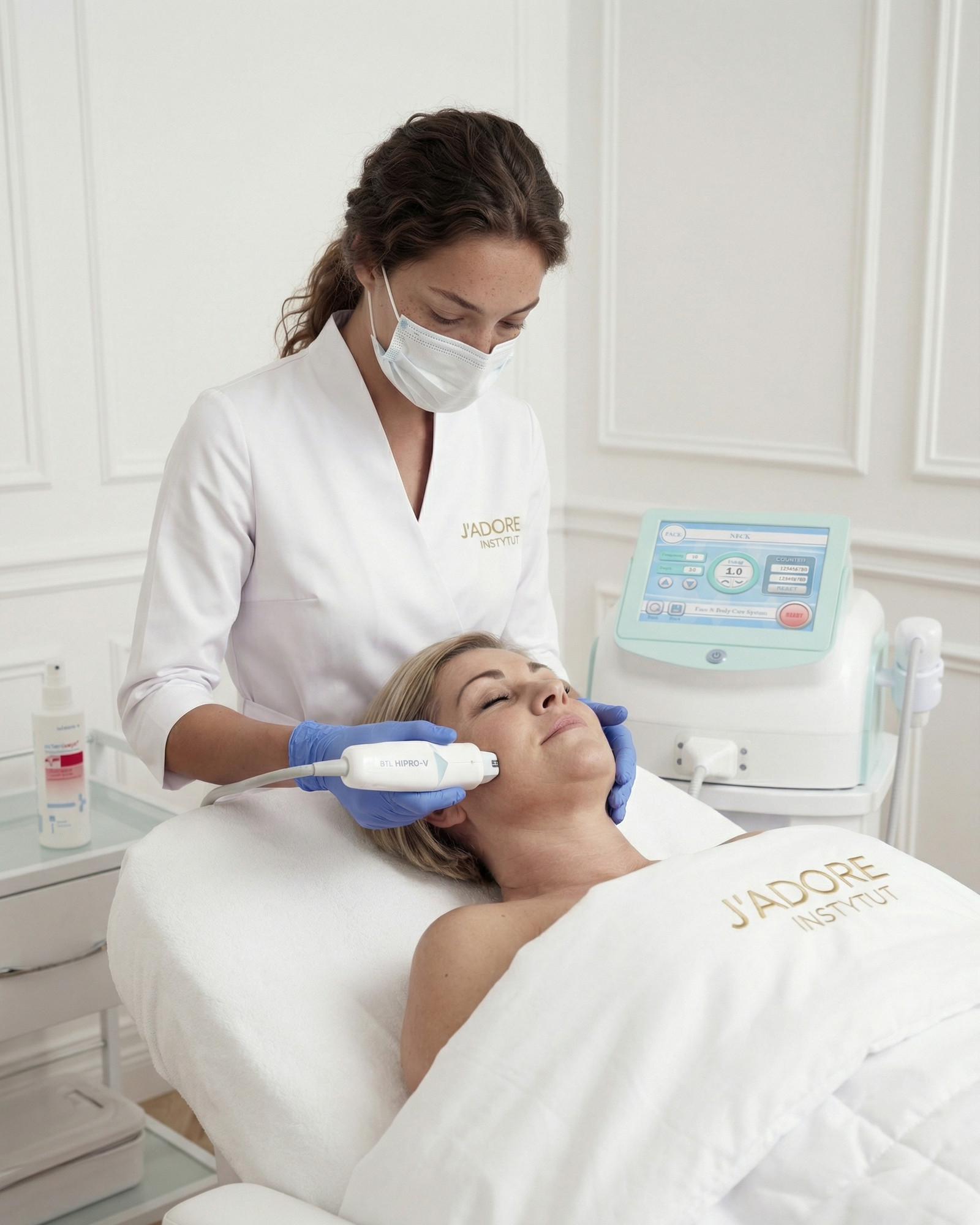
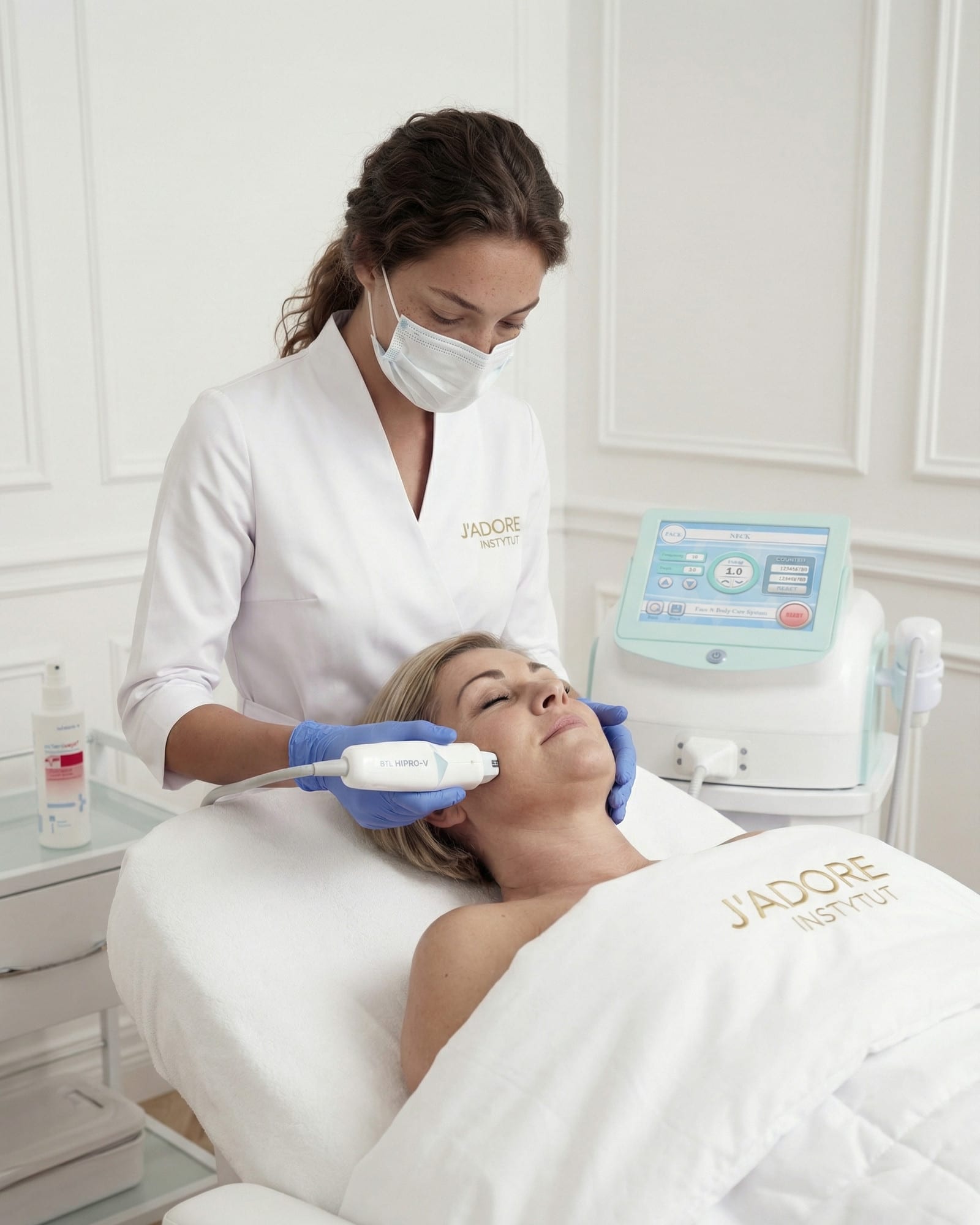
HIFU
focused ultrasound — deep lifting
- works on deep tissue layers, including the fascia (SMAS) — the same layer a surgeon operates on
- stimulates collagen production from within; the effect builds over several months
- can give a visible lift to the contour and cheeks for many people
- results often last a year or longer
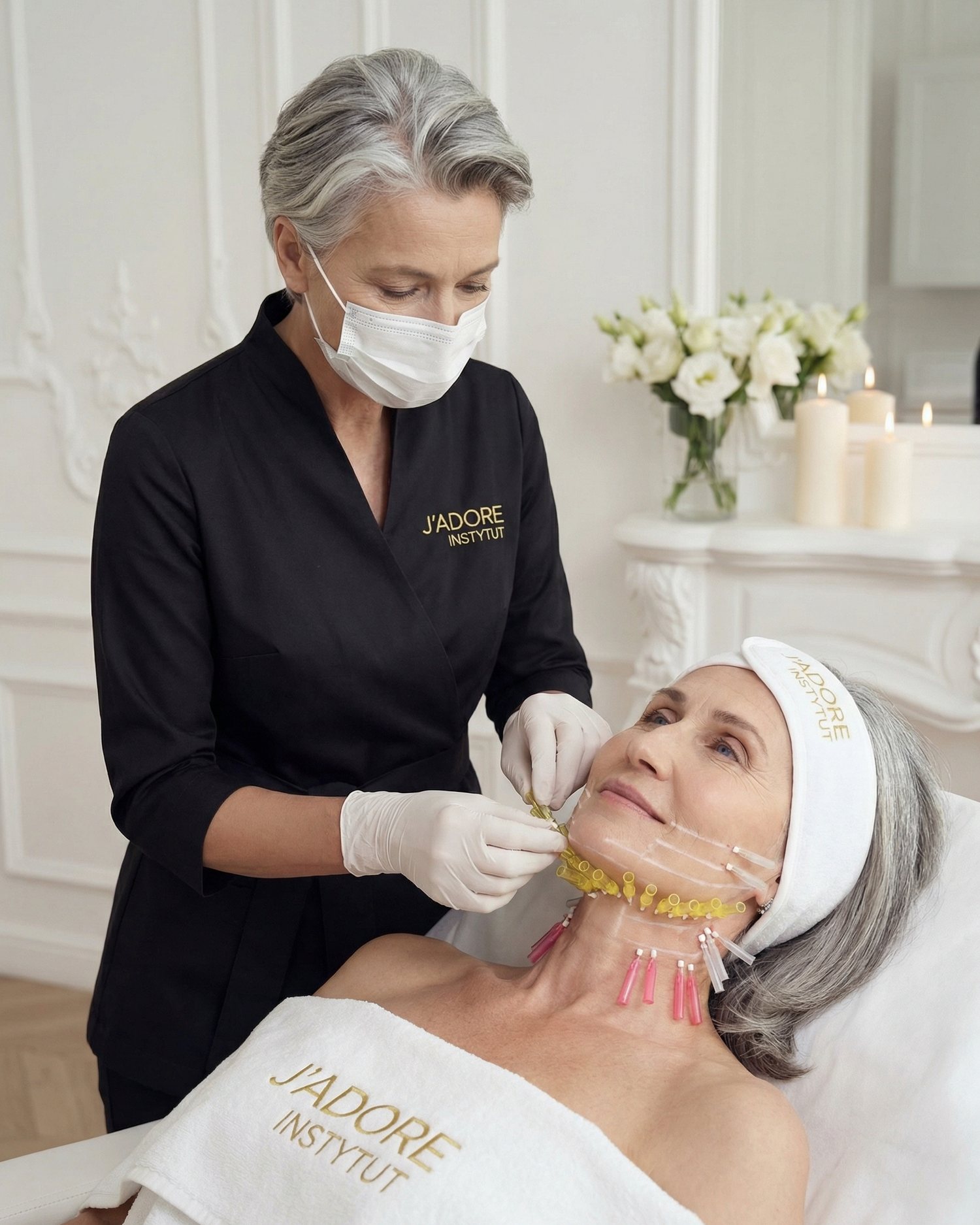
Lifting threads
mechanical tissue lift — immediate effect
- threads inserted under the skin mechanically "hook" and lift sagging tissue
- the effect is visible almost immediately after the treatment
- barbed threads (cog threads) hold longer — collagen surrounds the thread and reinforces the effect
- a good option for pronounced sagging, when speed of results matters
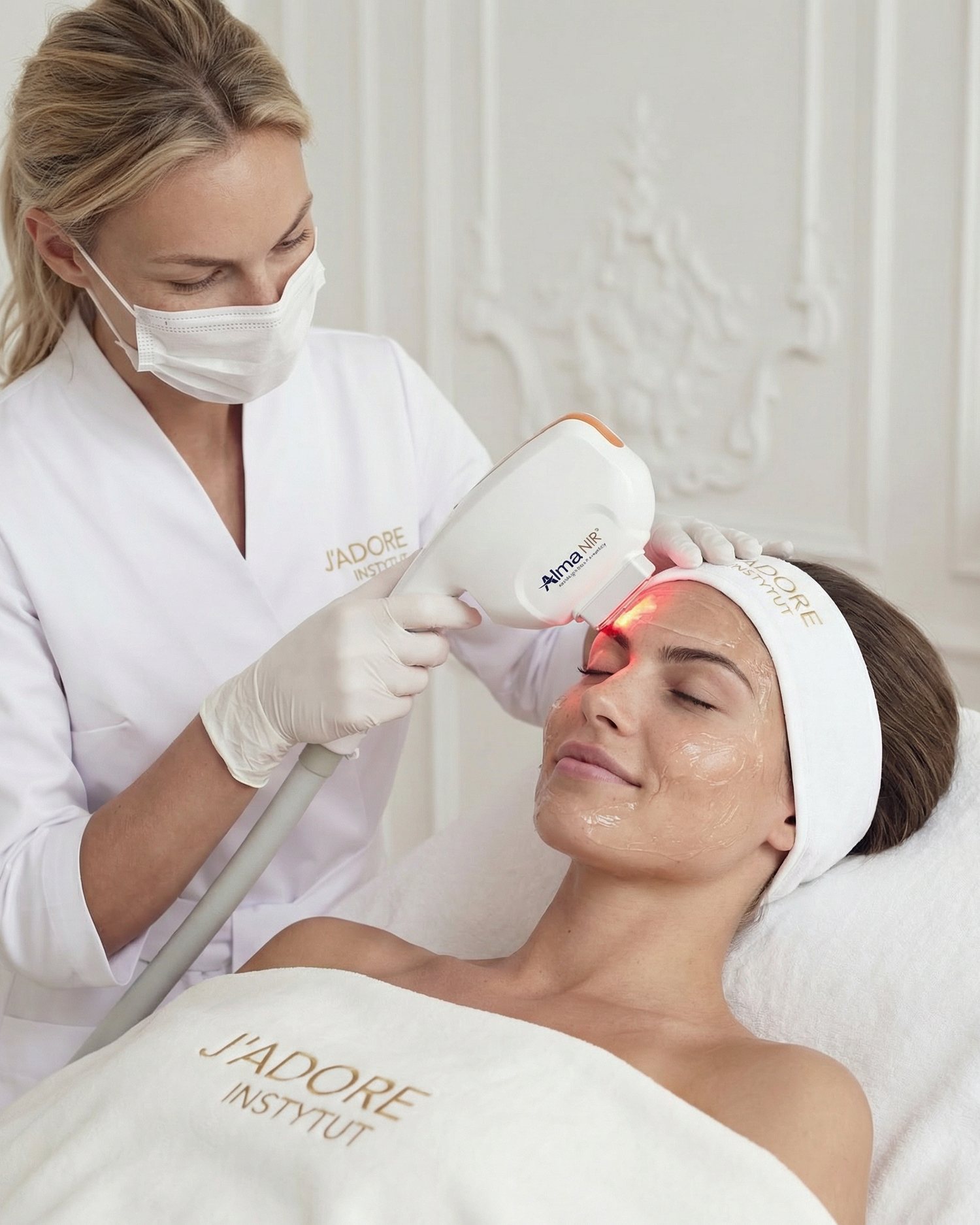
Thermolifting (RF)
radiofrequency — collagen remodelling of the dermis
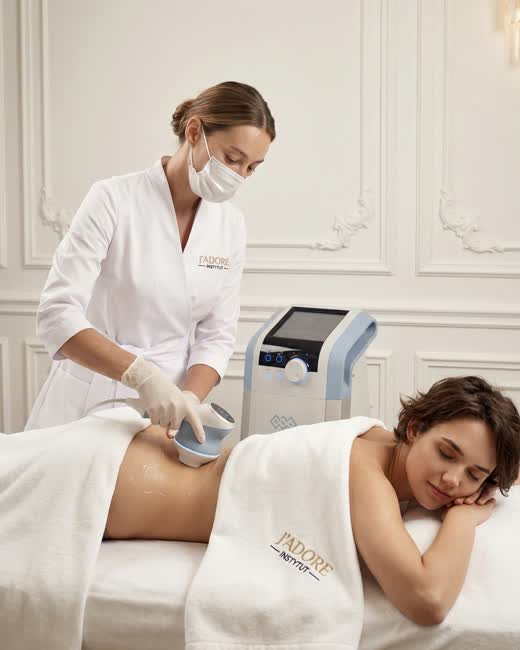
- radiofrequency energy heats the dermis, triggering tightening and stimulating new collagen
- improves skin quality and elasticity, reduces mild laxity
- a gentler lifting effect than HIFU — but often pain-free with zero downtime
- a series of sessions gives better results than a single session; can complement HIFU
How to work out which method suits your situation
Instead of asking "which is better", it helps to answer a few questions first. These largely shape the initial conversation with a doctor or cosmetologist — and help you avoid choosing a trendy method instead of the right one.
- You want results fast (an event, a special occasion) → lifting threads can give a visible result faster than other methods.
- You want a deep, gradual effect and don't mind that first results appear after a few weeks → HIFU is often described as one of the strongest non-surgical methods.
- Your skin is somewhat lax, but sagging isn't dramatic, and you want to improve its overall condition and firmness → thermolifting — on its own or as part of a wider plan.
- You have pronounced tissue sagging and want a lasting effect → consult a doctor, who will assess whether a single non-surgical method is enough, or whether it's worth combining several.
It's also worth remembering that skin age isn't always the deciding factor. People in their forties with good skin condition can achieve excellent results with HIFU, while someone younger with significant tissue sagging may respond better to threads. Skin condition, not age, is the starting point for the conversation with your doctor.
When these methods complement each other — rather than replace one another
An "either-or" split rarely reflects what actually happens in good practice. Many lifting plans draw on the synergy between different methods — because each one operates on a different layer and triggers a different kind of change. Combinations used by specialists include:
HIFU + thermolifting
HIFU reaches deeper and stimulates collagen in the fascia; thermolifting improves the condition and firmness of the dermis. Together, they can create a multi-dimensional effect — especially for mature skin.
Threads + HIFU
Threads give an immediate mechanical lift; HIFU stimulates deeper collagen remodelling. This combination can be used sequentially, with an appropriate interval between sessions.
Thermolifting as a complement or maintenance treatment
After HIFU or threads, a series of thermolifting sessions can help maintain the result — nourishing the dermis and stimulating collagen at that level.
HIFU + collagen biostimulators
HIFU works deep down, while biostimulators improve skin quality from within. The two are often combined for an overall renewal of the facial contour.
One question that clarifies everything
When you're facing a choice and don't know where to start, one question helps: "Is my issue a loss of firmness, a loss of volume, or skin quality?" With age, all three usually happen at once — but one is usually dominant, and that's the one that should determine the main method.
A sagging facial contour is a problem with solutions — but none of them work the same way in every situation. Choosing the right method isn't a luxury; it's what determines whether the treatment delivers the result you expect at all. It starts with an honest conversation at the salon — and with the questions worth asking before anyone suggests booking a date.