Why these two terms are so easily confused
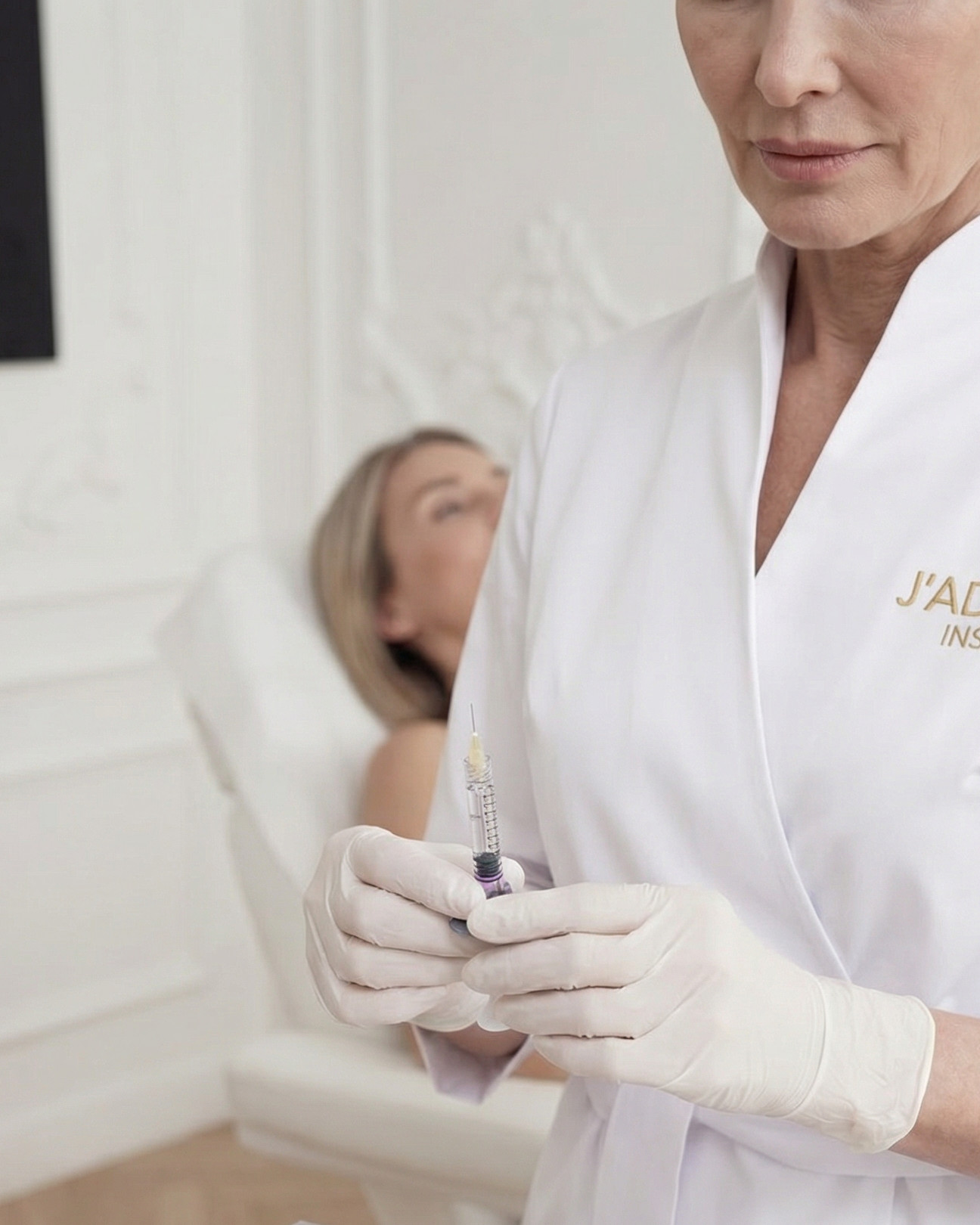
Aesthetic medicine uses the word "consultation" in two senses, and no one explains this clearly. The first is a brief initial chat — often by phone or email — covering contraindications, your concern, and when you can come in. The second is a medical consultation: an examination, a detailed medical history, a review of photos, a tissue assessment, a discussion of treatment options, and informed consent. These two meetings can happen in the same place, with the same person — but they are not the same thing. It isn't your fault if you confuse them. Some salons blur the line too, treating the first as if it were the second, and the other way round.
Six myths, one by one
Myth 1: "The consultation is just a formality before the treatment — I only need to say what I want." This is the most common, and the most costly, misunderstanding. A medical consultation isn't there to take your order. It's there so the doctor can assess whether the treatment is right, safe and realistic for you. That means examining your facial proportions, assessing your skin quality, and taking a history of medications, conditions, past treatments and expectations. The result is a treatment plan — one that may confirm your idea, adjust it, or suggest something entirely different, because anatomy sometimes tells a different story than intuition does.
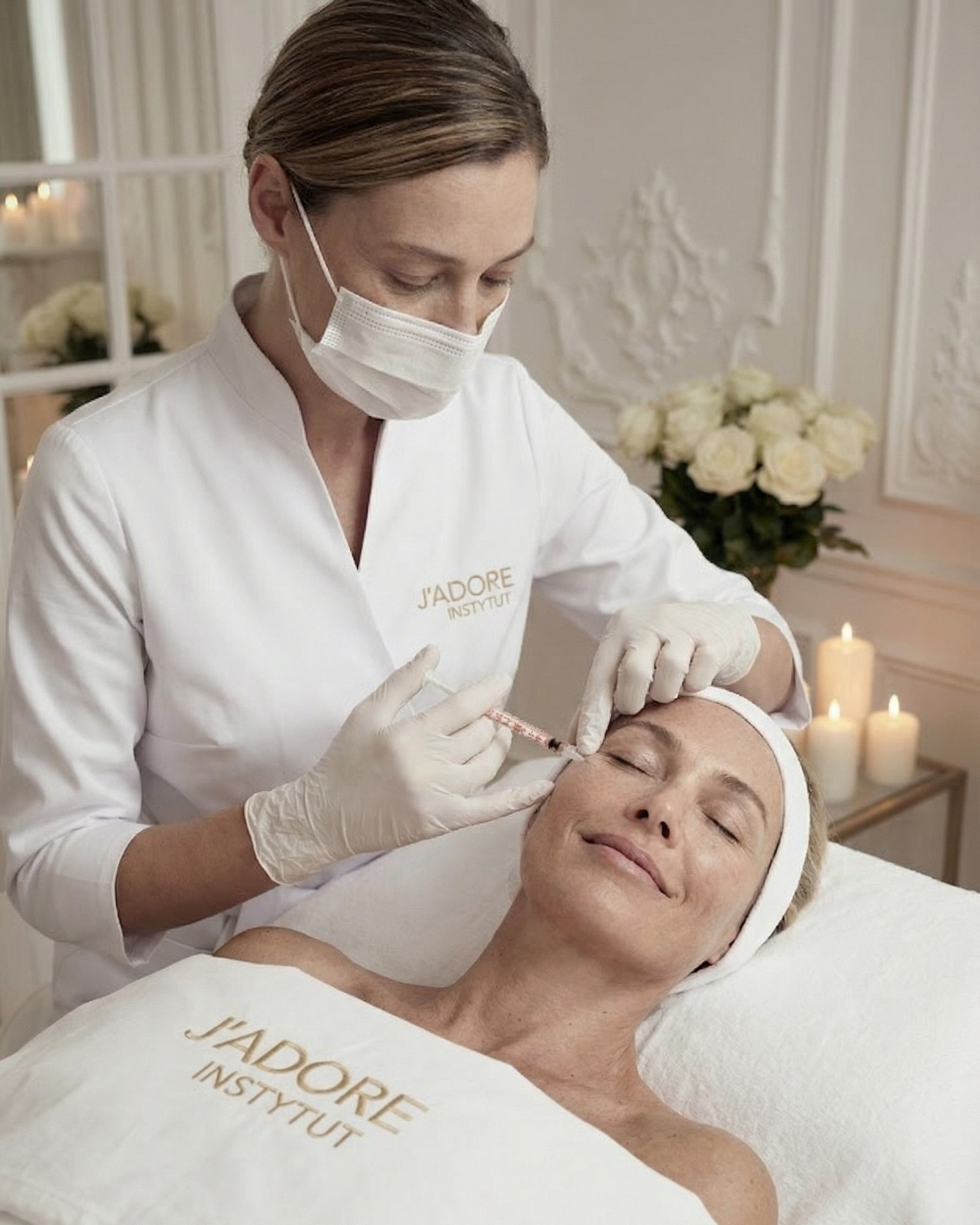
Myth 2: "Advice during the treatment is enough — the doctor will check everything along the way." A treatment session isn't the right moment for diagnosis. It's the right moment for carrying out a plan agreed on beforehand. A doctor holding a needle can't, at the same time, carefully assess the symmetry of your whole face, review your treatment history, or plan a sequence across several areas. The more complex the treatment plan, the more essential a separate consultation becomes — not just for ethical reasons, but for practical ones too.
Myth 3: "In a good salon, the consultation is free, so it must be superficial." The price of a consultation has nothing to do with its quality. Some salons include it in the cost of the treatment, others charge for it separately — either can mean a meeting of the highest standard. The warning sign isn't the price. It's the absence of an examination, and no room to say no to the treatment. If nobody asked about your medications during the consultation, nobody looked at your face in good light, and a date was booked straight away — that was a sales conversation, not a medical consultation.
Myth 4: "I have inspiration photos from Instagram — that's enough to tell the doctor what I want." Photos are a great starting point for a conversation, but they can't replace a consultation, for one simple reason: the result of a treatment depends on your anatomy, not someone else's. What looks natural on one face can look forced and overdone on another. The difference lies in bone proportions, fat distribution, skin tension, and treatments already carried out. The doctor looks at you, not at a photo — and that's exactly the value of a consultation.
Myth 5: "A consultation is only needed for major treatments — with Botox you can go straight in." Botox is a medicinal product and it acts on muscles, which means the dose, injection points and technique differ from face to face. Skipping the consultation before Botox doesn't save time — it risks the doctor choosing a dose and pattern of points without assessing your expression in motion, your symmetry, or what you genuinely want to avoid. A brief history and observation of your facial movement before the treatment are the minimum. "Let's just do it now" shouldn't replace that.
Myth 6: "If the doctor is good, the consultation is their responsibility — it doesn't concern me." A consultation is a two-way act. The doctor can ask the right questions, but you're the one who provides the information that determines safety: blood-thinning medications, supplements (a high dose of vitamin E or omega-3, for example), past autoimmune conditions, previous fillers done elsewhere, and plans for the coming months (a wedding, a holiday, pregnancy). If you don't mention these, even the best doctor is working with incomplete information.
What a good consultation actually includes
If there's one practical takeaway from this article, let it be this: a good consultation is recognisable by a few specific features. The doctor examines your face in good, even light — not at a desk under a dim lamp. They ask about medications, supplements and treatment history — not just "do you have any allergies?" They explain why they're proposing a particular treatment, and what the alternatives are. They tell you what they won't do, and why. They give you time for your questions — not zero minutes, not two minutes, but as long as it takes. And at the end, they propose a concrete plan, with a sequence if several steps are planned.
For women and for men — the same questions, different answers
A medical consultation looks similar from the outside for women and for men — but what happens in it can differ a great deal. Women most often arrive with a specific concern (a wrinkle, a sagging cheek, the lips) and a well-defined visual expectation. The consultation then focuses on whether that concern has a single cause or several overlapping ones, and which sequence of treatments will give a lasting, natural result. Life plans matter too: pregnancy, a wedding, surgery planned for the future — because a good plan takes into account what will be happening with your face in six months, not just today.
Men more often arrive with a very specific, functional problem: jaw pain from bruxism, excessive sweating during presentations, a tired look at meetings. The consultation then focuses less on aesthetics and more on the mechanism of the problem, and on whether a medical treatment is the right solution. It isn't a less important consultation — it's simply a different conversation. Men often appreciate it more when the doctor says directly: "this can be fixed", "this is beyond the scope of the treatment", "this needs several visits". Specifics, a plan, a date — no beating about the bush.
Before you book a treatment — one step that changes everything
The most useful shift in thinking: treat the consultation as an investment, not a box to tick. It's the only moment in the whole process when you're with the doctor purely to talk — no product, no needle, no pressure. You can ask questions you'd feel awkward asking "during the treatment". You can say you're afraid of pain, that you're worried about natural-looking results, that you went to another salon and something concerned you. The consultation is a safe place for these conversations — which is exactly why it isn't worth skipping or shortening.
Not every treatment needs lengthy preparation. But every patient — especially a new one — deserves a meeting where someone genuinely listens, looks at their face, and says: "here's what I see, here's what I propose, here's what I can promise you, and here's what I can't." The rest is simply precision of execution. Together, these two things produce results you can genuinely be happy with.