Two professions, two scopes — what practice tells us
Before we name specific peels, it's worth settling one point: the division between a cosmetologist and a doctor isn't about prestige. It's about scope of practice and how deep into the skin a treatment reaches. A cosmetologist is a qualified specialist — a graduate of a bachelor's or master's programme in cosmetology — who works on the epidermis and the shallower part of the dermis. An aesthetic medicine doctor operates deeper and has the competence to treat, not just to care for the skin.
Cosmetologist
epidermal and superficial peels
- Fruit acids (AHA): mandelic, lactic, glycolic — at lower concentrations
- Salicylic acid (BHA) — anti-acne and tone-evening peels
- Enzymatic peels (papain, bromelain)
- Light mechanical and exfoliating peels
- Treatments that work on the epidermis and its stratum corneum
Aesthetic medicine doctor
medium and deep peels
- TCA (trichloroacetic acid) — medium- and deep-depth peels
- Phenol — the deepest class of peel, full treatment for scars and wrinkles
- High concentrations of AHA/BHA acids, beyond the cosmetology scope
- Retinol in Rx-strength preparations, and peels combined with medical procedures
- Peels on areas affected by disease (burn scars, active psoriasis)
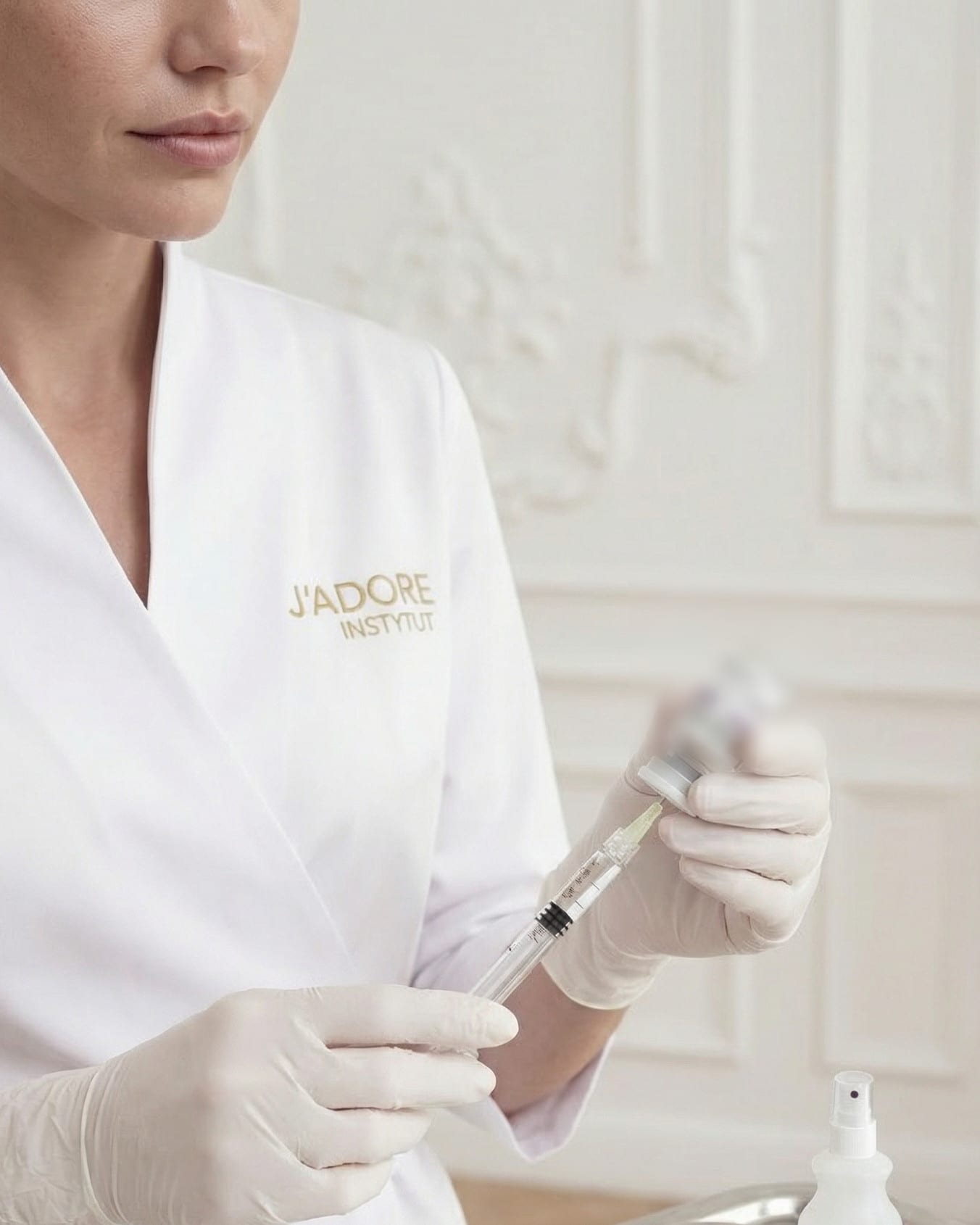
How to tell which specialist is right for you
Instead of asking "is this a medical peel", it's worth asking: "what am I trying to achieve, and how deep is the problem I need to solve?" These are two different questions, and they lead to two different clinics.
- Sun-related hyperpigmentation, uneven skin tone, early signs of ageing, dull skin → a cosmetologist and a series of acid peels are very often enough. Results can be visible after a few sessions.
- Shallow acne scars, skin prone to blackheads, enlarged pores → an experienced cosmetologist with access to salicylic acid and retinoic peels (within the cosmetology scope).
- Deeper acne scars, visible static wrinkles, sun damage that requires treatment → an aesthetic medicine doctor, who will match the depth of the treatment to the actual condition of your skin.
- Inflammation, active acne, skin conditions (psoriasis, atopic dermatitis) → see a dermatologist first. A peel comes only once the skin condition has stabilised.
There's one rule that always applies: if you're unsure how deep your skin concern goes, or whether it falls under "cosmetology" or "medicine" — start with a medical consultation. A doctor can refer you to a cosmetologist; a cosmetologist shouldn't treat an area that requires a diagnosis.
When cosmetology and medical peels work together
The best results for extensive hyperpigmentation, photochemical ageing or multi-layered scarring often call for a plan that combines both levels of specialist. There's no fixed formula here — it depends on your skin and your goal — but the underlying logic is predictable:
- 01
Consultation & diagnosis
An assessment of how deep the problem runs, your treatment history, your current skincare routine and any contraindications. This can be done either by a cosmetologist (for shallower cases) or a doctor (for deeper or multi-layered ones).
- 02
Series of cosmetology peels
Preparing and gradually evening out the skin with AHA/BHA or enzymatic acids. This strengthens the skin barrier, evens out tone and prepares the skin for a possible deeper treatment.
- 03
Deeper medical treatment (if indicated)
A TCA peel or other therapeutic treatment, performed by a doctor when the cosmetology series doesn't give sufficient results, or when the problem calls for deeper intervention from the start.
- 04
Maintenance care
Regular cosmetology treatments that maintain the result — once every few weeks or months, matched to your skin's rate of renewal.
Acid peel + mesotherapy
Acids exfoliate the epidermis, while mesotherapy delivers active substances to deeper layers — together, many people find this gives a clearer, more even skin tone and better hydration.
Peel + laser treatment for hyperpigmentation
A series of peels can prepare the skin for laser treatment of deeper hyperpigmentation. Your doctor sets the order and the interval between sessions.
Peel + hyaluronic acid (biostimulation)
After a deeper peel, your skin may benefit from hydrating, stimulating support — in the form of hyaluronic acid treatments or a biostimulator, once healing is complete.
How to choose the right place for your treatment
The name "aesthetic medicine clinic" alone says nothing about the qualifications of the person performing the treatment. When choosing where to go, a few specific questions help:
- Who performs the treatment? — Ask about the specialist's training. A cosmetologist should hold a cosmetology degree; a doctor should hold a licence to practise medicine, plus a specialisation or completed aesthetic medicine courses.
- Is there a consultation before the treatment? — A reputable salon always asks questions first: about medication, allergies, active skin changes, expectations. No consultation is a warning sign.
- Are the products medical grade? — Reputable salons work with certified products, with documented composition and concentrations. If you ask "what are you using", you should get a specific answer.
- What happens after the treatment? — The salon should give you aftercare instructions and be available if your skin reacts. If you leave without any information, that's a gap.