Two peels, two completely different mechanisms
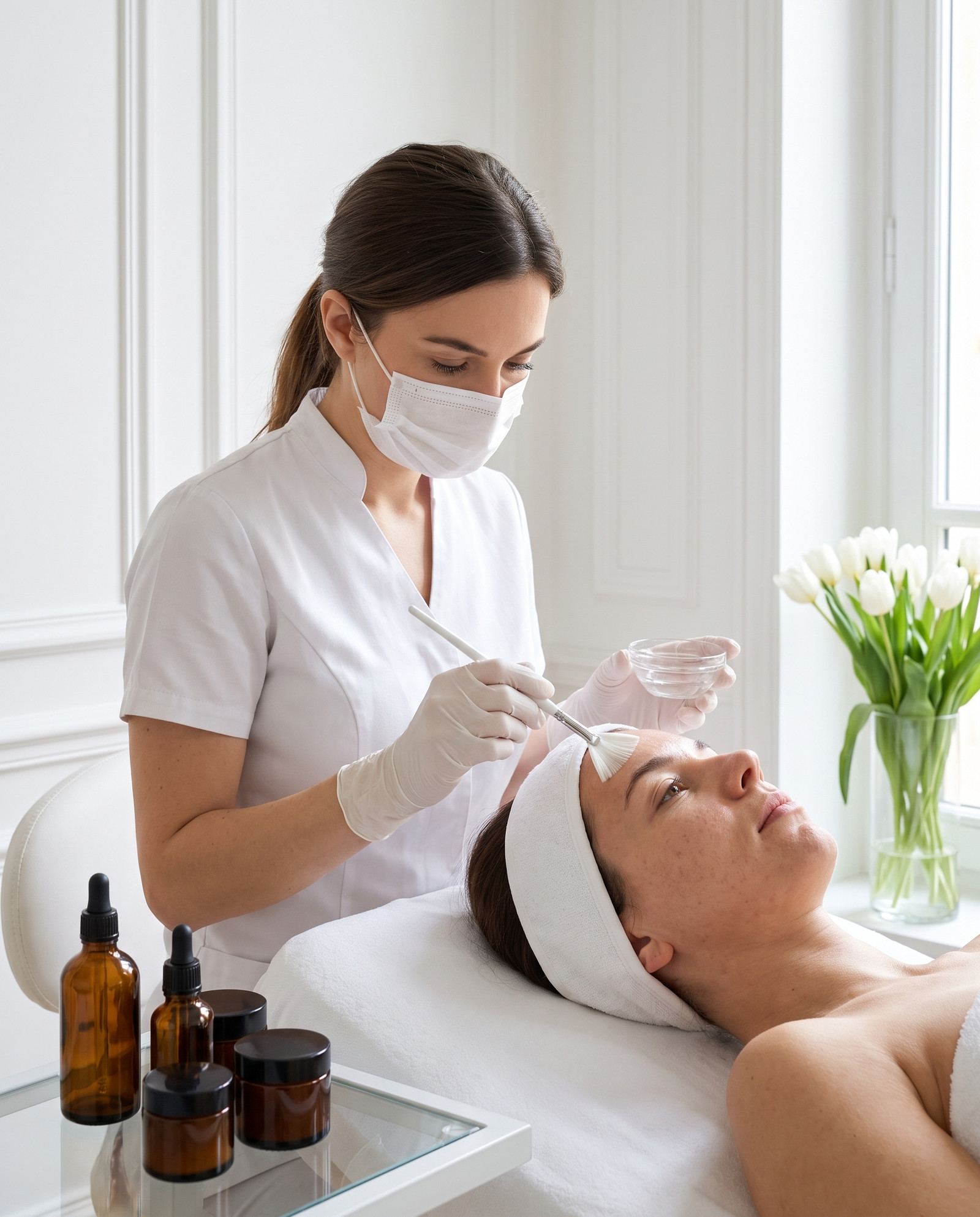
Let's start with the mechanism, because that's where the biggest difference lies. Retix C is a peel based on vitamin C and fruit acids. It works through controlled exfoliation of the stratum corneum. The old, damaged layer is removed, and the skin responds with accelerated renewal. The result is brighter, more even-toned skin with improved texture — visible within a few days, once the exfoliation is complete. PRX-T33 takes a completely different approach. The formula penetrates into deeper layers of the skin without disrupting the surface. The skin doesn't peel, and it doesn't need the same degree of sun protection as classic peels. Instead, it works intensively from within, stimulating fibroblasts to produce collagen and elastin.
Retix C
Exfoliates and brightens the surface
- Sun-induced pigmentation, dark spots, uneven skin tone
- Dull, grey skin in need of refreshing
- Fine surface lines and uneven texture
- Preventive anti-ageing care from age 25+
PRX-T33
Regenerates the skin without peeling
- Laxity, loss of firmness, wrinkles caused by collagen loss
- Acne scars and stretch marks
- Skin recovering after laser treatments or strong peels
- Anyone who can't allow time for visible peeling
How to identify what your skin needs — a quick guide
Before you decide, ask yourself one question: is the problem "on the surface" or "deep down"? This simple distinction sets the right direction for your conversation with a cosmetologist.
- I see pigmentation, uneven tone, greyness, dullness — this is a surface-level signal. The epidermis is tired and needs renewal. Direction: Retix C (exfoliation + brightening).
- My skin is lax, it's lost firmness, I have wrinkles that come "from deeper down" — this signals a problem below the epidermis. Direction: PRX-T33 (collagen and elastin regeneration).
- I have acne scars or stretch marks — here, what matters is rebuilding skin structure from within. Direction: PRX-T33 (series of sessions).
- I want to prepare for an important event, but I can't have visibly peeling skin — Direction: PRX-T33 (zero downtime).
- I have both problems at once — direction: a series combining Retix C and PRX-T33, spread out over time. The order and intervals are decided by your cosmetologist.
It's also worth remembering that the season matters. Retix C is more often carried out in autumn and winter — after the treatment, skin is more sensitive to sun and SPF becomes essential, not optional. PRX-T33 is gentler in this respect, which makes it a more popular choice in summer — though sun protection is always required.
What's in the formula — no numbers, but plenty of sense
We won't go into concentrations — that's a job for the specialist, who selects them individually. But it's worth understanding the philosophy behind the formula, because that explains the results.
When it's worth combining them
Retix C and PRX-T33 aren't mutually exclusive. Quite the opposite — for many people, they complement each other, because they work at different levels of the skin. The logic behind combining them is simple: renew the surface first, then strengthen the structure. Or the other way round, depending on your skin's priority.
Retix C → PRX-T33 (series)
Retix C refreshes the epidermis and evens out skin tone, then a series of PRX-T33 sessions rebuilds collagen in the dermis. The result is a double effect: brighter, denser, firmer skin.
PRX-T33 → Retix C (as a finishing touch)
For skin that needs mainly regeneration: a series of PRX-T33 sessions rebuilds structure first, and Retix C "finishes" the effect — evening out skin tone and brightening pigmentation.
Retix C + needle mesotherapy
After a peel refreshes the epidermis, mesotherapy delivers active ingredients deeper. A popular combination before important events and within anti-ageing programmes.
PRX-T33 + platelet-rich plasma (PRP)
Collagen regeneration from the outside (PRX-T33) and from within (your own growth factors). Often recommended for acne scars and noticeable loss of skin density.
There's one firm rule: your cosmetologist decides on combinations, their order and the intervals between sessions — after assessing your skin's condition and current sensitivity. Not every combination suits everyone, and not every skin can handle an intensive series without breaks.