What hot candle massage actually is — no sugar-coating
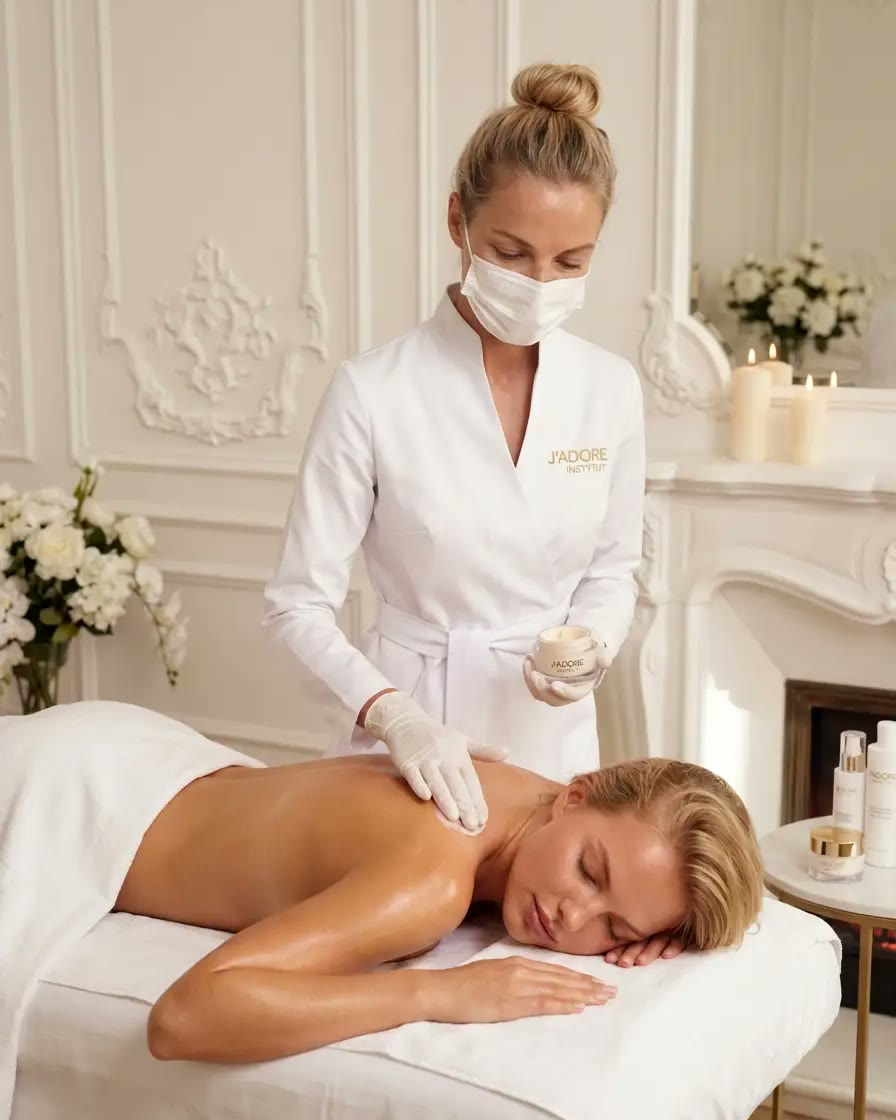
Forget the association with a romantic candle from Ikea. A massage candle is a specific formula — it blends soy or coconut wax with oils (such as almond or jojoba) and nourishing ingredients. It melts at a low temperature, well below the pain threshold. When the therapist tilts it, the melted formula flows onto your skin and feels warm for a moment, but it doesn't burn — the sensation is comparable to dipping your hand in warm water.
Heat penetrates the tissue more deeply than a cold oil massage. Muscles respond faster to manual work — tension that normally takes a long time to release eases more quickly for many people. After the massage, the wax is worked into the skin rather than washed off immediately — so skin stays hydrated and smooth. This isn't a beautifying treatment. It's physical work on the tissue, using heat as the tool.
Who it's for — specific cases
Hot candle massage isn't for everyone, and for good reason. For men, it works well in a few specific situations:
- Chronic shoulder and neck tension. Desk work, screens, driving — for many men, the shoulders stay "hunched" for most of the day without them even noticing. The candle's heat reaches places where dry hands from a therapist work harder to access.
- Dry, hardened skin. Especially on the back, arms and elbows — areas usually ignored in daily skincare. The oil-infused wax can improve hydration for several days after the treatment.
- A reset after an intense week. This isn't about skincare — it's about finally letting your mind disconnect from the to-do list. Heat and manual work engage the nervous system's "switch off" mode, which for many people works faster than a sauna or shower.
- Muscle recovery after physical exertion. If you train regularly, heat-based massage can support muscle relaxation and circulation after an intense week. It doesn't replace physiotherapy — but as part of your recovery routine, it makes sense.
Spa isn't quite the right word — but relaxation is
Hot candle massage
what heat adds
- heat penetrates tissue more deeply than cold oil
- muscles respond faster to manual work
- skin stays hydrated after the treatment
- relaxation effect is often faster than with a classic massage
Classic oil massage
mechanics without heat
- full control for the therapist over pressure and technique
- good for precise, targeted work
- wide range of techniques (deep tissue, sports)
- no thermal risk (for very sensitive skin)
The difference is simple: heat is a tool, not a decoration. If you have chronic tension and want a faster relaxation effect, the candle has a clear physical advantage over classic oil. If you need precise, targeted work, or have sensitive skin, a classic massage may be the better choice.
What to expect during your visit — no surprises
- 01
A short chat
Your therapist asks about tension, skin condition and any health limitations. No lengthy forms — just a few specific questions.
- 02
Warm-up and classic techniques
The massage often starts with classic hands-on work to prepare the tissue and assess tension before introducing heat.
- 03
The candle comes into play
Melted wax flows onto your skin from a small height — warm, not hot. Your therapist immediately works it in with their hands, massaging the heat into the tissue.
- 04
Working with warm wax
Muscles respond differently in the heat — tension often "lets go" faster. This is the main phase of the therapist's work.
- 05
Finishing and hydration
The wax is worked into the skin rather than washed off immediately. Your skin absorbs the oils. You can stay for a moment before getting up.
You don't have to say anything during the session. You can fall asleep — it happens, and no one minds. There's no obligation to "experience" anything. Your body does its thing, your therapist does theirs, and you — if you want — can simply step out of "available" mode for a while.

Will one visit actually do anything?
An honest answer: for many people, a single visit makes a noticeable difference — but it's not a permanent reset. Tension that's built up over weeks doesn't disappear in one session. The effect of a single massage is usually a few days of relief, noticeably better mobility in the neck and shoulders, and — for many people — better sleep for several nights afterwards.
If you want more than a one-off breather, regular visits every 3–4 weeks make sense. Your body starts to "remember" the state of relaxation, and tension returns more slowly. It's not magic — it's the mechanics of muscle tissue responding to repeated work.
Candle massage and other treatments — what to combine it with
Hot candle massage works well alongside other treatments — both for relaxation and body care:
Classic massage
A combination of work with and without heat — your therapist can alternate between classic techniques and the candle, adapting the tool to specific areas of the body.
Body scrub
Exfoliating before the massage helps skin absorb the candle's nourishing ingredients more effectively. Worth considering especially if your goal is to improve skin condition.
Sauna / infrared
Heat before the massage pre-relaxes the muscles. If you're using a sauna at the same location, let your therapist know so they can adjust the intensity of the work.
Sports / recovery massage
For physically active men — candle massage as a complement to deeper recovery work after a week of training.