Why bridal make-up has its own rules
Before getting into the details, it is worth understanding what you are really facing on your wedding day. It is not just an “important event”. It is several hours of intensive wear in demanding conditions: changing temperatures, photography in every type of light and emotions that can surface at the least expected moment. You are also fully exposed — to guests, cameras and the photographer’s telephoto lenses.
Evening make-up
For a few hours, in one type of lighting
- 4–6 hours of wear is enough
- One type of lighting (a club, restaurant)
- Minor imperfections do not matter
- You can touch up between activities
Bridal make-up
For the whole day, in every type of lighting
- 10–14 hours of wear without touch-ups
- Natural daylight, photographer’s flash, venue lighting
- Every detail is visible in close-ups
- It must withstand tears, dancing and summer heat
This difference has one practical implication: bridal make-up needs to be tested. Not simply seen in the mirror, but checked after 8 hours. You need to see how it looks in photographs and whether it matches your vision. That is precisely the role of a make-up trial.
Make-up trial — what it is and why it is an essential step
A make-up trial is a separate, dedicated appointment with your make-up artist — held a few weeks or months before the wedding. It is not a half-hour session “to see how it looks”. It is a full session: discussing your vision, creating a specific version of the make-up, assessing it in different lighting and making any adjustments. It is not a luxury option — it is the foundation.
After the trial, give yourself a few days to assess the make-up with a clear mind — without the emotions of the moment or the pressure of your make-up artist being there. Look at the trial photographs in the evening and again the following morning. Consider what you like, what you would like to change and what was perfect. Then send your artist your feedback — the trial is there to help you calmly develop a version you can wear on your wedding day without hesitation.
Skin care before the wedding — timeline
A make-up artist can work wonders — but only with a solid base. Nourished, hydrated and even skin takes make-up very differently from dehydrated skin or skin with altered texture after an unsuitable last-minute treatment. That is why pre-wedding skin care is not an extra for perfectionists. It is the foundation that determines how well your make-up lasts.
- 01
3–6 months before the wedding
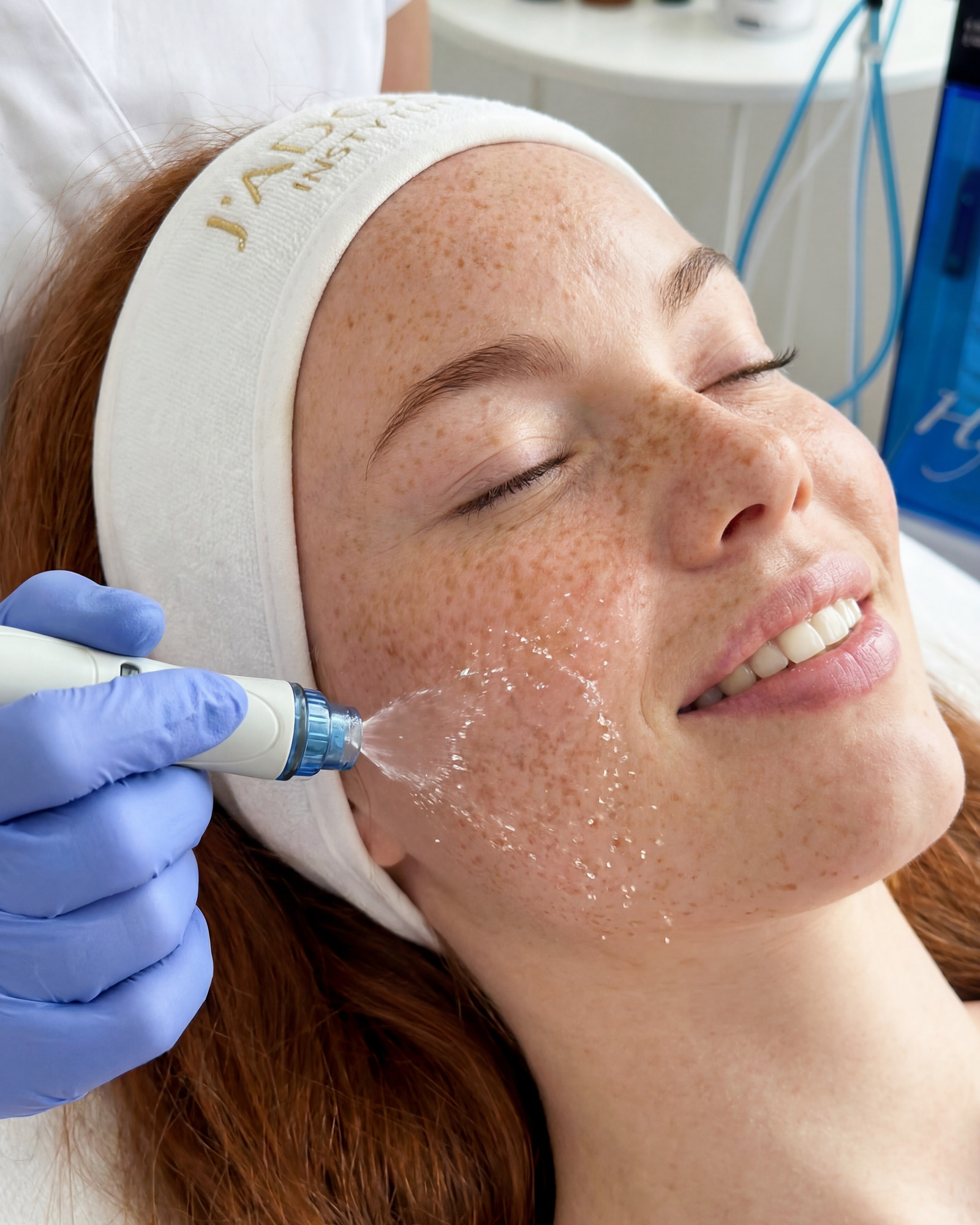
This is the time for treatments that improve skin condition: hydrating series, treatments that even skin tone and improve texture. If you have a specific concern, such as enlarged pores, hyperpigmentation or excess sebum production, this is the window when it can be addressed effectively. Treatments need time to work.
- 02
4–6 weeks before the wedding
Your make-up trial — plan it within this window, when your skin is already in good condition after a series of treatments. After the trial, you have time to provide feedback and adjust the plan without pressure.
- 03
2–3 weeks before the wedding
Your final “larger” treatment (for example, a deeper peel or mesotherapy) — skin needs time to settle before the big day. Afterwards, your skin should rest and be ready for make-up.
- 04
One week before the wedding
Brow hair removal and brow styling — not on your wedding day, as the skin needs 3–5 days to calm after any irritation. Many brides forget this and schedule hair removal for the day before — which risks redness.
- 05
2–3 days before the wedding
Hydration and rest. Drink plenty of water and use gentle skin care with familiar products only. Do not experiment with your skin. If you have a trusted hydrating routine, stick to it.
- 06
The morning of your wedding
Cleanse and prepare your skin for make-up — avoid serums with heavy oils, as they cause primer to slip. Apply a gentle hydrating moisturiser at least 20 minutes before make-up begins, so it can absorb. Do not experiment with new skin care, even if you received something as a gift.
Your wedding-day plan — how to organise the morning without rushing
Most wedding-morning stress comes from one thing: an overly tight schedule. Bridal make-up with the whole group present — bridesmaids, your mother and sister — always takes longer than an inexperienced person expects. Something also always takes longer than planned. Your morning plan should therefore include built-in buffers, with a logical order of events.
What NOT to do — a bride’s list of pitfalls
A series of familiar mistakes can be just as damaging as poor make-up. Even highly organised brides make them. Go through this list in advance — it takes 10 minutes to read and may save you a great deal of stress.
Does this sound like detail? It is — until your wedding day, when each point suddenly becomes very real. A list checked a week beforehand does more than the best intuition on the day of the ceremony.

Brows — the underestimated frame of the face
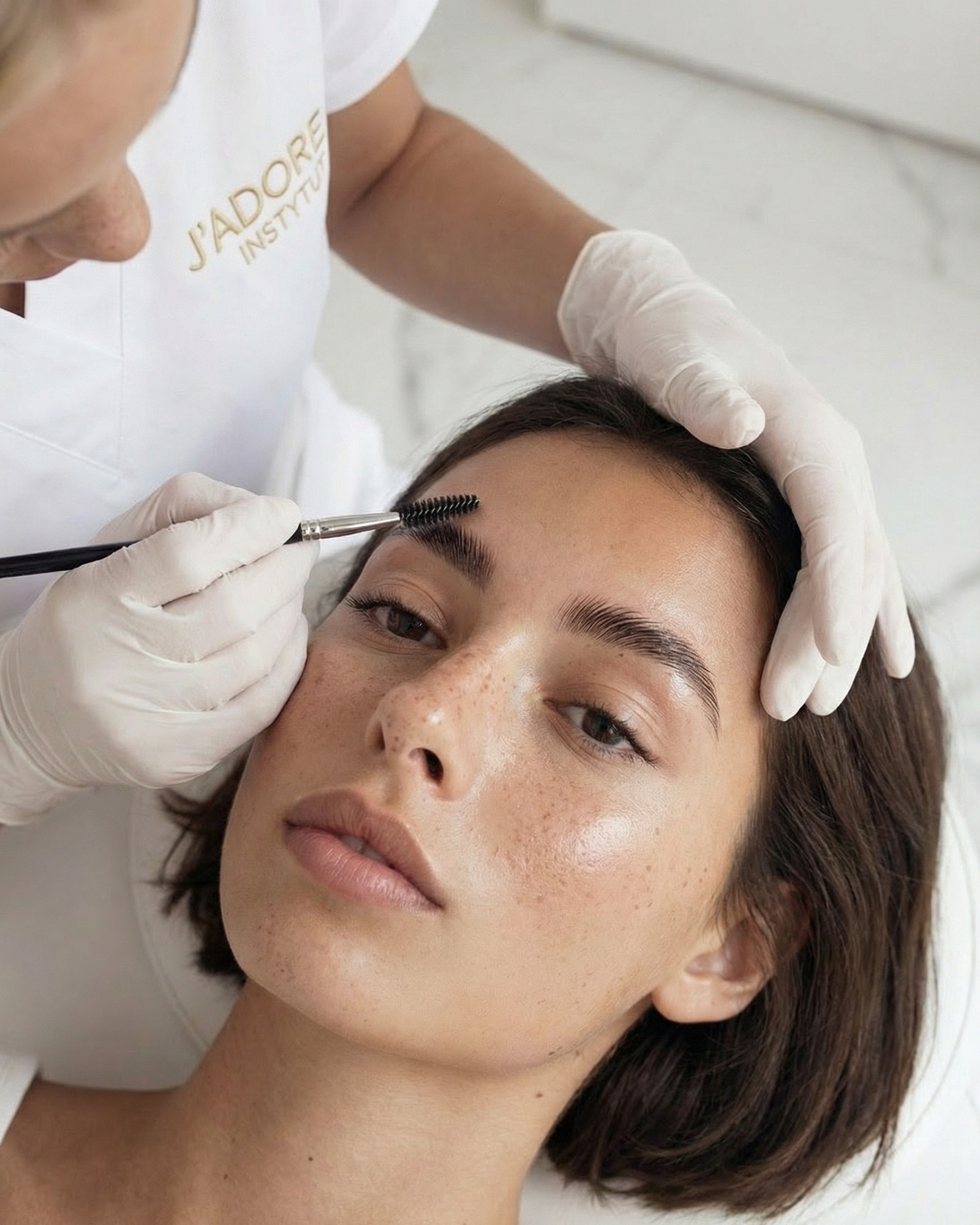
In conversations about bridal make-up, brows tend to appear somewhere near the end, between the veil and the garter. Yet brows determine how well make-up “holds” the face in photographs. Well-shaped, filled and groomed brows make even delicate make-up look complete and refined. Neglected brows can blur even the best-executed look.
- Brow shape should suit your face shape — not an Instagram trend. Talk to your brow stylist about proportions, not only fashion.
- Filling with lamination or henna can make a difference, especially if your brow hairs are fine or sparse.
- Timing: brow hair removal and shaping — at least one week before the wedding. Brow lamination — 5–7 days before. Brow henna — 3–5 days before, so the colour can settle.
- Brows at your trial — ask to have your make-up trial after brow shaping, not before. Your make-up artist should see the final shape to tailor the eye make-up.
Brow lamination + shaping
A classic pre-wedding pairing: lamination gives shape and direction, while shaping defines the arch. Together, they create naturally perfect-looking brows that do not need strong filling during make-up.
Brow henna + styling
For fair, reddish or blonde brows — henna deepens the colour and creates the appearance of fuller brows. Bridal make-up on brows prepared this way has a more defined effect with minimal product.
Brow waxing + mapping
Mapping is the precise measurement of brow proportions in relation to your facial features before hair removal. It is especially worth requesting before a wedding — the result is symmetrical and tailored, not approximate.
When and who to choose — selecting a bridal make-up artist
A bridal make-up artist is not simply “a good make-up artist”. They are a specialist with wedding photography experience, knowledge of long-wear products and a calm manner that helps even on a busy morning. Start your search early. Not because “everyone is booked”, but because you need time for a trial, feedback and any changes to your plan.
- When to look: 6–12 months before the wedding for a spring or summer date, during peak season. For autumn or winter, 3–6 months is enough.
- What to check in the portfolio: wedding photos, not studio shoots. Look at the skin after several hours — does the make-up still look like make-up, or has it started to “melt”?
- A trial before deciding: do not book without a trial. Your connection with the make-up artist and their understanding of your vision are as important as technique.
- Ask about experience with your skin type: atopic, acne-prone or mature skin — each type requires different products and techniques. A good make-up artist asks rather than guesses.
- Agree in advance: the working arrangements on your wedding day, the list of people having make-up done, touch-up products and the exact schedule.