Is it really a problem — relax, it's biology
Let's start with something nobody often tells a teenager directly: enlarged pores and uneven skin texture during puberty are biologically normal, not a sign of neglect or something to worry about. When hormones kick into gear, the sebaceous glands produce far more sebum than needed — and sebum, by clogging pore openings, stretches them and makes skin look "thicker" and less smooth.
This means texture alone isn't a warning sign — it's part of a process nearly every teenager goes through to some degree. The question worth asking isn't "is this normal", but: is the skin being cared for, is it getting worse despite that care, is inflammation appearing? These observations lead to a conversation with a cosmetologist, not to panic.
Why pores enlarge — three mechanisms
"My pores are too big" — we hear this often, but different causes can sit behind that general statement. The distinction matters in practice, because different things help with excess sebum, different things help with dead skin build-up, and different things again help with dehydrated skin, which paradoxically produces even more sebum. So before reaching for any solution, it's worth knowing which scenario applies.
Excess sebum
Pores stretched from within
- Skin shines quickly after washing
- Blackheads return despite regular cleansing
- T-zone dominates — shiny nose and forehead
Dead skin cells
"Grainy" or rough texture
- Skin looks dull, as if "dusty"
- Moderate sebum, but uneven surface
- Foundation doesn't sit smoothly, gathers on texture
Skin dehydration
Paradox: dry skin, large pores
- Skin feels tight, sometimes "flaky", yet still shines
- Over-cleansing or aggressive exfoliating products
- Pores look larger because skin is taut and thin
In practice, we often see a combination of two or three scenarios — and that's when acting "at random" backfires. A consultation with a cosmetologist before the first treatment genuinely makes sense here — it's not just a formality.
Step by step — how to approach this wisely
Microdermabrasion is neither the first nor the only step. Before we get there, it's worth covering the fundamentals — and for many teenagers, it turns out a salon treatment isn't even needed. But if the basics are in place and the skin still causes problems — it's a very reasonable option to consider.
- 01
Step 1 — Basic skincare: gentle, consistent
Before anything else: a detergent-free cleanser, a light moisturiser, SPF in the morning (yes — even at 14). Teenage skin is often irritated by harsh "anti-oil" products — and responds with... even more sebum production. Three steps in the morning, two in the evening, at least 4–6 weeks of observation.
- 02
Step 2 — Gentle at-home exfoliation (if skin tolerates it)
A low-strength salicylic acid or an enzyme peel once a week can be enough to improve texture. Important: exfoliating without moisturising damages the skin barrier, so we always pair these two steps. During active inflammation, we hold off on exfoliation until it settles.
- 03
Step 3 — Consultation with a cosmetologist
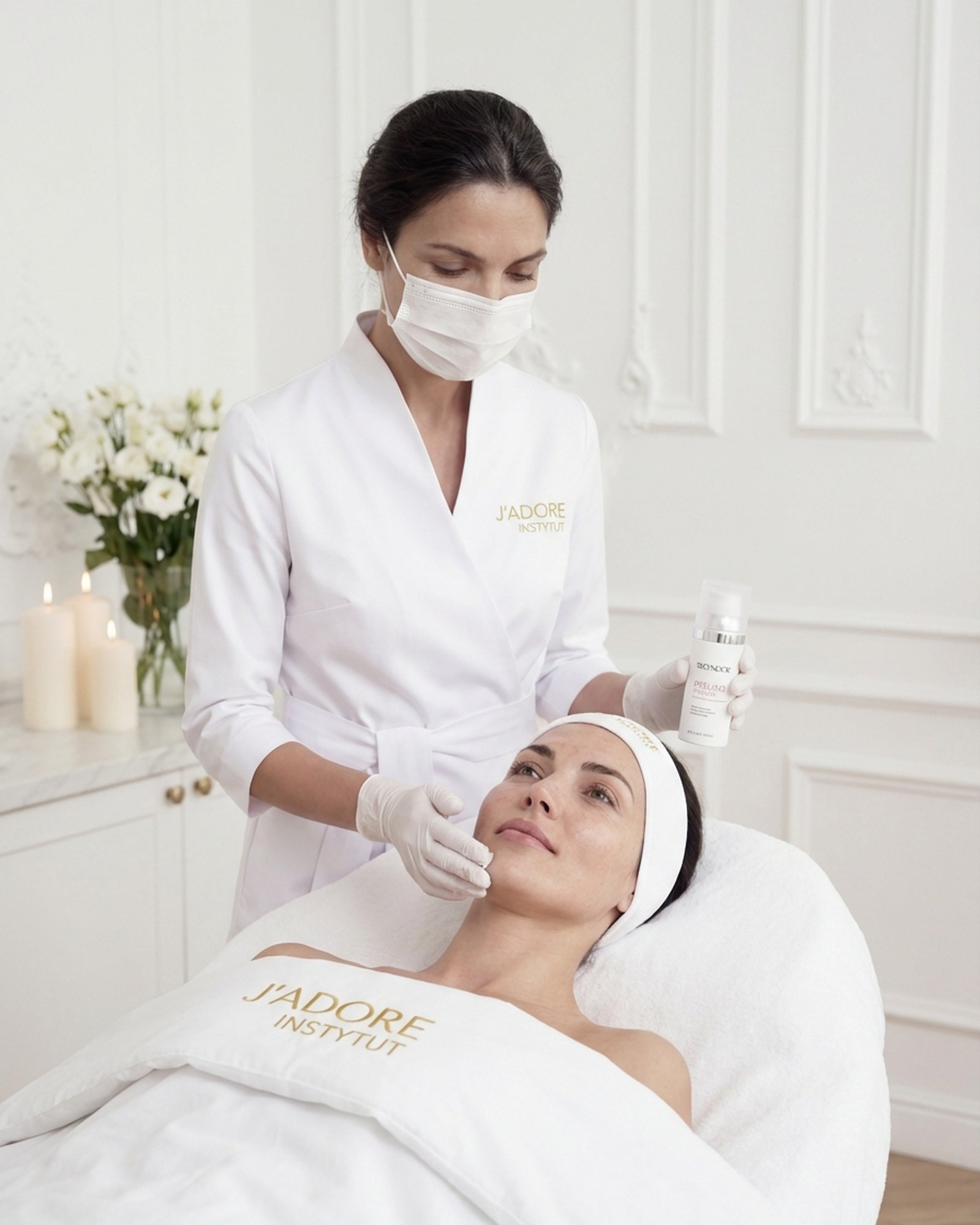
If, after a few weeks of basic skincare, the skin still causes noticeable problems (worsening texture, recurring blackheads, very visible pores) — it's time to talk to a specialist. The cosmetologist assesses skin type, barrier condition and sebum levels, and only then suggests a treatment. This isn't a "last resort" — it's a good moment to map out a plan.
- 04
Step 4 — Microdermabrasion as part of a plan (not a standalone treatment)
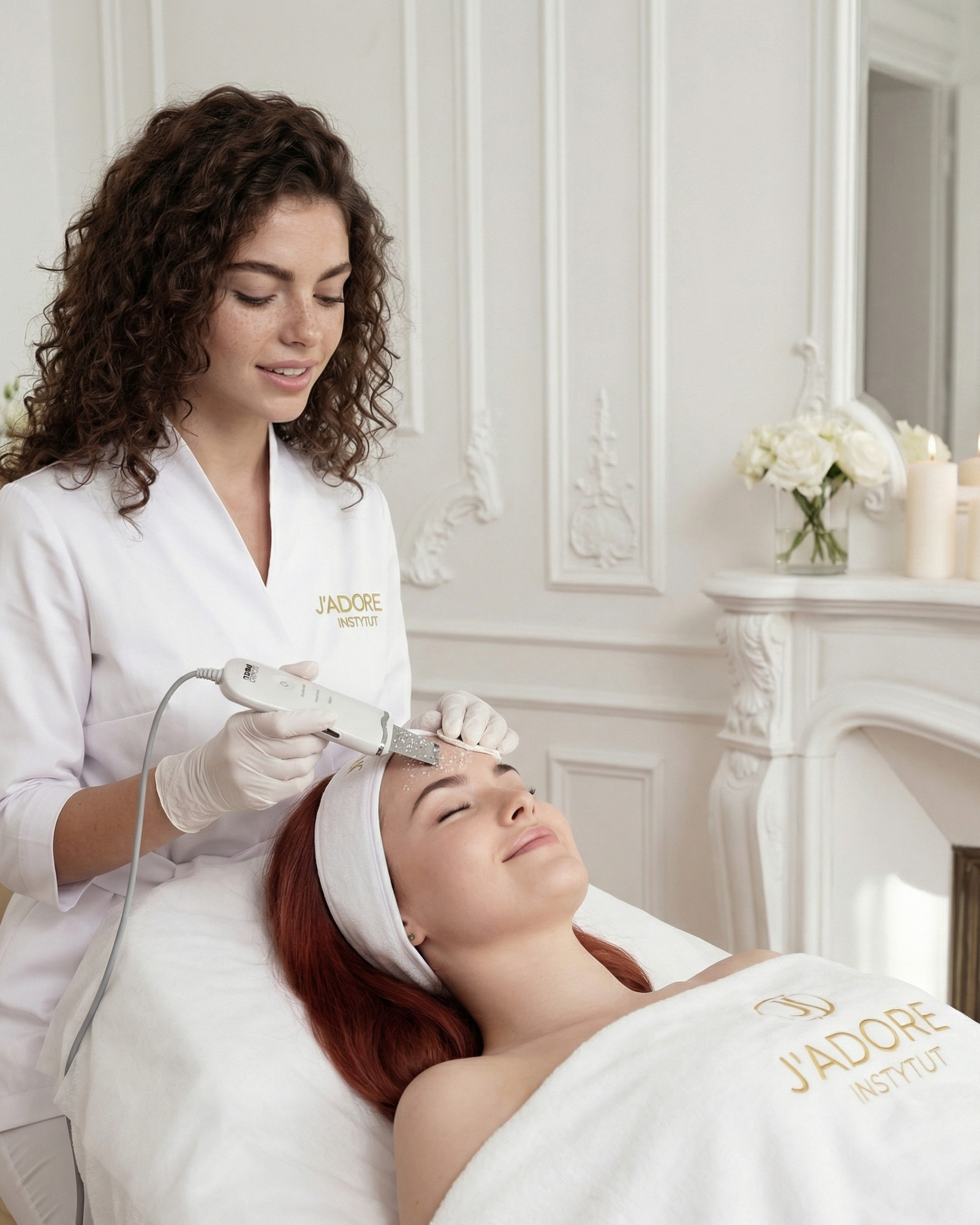
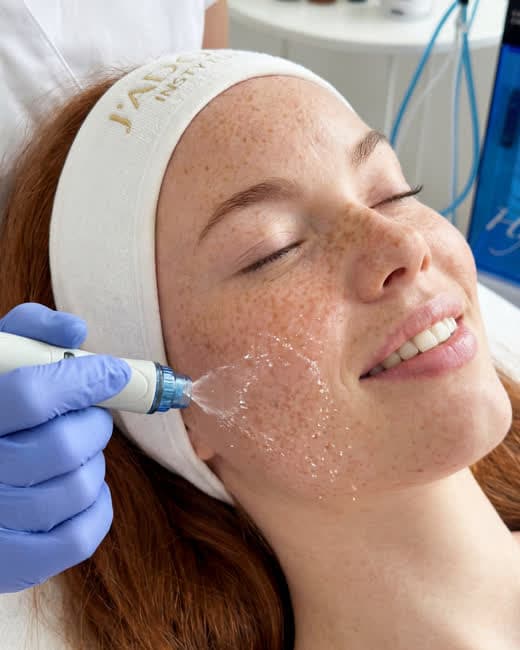
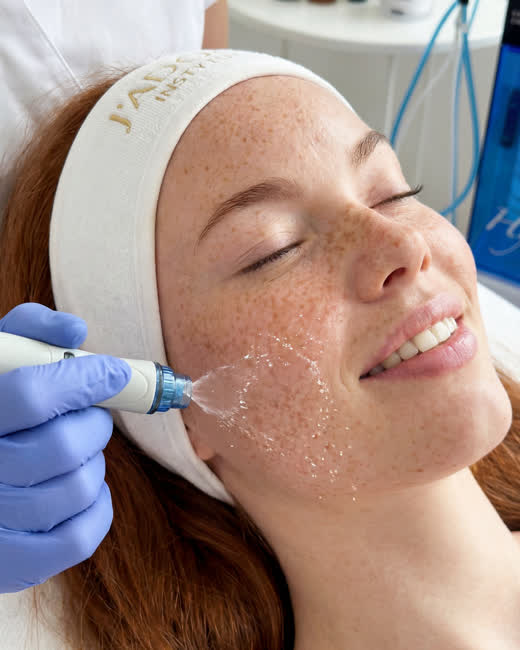
With the right indications — oily or combination skin, pronounced texture, blackheads, excess dead skin cells — microdermabrasion works as gentle, mechanical exfoliation of the epidermis. The result is smoother texture and pore openings clear of build-up. Important: the cosmetologist adjusts treatment intensity for teenage skin, which needs a gentler approach than skin in your thirties.
- 05
Step 5 — Series and aftercare
One session shows a result, but lasting improvement needs a series — usually several sessions a few weeks apart, with home care in between. Skin is more sensitive after the treatment, so for a few days we avoid unprotected sun, saunas and harsh products. Results are assessed after the full series, not after one visit.
What NOT to do — common pitfalls
With teenage skin, risk comes not only from doing nothing, but just as often from doing too much. The list below covers the mistakes we see most often — mistakes that can undo months of good skincare in a matter of weeks.
When to see a cosmetologist — a simple checklist
Microdermabrasion isn't a treatment for every teenager, and it's not the answer to every skin issue. Below are a few situations where a consultation visit is genuinely worthwhile — and a few where it's better to speak to a dermatologist first.
- Consult a cosmetologist when skin is oily or combination, has pronounced texture and visible pores, and basic skincare hasn't brought improvement after 4–6 weeks.
- Consult a cosmetologist when open and closed blackheads dominate without active inflammation — this is a classic indication for microdermabrasion.
- See a dermatologist first when the face has numerous, active papules, pustules or cysts — microdermabrasion during active inflammatory acne can worsen inflammation. The dermatologist will set out treatment, and the salon treatment can come back into play once things settle.
- Consult a cosmetologist when post-inflammatory hyperpigmentation (brown marks left by blemishes) affects the skin's appearance — microdermabrasion can support fading them as part of a broader plan.
- Tell your specialist about everything you use day to day — including dermatological medication (e.g. retinoids, benzoyl peroxide). Some of these rule out or modify the treatment.
During the consultation, the cosmetologist assesses skin type and condition, asks about current skincare and any treatment history, and only then advises whether microdermabrasion is a good direction, and when and how intensely. A good specialist doesn't sell a treatment — they select one. The difference matters enormously with teenage skin.