Three methods, three different jobs
Here's the simplest way to remember it: manual cleansing removes impurities by hand, hydra cleansing flushes them out with a stream of water and oxygen, cavitation breaks them down with ultrasound. Each method works through a different mechanism — which is exactly why they so often complement each other rather than replace one another.
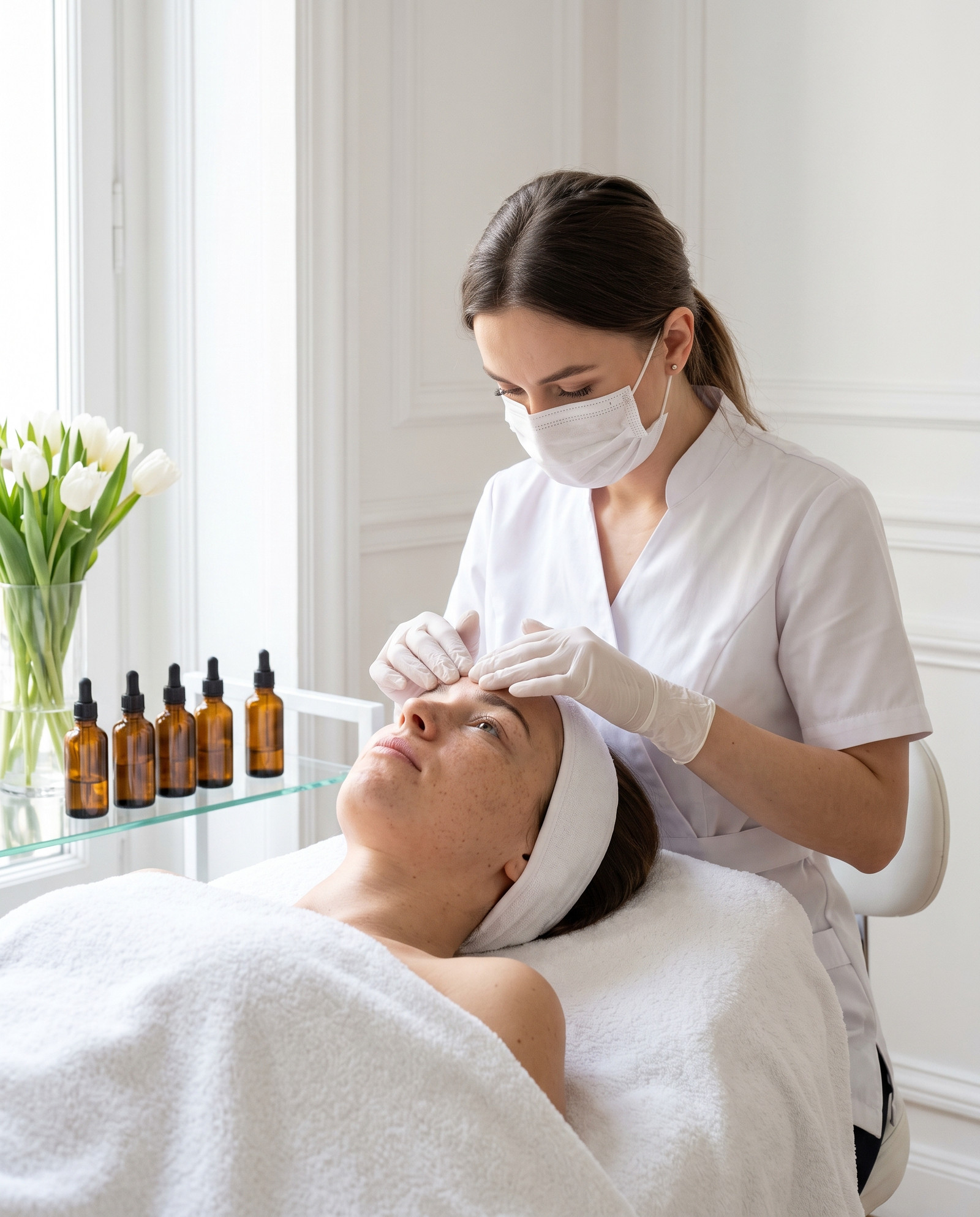
Manual cleansing
precise, mechanical removal of impurities
- deep open and closed comedones
- papules and pustules (outside active inflammation)
- combination and oily skin prone to sebum retention
- immediate, highly precise result
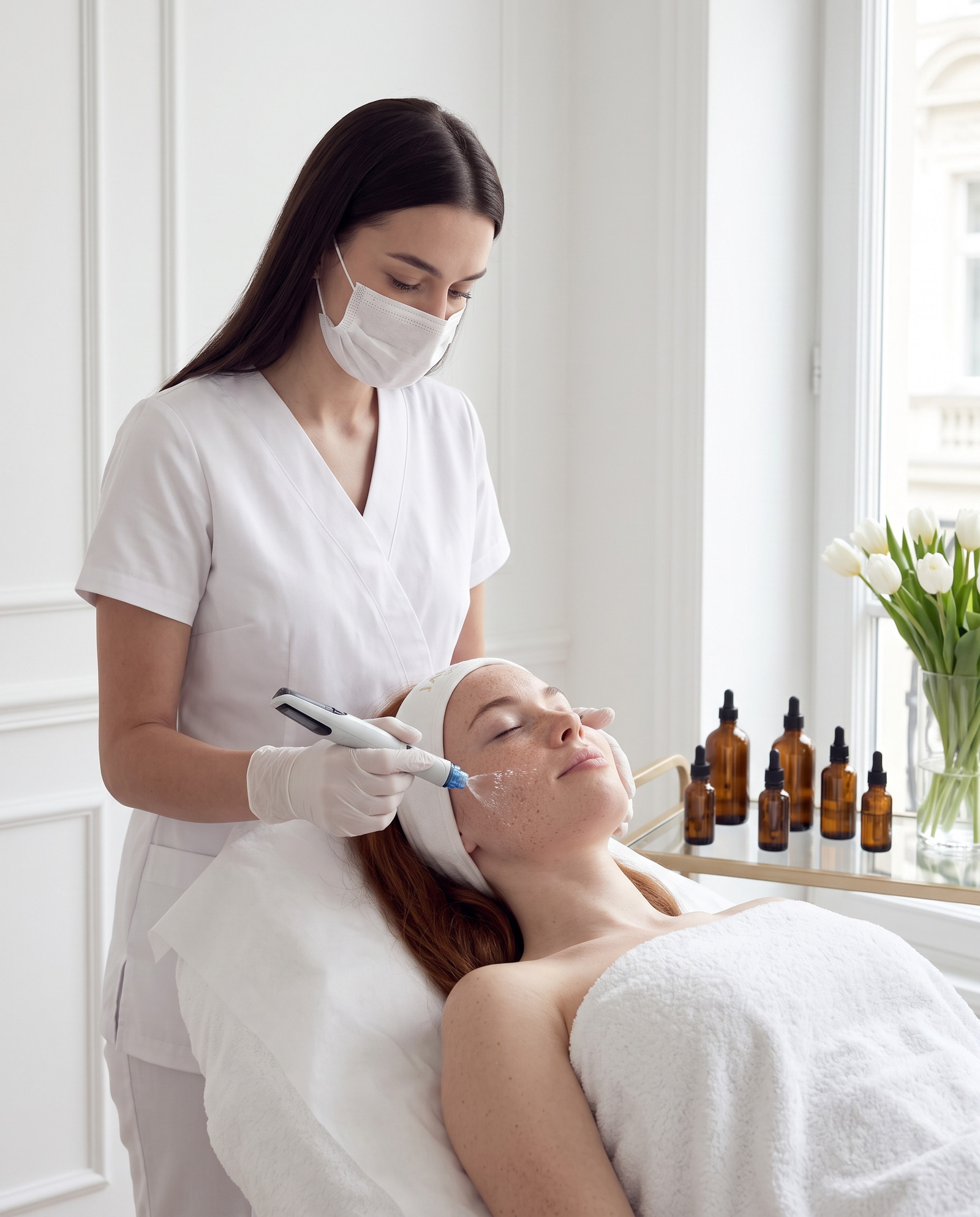
Hydra cleansing
gentle cleansing, hydration and pore refinement
- visibly enlarged, congested pores
- dehydrated, dull, "tired" skin
- your first in-salon cleansing — a good starting point
- results may be visible straight away, but irritation is possible
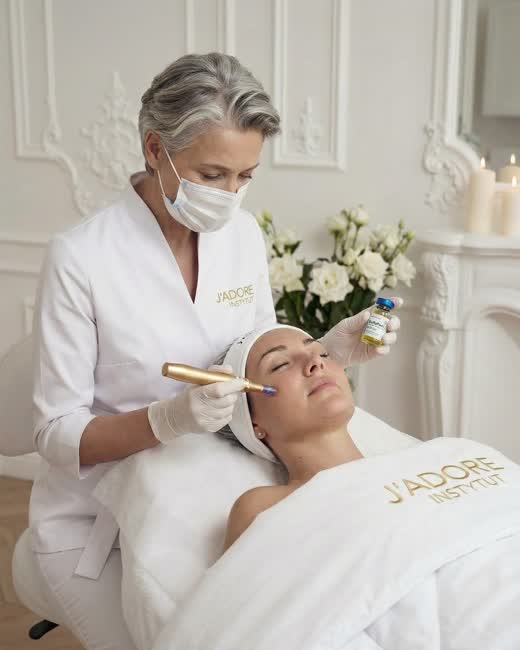
Cavitation cleansing (ultrasound)
exfoliation, loosening impurities and refining texture
- uneven texture and dead skin build-up
- grey, lacklustre skin prone to surface congestion
- preparation for further treatments (peels, mesotherapy)
- gentle firming and smoothing of the surface

How to work out what your skin needs — a simple test
Before your cosmetologist chooses a method, it's worth looking at your skin in daylight. The questions below help focus the conversation — and turn your consultation into something concrete:
- Can you see dark spots, white bumps, a shine across the T-zone? That's sebum retention and comedones — the most common indication for manual cleansing.
- Do your pores look large, does your skin feel rough or grey, but without clear comedones? That's a texture and dead-skin issue — the direction here is cavitation, or a cavitation + hydra combination.
- Is your skin dehydrated, tight, with pores barely visible — but you want to shift it onto a better path? Hydra cleansing is the ideal starting point — it hydrates, doesn't irritate, and evens things out.
- Do you have broken capillaries, redness, reactive skin? Manual extraction can make irritation worse — hydra or cavitation will be safer (after assessment by your cosmetologist).
Remember that a mirror check is only a clue, not a diagnosis. Many skin types combine several issues at once — a dry zone, an oily T-zone and enlarged pores can all exist together. That's exactly what your cosmetologist is for: to name what's happening, and where, before choosing the right tool.
When to choose each method — a quick guide
Below is a shorthand decision map — not a substitute for consultation, but something to keep in mind before your visit. Useful to have in mind when your cosmetologist asks: "what's bothering you most today?"
- 01
Manual cleansing — when?
Oily or combination skin with visible open and closed comedones. Blackheads on the nose, chin, forehead. A feeling that your skin is "congested". Most effective for sebum retention — but it requires proper skin preparation (softening, warming).
- 02
Hydra cleansing — when?
Dehydrated, dull skin, after winter or after stress. Your first in-salon cleansing — a good reset. Reactive or sensitive skin that needs a gentle start. Often used as one stage in a broader protocol (for example, before mesotherapy or a peel).
- 03
Cavitation cleansing — when?
Uneven texture, dead skin, surface-level congestion. Skin that wants radiance rather than deep extraction. Preparation for regenerative treatments — cavitation opens the way for active ingredients. A good alternative for anyone who doesn't tolerate scrubs or mechanical exfoliation well.
- 04
Combining methods — when?
Skin with several issues at once: cavitation first (to loosen and exfoliate), then manual extraction (to remove what cavitation has exposed). Or hydra as a finishing step after manual extraction — to hydrate and calm irritated skin. Your cosmetologist decides the order and combination.
When it's best to combine them
Cleansing rarely works best as a standalone treatment — the best results often come from building it into a protocol, where one method paves the way for the next, or closes it off gently. The logic behind combinations stays the same; your cosmetologist decides the order:
Cavitation + manual
Ultrasound loosens and exfoliates the skin's surface — manual extraction can then reach comedones with less resistance and less risk of micro-trauma. A classic pairing for combination skin prone to sebum retention.
Manual + hydra as a finishing step
After manual extraction, skin is irritated — hydra cleansing hydrates, soothes and "closes" pores with a stream of water. It reduces redness after extraction and speeds up recovery.
Hydra + chemical peel or mesotherapy
Hydra cleansing as a first stage prepares skin to absorb active ingredients. Pores that are clean and hydrated respond better to acids and serums.
Cavitation + biostimulator or biorevitalisation
Cavitation exfoliates and smooths — a biostimulator or biorevitalisation treatment then works on a ready surface. Density and radiance results are often more pronounced than after either treatment alone.