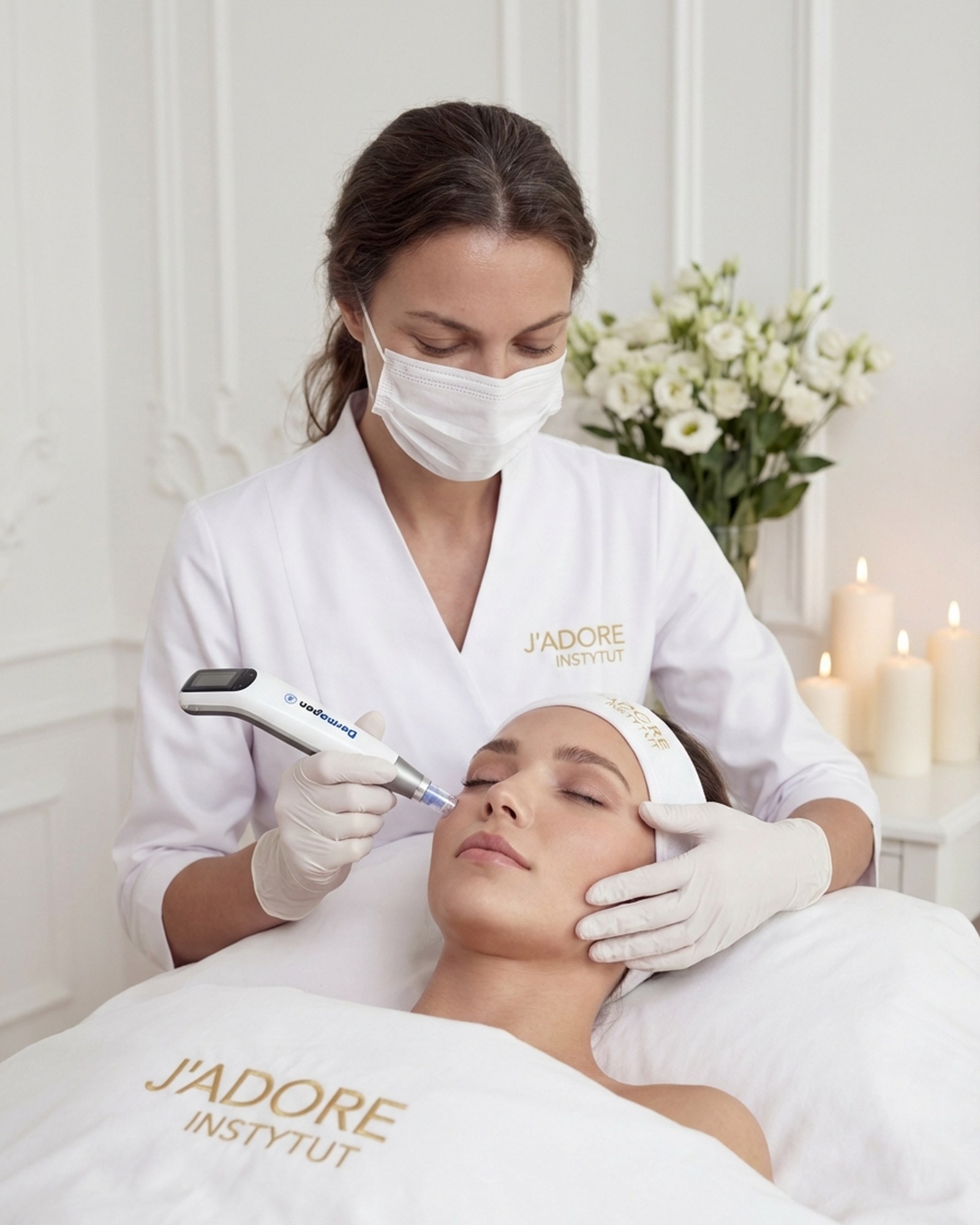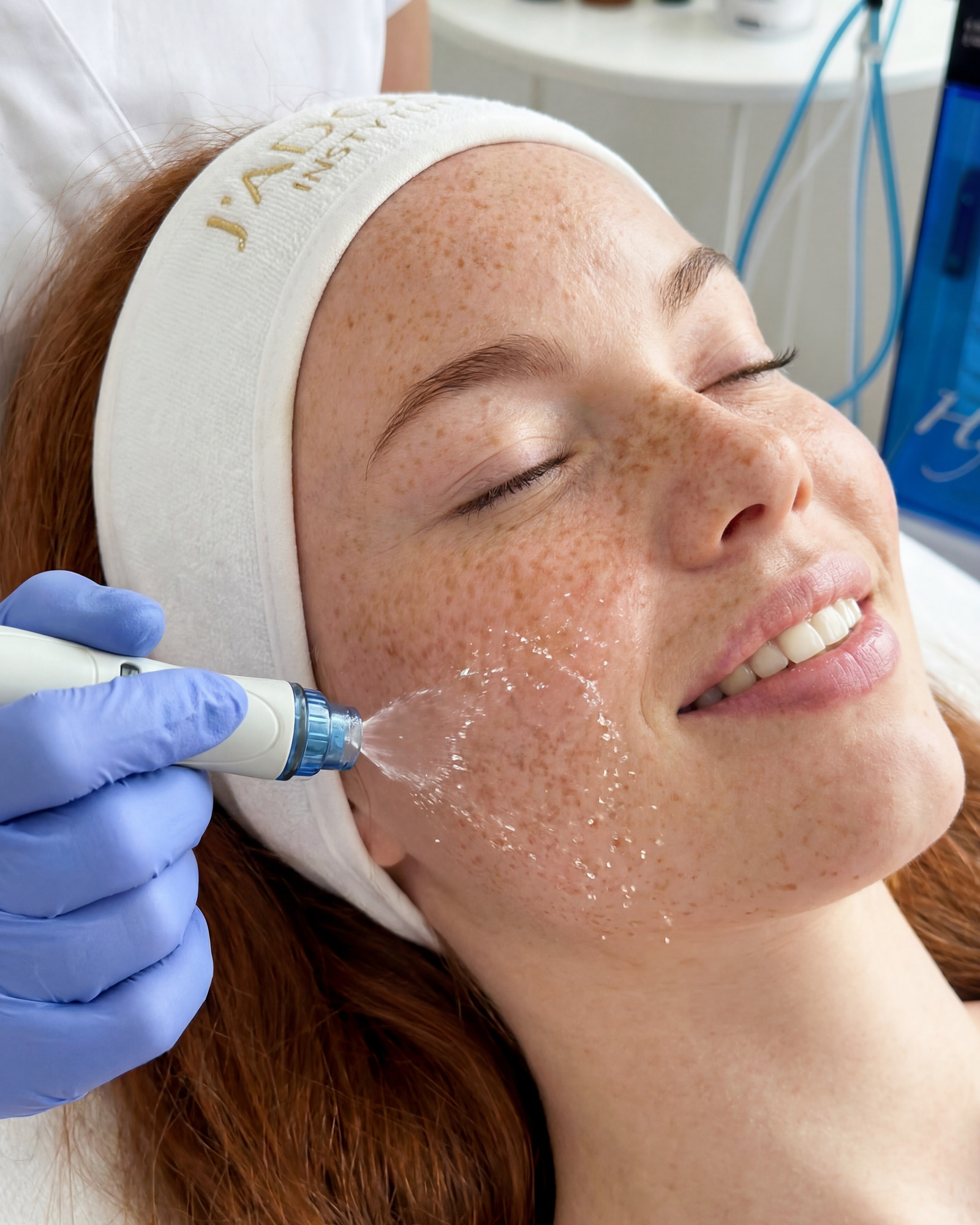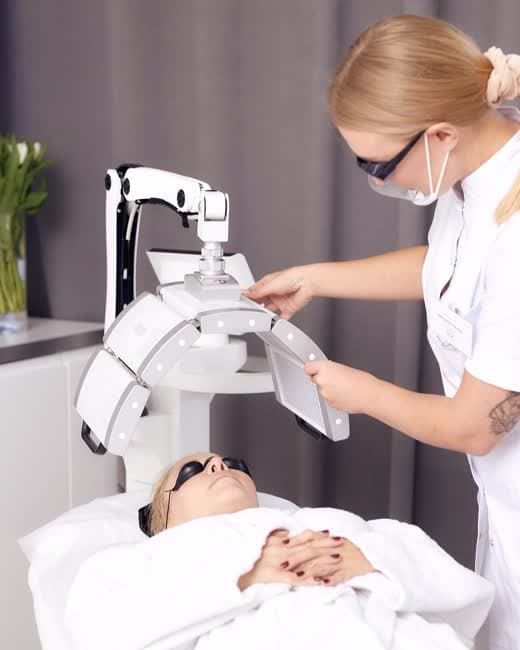
Three treatments, three different mechanisms
The simplest way to remember it: microdermabrasion abrades, peels exfoliate chemically, HydraFacial cleanses and hydrates immediately. Each works on a different layer of the problem — which is exactly why they so often complement each other rather than replace one another.
Microdermabrasion
mechanical smoothing of the skin's surface
- roughness, fine acne scars, uneven texture
- visible pores on oily skin
- dull, "heavy" skin from a build-up of dead skin cells
- preparing the skin for other treatments
Chemical peel
chemical renewal and even skin tone
- sun-induced and post-acne hyperpigmentation
- fine lines and shallow wrinkles
- uneven skin tone, grey complexion
- acne — depending on the acid used
HydraFacial
deep cleansing combined with intensive hydration
- dehydrated skin lacking radiance
- congested pores, without irritation
- sensitive skin that needs a gentle approach
- a quick result before an important event
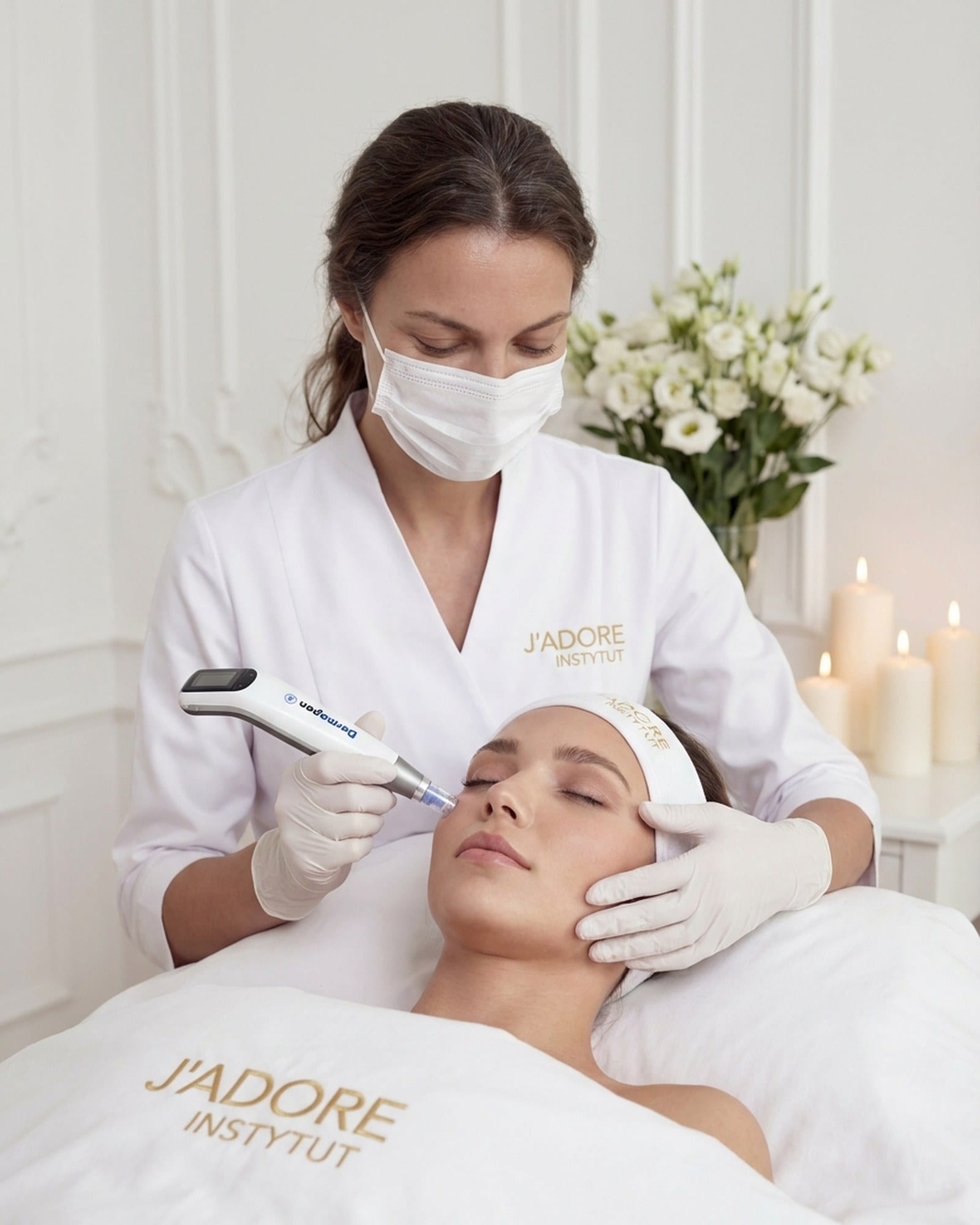
How to identify what your skin needs — a mirror test
Before your cosmetologist suggests anything, you can do a simple check in the mirror. It takes two minutes and gives your consultation a clear direction from the start:
- Touch your cheek. If the skin feels rough, pores are prominent and the surface looks dull — this often points to microdermabrasion or a smoothing peel.
- Check your skin tone in natural light. Patches, uneven tone, greyness, old acne marks — this is usually the domain of a chemical peel matched to the type of hyperpigmentation.
- Check hydration. If skin feels tight, looks pale, lacks radiance or absorbs cream too quickly — that's a sign of dehydration → direction: HydraFacial or a hydrating treatment.
- Active blackheads and oiliness, but sensitive skin? HydraFacial often works better here than mechanical or chemical exfoliation — it cleanses without irritation.
This home test is a starting point, not a diagnosis. Most mature and combination skin types have a bit of everything — which is why cosmetologists often recommend a series rather than a single session. But simply naming what bothers you most makes your consultation focused from the very first minute.
When to choose one, and when to combine
Many people assume they have to pick just one. In fact, these treatments work brilliantly in series and combinations — because each addresses a different layer of the problem. The logic behind combining them is simple: cleanse and smooth first, then hydrate and rebuild.
Microdermabrasion + HydraFacial
Mechanical smoothing plus immediate hydration — often performed in a single session or across two closely-spaced appointments. Skin ends up smooth and well-hydrated at the same time.
Chemical peel + HydraFacial
The peel removes hyperpigmentation and renews the skin, HydraFacial replenishes hydration afterwards. These are spaced out — first the peel, then HydraFacial once the skin has recovered.
Peel series + microdermabrasion
Deeper work on texture and tone — the peel evens things out, microdermabrasion smooths the surface. Effective for acne scarring and thicker skin.
HydraFacial as a reset between series
Even when the main tool is a peel or a laser, HydraFacial often comes in between sessions as a "hydrating reset" — it restores the skin barrier and radiance without interrupting the course of treatment.
A good salon doesn't sell you a treatment — it builds a plan: first diagnosing what's happening and at which layer of the skin, then choosing tools in the right order. If someone offers "one treatment for everything" without assessing your skin, it's worth asking exactly which problem it's meant to solve.
Who benefits most from each treatment
Different skin types have different priorities — and treatment choice is based on that. Here's a summary that can help guide your conversation with a cosmetologist:
- Oily skin with visible pores: microdermabrasion or an acid peel (e.g. salicylic) — regulate sebum, reduce pore visibility, smooth the surface.
- Dry, dehydrated skin: HydraFacial — cleanses without disrupting the skin barrier, hydrates immediately; strong exfoliation can worsen dryness.
- Combination skin: usually a combination approach — for example, microdermabrasion on the T-zone, HydraFacial on the cheeks.
- Skin with hyperpigmentation: chemical peel — most effective for shallow sun spots and post-acne marks; requires SPF protection.
- Sensitive, reactive skin: a gentle version of HydraFacial — often the only treatment that doesn't trigger a reaction; microdermabrasion and stronger peels can cause irritation.
- Mature skin (40+): often a combination of a peel (for tone and quality) with HydraFacial (for hydration) — microdermabrasion alone is used less often, as the skin can be too thin.