What melasma is, and why it's so difficult to treat
Melasma is a hormonal form of hyperpigmentation. It's driven by hormonal factors — pregnancy, hormonal contraception, menopause — and by UV exposure. Melanocytes, the cells that produce pigment, become hypersensitive in melasma. They overreact to stimuli, including heat. This hypersensitivity is exactly why melasma is harder to treat than ordinary sun spots.
A key feature of melasma: it's dynamic. It can fade in winter and return more strongly in summer. It can react to stress or to a change in contraceptive pills. And — importantly for choosing a method — it can react to heat: temperature, warm water, intense exercise. Any treatment that generates heat has a different risk profile in melasma than it does with other types of hyperpigmentation.
Why laser can be a trap specifically for melasma
Fractional and pigment lasers work well on sun spots and post-acne freckling — there, results are often quick and clear. With melasma, the mechanism is different. Melanocytes in melasma are overreactive. Given a strong stimulus, they may respond with melanin overproduction instead of reducing it. This is called post-inflammatory hyperpigmentation (PIH), and it's one of the most common complications of aggressive laser therapy specifically in people with melasma.
This doesn't mean laser is completely off the table for melasma. Protocols exist — low fluences, specific wavelengths, proper skin preparation — that can give improvement in selected patients. But this is a treatment for an experienced specialist, after thorough assessment, and it should never be the first step.
How a chemical peel works on melasma
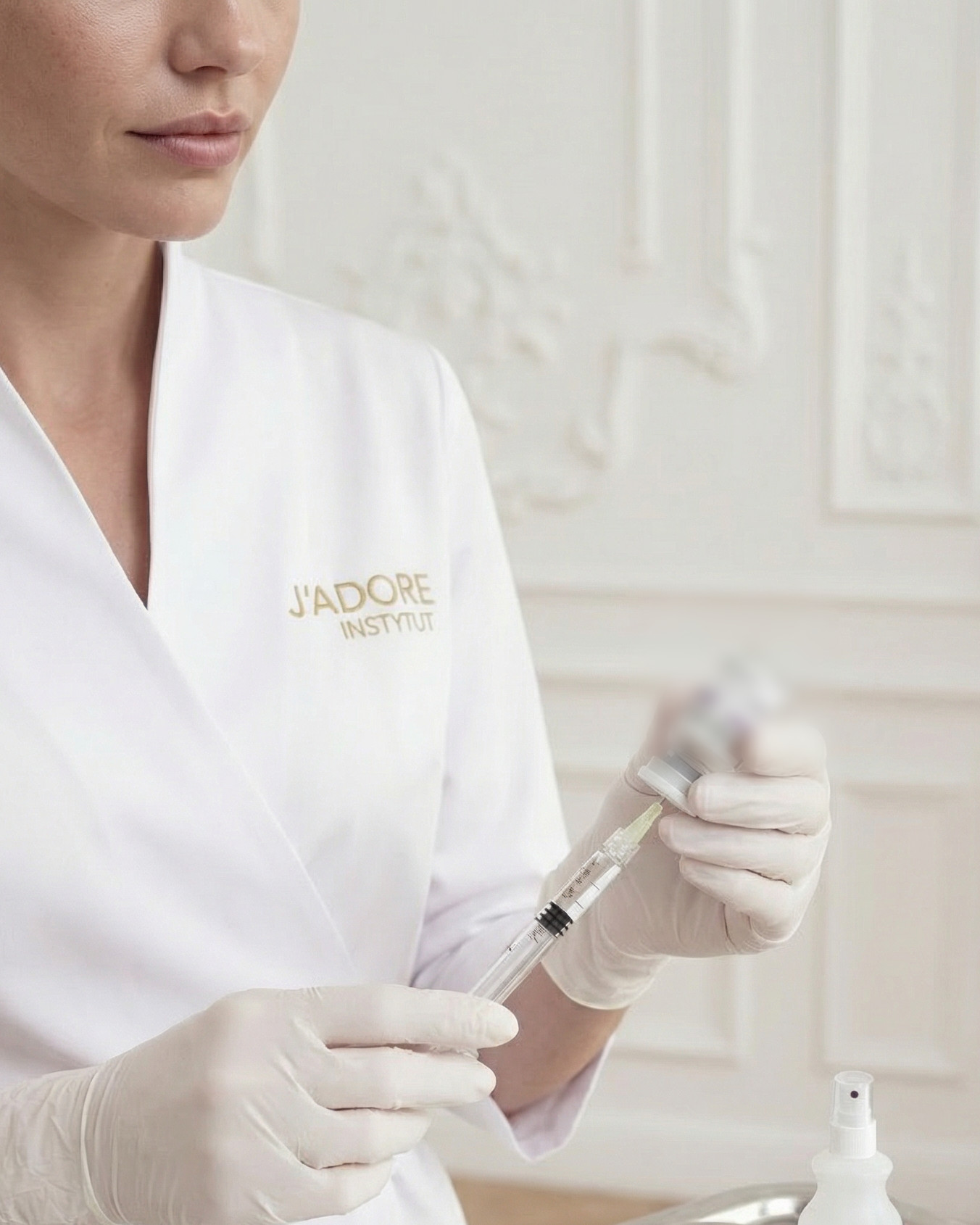
A chemical peel works differently. Instead of breaking down melanin with heat, it speeds up natural epidermal exfoliation, flushing out excess pigment along with dead skin cells. It generates no heat to stimulate melanocytes — which is exactly why it's safer in the context of melasma.
Peels used for melasma most often rely on acids with a proven track record: azelaic acid (targets the enzymes of melanogenesis), kojic acid, phytic acid, tranexamic acid — and, in selected protocols, glycolic or mandelic acid at the appropriate concentration. For deeper types of melasma, low-concentration TCA peels are sometimes used — always by a specialist, after skin preparation.
- Generates no heat — melanocytes aren't stimulated thermally
- Works gradually — a multi-session course gives a more lasting result than one strong treatment
- Precise customisation — different acids, different concentrations, different depths depending on melasma type and skin phototype
- Lower risk of PIH with the right protocol and skin preparation
- Easy to combine with home care — works synergistically with brightening creams and SPF
Peel vs laser — a comparison for melasma
Each method has its place, but with melasma, the balance of risk and effectiveness plays out differently than it does with typical sun-induced hyperpigmentation. The comparison below shows what sets them apart for this specific problem.
Chemical peel
exfoliates excess melanin without thermal stimulation
- Generates no heat — lower risk of PIH
- Customised to skin phototype and melasma depth
- A series of sessions means gradual, more lasting improvement
- Can be safely used on phototypes III–IV
- Works synergistically with home care (azelaic acid, tranexamic acid, SPF)
Laser
breaks down melanin clusters using light energy
- Fast results on sun spots and freckles
- Effective on other types of hyperpigmentation (post-acne, age spots)
- In selected protocols, may help with stable melasma — after proper assessment
Practical takeaway: for melasma, a peel is usually the first choice — and often the only treatment needed. Laser can enter the plan at a later stage, once melasma is stable and hormonally inactive, and after proper skin preparation. Even then, the decision rests entirely with a specialist.
Peel or (possibly) laser — questions for your consultation
Before any treatment for melasma, it helps to know what you're dealing with. A few questions to help you prepare for your consultation:
- 01
Assess how active your melasma is
Does it worsen in summer, after sun exposure, or after hormonal changes? Active melasma — the kind that changes over time — calls for caution. Any strong stimulus can trigger it further.
- 02
Check your skin phototype
People with darker skin tones (phototype III–VI) have a higher risk of PIH after laser therapy. A good specialist will always assess this before treatment.
- 03
Assess your hormonal background
Are you using hormonal contraception, or pregnant? This is key information. Without addressing the hormonal factor, treatment results can be temporary.
- 04
Start with non-invasive options
For a new melasma problem, start with peels and home care. Laser may become an option once melasma has stabilised — never as the first step.
- 05
SPF isn't optional — it's the foundation
Every method — peel or laser — requires daily SPF 50+ all year round, not just in summer. Without it, results fade faster.
When it's worth combining a peel with other treatments
A chemical peel for melasma rarely works in isolation. The best results come as part of a broader strategy, combining an in-salon treatment with home care and addressing aggravating factors. It's also worth knowing which treatments can effectively complement it.
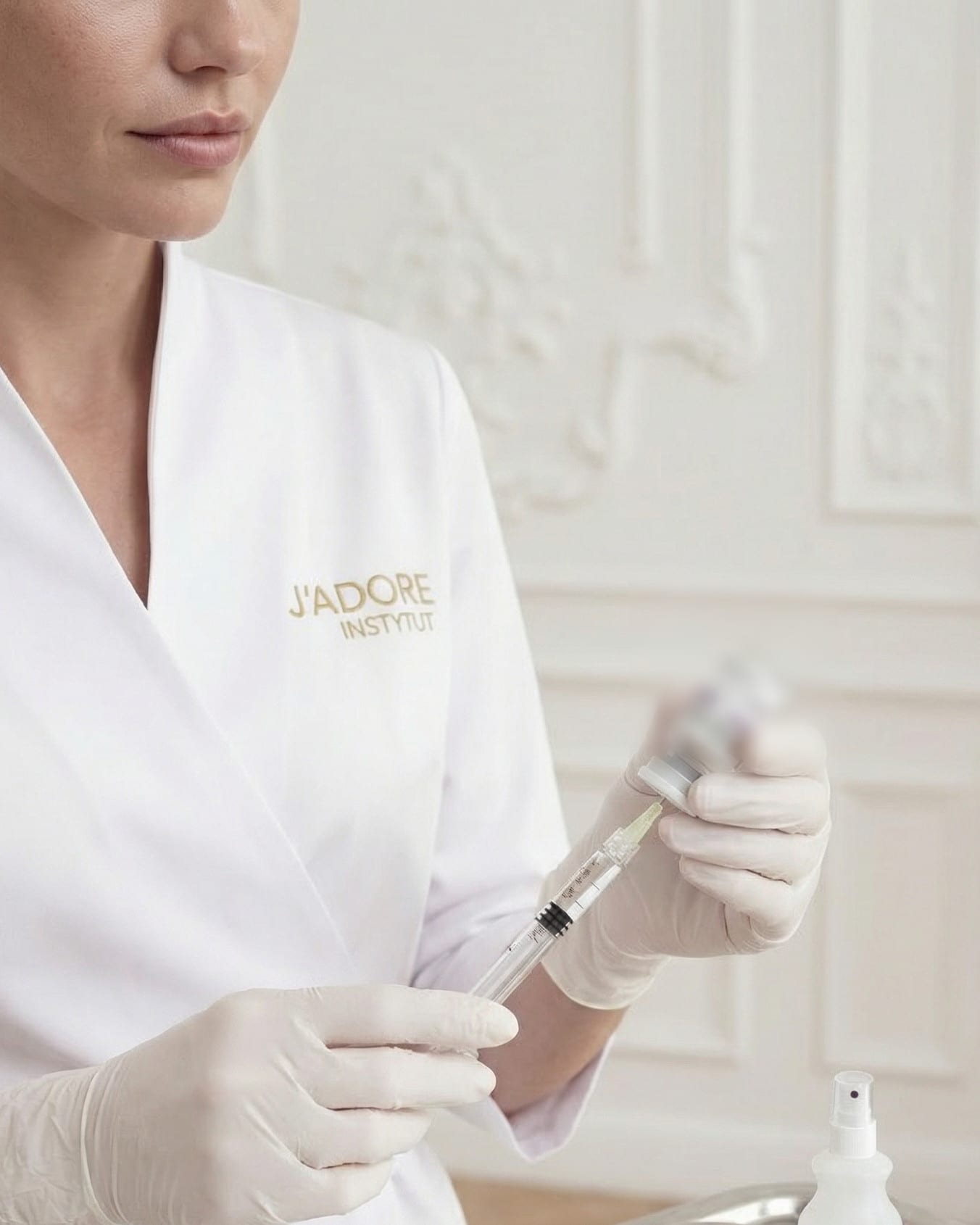
Peel + needle mesotherapy with tranexamic acid
Tranexamic acid inhibits the melanogenesis pathway from within. Combined with a peel, it can speed up improvement and reduce the risk of recurrence.
Peel + home care (retinol, azelaic acid, niacinamide)
Works synergistically with a peel — retinol speeds up cell turnover, while azelaic acid and niacinamide inhibit the tyrosinase enzyme responsible for melanin production.
Peel + dermatology consultation (prescription brightening cream)
For advanced or deep melasma, a dermatologist may add a prescription treatment to the plan (such as hydroquinone or tretinoin). An in-salon peel reinforces its effect.
Series of peels + year-round SPF 50+ protection
Sun protection is essential to any melasma therapy. Even the best-planned series of sessions won't hold its result without daily SPF.
Aftercare checklist
After a peel for melasma, skin becomes more sensitive to UV — and that's exactly when mistakes happen most easily. A few rules to keep in mind, whichever method you choose.
- SPF 50+ every day — no exceptions, including cloudy days and winter
- Avoid sun during peak hours (10am–4pm) for at least 2 weeks after the treatment
- Skip mechanical exfoliation (scrubs, brushes) immediately after a peel
- Avoid saunas, jacuzzis and intense exercise for a few days after treatment — heat can worsen inflammation
- Tell your specialist about all active ingredients you're using — retinol, benzoyl peroxide and strong acids need a break around treatment time
- Watch your skin — if pigmentation worsens after treatment, report it to your specialist rather than increasing the intensity of your home care on your own