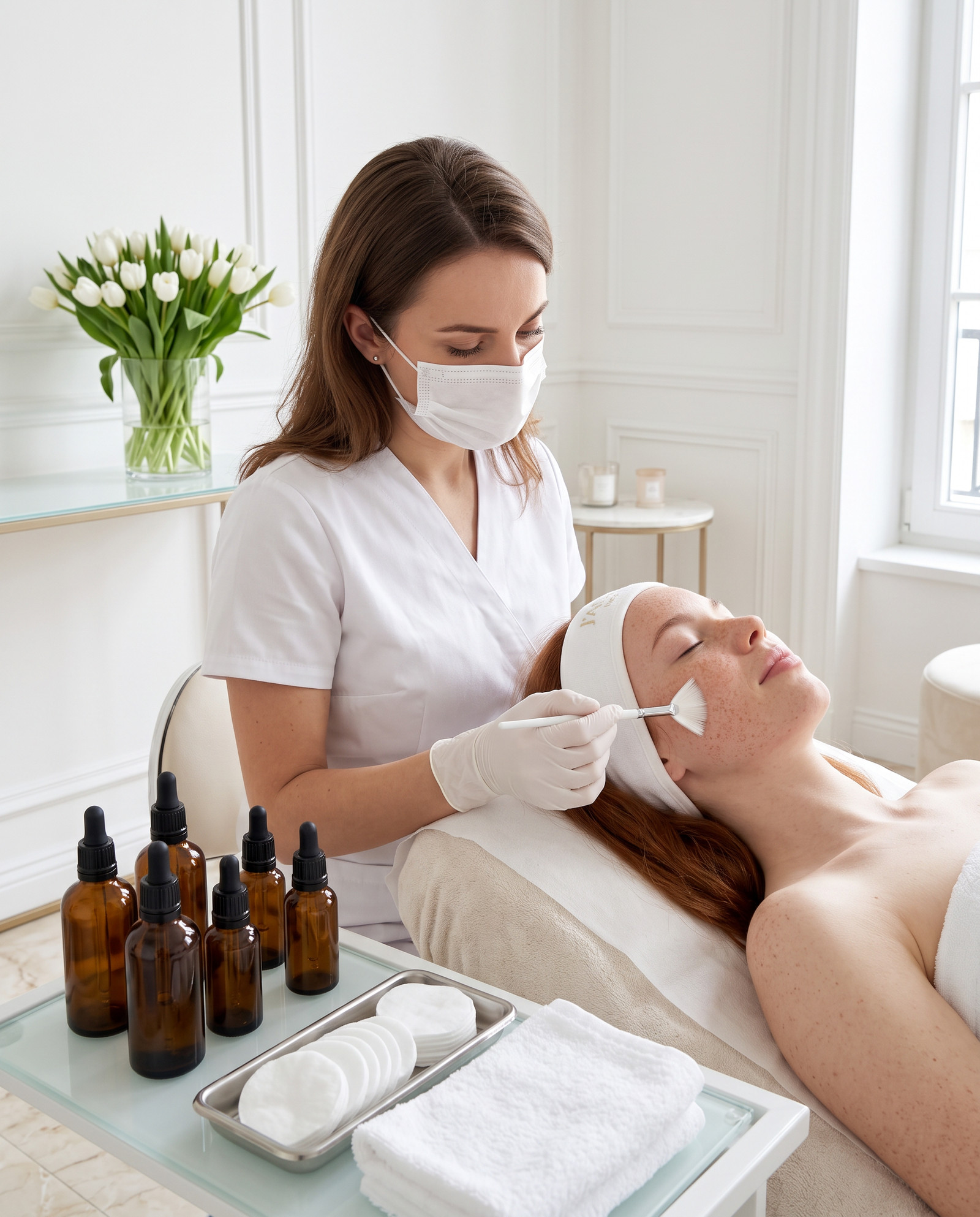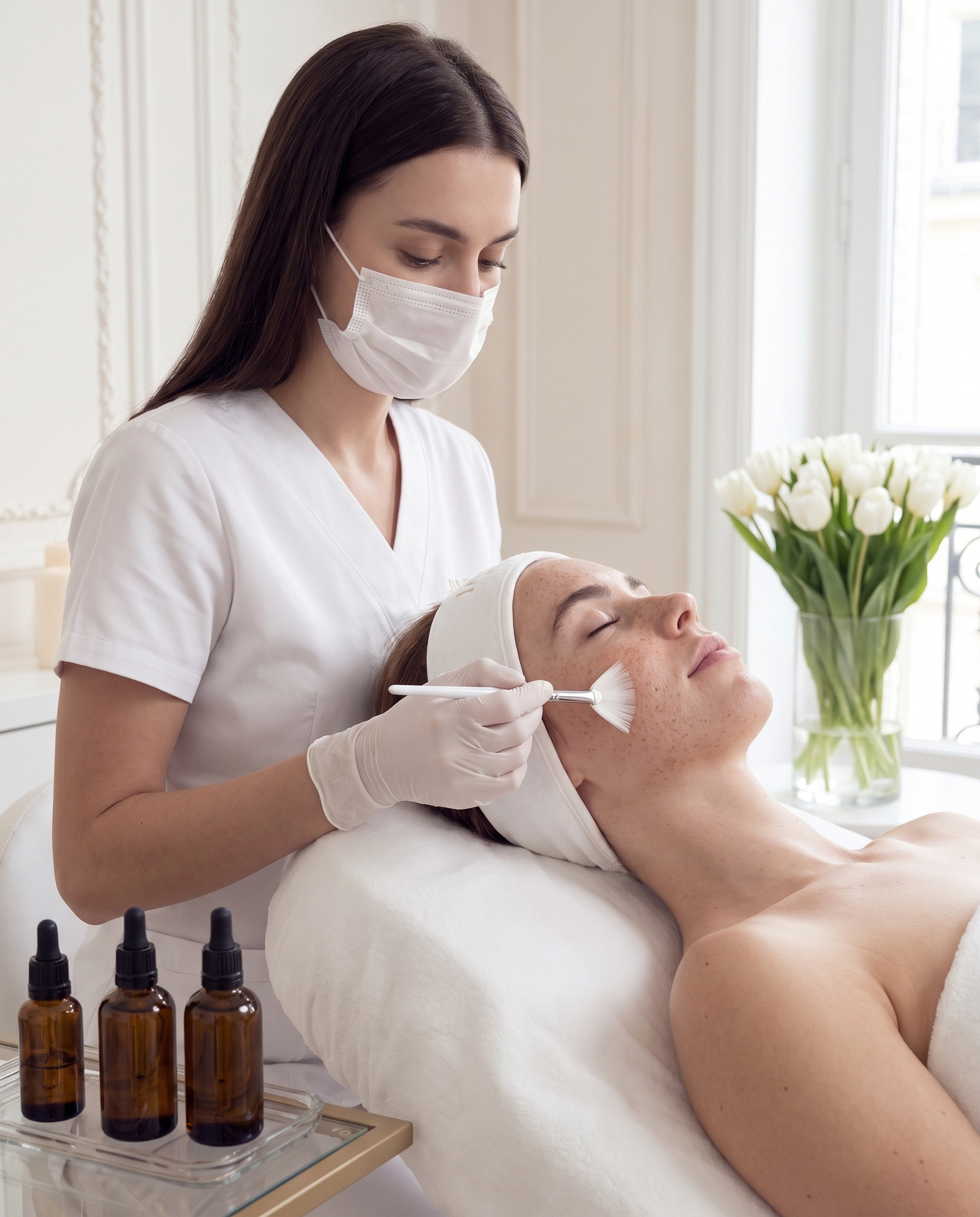
Two peels, two philosophies
C-Peel and Ferulac share vitamin C — but that's where the similarities end. C-Peel is a broad-spectrum treatment. It combines acids, antioxidants and regenerating substances to improve overall skin quality — radiance, hydration, firmness and evenness. Ferulac is more specialised. Its formula is built on ferulic acid combined with vitamin C and retinol, giving it exceptionally strong action against hyperpigmentation and photoageing. Think of the difference between general fitness training and training targeted at one specific area.
C-Peel
a radiance and regeneration treatment
- grey, fatigued skin lacking radiance
- dehydrated skin with reduced firmness
- fine lines, uneven skin tone
- antioxidant prevention
- a good starting point for new skin
Ferulac
precise action against hyperpigmentation
- sun spots, post-acne hyperpigmentation
- melasma and uneven pigmentation
- photoageing, skin with a history of intense sun exposure
- skin prone to recurring hyperpigmentation
- a concentrated treatment, delivered as a programme
How to recognise what your skin needs
Before choosing a peel, ask yourself one basic question: what bothers you most? General fatigue and a lack of radiance is one problem. Specific dark spots are a completely different one. Your answer shapes the whole choice:
- "Your skin looks grey, lifeless and dehydrated" → C-Peel could be exactly what you're looking for — regeneration, radiance, improved condition.
- "I have specific dark spots from sun exposure or acne" → Ferulac is a more concentrated tool for tackling hyperpigmentation.
- "I have both hyperpigmentation and grey-looking skin" → treatment often starts with Ferulac, with C-Peel added as a complement — your specialist decides the order.
- "I don't know what's wrong — my skin just doesn't look right" → a consultation before the treatment will help identify the issue and choose the right tool.
It's also worth remembering that chemical peels are protocol-based treatments. One session can produce results, but full results — especially for hyperpigmentation — typically appear after a series, for many people. So choosing "which peel" really means choosing a whole plan.
When it's worth combining them
C-Peel and Ferulac aren't competitors. Used in the right order, they can complement each other. Combined protocols, planned by a specialist, can deliver results well beyond what either treatment achieves alone:
Ferulac + C-Peel as a series
The series starts with the Ferulac depigmenting treatment, which reduces hyperpigmentation. C-Peel then follows as a complementary treatment, improving overall skin quality and locking in radiance. A good approach for skin with both hyperpigmentation and fatigue.
C-Peel as a preparatory treatment
In some protocols, C-Peel comes first, to even out and strengthen the skin barrier before the more intensive Ferulac treatment. Whether this order makes sense depends on your skin's starting condition.
Peel + mesotherapy
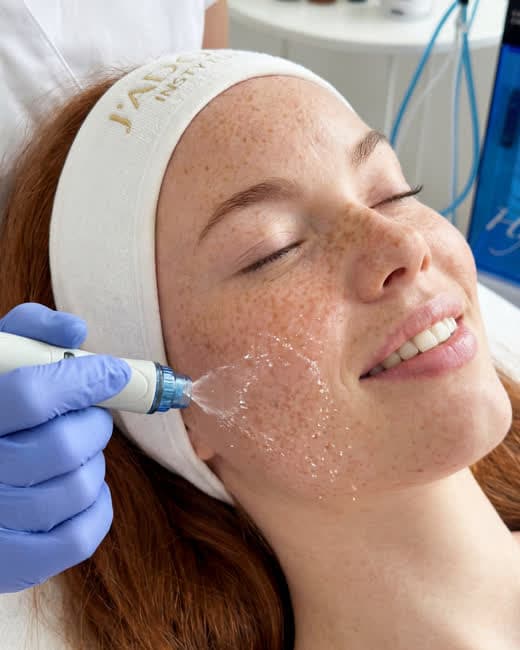
Vitamin C peels work well alongside needle mesotherapy or needle-free mesotherapy. The peel prepares the skin and removes keratin, so the active ingredients in mesotherapy can work more effectively. A popular combination for grey, fatigued skin.
Peel + hydrating treatments
After a series of peels (especially intensive ones), skin can benefit from barrier-repairing treatments. A well-planned series protects the results and keeps skin comfortable.
The key lies in the plan, not the single treatment. An experienced specialist looks at your skin as a whole — its main problem, its history (sun, acne, skincare), how it reacts and how much time it needs. Only then does she choose the right tool — or the right sequence of tools.
Seasons and post-peel care
Chemical peels are worth planning carefully — not just around indications, but also the season and your lifestyle. After a peel, skin is more sensitive to the sun and needs more careful care and sun protection for a while. That doesn't mean peels make no sense in summer. It does mean SPF becomes an absolute must, not an option.