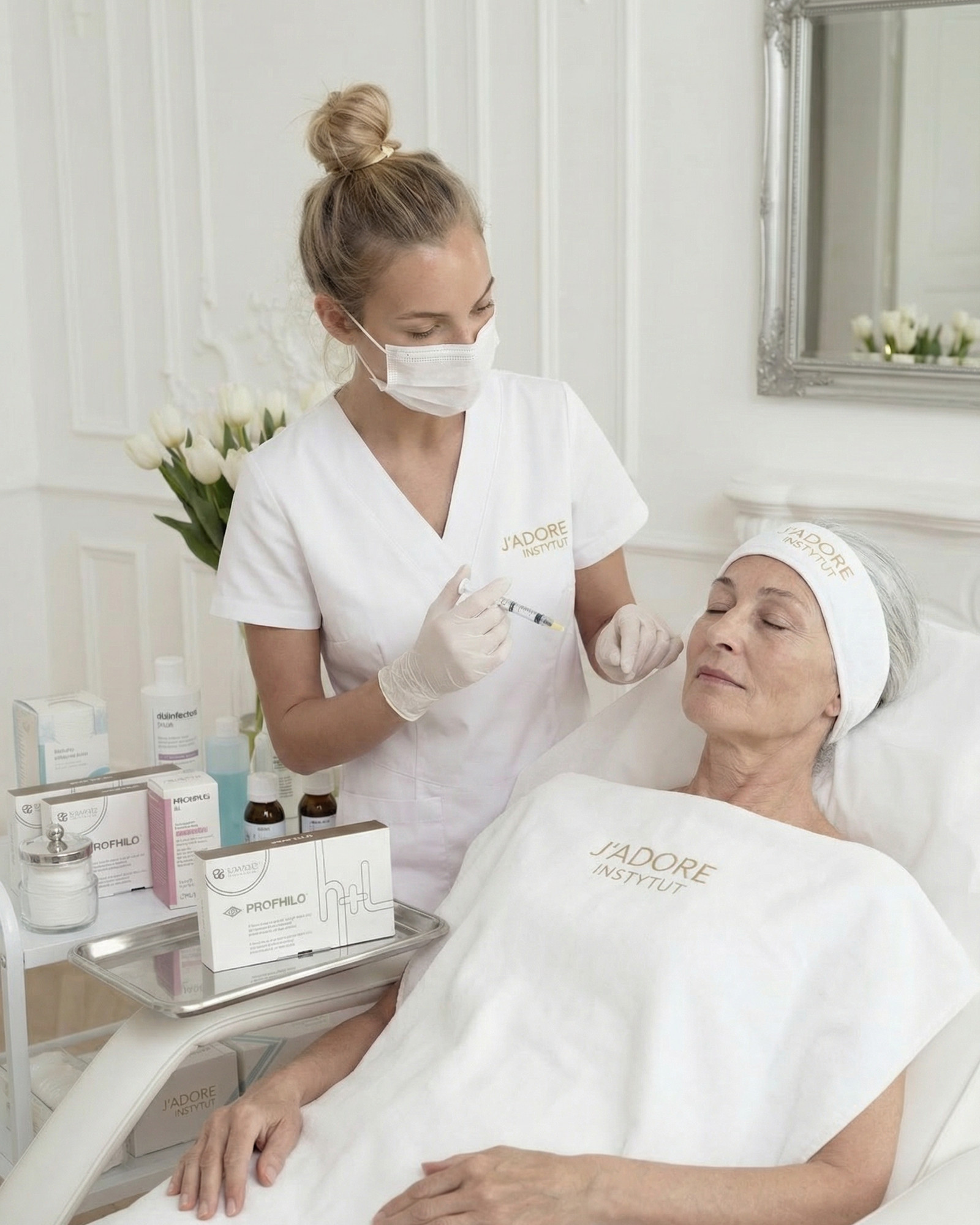
An absolute contraindication ends the plan for the moment
The treatment is not suitable for those who are pregnant or breastfeeding, have an active infection, inflammation or skin infection in the injection area, or have a known hypersensitivity to the product's ingredients. Autoimmune diseases, coagulation disorders, treatments affecting immunity and previous severe allergic reactions are also significant. The name of a diagnosis does not always determine the future, but it must always be disclosed during your consultation.
Do not hide information for fear that the doctor will refuse. A refusal on a given day does not mean a permanent ban. Often, disease stabilisation, the consent of your attending physician, the completion of treatment or the choice of a different method is required.
A relative contraindication requires changing the date or an additional assessment
- Fever, respiratory infection, antibiotic therapy or noticeable weakness.
- Active cold sores or prodromal symptoms near the planned area.
- A recent dental procedure, tooth inflammation or planned oral surgery.
- A new medication, a supplement affecting coagulation or a change in dosage — do not discontinue these on your own.
- Acne exacerbation, dermatosis, irritation from the sun or another procedure.
- A recent injection, laser or surgical procedure in the same area.
- An important event without a margin for swelling, bruising or a follow-up.
There is no single safe number of days to wait for every situation. The type of treatment, healing, area and health status change the decision. Call the salon before you arrive and provide details instead of rescheduling on your own or hiding symptoms.
After the treatment, observe the direction of changes, not just their presence
Minor swelling, tenderness, pinpoint redness and bruising may be part of the expected reaction after injections. They should gradually fade. Urgent contact is required for escalating symptoms: severe or unusual pain, rapidly increasing swelling, whitening or mottling of the skin, vision disturbances, shortness of breath, generalised hives, fever or purulent discharge. Do not wait for your planned follow-up in such cases and do not try to mask the appearance with an intense massage.
Before you leave, save the contact number and the procedure for outside working hours. A salon performing injections should be able to explain not only the aftercare but also the path of reaction to a complication. Safety does not end the moment the syringe is put down.
How do these two types differ?
A facial skin preparation may be considered when hydration and elasticity deteriorate. A denser formula may have a different purpose and injection site associated with selected fat compartments. Density alone, however, cannot determine injection depth or suitability. Instructions for one preparation must not be applied to another.
Facial skin biostimulator
Skin quality
- Consultation goal: assess hydration, elasticity and skin condition.
- Technique, treatment area and schedule depend on the specific formula.
- It does not automatically replace a filler for volume loss.
Denser formula for areas with fatty tissue
Different injection site and purpose
- Consultation goal: assess subcutaneous tissues and facial anatomy.
- Use only in areas specified for the particular product.
- A denser gel does not guarantee lifting or restoration of lost tissue.
What does thermal bonding of hyaluronic acid mean?
Some preparations use thermal bonding of hyaluronic acid with different molecular weights. This describes how a formula is made; it is not a property of all skin biostimulators. Such bonding is not the same as chemical cross-linking in typical filler gels. Concentrations and properties can differ between products.
The two types do not share a single concentration or a universal injection map. A category name alone does not establish where a preparation may be injected. Fatty tissue and the musculoaponeurotic layer are different structures; describing a denser formula does not imply an indication for injection into the latter.
How does the doctor choose a biostimulator?
At the consultation, describe the specific change: dryness, laxity, volume loss or an altered contour. The doctor assesses the skin and underlying tissues and asks about previous procedures, medical conditions, medicines and adverse reactions. A similar appearance may have different causes. A home skin-pinch test or photograph cannot replace an examination.
If several tissue layers are involved, a staged plan may be considered. This does not mean that the two types must be combined or that a denser preparation should be injected into the neck or body. Each area requires a separate assessment and a check of the product’s intended use. The consultation may lead to another method or a decision against injections.
Treatment and assessment of the response
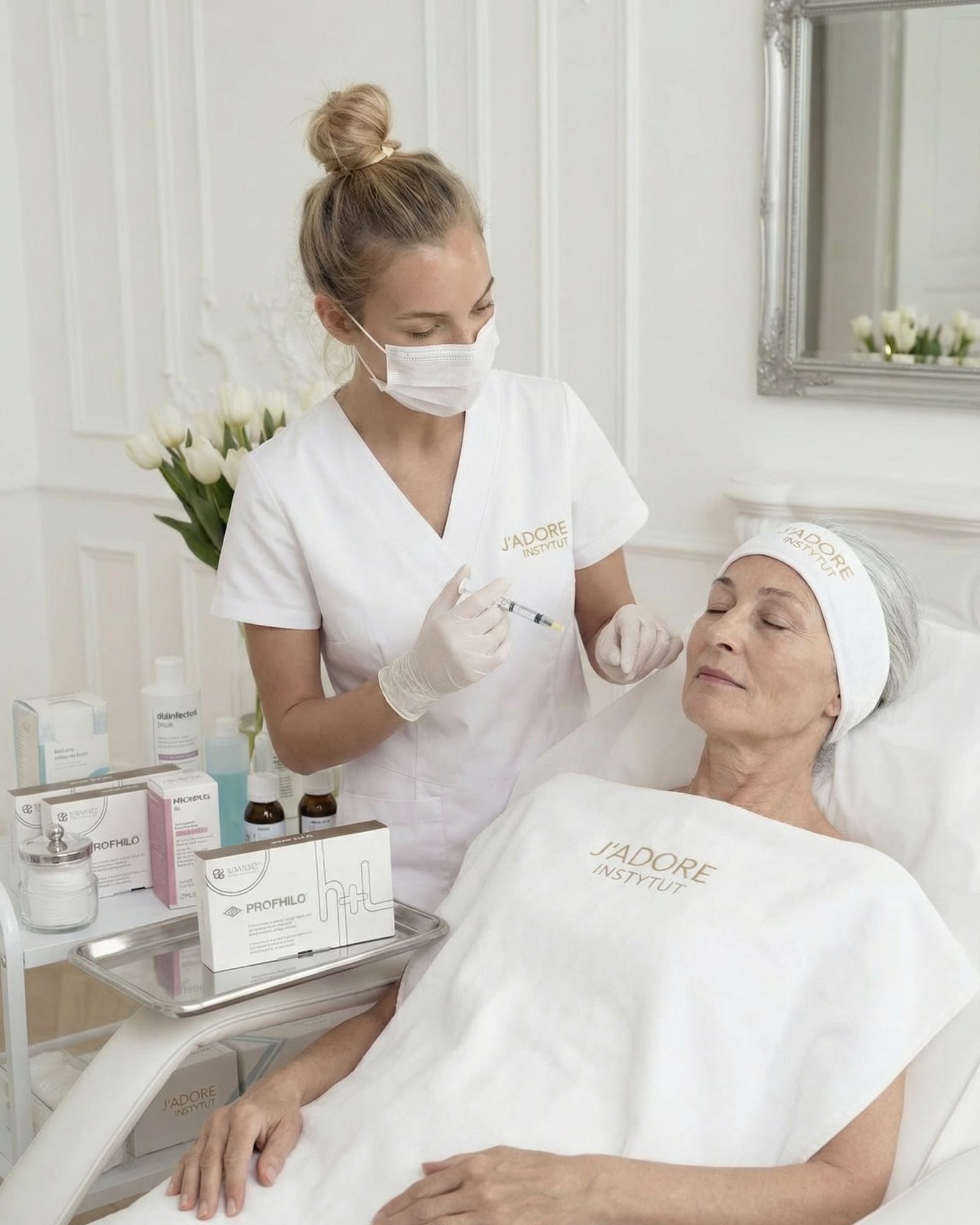
A doctor performs the treatment after assessing suitability. The injection site, choice of needle or cannula, amount and intervals between visits follow anatomy and the product instructions. No single schedule applies to the entire category. Agree on a follow-up appointment and how to compare skin condition before and after treatment.
Swelling, tenderness and bruising can occur after injection. Serious complications are also possible; increasing pain, skin colour changes or visual disturbances require urgent medical attention. Risks must be discussed before treatment, and instructions for contacting the clinic should be provided. The speed and extent of changes vary between individuals.
Limitations and questions for the consultation
Neither type replaces a surgical facelift or addresses every cause of facial sagging. Restoration of fatty tissue, a specific degree of lift or the same duration of results for everyone should not be promised. Potential benefit must be assessed for a specific preparation and person.
Ask what problem the proposed formula is intended to address, what indications it has for that area, what alternatives exist and when results should be assessed. If the plan includes other injections, laser treatment or a peel, discuss the order and intervals. Combining methods does not guarantee greater effectiveness and may require an additional risk assessment.
How are sessions and follow-up planned?
The number of visits, intervals, amount and technique depend on the product instructions, area size and medical assessment. There is no common schedule for all body skin biostimulators. Agree on a follow-up date and how results will be assessed; photographs in similar lighting may help comparisons.
Swelling, bruising or tenderness may follow injection. A temporary change in appearance should not be treated as the final result. Further sessions depend on response and tolerability, not simply a package timetable. Before treatment, discuss risks, contraindications and how to contact the clinic about concerning symptoms.
Who might consider treatment — and what are its limits?
A consultation may be considered for changes in skin elasticity or hydration, but age or weight loss alone is not an indication for injection. A body skin biostimulator does not remove fat, excise excess skin or guarantee correction of cellulite or stretch marks. The extent of possible improvement is individual.
Report medical conditions, medicines, previous procedures, allergies, pregnancy or breastfeeding. Active inflammation or infection in the treatment area requires assessment before injection. Combining injections with laser treatment, a peel or another method requires a separate plan and intervals; it is not automatically more beneficial.
Body skin biostimulator treatment areas
The arms, knee area and décolletage require separate assessment. Questions about the abdomen or inner thighs should also be discussed with a doctor, checking the indications of the specific preparation. A product intended for one area should not be assumed suitable for every other area.
Prepare a description of the concern, your treatment history and questions about alternatives. Ask about limitations, the cost of the plan and when it would be sensible to stop further injections. Deciding against treatment can be an appropriate outcome of a consultation.