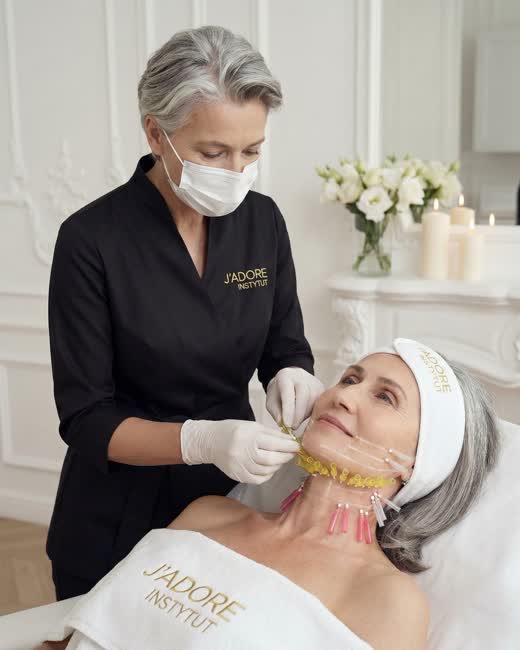
Three methods, three different mechanisms
The basic rule: needle shaping contours tissue through precise injections. HIFU works thermally in deeper layers, without breaking the skin. Injectable biostimulators rebuild collagen from within. Before we get into detail, here's a quick summary:
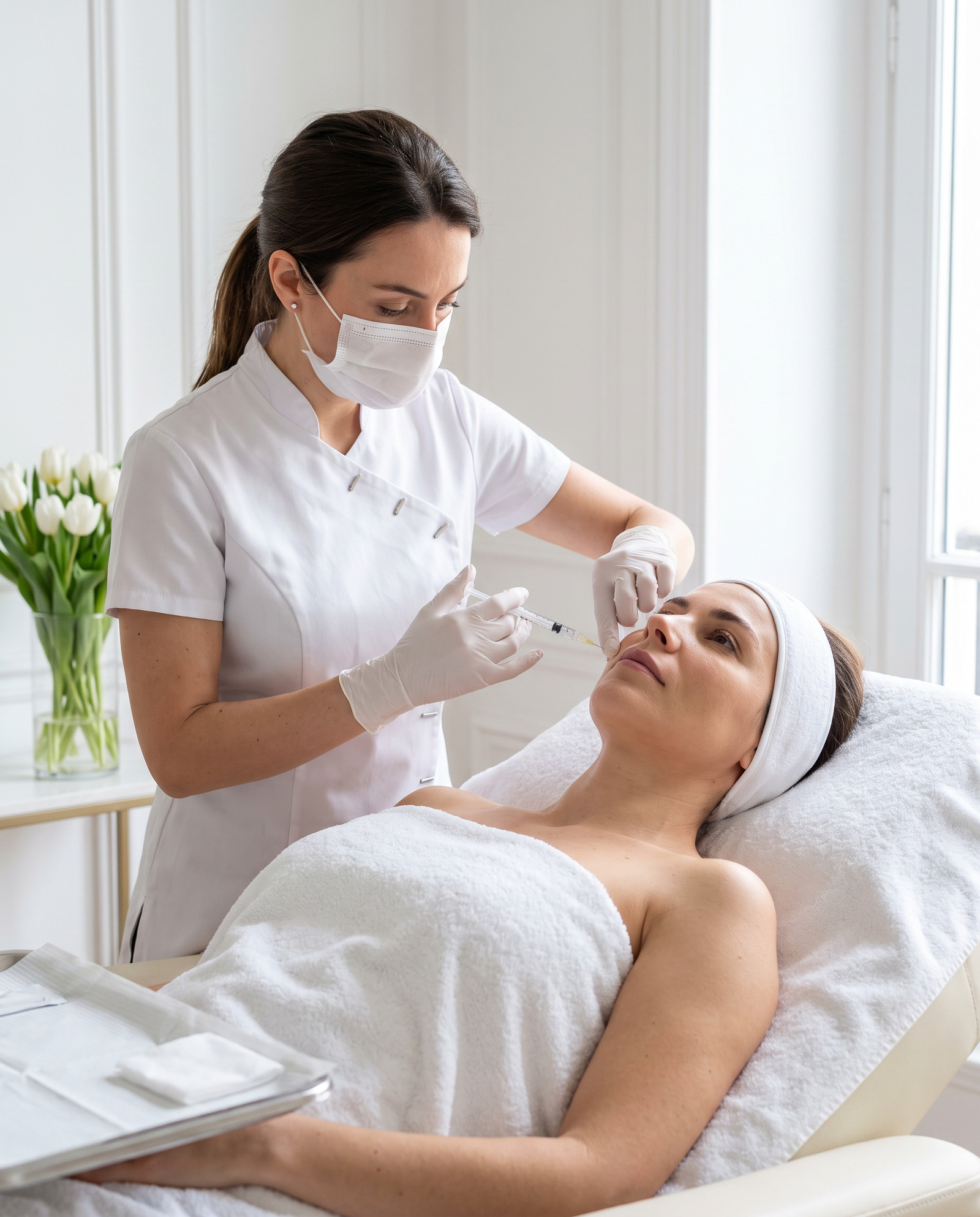
Needle shaping
contours the face through injection
- improves facial contour and jawline definition
- gives a "redefined" facial profile
- combines mechanical and biological action
- visible change after the first session
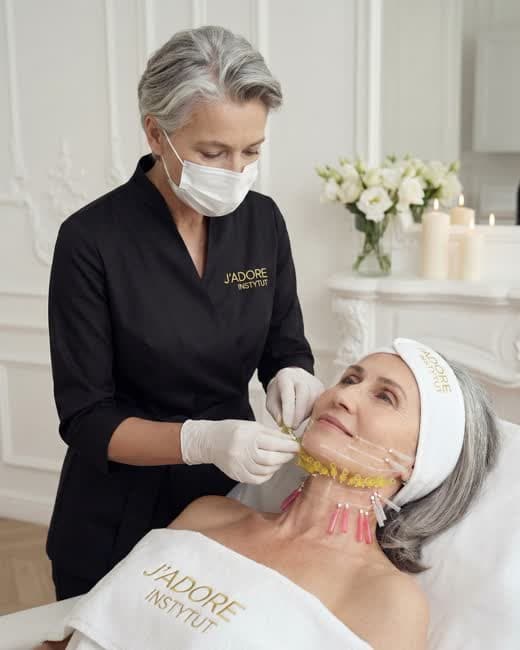
HIFU
thermally contracts deep tissue
- reaches deep tissue layers (SMAS)
- a "lifted" effect without injections
- a natural lift — without changing volume
- results build over 2–4 months
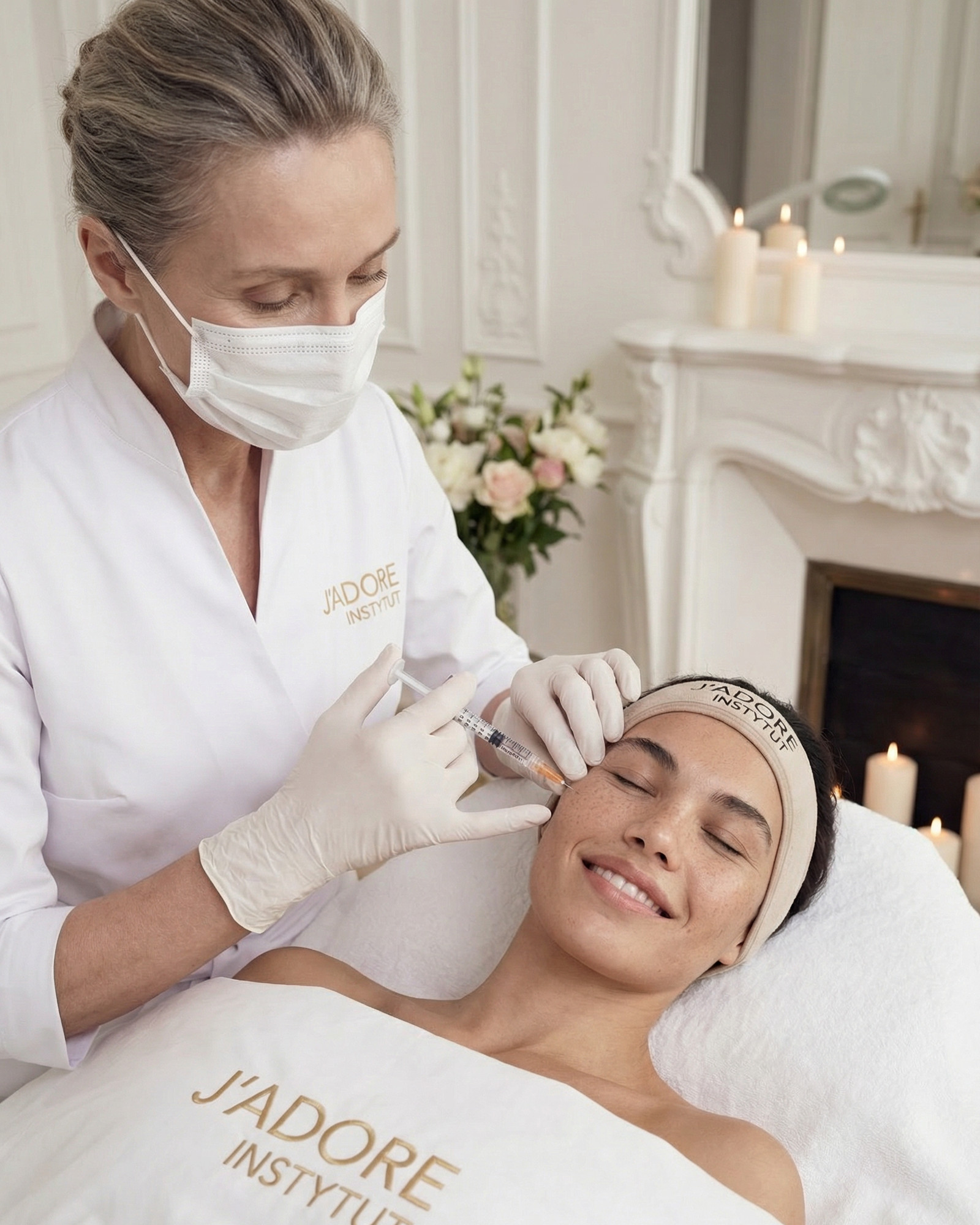
Injectable biostimulators
stimulate collagen from within
- improve density, elasticity and hydration
- skin looks "thicker" and more plump
- gradual, cumulative action
- good for thin, grey, fatigued skin
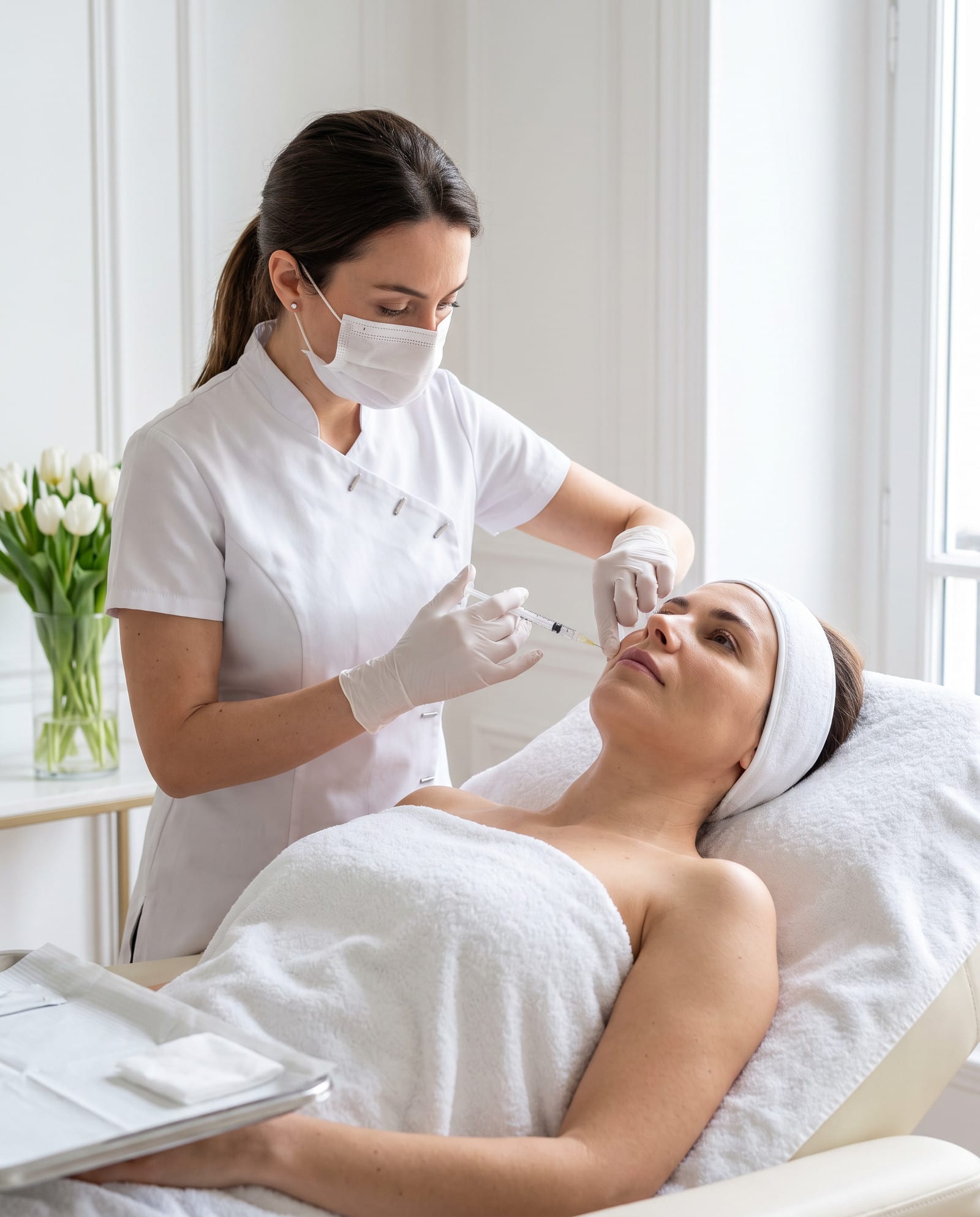
How to check what you need — a home test
Before you book a consultation, try a simple mirror test. It takes two minutes and sets the conversation on the right track:
- Look from the front and from the side. Has your jawline lost its clear outline? Have your cheeks "slipped" downwards? Do you have "hamster" cheeks or a double chin? → this points to contour and facial shape → direction: needle shaping or HIFU.
- Gently pinch a fold of skin on your cheek. Does it feel thin, almost paper-like? Does it lack elasticity — does it fail to spring back immediately? → this points to loss of density → direction: injectable biostimulators.
- Gently pull the skin upwards, using your palms, not your fingertips. Does your face look fresher and "lifted"? → this answers whether a lifting effect is achievable → direction: HIFU as part of the plan.
- Did the problem develop slowly, over several years? Is the loss of firmness widespread, affecting the whole face rather than one area? → complex loss of firmness often needs a multi-level approach — combining methods as part of a plan set by your doctor.
Needle shaping — what sets this method apart
Needle shaping combines precise injection technique with tissue modification at both a mechanical and a biological level. The doctor works with the needle deliberately — shaping the contour and stimulating the skin's natural repair processes. The result looks subtle and natural, because it doesn't add volume the way a filler does. Instead, it reorganises and firms existing tissue. That's why needle shaping works particularly well where the face has lost its shape, not its volume.
This is a medical procedure, performed by an aesthetic medicine doctor during an individual consultation, who selects the technique for each person. There's no single "standard" protocol — this is one of those methods where the specialist's knowledge and hand matter most.
When to combine — and why
A good rejuvenation plan rarely relies on a single method. Each of the three works on a different layer. That's exactly why combining them can achieve a result none of them reaches alone. The logic of combining follows the layers of the problem:
Needle shaping + biostimulators
Contour and facial redefinition plus rebuilding skin density. They complement each other: needle shaping contours, the biostimulator improves the tissue quality the result relies on.
HIFU + injectable biostimulators
Deep lifting plus rebuilding the dermis. HIFU "lifts" the structure, the biostimulator improves what that structure is built from.
Needle shaping + HIFU
Contour modification plus thermal tightening. Chosen for more advanced loss of facial shape and tissue firmness.
All three combined in a programme
For multi-level loss of firmness, spread over time rather than in a single session. Your doctor sets the order and intervals.
The key rule: methods complement each other, they don't replace one another. The question isn't "which is better" — it's "what's needed at this stage, in this layer". That's why a thorough medical consultation, before anything is planned, matters so much here.