WarszawaŻelazna 59WarszawaMińska 29AKrakówKarmelicka 45Warszawa · Kraków

Careers

ENPL

Aesthetic Medicine · how it really works

Profhilo and Profhilo Structura — when you need the structural variant

Profhilo and Profhilo Structura sound similar. But it is like comparing a hydrating foundation with a collagen injection — their mechanism, depth and purpose have little in common.

8 min read7:30 of audio

Listen to the article

read by Leda · 7:30

0:007:30

When someone says, “I want Profhilo”, they usually have one particular image in mind: a gentle treatment, several injection points, intensive hydration and a natural improvement in skin firmness. In most cases, this image is accurate — Profhilo is one of the best-researched biostimulators on the market, with a mechanism of action unlike that of classic hyaluronic acid.

But there is one detail that rarely comes up in conversation — and it changes everything: Profhilo is not one product. There is a variant — Profhilo Structura — which works deeper, on a different tissue target and for a different clinical indication. Although both formulas share the same underlying technology, it is like comparing cough syrup with an antibiotic because both taste of raspberry.

This article explains the mechanism of both products — layer by layer, honestly and without magical thinking. The decision about “which Profhilo” belongs to the doctor, not to you. But it is worth understanding the difference.

Where Profhilo came from — and what its technology is

Before you understand the difference between Profhilo and Profhilo Structura, you need to understand what Profhilo is. It is not a filler, even though it is injected with a needle. It does not add volume where it is lacking. It does not fill wrinkles or reshape facial contours. It is an entirely different category of treatment.

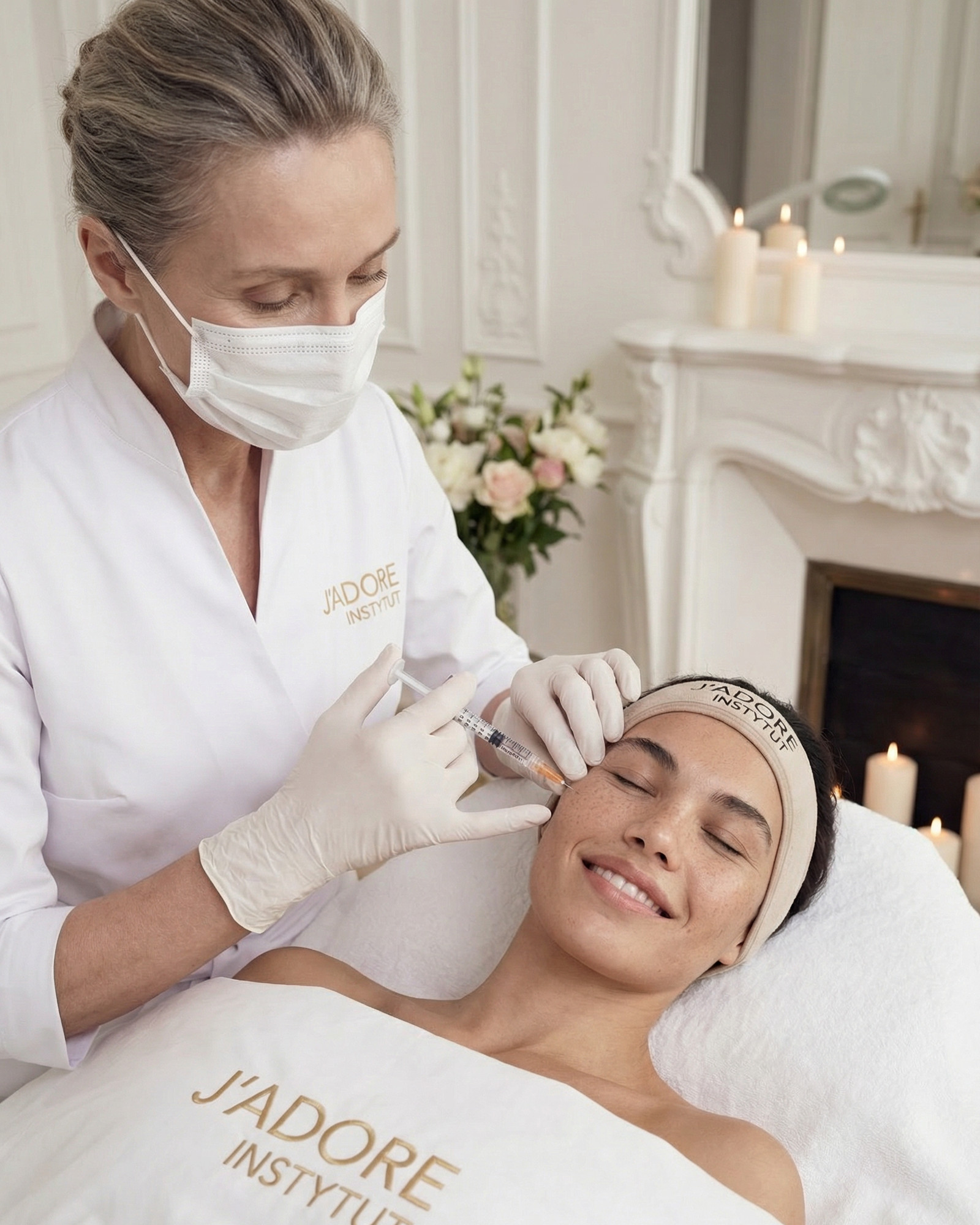
Profhilo is a biostimulator based on hyaluronic acid at an exceptionally high concentration. Rather than remaining in one place like a filler, it spreads through the tissues over a relatively large area. The application technique, known as BAP — Bio Aesthetic Points — is designed to allow the product to migrate beneath the skin and reach the surrounding areas. The result is not localised filling, but diffuse hydration throughout the tissue. More importantly, it stimulates the skin to produce collagen, elastin and lipids.

What “structural” means — and why it is a different approach

Profhilo Structura is an evolution of the same NAHYCO technology. However, it is designed for an entirely different tissue layer. While classic Profhilo works mainly in the dermis — hydrating, stimulating regeneration and improving surface quality and firmness — Structura reaches deeper: into the subcutaneous tissue and SMAS (the superficial musculo-aponeurotic layer).

What does this mean in practice? Structura does not simply “hydrate and nourish” the skin. It works on its support from beneath. Where tissue loses density, structure and its ability to hold its shape with age, Structura acts as an “internal scaffold”. It is denser and firmer in consistency. It is injected deeper, using a technique adapted for support rather than hydration.

Profhilo (classic)

a hydrating and regenerating biostimulator

  • Injected intradermally or deeper into the dermis
  • High migration capacity — reaches large areas
  • Purpose: hydration and improved skin quality and firmness
  • Stimulation of collagen, elastin and lipids
  • BAP technique — several points on the face
  • Result: healthier, denser and more radiant skin

Profhilo Structura

a structural and supportive biostimulator

  • Injected deeper — into the subcutaneous tissue and SMAS
  • Denser, less mobile — remains where it is injected
  • Purpose: rebuilding tissue support and scaffolding
  • Stimulation of fibroblasts in deeper layers
  • A technique and application points different from the classic version
  • Result: improved facial contours, support and lifting firmness

When a doctor chooses each product — the logic behind indications

The most common misconception is this: “I am 45, my skin has lost firmness — I will choose Profhilo Structura because it is the stronger version.” This reasoning is tempting, but incorrect. “Structural” does not mean “stronger” in terms of the degree of effect — it means a different anatomical target. This is precisely why the decision belongs solely to the doctor, who first assesses what is really happening and at which tissue level.

  • Classic Profhilo — when it is the right choice. Your skin is dry, lacks radiance, or is thin or “tired”. There is a loss of surface density and elasticity — the skin returns slowly after being pressed and does not “spring back”. The aim is to improve skin quality itself, provide deep hydration and stimulate regeneration. It can also be used preventively in the third to fourth decade of life, before deeper structures begin to lose support. In these cases, Structura would be excessive — and, if injected inappropriately, may not deliver the result where it is expected.
  • Profhilo Structura — when tissue loses support, not only quality. The face begins to “drop” — the mid-face becomes hollow, the jawline loses definition and the cheeks sit lower. It is less about skin dryness or radiance, and more about the fact that the geometry of the face is changing: facial contours become blurred and the tissue no longer stays where it should. This indicates that the issue lies deeper — in a layer that classic Profhilo simply cannot reach. In this context, Structura can work as a biostimulator supporting the structure from within — not instead of a filler or lifting, but as part of a plan.
  • Combining both — when there are two different concerns at once. We quite often see faces with both skin quality concerns — dryness, loss of radiance and thin skin on the cheeks — and structural support concerns, such as descending tissue and blurred facial contours. In these cases, the doctor may plan a course including both products — at different times or in different sessions — because they address literally different layers of the same concern.

What the treatment involves — what to expect

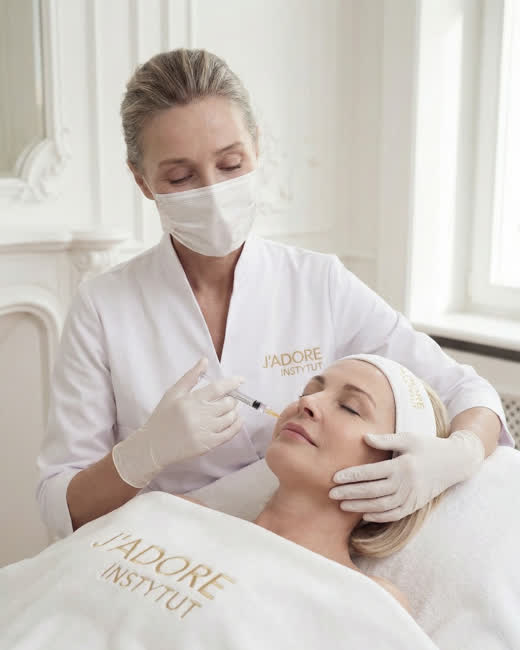
Both Profhilo and Profhilo Structura are salon treatments performed by a doctor, without general anaesthesia. However, the experience may differ, and it is worth knowing this in advance.

  • Classic Profhilo. The BAP technique usually involves several precise injection points on the face: the cheeks, around the mouth, jawline and temples. The treatment is relatively quick, and the needle reaches the dermis. Small bumps may be visible at the injection sites for several minutes after the treatment — this is normal and passes. Usually, two sessions are performed four weeks apart. Results develop over the following weeks.
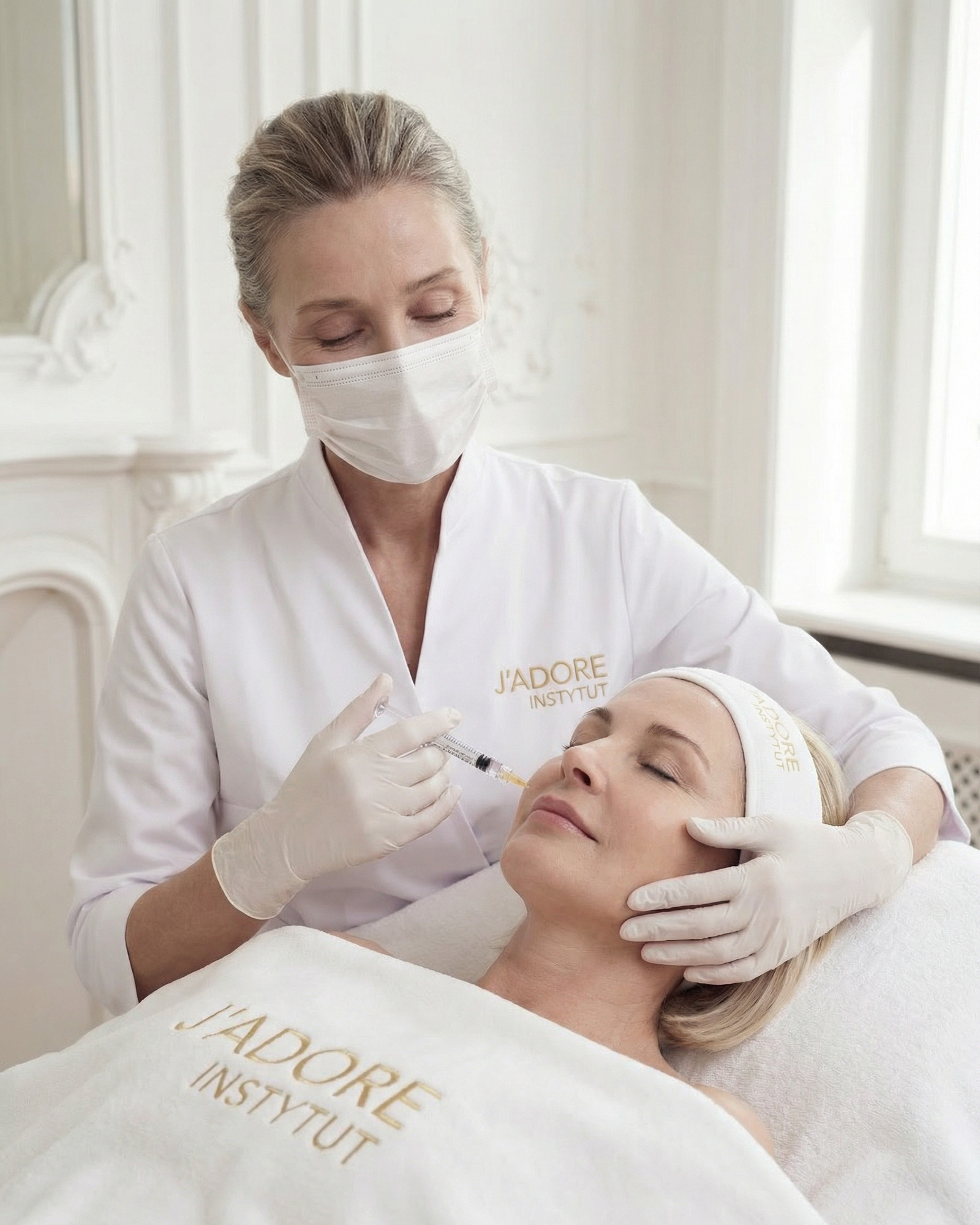
  • Profhilo Structura. The technique and injection depth are different — the product is placed deeper, which may mean slightly different sensations during the treatment. The number and placement of injection points are adapted to your anatomy and determined by the doctor. The product is denser, so it may require slightly more time at the injection site. As with classic Profhilo, the session schedule usually includes two visits, although the doctor selects the plan individually.
  • Results and waiting time. Both products work as biostimulators — meaning that results develop gradually as the tissues respond to the product and begin producing their own supportive fibres. Do not expect an immediate result as you would with a filler. The full result is usually assessed six to eight weeks after the final session.

What Profhilo is not — and what it is worth combining it with

One of the most common mistakes is expecting Profhilo to do things it does not do by definition. Before deciding on the treatment, it is worth being clear about what it does not make sense to expect from it.

  • Profhilo does not add volume. If your main concern is hollow cheeks or a lack of volume in the mid-face, Profhilo will not correct this deficit. This is a role for contouring fillers or volumisation. Profhilo will improve the quality of the skin over this area, but it will not “return” the tissue to its place.
  • Profhilo does not provide mechanical lifting. If the tissue has already descended noticeably — sagging cheeks, pronounced jowls or loss of jawline definition — Profhilo alone, even Structura, will not replace lifting threads or a HIFU treatment. It may be part of a plan, but not the only tool.
  • Profhilo works very well with other methods. This is why it is often used as part of a comprehensive course: Profhilo improves skin quality and condition, while other methods address volume or firmness. A combination is often more effective than each method used separately.