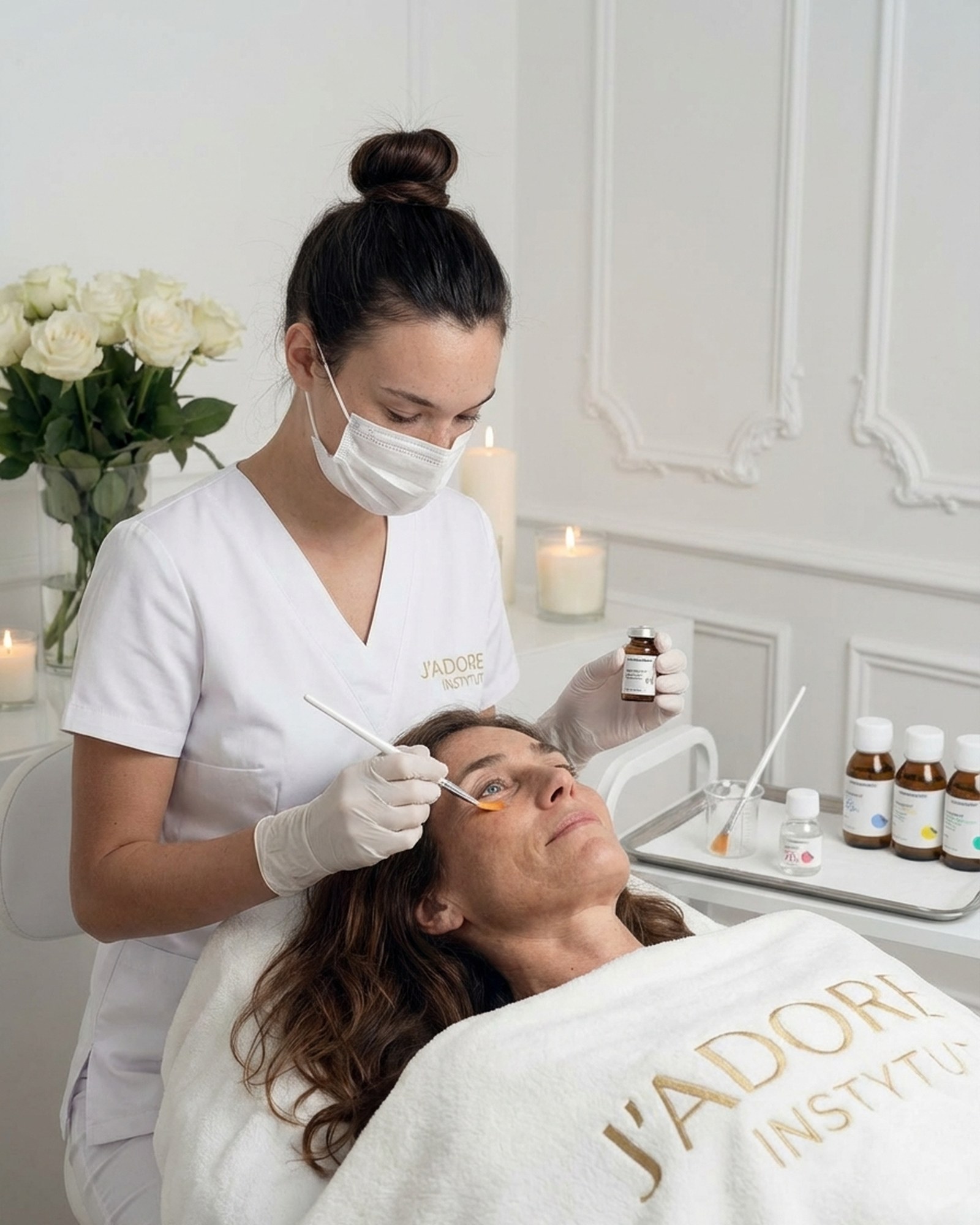
The first visit sets a reference point, not a final dose
Before starting, the cosmetologist examines the skin without make-up and asks about home retinoids, acids, medications, recent treatments and previous reactions. They pay attention to areas that are already dry or red. A photo in constant light and a short note help distinguish the change after the peel from what was present before. Without a reference point, it is easy to attribute every good and every unwanted difference to the treatment.
The debut is not for testing maximum endurance. It is to show how a specific phototype, barrier and daily routine react to the applied protocol. If everything goes calmly, the next stage can be planned with more knowledge. If the reaction is stronger than expected, the break is extended, the intensity is changed or further applications are abandoned. The first treatment provides data; it does not grade the skin's resistance.
Four to six visits is a working range, not a promise
- Individual needs. The number of meetings depends on the problem, its severity, skin tolerance and what happens between visits.
- Diverse goals. A person looking for surface refreshment may end the plan earlier than someone working on extensive, uneven colour.
- Skin reaction. Skin prone to irritation may need longer breaks or a different method, even if a full series was originally scheduled.
- Safety rule. An additional peel is not performed just to make the number on the card match.
An initial range helps to book a slot in the season and discuss logistics. After each stage, however, the same set of questions should be asked: has the skin regained comfort, has the redness subsided, how long did the peeling last, what has changed in the care routine and is the result moving towards the main goal? If the answers do not justify the next session, the schedule must be changed. Flexibility does not indicate a lack of a plan; it is its condition.
A multi-week break is used to observe the full cycle of reactions
In practice, the break often falls between two and four weeks, but it can be extended. Reasons include a stronger reaction, infection, travel, sun exposure or the introduction of medical treatment. It is not shortened because a client has a free day or wants to finish before the holidays. The distance between visits is part of the protocol adjusted to the skin's response, not a space for schedule optimisation.
The first effect concerns the surface, not the entire promise of the series
- Surface smoothing. After the first visit, many people feel that the skin becomes more uniform to the touch, which translates into easier make-up application.
- Improvement in colour. Some clients notice a fresher complexion tone after the initial dryness subsides.
- Early signals. These first changes only confirm the direction of the therapy, not the completion of work on hyperpigmentation, texture or fine lines, which require more time and an individual response from the body.
The most common disappointment arises when a client compares their face day by day and expects linear improvement. During peeling, the skin may look less even than before the treatment, then regain comfort, and only later show a more subtle change. Photos taken daily in different light only increase the chaos. It is better to assess at a set moment, without make-up, in similar lighting and according to the same criteria.
The third visit does not have to repeat the first
Another scenario concerns skin that reacts calmly, but the main goal does not change despite correct execution. Instead of promising that the next application will "definitely break" the problem, one must re-evaluate the diagnosis and the method's capabilities. Persistent spots, deep scars or changes requiring a dermatologist do not become better indications just because two visits have already been performed. The series may end with a change of direction.
Sometimes it is the opposite: a client says they barely peeled after the second treatment and asks for a significantly stronger third session. The cosmetologist does not evaluate this request based on the number of visible flakes. They check photos, comfort after washing, redness and the actual surface change. Small peeling does not automatically mean small effect, and a more spectacular reaction is not a goal in itself. If the skin achieves the agreed result with a calm course, there is no reason to turn the third visit into a show of intensity.
A home retinoid can change the rhythm of the entire plan
There is no single universal day to return to a home retinoid. It depends on the protocol used, the skin condition and the recommendations of the person in charge. Shortening the break on one's own blurs the picture of tolerance, because it is unknown whether the reaction was caused by the salon, the home cosmetic or their too-close combination. During a series, it is better to keep a simple list of used products than to try to remember everything at the end of the month.
A missed visit does not set the skin back to the starting point
It is a mistake to try to "make up" for two dates with a denser schedule. Each application still requires separate time for observation. A longer break may reduce the programme's continuity, but it is usually less of a problem than applying stimuli to skin that has not returned to balance. When returning, facts from the day of the consultation matter, not guilt over an empty box in the calendar.
An important event can interrupt a series without harming the logic
If a wedding, a photoshoot or a trip appears in the middle of a plan, do not squeeze in another peel as close to the date as possible. First, determine the period during which the appearance must be stable, and then leave a safe window. Sometimes the last visit before an event falls earlier than the client assumed. Sometimes the entire stage is moved to a later date. This is not interrupting therapy due to a lack of consistency, but protecting predictability.
A person after several sessions may know their typical rhythm, but they should not treat it as a guarantee. Changes in weather, sleep, stress, new medications and cosmetics can affect the reaction. When an event does not allow for even slight dryness, the best choice is to end active procedures in advance and stick to familiar care. The series is meant to serve the skin, not compete with the calendar.
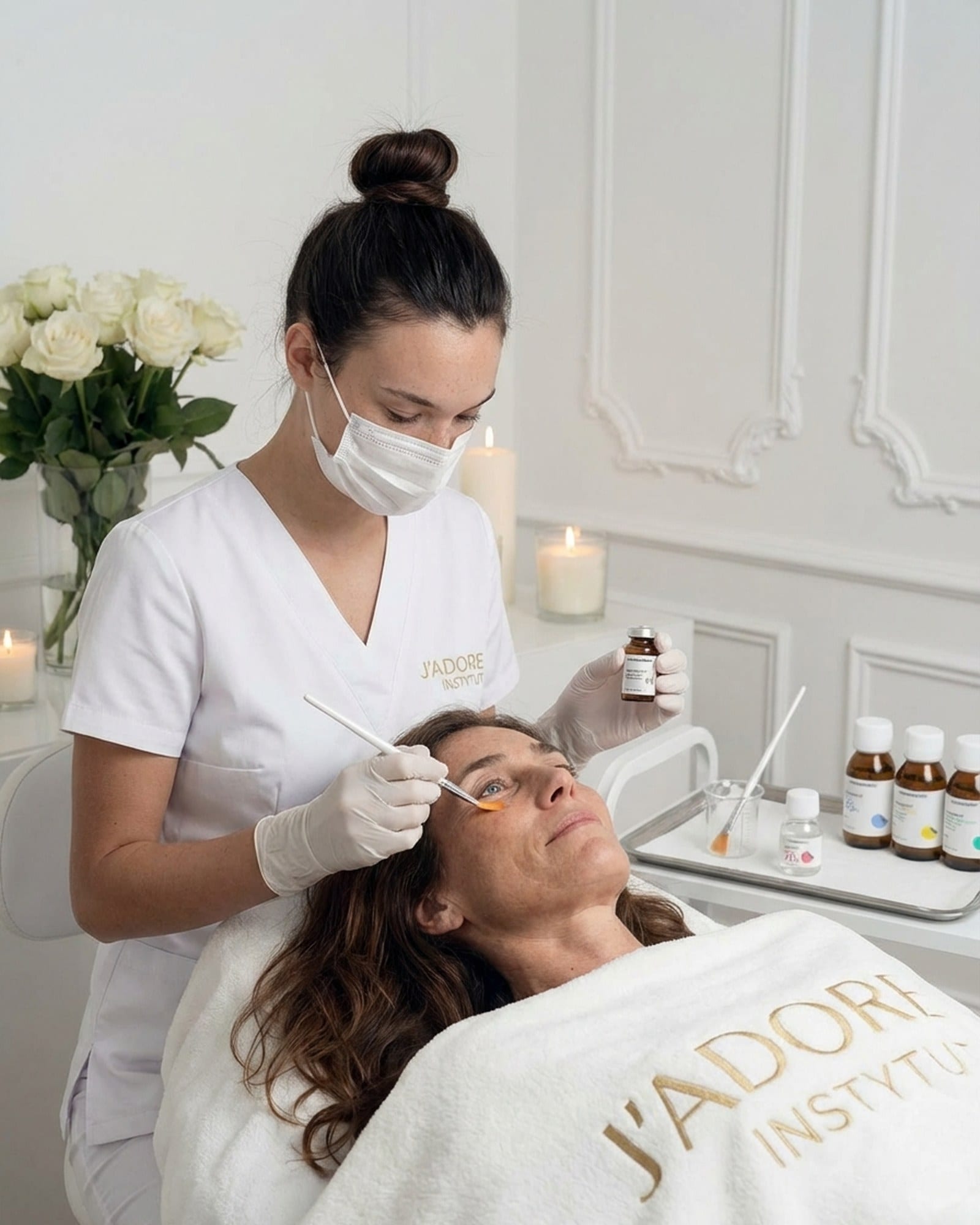
The fifth visit reveals whether expectations have outpaced the method
A client returns after several stages and says: "it is smoother, but I still see spots". This is valuable information, not a complaint to be covered up with the promise of another treatment. The cosmetologist compares photos, asks about protection, checks the distribution of hyperpigmentation and assesses whether Retises CT still addresses the main problem. Improving one parameter does not mean that the same method will solve all the others.
At this stage, one can decide on ending, taking a break, maintenance or a consultation in a different direction. It is also worth returning to the sentence written at the beginning of the series. If the goal was more even make-up application and calmer texture, the result may be satisfactory despite the presence of deeper changes. If the goal was the complete removal of melasma, the problem from the beginning may have been the promise, not the number of visits performed.
A break is necessary when the reaction stops being predictable
Increasing pain, extensive swelling, blisters, discharge or other symptoms exceeding the discussed course require contact with the salon and appropriate assessment. Do not wait for the next scheduled appointment and do not cover the reaction with another active cosmetic. The same applies when an active infection, fresh damage or a new treatment affecting the skin appears between visits.
A less dramatic but important signal is constant stinging during normal care that does not subside before the next planned stage. The skin may look good in a photo while simultaneously not tolerating water or cream. This is enough to verify the schedule. The goal is not to lead to the greatest possible peeling, but to obtain a sensible response with acceptable regeneration.
A Warsaw series can use two locations, but it should have one set of documentation.
You can check the Retises CT in Warsaw range before your consultation. At Żelazna 59, 00-848 Warsaw, working hours are Monday–Saturday from 8:00 to 21:00 and Sunday from 11:00 to 19:00. J’ADORE at Mińska 29A/46, 03-808 Warsaw is open from Monday to Saturday between 9:00 and 21:00.
If appointments fall in different locations, bring the same set of information: dates of application, description of reactions, cosmetics used and photos taken in similar light. Do not assume that the phrase "it was fine previously" is enough to recreate the course. The continuity of a series comes from consistent data and qualification before each visit, not solely from the name of the preparation in the booking.
A simple observation card organises the decision about the next date
- Write down the day of application and the moment tension and peeling appeared.
- Assess the forehead, cheeks, mouth area, neck and décolletage separately if they were included in the treatment.
- List every active product used between visits, including those used only once.
- Note when normal washing and cream were completely comfortable again.
- Compare one main effect in the same light instead of changing the criterion daily.
Based on such a card, the cosmetologist can maintain the rhythm, extend the interval, change the range or end the series. They do not need a perfectly kept diary; they need specifics. The question "how many treatments?" therefore has an honest answer: usually a few are planned, but the number actually performed is decided by subsequent assessments. The best schedule is not the densest one. It is flexible enough to accept the skin's response without bending it to fit a package.
The series ends with the achieved goal or a clear limit of the method
You do not have to use all planned dates if the goal agreed at the beginning was achieved earlier. It is also not worth extending the cycle when the skin tolerates the procedure worse and worse or the main problem requires a different approach. The decision to end does not take away the value of previous visits. It shows that the plan was controlled and had a destination point.
Before your first peel, define what constitutes sufficient improvement and what signals a need to pause. Return to these two points after every visit. This method protects you from two extremes: giving up after the first day of peeling or thoughtlessly adding more sessions. Retises CT works over time, but time itself is not a treatment. What matters is observation, intervals and decisions made based on your skin's current state.