Three mechanisms — three completely different conversations
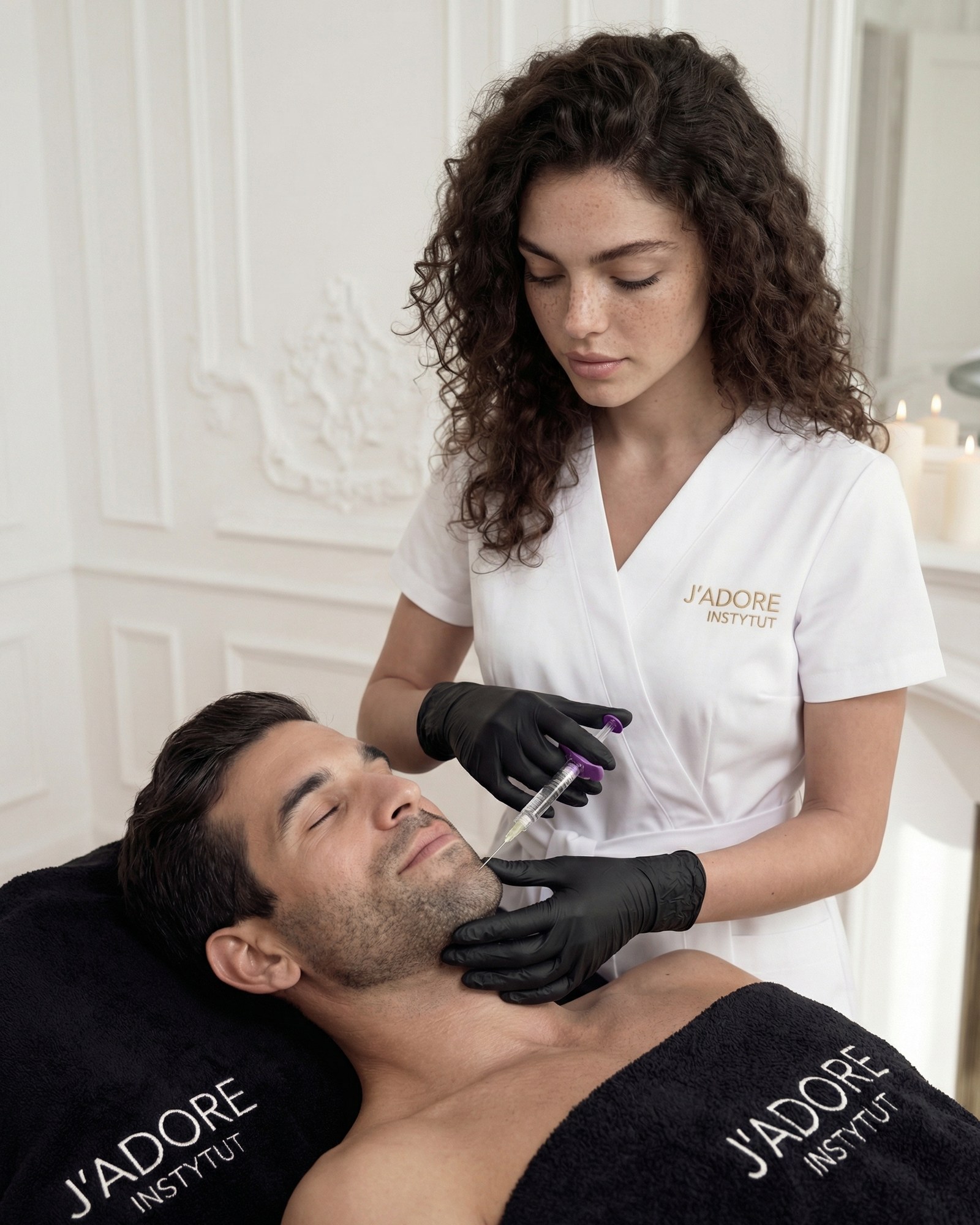
Before we compare them, one sentence on each: Sculptra stimulates the skin to build its own collagen — long-term, layer by layer, with no immediate filling effect. Hyaluronic acid (HA) fills space — precisely, instantly, exactly where you want it. The skin biostimulator hydrates and firms the entire skin globally — it doesn't add volume at a specific point, it improves overall condition and firmness across a wide area. The difference between them isn't about "stronger or weaker" — it's three different questions asked of the skin.
Sculptra
stimulates your own collagen
- facial volume loss linked to collagen depletion
- lax skin, "sunken", with no natural firmness
- results build over several months (3–6)
- results last a long time — up to 2 years after the full course
- requires a series of sessions, not a single visit
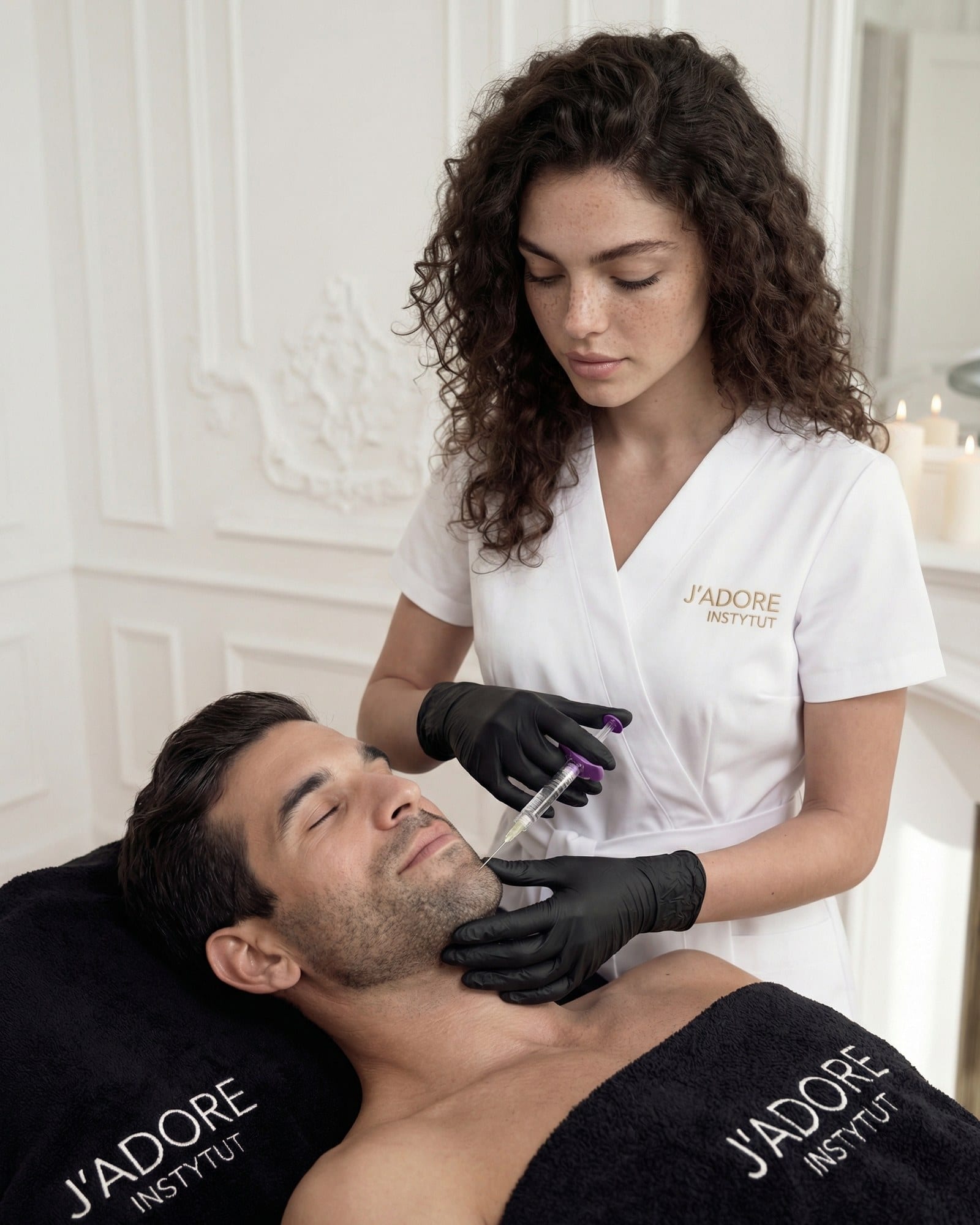
HA filler
adds volume precisely
- static folds visible at rest (nasolabial folds, marionette lines)
- volume loss in the cheeks, temples, tear troughs
- lip augmentation and contouring
- facial contour correction (volumetry)
- results visible immediately, reversible
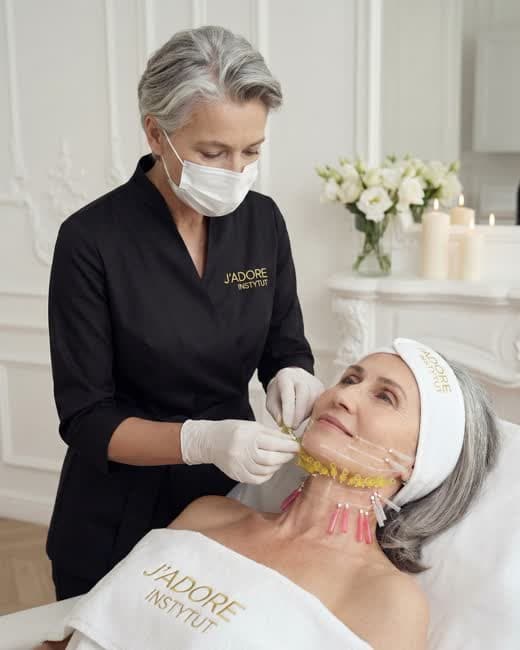
Skin biostimulator
hydrates and firms globally
- dry, thin skin, rough to the touch
- lack of elasticity and radiance, with no single specific "problem area"
- first wrinkles and loss of elasticity in younger skin
- a complement to a plan following treatment with Sculptra or HA
- results visible after a series of two sessions
A home test — before you ask your doctor, ask yourself
You don't need a diagnosis to work out which direction is more likely right for you. Three questions in front of the mirror — answer honestly:
- I can see a specific area that has "sunken in" — a fold, a hollow cheek, a shallow tear trough. I want to fill it quickly and precisely. → Direction: HA filler. Works at a specific point, results are immediate, reversible.
- My face has lost its overall "fullness" and lift. The cheeks look smaller, the jawline less defined. I look older, but I can't point to one specific spot. → Direction: Sculptra. Rebuilds volume through your own collagen — naturally and evenly.
- My skin is dry, dull, without firmness. I don't see one deep wrinkle — I see general "tiredness" and loss of elasticity. → Direction: skin biostimulator. A global boost of hydration and firmness, without point filling.
- I have a bit of everything. → The most common scenario in the clinic. A good doctor will build a plan in which these tools complement each other — not compete.
Timeline — when you want to see results
Timing is one of the most important variables in choosing between them. If you have a specific event in three weeks, Sculptra isn't the answer. If you're thinking about your skin two to three years ahead and want a result that builds naturally, an HA filler may be a temporary fix rather than the long-term solution.
- Immediate results (days): HA filler — precise, visible, reversible.
- Results after a few weeks: skin biostimulator — after a series of two sessions, the skin is noticeably hydrated and firmer.
- Results after several months: Sculptra — builds collagen over 3–6 months, lasts up to 2 years.
When to combine — and what pairs well with what
Mature skin usually doesn't need a single answer — it needs a plan that addresses several layers at once. In practice, these three treatments often appear together in one programme, spaced out over time with clearly defined roles.
Sculptra + skin biostimulator
global collagen rebuilding (Sculptra) combined with deep hydration and firming (skin biostimulator). Usually spaced out over time, they complement each other without overlapping indications.
Sculptra + HA filler
Sculptra works on facial volume long-term, while HA addresses specific areas that need immediate correction (lips, tear troughs). A popular combination in anti-ageing plans.
Skin biostimulator + HA filler
The skin biostimulator improves the overall condition of the skin, while HA precisely fills selected folds or contours the face. Often used together as "base + correction".
All three in one programme
for more pronounced skin atrophy and volume loss. The doctor sets the order and spacing, assessing what's the priority and what doesn't overlap.
An important rule: none of these treatments works better simply because it's "trendier" or "more expensive". It works better when it addresses a specific problem, in specific skin, at a specific moment. A clinic that offers "one best treatment for everything" from the outset isn't doing you a favour.