Where dark circles come from — and why sleep alone won't fix them
Before we get to the solution, it helps to understand what you're actually dealing with. A dark circle isn't one thing. It's several overlapping processes:
- Visible blood vessels. The skin under the eyes is exceptionally thin — slightly thicker in men than in women, but still translucent enough to show the darker, blood-rich tissue beneath. The result: a purple or blue tint that won't fade after sleep.
- Hyperpigmentation. Sun exposure, eye rubbing, allergies and time can all cause skin in this area to accumulate melanin. This gives a brown, darker tone — independent of circulation.
- Volume loss. With age, the fat tissue under the eyes shifts or diminishes. A hollow appears, and it casts its own shadow. No cream can reverse this, because the problem sits deeper.
- Swelling (bags). Fluid and fat tissue shift under the influence of sleep position, salt, alcohol, allergies and hormones. They're larger in the morning and smaller in the evening — a sign that lifestyle is often the driver.
Worth knowing: dark circles in men have a stronger genetic component than in women. If your father looked the same, part of this is an uphill battle against your own chromosomes. That doesn't mean nothing can be done — but expectations should stay realistic.
What Skeyndor does — and why the salon matters, not just home care
Skeyndor is a professional Spanish brand used in cosmetology salons. Its eye-area lines contain active substances targeted at specific mechanisms: improving microcirculation, reducing swelling, brightening hyperpigmentation, and rebuilding the skin barrier. This isn't "a rich eye cream from the pharmacy" — the concentrations and combinations of active ingredients are higher and more precise than in products available without a consultation.
Skeyndor salon treatment
what a specialist brings
- higher concentrations of active ingredients than home-use products
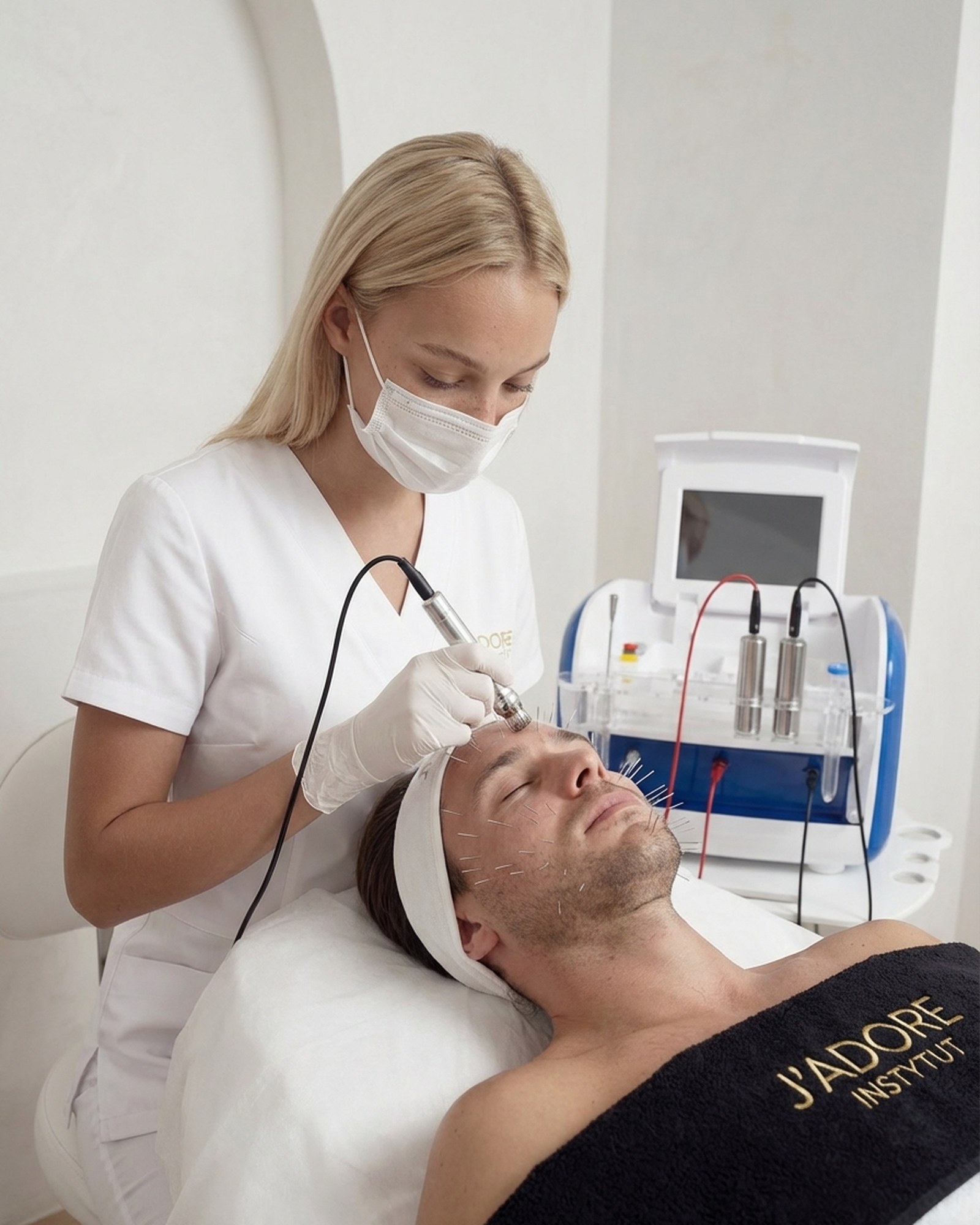
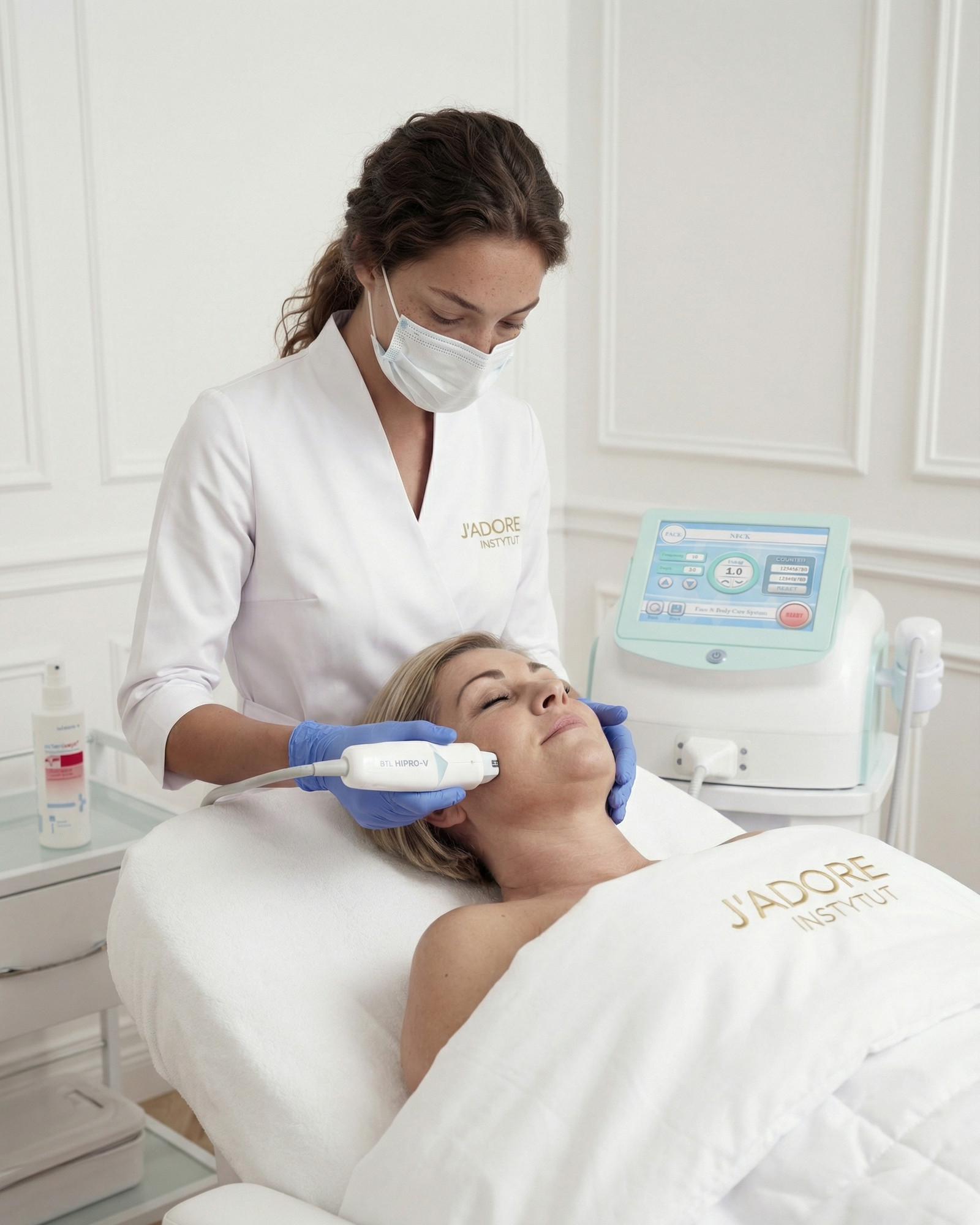
- application techniques (lymphatic massage, iontophoresis) that speed up absorption
- diagnosis — the cosmetologist assesses the real cause: vessels, pigment, volume or swelling
- a series of sessions produces a cumulative effect that's hard to achieve at home
Home care
what you can do between visits
- locking in the salon result
- slowing the progression of change
- hydrating and protecting the skin in this zone
- a simple protocol: SPF in the morning, active eye serum in the evening
In practice: the salon and home care aren't alternatives — they're two layers of the same work. A series of sessions resets the skin under the eyes: it improves circulation, reduces hyperpigmentation, and rejuvenates the tissue. Home care maintains the result between visits and slows the return to the starting point.
What to expect at the salon — no mystery
The question men ask most often: "does it hurt, and will anyone notice?" The answer to both is usually no. Treatment on the eye area uses gentle techniques — no needles, no invasive bleeding.
- 01
Consultation & diagnosis
The cosmetologist examines the skin under your eyes to determine whether you're dealing with vascular circles, hyperpigmentation, swelling, or a combination. This matters — different causes call for different active protocols.
- 02
Cleansing & preparation
Gentle facial cleansing. The skin around the eyes is exceptionally sensitive — this preparation step matters more here than anywhere else.
- 03
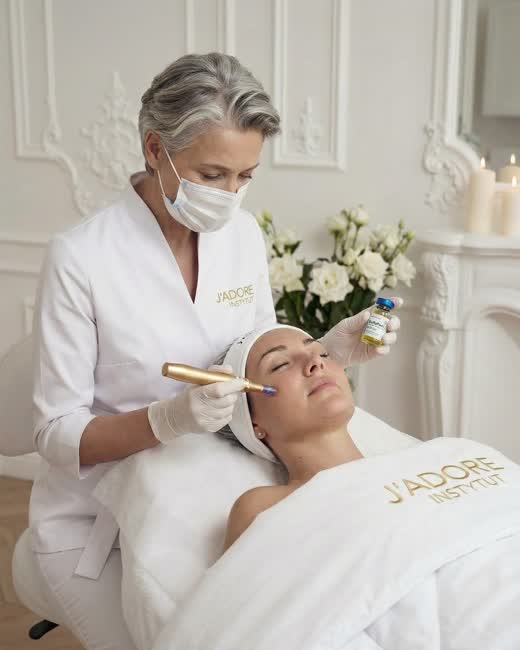
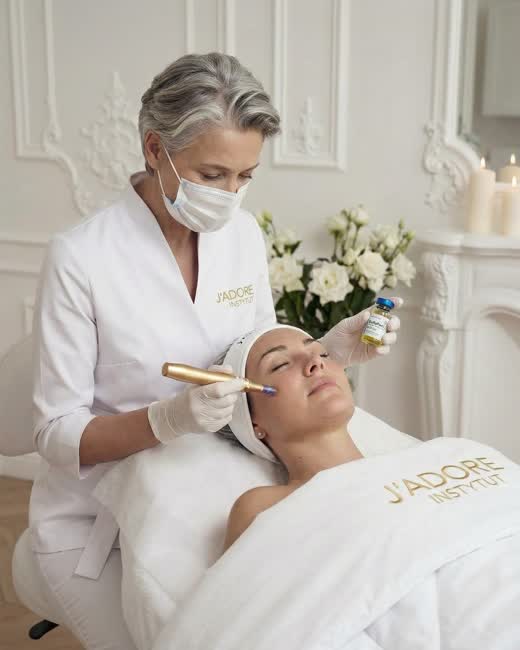
Application of Skeyndor actives
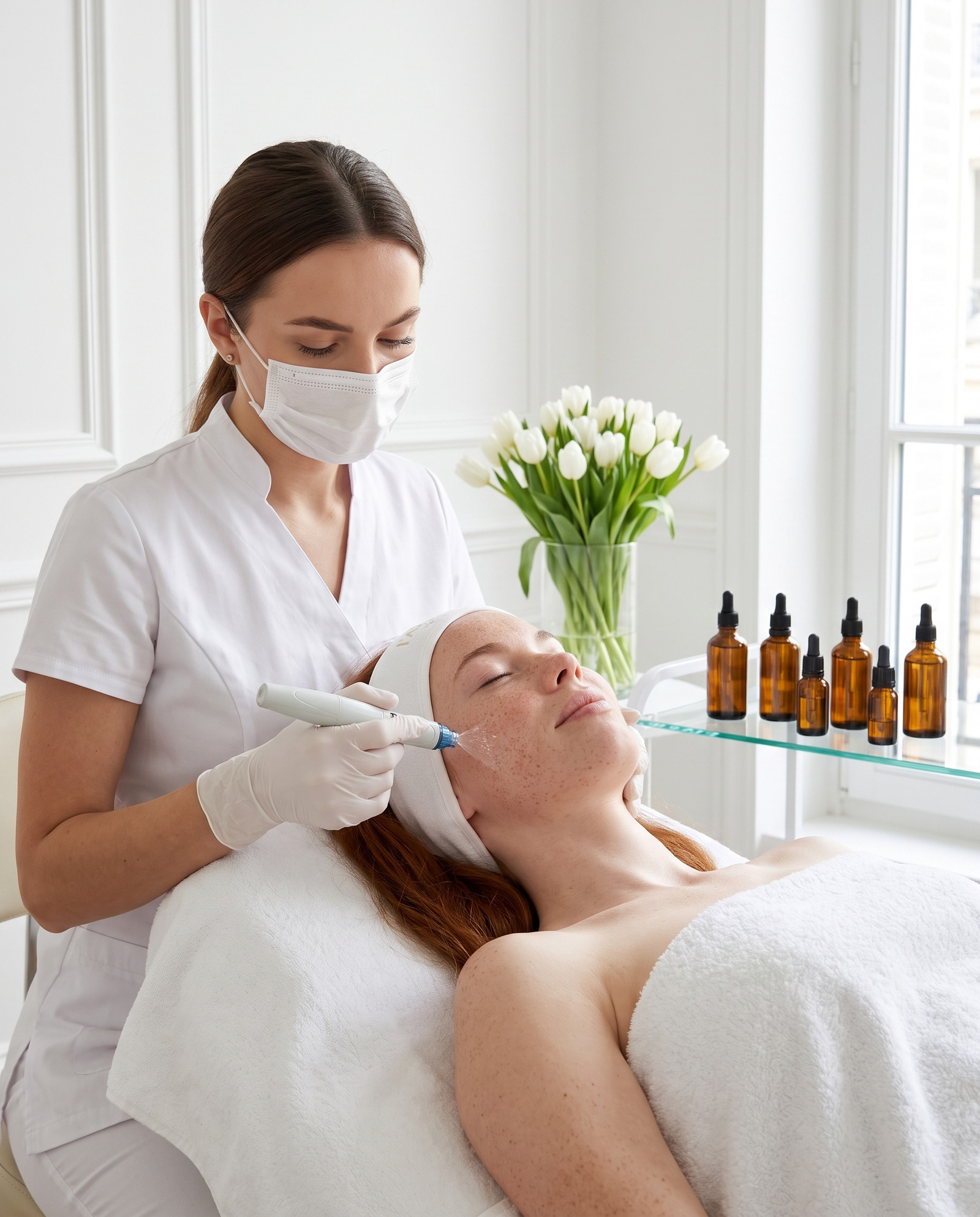
Serums, concentrates or masks, chosen to match your diagnosis. Lymphatic massage techniques help drain excess fluid and improve the absorption of active ingredients.
- 04
Closing step & SPF
Nourishing substances, a protective barrier, sun protection. The treatment ends with no visible trace — you can leave straight away.
After the treatment, you can go straight back to your day. No downtime, no visible changes that need explaining. Your skin might be slightly flushed for a few dozen minutes — a normal reaction to massage and active ingredients, and it passes quickly.
What to change at home — a practical list, not a philosophy
The salon gives you the initial push. What happens at home decides whether the result lasts. A few changes that genuinely matter for the eye area:
- SPF under the eyes in the morning. UV radiation worsens hyperpigmentation. Applying sunscreen to your cheeks and forehead isn't enough — the under-eye zone needs protection too. A light SPF 30–50 is enough.
- Cold water in the morning. A simple, zero-cost trick for morning puffiness: splashing cold water around the eyes a few times constricts the vessels and speeds up fluid drainage. Not magic, but it works instantly.
- Less salt, less alcohol in the evening. Swelling is directly proportional to the salt and alcohol consumed the night before. This isn't a lecture — it's physiology: salt retains water, alcohol disrupts microcirculation.
- Elevate your head during sleep. An extra pillow, or a slightly raised headboard, reduces overnight fluid build-up in this area. A small detail that makes a real difference for many people.
- A gentle eye serum in the evening. Not a face cream, not the same product you use elsewhere on your face. The under-eye zone reacts differently — it needs lighter formulas that absorb without leaving residue.
When to see a cosmetologist, when to see aesthetic medicine
This is worth asking before your first visit. A cosmetologist — and Skeyndor treatments — work well for vascular circles, hyperpigmentation, swelling and the general condition of the skin in this area. It's also the right first step: diagnosis, a series of sessions, and working out what's actually causing your specific problem.
There are situations, though, where cosmetology's effect will be limited, and a medical consultation is worth considering:
- Advanced volume loss. A deep tear trough — the groove running from the inner corner of the eye down the cheek — results from tissue loss, not a skin problem. Cosmetology can improve the condition of the skin above it, but filling it is a job for an aesthetic medicine doctor (using hyaluronic acid).
- Persistent, significant swelling. If the bags are large, constant, and unresponsive to lifestyle changes or skincare, they may have an anatomical cause (fat herniation). This falls under a plastic surgeon's scope, not a cosmetology salon's.
- Suspected internal cause. Pronounced under-eye bags can sometimes signal problems with the kidneys, thyroid, or cardiovascular system. If they've appeared suddenly and other symptoms are present, see a doctor first.