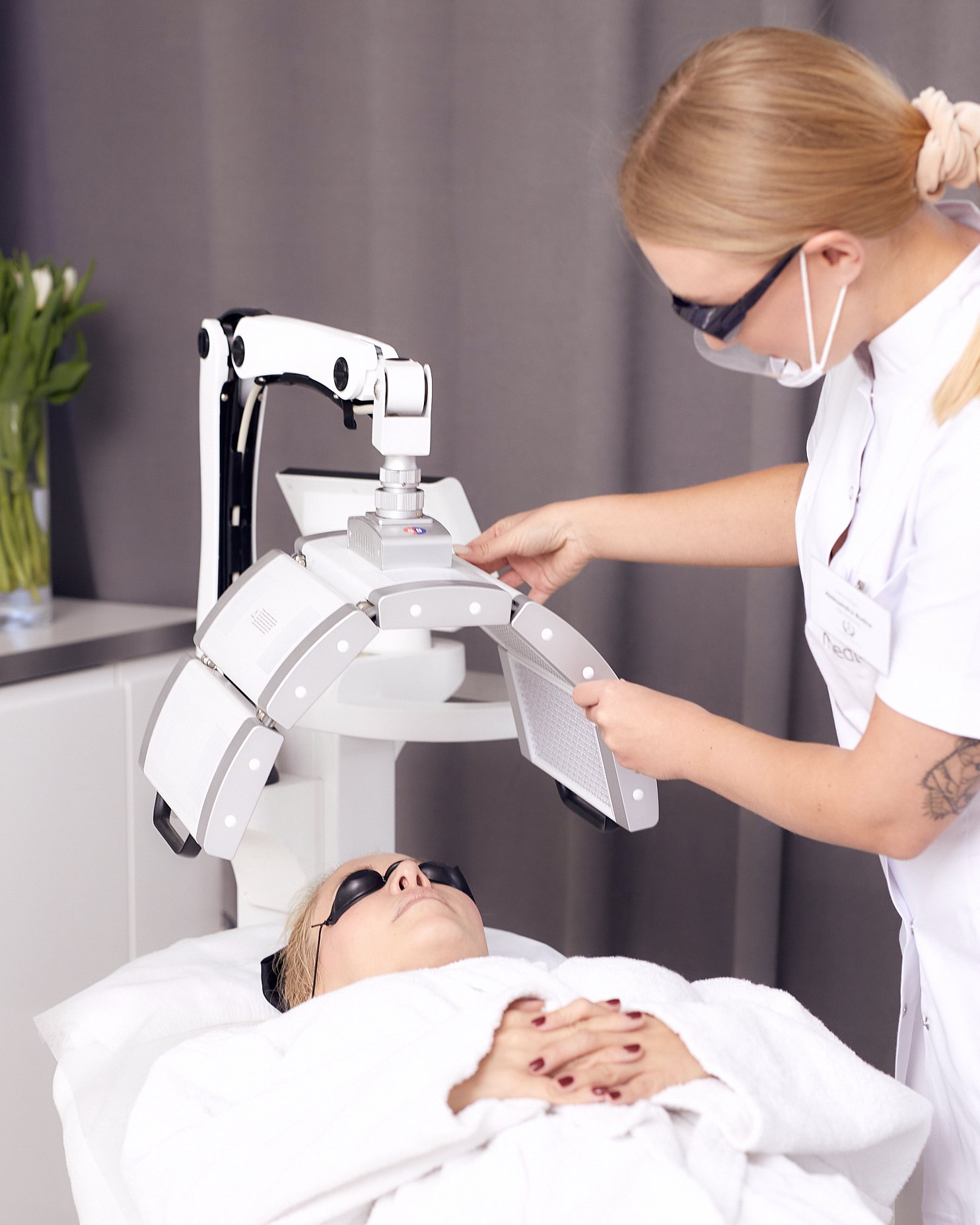
Three main colours, three different jobs
Before you judge whether LED "works", it helps to know that the name covers methods with quite different goals. Each wavelength interacts with different structures in the skin — and that's what determines its use, not how "intense" or "powerful" the lamp is.
Red light
regeneration and skin firmness
- stimulates fibroblasts — the cells that produce collagen
- may support healing and reduce redness
- often used on mature skin and after treatments
Blue light
easing acne
- targets the bacteria responsible for inflammatory acne
- may reduce the number of breakouts and calm inflammation
- often combined with acne-targeted skincare
Yellow (amber) light
evening skin tone and gentle calming
- may help reduce hyperpigmentation and uneven skin tone
- has a calming effect on reactive and vascular skin
- often used on tired-looking skin and after sun exposure
When LED really helps — and when it doesn't make sense
The most common question is: "does this actually work?" The honest answer is: it depends — on the type of problem, how long it's been there, how many sessions you do, and whether your skin is in the right condition for it. Here's an overview of situations where LED can be a valuable part of a plan — and situations where expectations often run too high:
- 01
Inflammatory acne during a flare-up
Blue light may reduce the number of active inflammatory lesions for many people. It doesn't replace dermatological treatment, but for mild to moderate acne it often serves as a useful addition.
- 02
Post-treatment skin — redness and irritation
Red LED is used after peels, laser treatments and mesotherapy to support regeneration and calm inflammation. This is one of its most well-documented applications.
- 03
Mature skin — lines and firmness
A regular series of red LED sessions can improve skin density and firmness for many people. The results are subtle and build up over time — don't expect a change after just one session.
- 04
Uneven skin tone
Yellow light can help brighten tired-looking skin and even out skin tone — though the scientific evidence here is the weakest, and differences can be subtle.
Full spectrum vs. a single colour — what's worth knowing
More and more salons now use LED devices that emit several wavelengths at once, or that switch between them depending on the need. There's no single "best" configuration — the right choice depends on what you're trying to achieve:
- Red + infrared — work together to stimulate collagen and may support deeper regeneration. Popular for mature skin and post-treatment care.
- Blue + red — blue targets bacteria, red calms inflammation. A logical combination for acne.
- Full spectrum (multi-LED) — versatile in theory; in practice, what matters is a protocol matched to your skin, not "everything switched on at once".
LED as a standalone treatment vs. part of a plan — which to choose
This is where the real difference lies between "I had LED" and "LED actually worked". LED therapy is rarely at its most effective as a stand-alone tool — its strength usually shows as part of a wider skincare plan, or alongside another treatment. So it's worth asking yourself: what am I hoping for, and how does that fit with my skin?
LED as a standalone treatment
when the goal is specific and realistic
- mild acne — a series of blue LED sessions as the basis of topical treatment
- reactive skin — red light for calming and hydration
- prevention and maintaining results after an intensive course
LED as part of a wider plan
when the goal is to strengthen and speed up results
- after peels and lasers — speeds up regeneration and calms redness
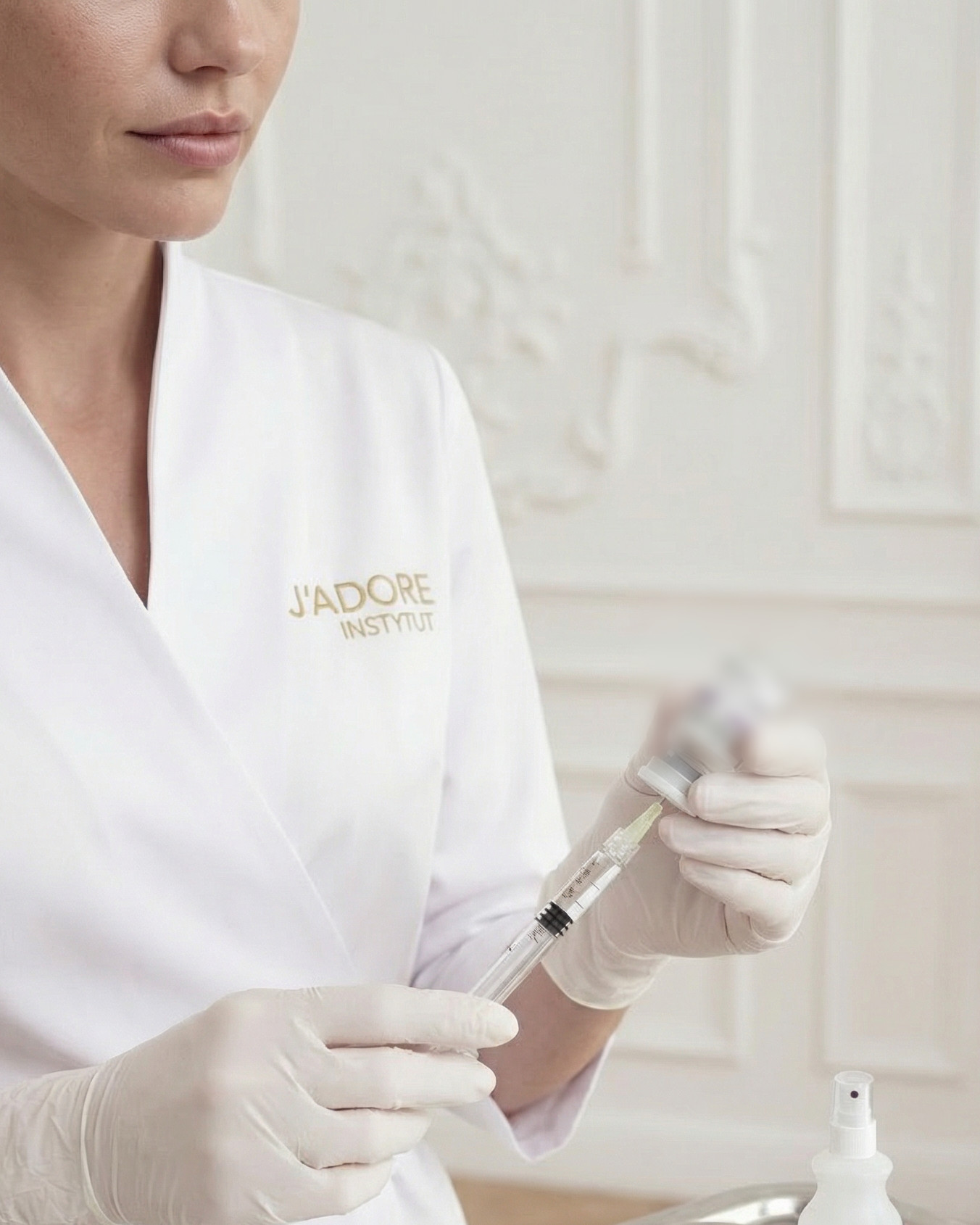
- with mesotherapy or biostimulators — may enhance the rebuilding effect
- with home care — increases the absorption of active ingredients straight after the session
When to combine LED with other treatments
The most interesting results from LED therapy show up when it's combined with other methods. Here are the most common and logically sound combinations:
Peel + red LED
The peel prepares the skin — removing dead epidermis and increasing permeability — while LED supports post-treatment regeneration and can shorten healing time.
Mesotherapy + red LED
Active ingredients delivered to the skin through mesotherapy may work more effectively when the skin is also stimulated to regenerate by red light.
A series of blue LED + acne-targeted skincare
Blue LED and well-chosen home care reinforce each other — making it easier to maintain results between sessions.
Laser / IPL + red LED
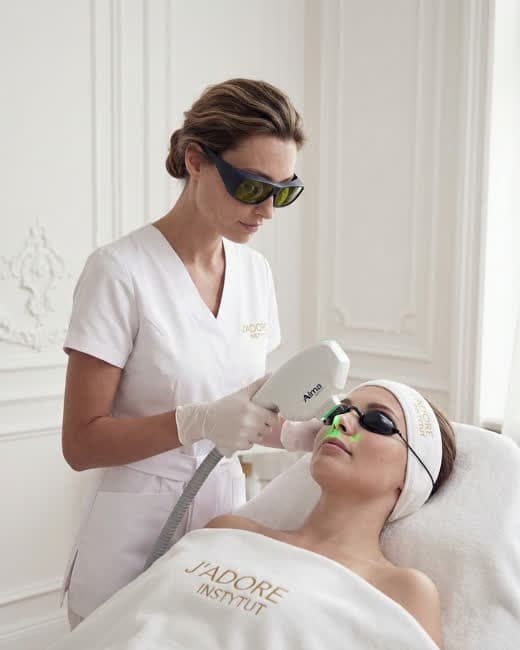
Red LED after laser treatments is one of the best-documented regeneration protocols — it calms the skin's reaction and can speed up epidermal renewal.
An important rule: the order and spacing of treatments matter. Your cosmetologist or doctor decides what to combine, and in what order, during your consultation — there's no single formula that suits every skin.