First, find the problem the reviewer was trying to solve
LED is used for various goals and as part of different plans. A person describing the calming of redness does not answer the question about supporting acne-prone skin, and a review of scalp therapy does not translate to wrinkles. The first filter is the compatibility of the problem, not the similarity of age or city.
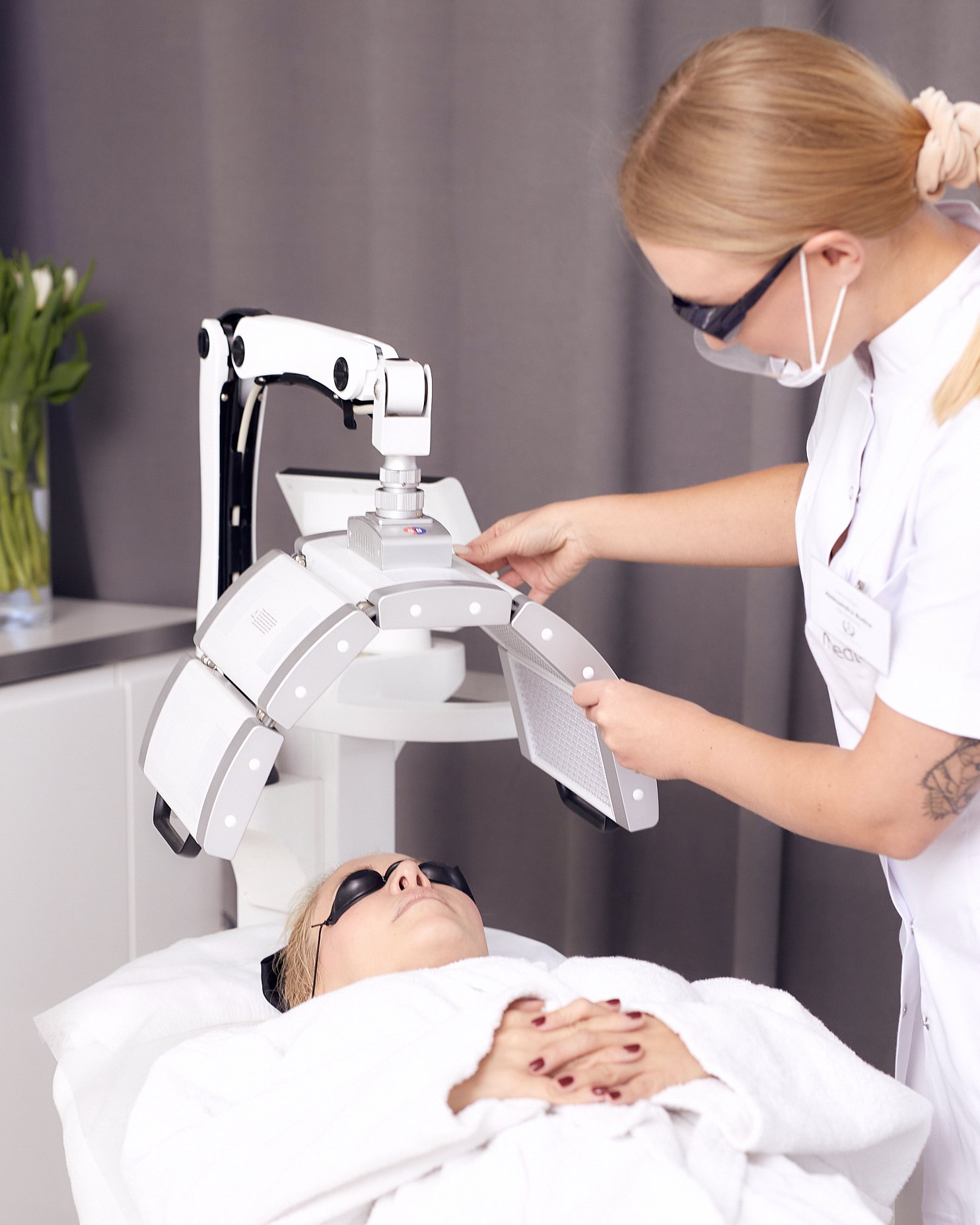
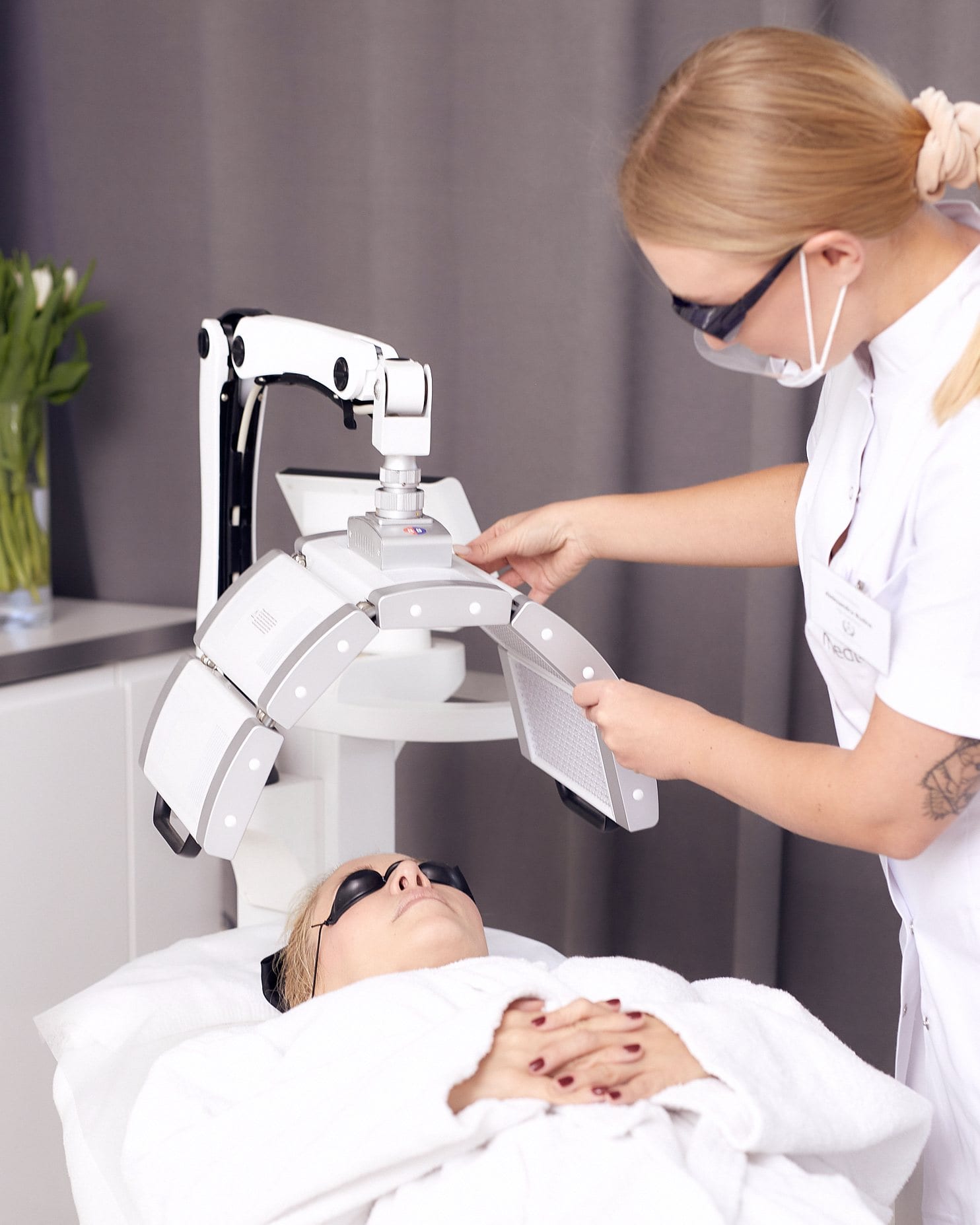
The light colour and device name separate the procedure from a decorative lamp
Red, blue, and near-infrared light are not interchangeable mood names. They differ in wavelength and application, and devices deliver a different dose depending on power, time, and distance. An opinion without this information does not allow you to reconstruct the exposure.
A verifiable review
names the protocol
- the device
- the colour or wavelength
- the session time
- the number of visits
- the goal of the treatment
An opinion without data
describes the atmosphere
- nice light
- warm relaxation
- wonderful glow
- zero details
- result without a timeframe
Not every patient knows the technical parameters, and they do not have to remember them. A lack of data does not make their experience false; it only limits the value of the review for your decision. You check the parameters with the clinic, not in a comment.
A combination treatment may attribute the effect of a peel, mask, or laser to the LED
LED often finishes another procedure. If cleansing, exfoliation, microneedling, or laser was performed beforehand, the result is the sum of the stages, home care, and natural healing. A review may honestly praise the entire ritual, but it will not answer what part of the change resulted from the light.
- Check what was performed directly before the panel.
- Ask what cosmetics were applied before and after exposure.
- Separate the effect of immediate hydration from a sustained change.
- Do not transfer the result of a combination protocol to a standalone LED.
- Compare home care recommendations, as they may have changed simultaneously.
A photo taken right after the session assesses mainly the photography conditions
The lamp, white balance, camera distance, and automatic smoothing can change redness, pores, and skin tone without changing the skin. Head position and facial tension affect lines. A photo taken in the red light of the panel is not suitable for comparison with a daylight photograph from before the visit.
A photograph can document a trend, but it does not determine the cause. Be especially cautious with collages featuring different hairstyles, makeup, exposure, or framing widths.
One session says more about tolerance than about a lasting effect
After the first exposure, you can describe comfort, irritation, eye reaction, and the short-term impression of the skin. Many goals are assessed only after a repeated protocol and a check-up. A review after leaving the salon is good for assessing service, but poor for a conclusion about a lasting change.
- After the session
Comfort and early reaction
You can describe the light, eye protection, heat, and irritation.
- Between visits
Skin tolerance
Pain, redness, pigmentation and worsening of the condition may be observed.
- After the plan
Comparing the goal
Photos and symptoms return to the starting point.
- Later
Maintenance or fading
Only time will show if the change lasts without further exposure.
Opinions about the lack of pain say nothing about contraindications.
The fact that someone lay comfortably does not mean the procedure is appropriate for a person with photosensitising medication, light hypersensitivity, an ophthalmological issue or an active infection. Safety results from the consultation and device manual, not from the number of reviewers without adverse reactions.
The most useful safety review describes whether the clinic asked about medications, provided proper eye protection and communicated contact procedures. It cannot, however, replace your qualification.
Extremely positive and extremely negative reviews require the same filter.
Delight may result from good service, while disappointment may stem from a goal that an LED had no right to achieve. A negative opinion after one session for a chronic problem does not necessarily prove the device is ineffective. A positive opinion about a lifting effect after relaxing under a panel does not prove permanent remodelling.
Useful criticism
describes the event
- lack of consultation
- lack of eye protection
- a different device than announced
- reaction without assistance
- pressure to buy a package
Unverifiable criticism
does not state the conditions
- nothing works
- waste of time
- zero information about the goal
- lack of number of sessions
- lack of evaluation time
Recurring patterns mean more than a single praise of a name.
Read a series of opinions from different months. Look for repeatable information about qualification, hygiene, plan explanation, eye protection, punctuality and contact in case of a reaction. A single review may describe an exceptional day; a pattern shows the process.
- Check if the reviews concern the same location and service.
- Pay attention to dates, as the device and team may have changed.
- Separate the assessment of the reception from the assessment of the protocol.
- Read the clinic's responses to problems, not just to praise.
- Look for information on whether a complaint ends with specific contact and explanation.
Many similar, short entries published on the same day do not automatically provide stronger evidence. What counts is the diversity of details and consistency with information that the clinic can confirm before booking.
A discount for a comment does not have to be disqualified, but it must be visible.
Clinics ask for opinions and sometimes offer a small benefit for posting one. The request itself does not mean the content is false. The problem arises when the reward depends on a positive rating, the comment does not disclose the collaboration, or the patient publishes before the time needed to assess the goal has passed.
A sponsored review may contain useful details about comfort and organisation, but a conflict of interest changes its weight. Read it as a presentation of an experience, not an independent effectiveness test. The most robust content is that which discloses conditions, shows limitations and returns to the result after time.
A clinic's response to criticism shows more than a quick "please contact us".
A public response cannot disclose health data or visit details without consent, so it will always be limited. However, you can check if the clinic takes the problem seriously, provides a safe contact channel, does not blame the patient and does not conduct diagnosis in the comments. This is particularly important in cases of pain, irritation, eyes and new pigmentation.
Responsible response
transfers the matter for assessment
- acknowledges the report
- protects privacy
- provides contact
- proposes an assessment
- does not promise results publicly
A risky response
defends the rating at all costs
- discloses health details
- blames medication without a consultation
- trivialises pain
- diagnoses in a comment
- demands the removal of a review before contact
The lack of feedback on long-term effects cannot be filled by a seller's promise.
Most comments are written shortly after a visit. This is when the facility sends a request and the experience is fresh. This creates an excess of data about the atmosphere and a shortage of information about maintaining results. Do not assume that because no one returned with an update, the effect was permanent.
- Look for updates after the entire plan is completed.
- Check whether the author continued to have maintenance sessions.
- Ask the facility how and when it documents the maintenance of results.
- Do not mistake the absence of a complaint for confirmed improvement.
- Do not assess durability based on a photo published on the day of the treatment.
LED can be an addition to a plan, not its sole driver. If medication, skincare, the season, or other treatments have changed after a year, a late result also has many causes. An honest review does not have to solve this puzzle. It should simply not attribute the entire history to one panel.
The most valuable negative review describes the limits of a treatment.
A comment like "LED did not remove deep scars" may describe genuine disappointment, but it primarily shows poorly set expectations. Light will not remodel every scar, perform a lift on significant excess skin, or replace treatment for an active disease. The facility should state this before the series, not after a lack of results.
The best questions for a salon arise from gaps in reviews.
If reviews praise the effect but do not name the device, ask about it. If they describe relaxation, ask about eye protection. If they mention a series, establish the goal, the number of check-ups, and the condition for stopping. Do not expect complete instructions from comments. Use their gaps to prepare for a conversation.
LED therapy in Warsaw has two locations, but reviews must indicate which one.
J'ADORE INSTYTUT operates at ul. Żelazna 59, 00-848 Warsaw from Monday to Saturday between 8–21, and on Sundays from 11–19, as well as at ul. Mińska 29A/46, 03-808 Warsaw from Monday to Saturday between 9–21. You can find the current range on the page LED therapy in Warsaw.
When checking a review, establish the location, date, and whether it concerns standalone LED. The team, device availability, and protocol may vary over time, so confirm details when booking. The address helps assess logistics, not biological efficacy.
Reviews choose the questions, and the qualification concludes the decision.
Read reviews in three layers: what the problem was, what protocol was performed, and when the result was assessed. Then, separate the service from the light's action and the LED from other stages of the visit. This is enough to reject most worthless praise and unfair disappointments.
If a review does not provide parameters, it may still say something about communication and care. It cannot say whether the treatment is safe for you or whether it will achieve your goal. The final advice is simple: take a list of questions from reviews, not someone else's verdict.