First, determine if the review concerns the same mesotherapy
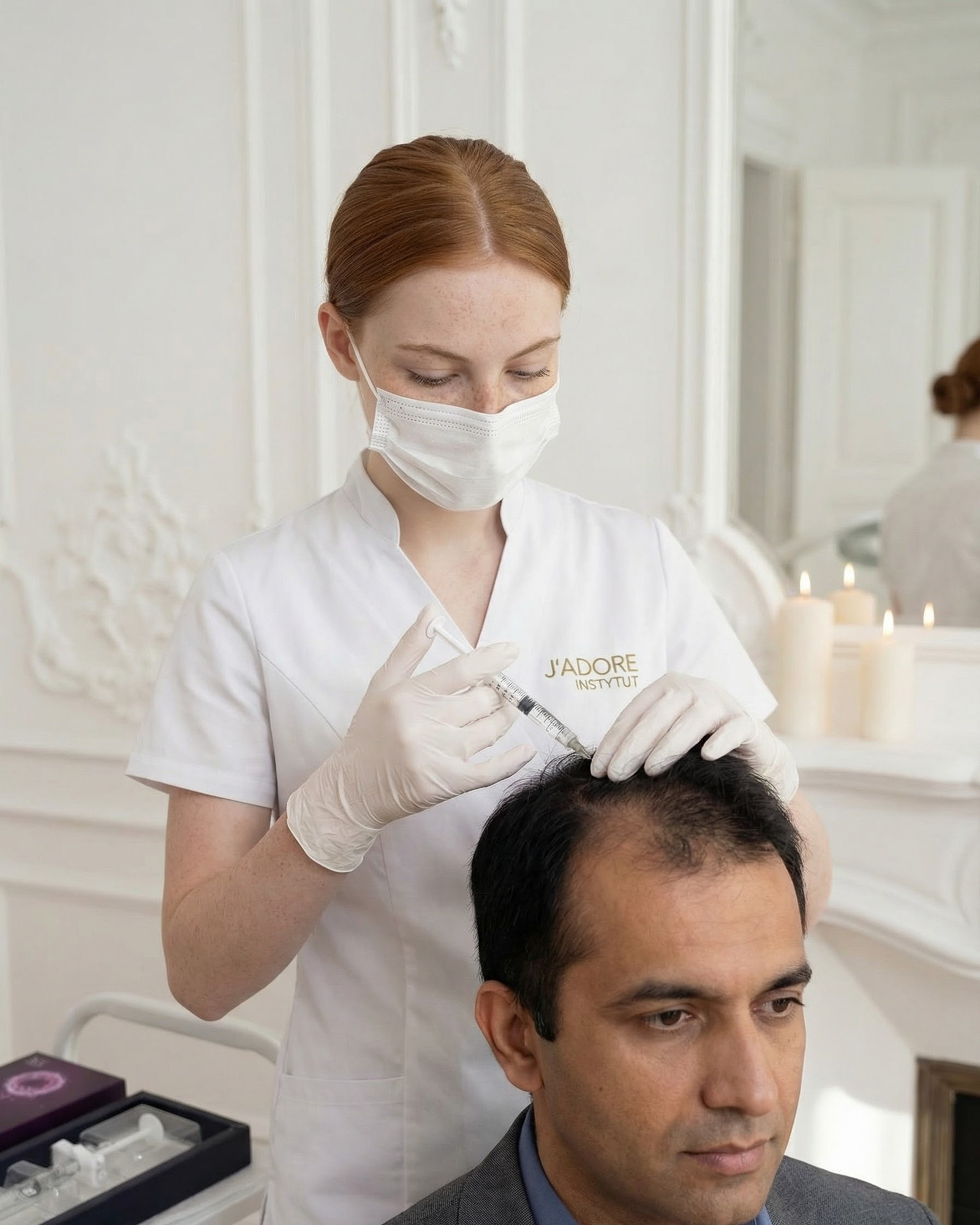
The word "mesotherapy" is used for different methods and areas. A review of a needle-free treatment does not describe the experience of micro-injections. A report concerning the scalp does not say how work on the face will look. Even two needle mesotherapy treatments for the face can differ in the product used and the intended effect.
If a review does not contain any of these elements, it may still describe the reception, comfort or atmosphere well. Do not use it, however, to compare the effects of products. A similar service name does not create a similar case.
The first few hours show the reaction, not the final result
Immediately after micro-injections, the skin may look different due to the procedure itself: it is reddened, and puncture points or small bumps at the injection sites may be visible. A photograph taken then is not suitable for assessing the final smoothness or colour. It shows primarily how the skin reacted immediately after the work.
- 01
Review on the day of the treatment
It can reliably describe the consultation, disinfection, information about subsequent stages, sensations and aftercare.
- 02
Review after the marks have faded
It allows you to assess the return to the usual appearance of the skin and whether the process was within what was discussed before the punctures.
- 03
Review after a full programme
It provides context for the series, changes in the product, the decision to continue and the degree to which the original goal was achieved.
- 04
Review after a maintenance treatment
It can show whether the salon assesses the need for another visit or just follows a fixed calendar.
A description of qualifications says more about the standard than a description of pain
Sensations are important, but very personal. What one person calls a light stinging, another will describe as intense discomfort. It is much more comparable whether questions were asked before the treatment about health, medications, current skin condition, previous reactions and recent procedures.
A review describes the process
it provides a basis for assessing the standard
- the cosmetologist conducted a consultation before choosing the cocktail
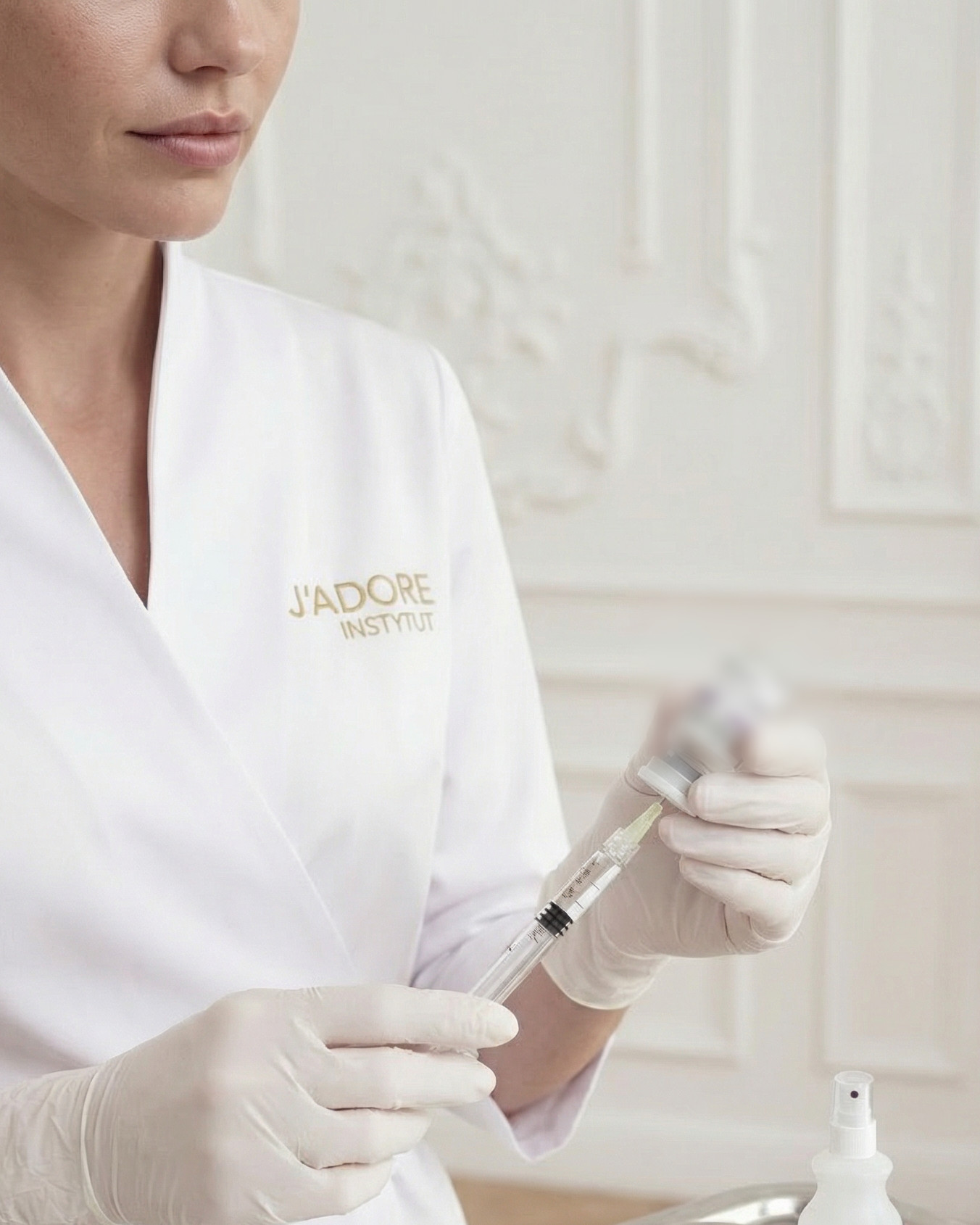
- showed a sealed package and named the product
- explained the limitations and possible reaction
- postponed the treatment after information important for the qualification
- provided a specific way to contact after the visit
A review describes an impression
it is not enough to assess safety
- "it didn't hurt at all, so everything was perfect"
- "it hurt, so the product must have been strong"
- "the salon looked sterile" without a description of the workstation
- "premium cocktail" without the product name
- "they did exactly what I chose online" without a consultation
Lack of pain does not confirm quality, and a stronger sensation does not prove effectiveness. In a review, look for the way the practitioner reacts: did they ask about comfort, distinguish between an expected sensation and a signal requiring a stop, and explain what they were doing?
A glow photo can be the result of light, skincare and the moment
Skin photographed by a window, after applying cream and without mattifying make-up, reflects light differently than the same face under an overhead lamp before the treatment. Changing the camera exposure, white balance and facial expression can create the impression of an even skin tone unrelated to the procedure.
- Compare the direction and temperature of the light in both frames.
- Check if the face is in the same position, without a smoothing filter and with a similar expression.
- Look for the date of the "after" photo; the lack of a date makes it impossible to assign the image to a stage of the series.
- See if the skin has a highlighting product applied or fresh skincare ending the visit.
- Do not assess hydration or elasticity solely on the basis of a photograph — these are features that require more than light.
The name of the product turns an anonymous compliment into information
In mesotherapy, what goes into the skin matters as much as the method of administration. A review with the name of the cocktail still does not prove that the same product will be right for you. It does, however, allow you to check if the salon consistently identifies products, if the client knew what they were receiving and if the description matches the goal of the visit.
It is not about choosing a product from a catalogue yourself. It is about transparency. An experienced cosmetologist should be able to name the product, show you the packaging, and link its purpose to the assessment of your skin.
A negative review with a chronology is more valuable than an anonymous alarm.
For injectable treatments, a critical review attracts attention particularly strongly. Read it slowly. Determine what symptom occurred, when it appeared, whether it was discussed as a possible reaction, whether the client contacted the salon, and what happened next. Without a chronology, it is impossible to distinguish an expected course from a situation requiring assessment.
- 01
What was established before the treatment
The goal, the preparation, the area, contraindications, and the expected reaction form a point of reference.
- 02
What was observed exactly
Specific symptoms and their development are more useful than a general "the skin looked bad".
- 03
When the problem was reported
The time from the treatment and the moment of contact help to assess the response, although they do not allow for diagnosis over the internet.
- 04
How the salon responded
Did they collect data, propose an assessment, provide clear advice, and maintain contact, or did they simply dismiss the client?
The salon's response should protect privacy and lead to an assessment.
A public response to a review is not the place to disclose medical history, drug names, or photographs of the client. A good salon confirms that it takes the report seriously, indicates a safe channel of contact, and proposes an assessment. It does not make a diagnosis in a comment and does not settle a dispute by publishing data from the treatment card.
- A factual tone without questioning the client's feelings before gathering information.
- A request for direct contact and an indication of the person responsible for further steps.
- No promise that everything is normal before someone sees the skin.
- No copying of health details to defend the salon's reputation.
- Information that the case requires an assessment, not a discussion with other commenters.
Even the best public response does not prove that the situation has been resolved. However, a repeating pattern of respect, confidentiality, and proposing real contact is a much better signal than an automatic "please send us a message" under every review.
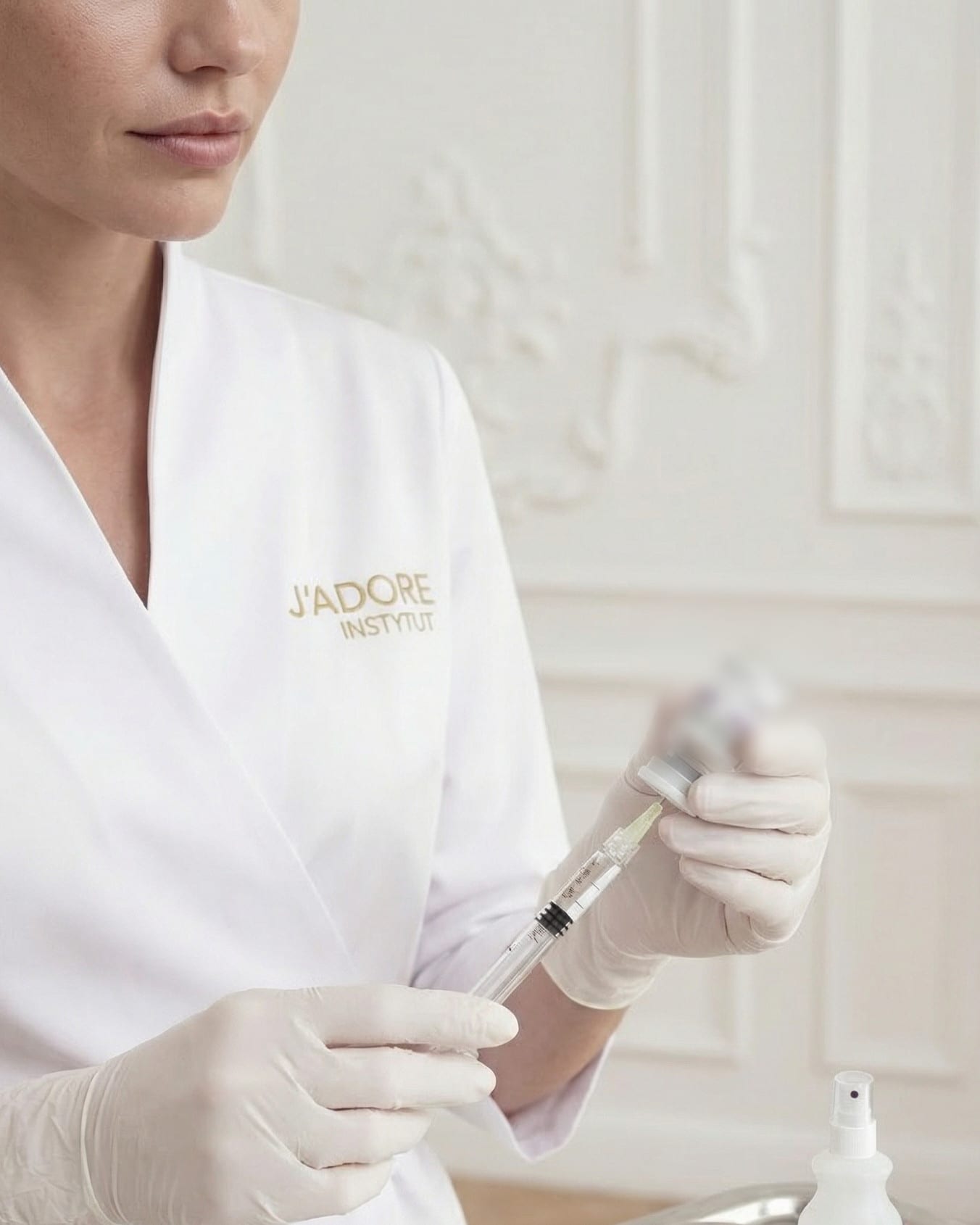
Discounts and competitions change the weight of an assessment, even when the opinion is true.
A request to share your experience after a visit is normal. However, a review written spontaneously is read differently than an entry created in exchange for a discount, a gift, or participation in a competition. An incentive does not have to mean a lie, but it can shift attention towards quick praise and the moment just after the treatment.
- Check if the author discloses a received discount, free service, or collaboration.
- See if several reviews were published in a short time and built from the same phrases.
- Separate an influencer's report with a marked collaboration from the opinion of a client who purchased the service independently.
- Do not dismiss a sponsored review automatically; lower its weight and look for confirmation in independent, detailed descriptions.
- Pay attention to whether the incentive concerns the act of leaving a review or requires a high rating — this is a fundamental difference.
The strongest signal of credibility is transparency. A person who talks about a collaboration and simultaneously describes the limitations, the moment of assessment, and the name of the preparation gives the reader tools for independent evaluation. A hidden incentive removes this context.
Three types of reviews require three different responses.
Not every unknown needs to be solved in the same way. You will check some in public materials, some in conversation with the salon, and some only during the qualification. Trying to get everything from a review leads to overinterpretation.
Check before contact
public data
- whether the review concerns the correct location and treatment
- when it was written and whether it is updated
- whether a collaboration or incentive was disclosed
- how the salon responds to critical entries
Ask the salon
service standard
- which preparations are considered and how they are identified
- who performs the treatment and how the interview proceeds
- what the documentation and post-visit contact include
- what limitations the salon discusses before the series
Decide at the consultation
Your case
- whether the current state of the skin allows for the treatment
- what goal is realistic and measurable
- which preparation meets the need
- whether mesotherapy is the right method
Mesotherapy will not do what the most enthusiastic reviews attribute to it.
Needle mesotherapy can support hydration, freshness, and overall skin quality. It does not restore lost volume, it does not fill deep furrows, it does not lift sagging tissues, and it does not treat active skin disease. If a review describes a change in facial architecture after a care cocktail, it likely overlooks other procedures, photo conditions, or a short-term reaction.
Someone else's great reaction does not qualify you for the treatment. Active changes, infection, irritation, certain medications, or health situations may require rescheduling or a medical consultation. Even a thousand positive reviews do not replace an interview.
Warsaw: two locations and information about mesotherapy
In Warsaw, J'ADORE INSTYTUT operates at ul. Żelazna 59, 00-848 Warsaw from Mon–Sat 8–21 · Sun 11–19 and at ul. Mińska 29A/46, 03-808 Warsaw from Mon–Sat 9–21. Needle mesotherapy is performed by an experienced cosmetologist following a consultation and skin assessment.
You can find the treatment description, available variants and current information on the Needle mesotherapy in Warsaw page. Before your appointment, ask about the product name, the exact area and the assessment method — these are details that other people's reviews cannot replace.
Before booking, turn every piece of praise into a question
Turn "great result" into a question: what was the goal and when was it assessed? "Professional" — what exactly happened during the consultation and the preparation of the treatment station? "Good cocktail" — what was it called and why was it chosen? In this way, reviews stop steering your decision and start preparing you for your consultation.
The most reliable salon does not need you to take reviews at face value. It can provide the missing data: name the product, discuss limitations, show the packaging and say "no" when mesotherapy does not address the problem. This is the standard you are looking for between the stars. If after the consultation you still do not know what is to be administered and how you will assess the result, you do not yet have the basis for an informed decision. Do not proceed to booking until these two answers are clear.