Melasma (chloasma) — hormonal hyperpigmentation of the face
The most stubborn hyperpigmentation needs a systematic plan — not a single treatment.
7 min readwritten for women
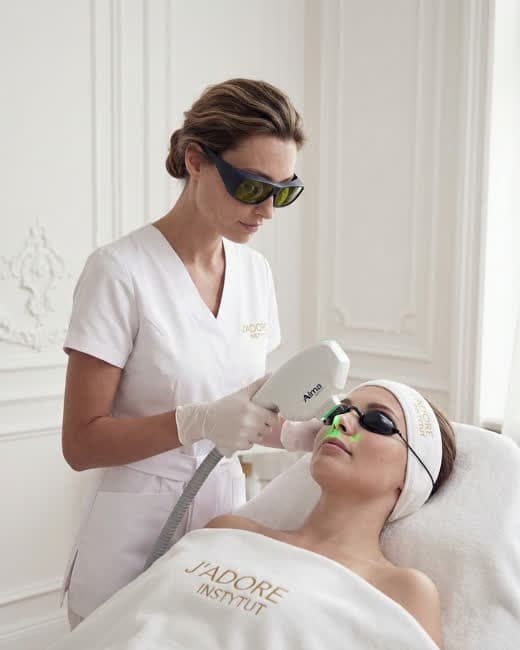
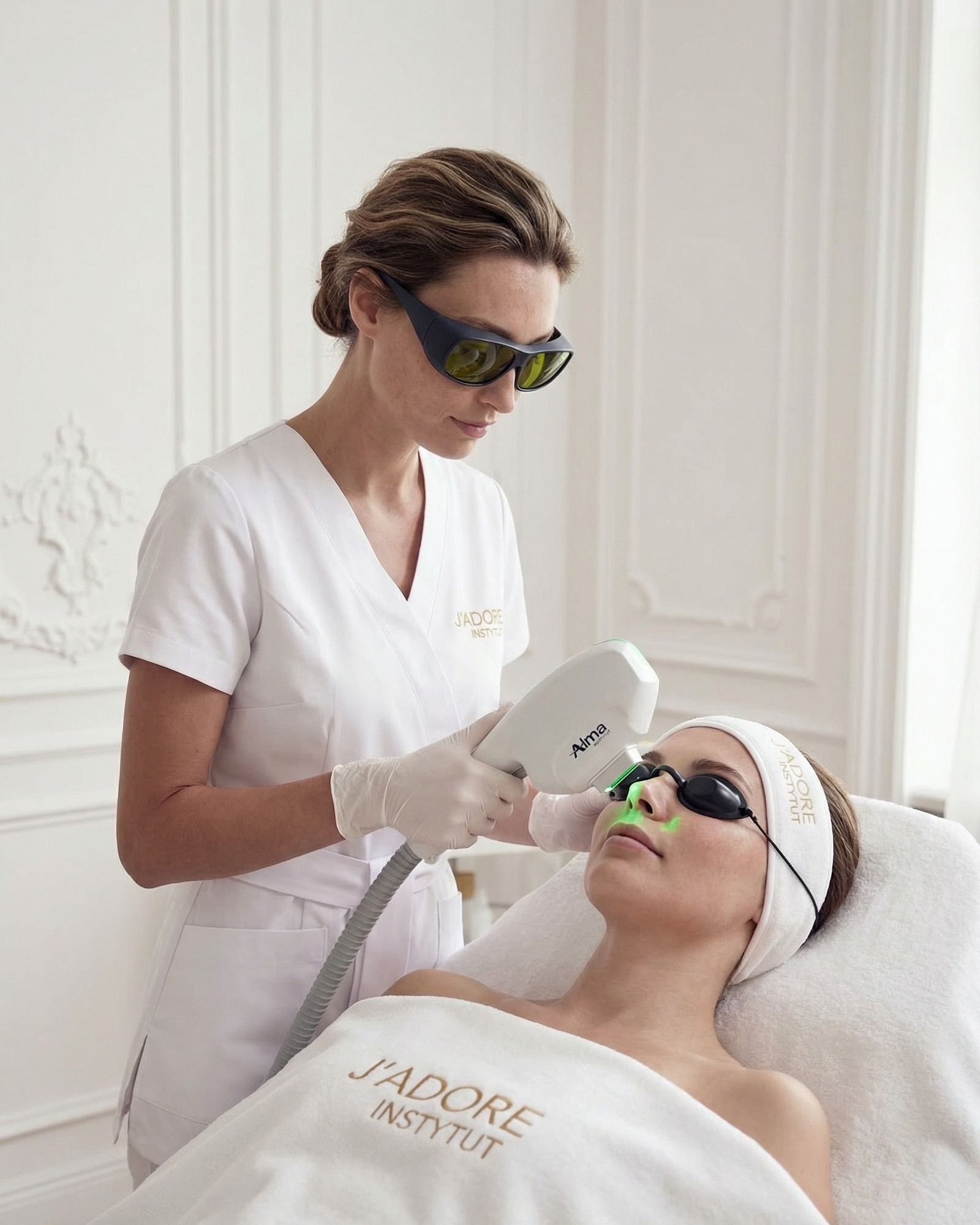
Illustrative photo. It shows an example of how the treatment is performed.
7 min read16 July 2026
Melasma and chloasma are symmetrical, brown or greyish-brown patches on the face. They're triggered by a combination of hormones and UV exposure. This is one of the most difficult skin concerns to treat. It requires patience and a properly chosen depigmentation programme.
01
Why is melasma difficult to treat?
Melasma isn't "just hyperpigmentation" — it's a melanocyte dysfunction. It needs a different approach from typical sun-induced spots.
Melanocytes become permanently overactive — not only as a result of a single injury
Low doses of UV — even everyday exposure through glass — can be enough to reactivate them
Hormones (oestrogen, progesterone, pregnancy) act as an additional trigger
It can recur after any sun exposure without proper protection
02
Types of melasma — depth matters
03
Melasma treatment methods
04
Step-by-step treatment plan
Effective melasma therapy isn't a single treatment. It's a sequence of steps spread over time:
Depth diagnostics — assessment with a Wood's lamp or trichoscopy
SPF 50+ every day — without this, no treatment will bring lasting results
Cosmelan or Dermamelan programme — reducing melanocyte activity over several months
Series of DYE-VL sessions — reducing existing pigment in the epidermal type
Maintenance peels — Ferulac or PRX-T33 at regular intervals
Ongoing SPF protection — any lapse risks recurrence
05
SPF — an absolute must
Without SPF 50+ applied every day — in the rain, in winter, while working near a window — melasma treatment loses its point. Everyday doses of UV, such as through an office window or reflected off snow, can be enough to reactivate melanocytes.
SPF 50+, mineral or hybrid filter
Apply in the morning as the last step of your skincare routine
Reapply every 2–3 hours during extended time outdoors
Protection all year round — not only in summer
06
Melasma and pregnancy
Chloasma (pregnancy-related melasma) fades on its own after birth for many women. However, without consistent UV protection, the hyperpigmentation can become permanent.
After breastfeeding ends, a full depigmentation programme can be introduced. This is the right moment for a consultation and treatment planning. The sooner you start after your hormone levels stabilise, the better the conditions for effective treatment.