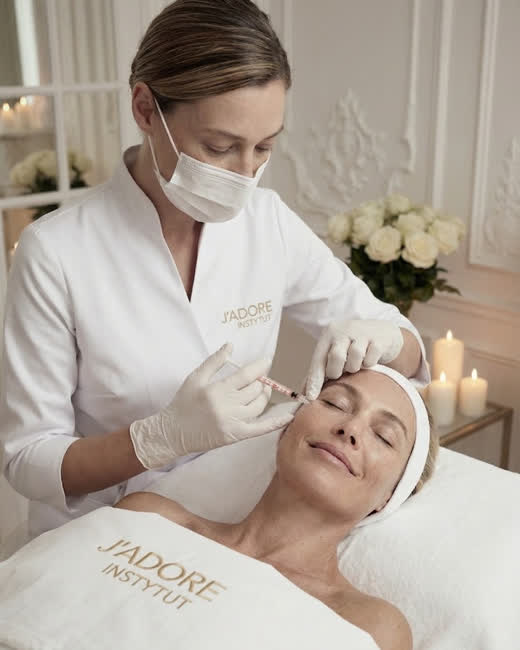
Three treatments, three levels of action
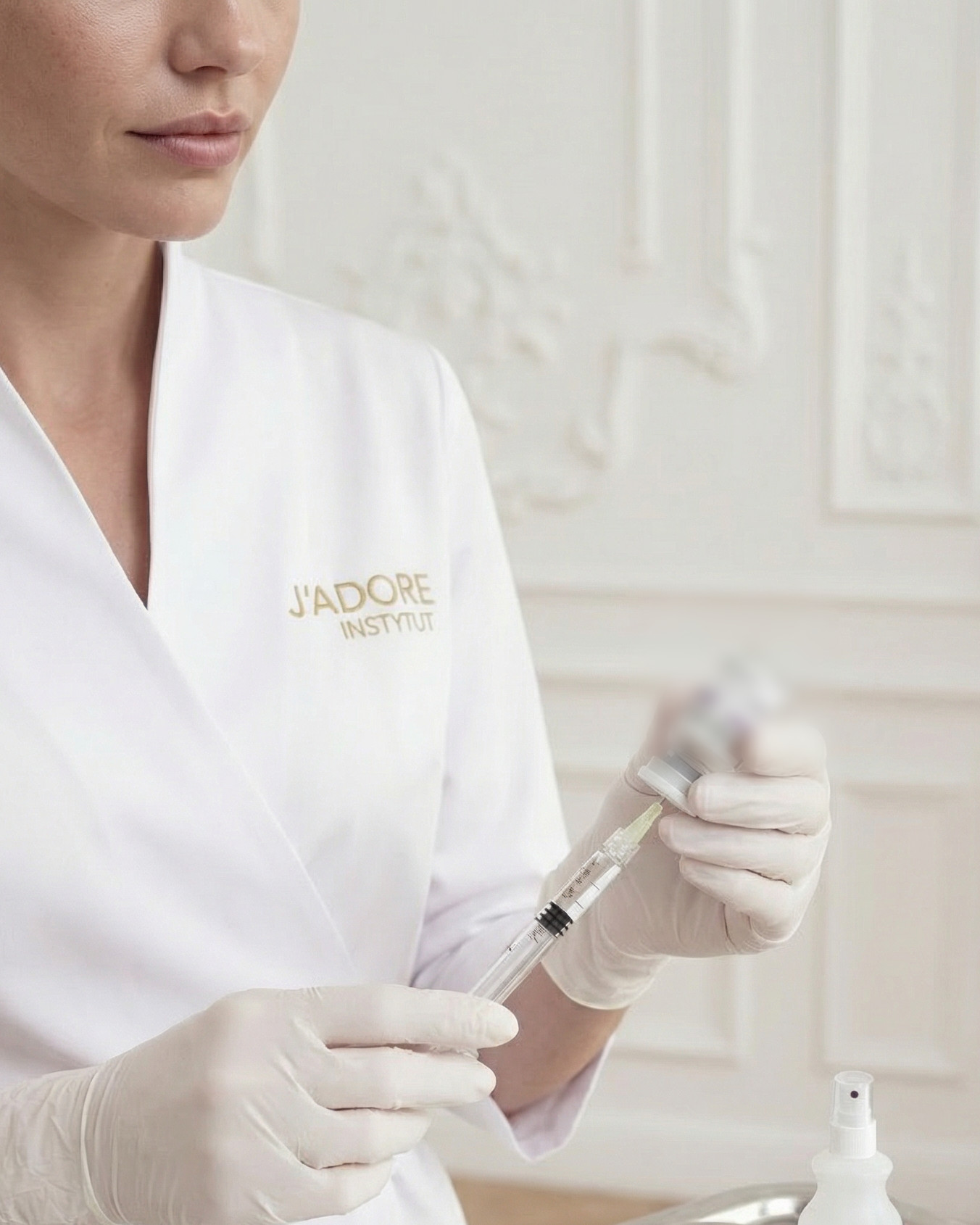
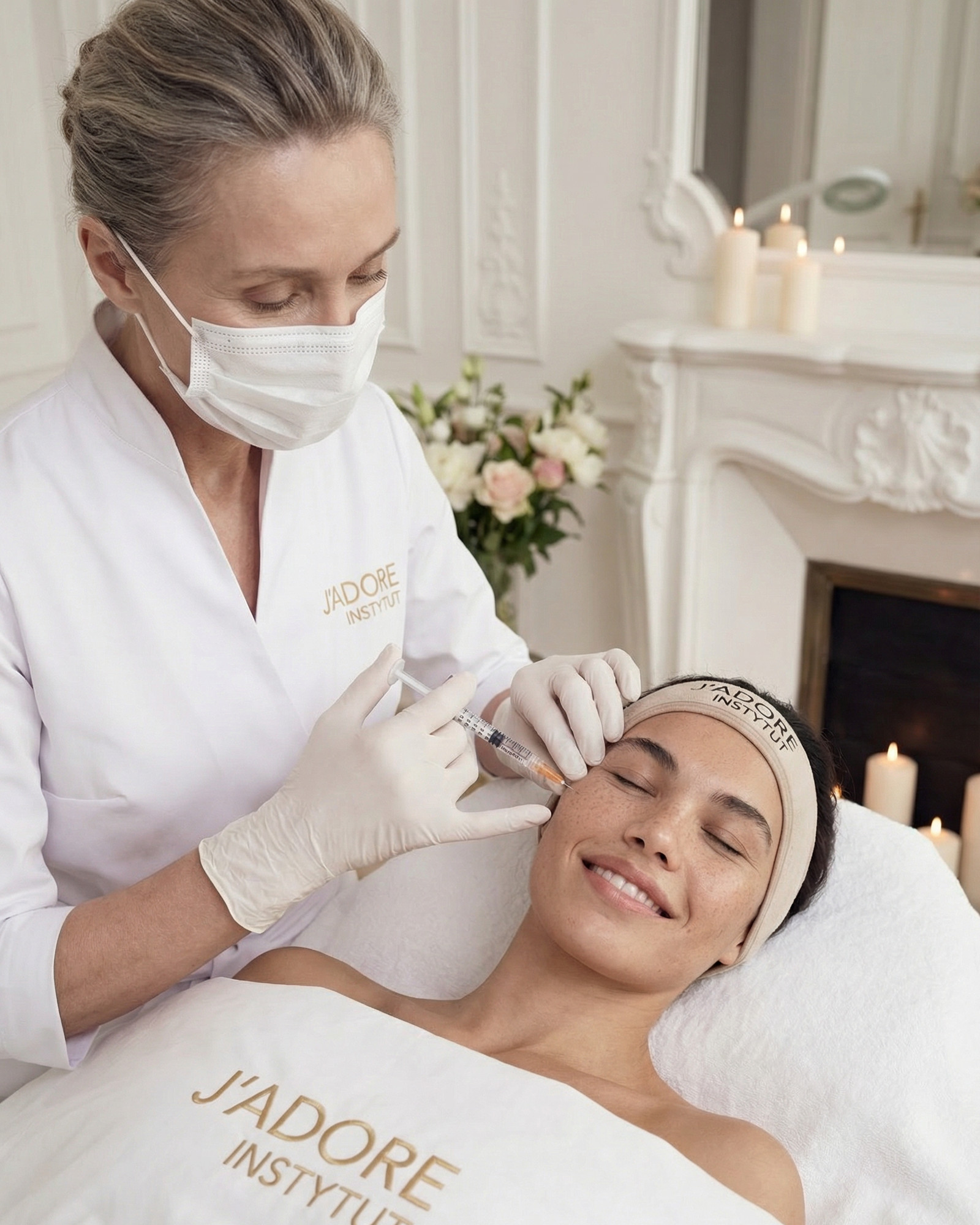
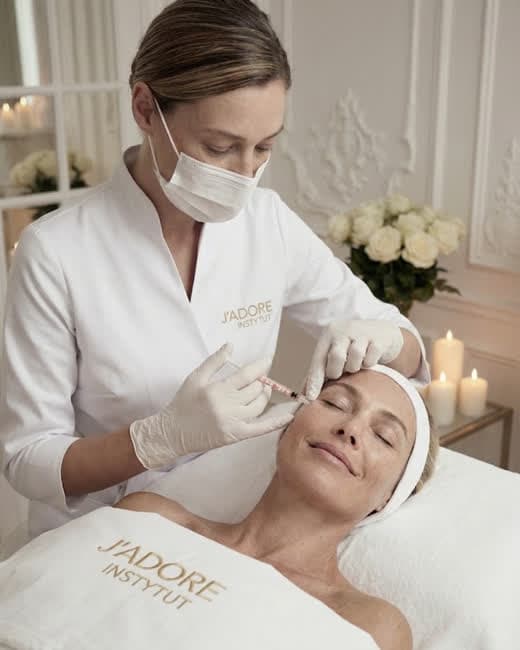
To understand the difference, picture three stages of regeneration: hydration and nourishment (here and now), restructuring and firmness (over weeks), and rebuilding your own scaffolding (over months and years). Each treatment targets a different stage — and each does it differently.
Needle mesotherapy
skin hydration and nourishment
- a cocktail of vitamins, amino acids and hyaluronic acid
- grey, dehydrated, fatigued skin, after stress
- results visible after the first session
- a series of several visits for a lasting effect
Skin biostimulator
restructuring and bio-remodelling
- one of the purest hyaluronic acids on the market
- lax skin, lacking firmness, "dropped"
- improves elasticity, hydration and density all in one
- results build over several weeks after the treatment
Collagen biostimulators
rebuilding your own collagen and skin scaffolding
- polynucleotides (PDRN/PN), Sculptra, Radiesse and others
- skin over 40 — thin, with a noticeable loss of density
- results build over months and last the longest
- often combined with mesotherapy or skin biostimulator
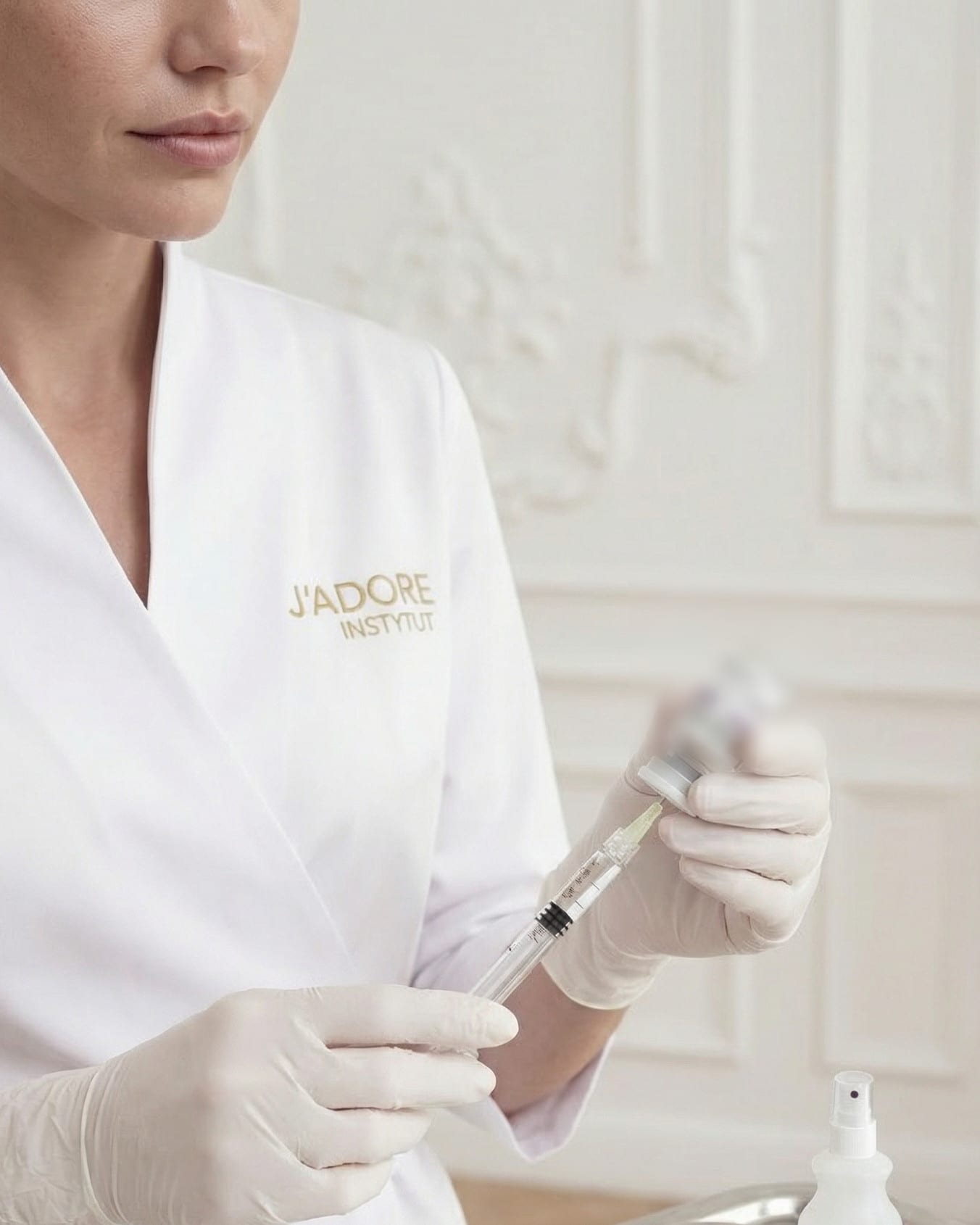
How to recognise what your skin needs — an at-home test
Before your consultation, stand in front of a mirror in good light — daylight, not artificial. Three questions to bring clarity:
- Touch your cheek and gently pinch the skin. If it feels dry to the touch, looks matte, and fine lines appear across your face when you smile — that's a sign of dehydration and a lack of nourishment. Direction: needle mesotherapy.
- Look at your facial contour and firmness. If your skin looks slightly "loosened" — cheeks appear flat, the contour loses definition, and skin hasn't bounced back after weight change or pregnancy — that's a sign of reduced elasticity and loss of firmness. Direction: skin biostimulator.
- Assess thickness and density. If your skin is visibly translucent, thin as paper, blood vessels show through, and the former "fullness" of your face has disappeared — that's a sign of deep collagen and scaffolding loss. Direction: collagen biostimulators.
- Seeing a bit of everything? That's the most common scenario after 40. In that case, treatments complement each other, and your doctor determines the order during consultation.
When it's worth combining treatments
A classic trap is thinking "one treatment will solve everything." In practice, skin works on multiple levels. Treatments paired together, or combined into a mini-series, achieve results that neither can reach alone. Here are the most common, proven combinations:
Mesotherapy + skin biostimulator
mesotherapy builds radiance and hydration here and now; the skin biostimulator improves elasticity and bio-remodelling weeks later. Popular among people aged 35–45 as a comprehensive spring/autumn treatment.
Skin biostimulator + biostimulators
Skin biostimulator as the foundation for elasticity, biostimulators as a long-term investment in collagen. A synergistic effect without overlapping indications.
Mesotherapy as "preparation"
a series of mesotherapy sessions before a hyaluronic acid skin biostimulator or collagen biostimulators improves skin condition and its ability to respond to further treatments.
A year-long plan: all three, in stages
for skin over 45, the best strategy is a plan spread over time: nourishment → restructuring → rebuilding. Your doctor determines the exact order and intervals.
An important rule: skincare treatments and medical treatments don't compete — they complement each other. A well-chosen laser skin cleansing session, a series of peels, or a Kobido massage can strengthen the effects of regenerative treatments and extend their action. It's worth discussing this comprehensive approach during your medical consultation.