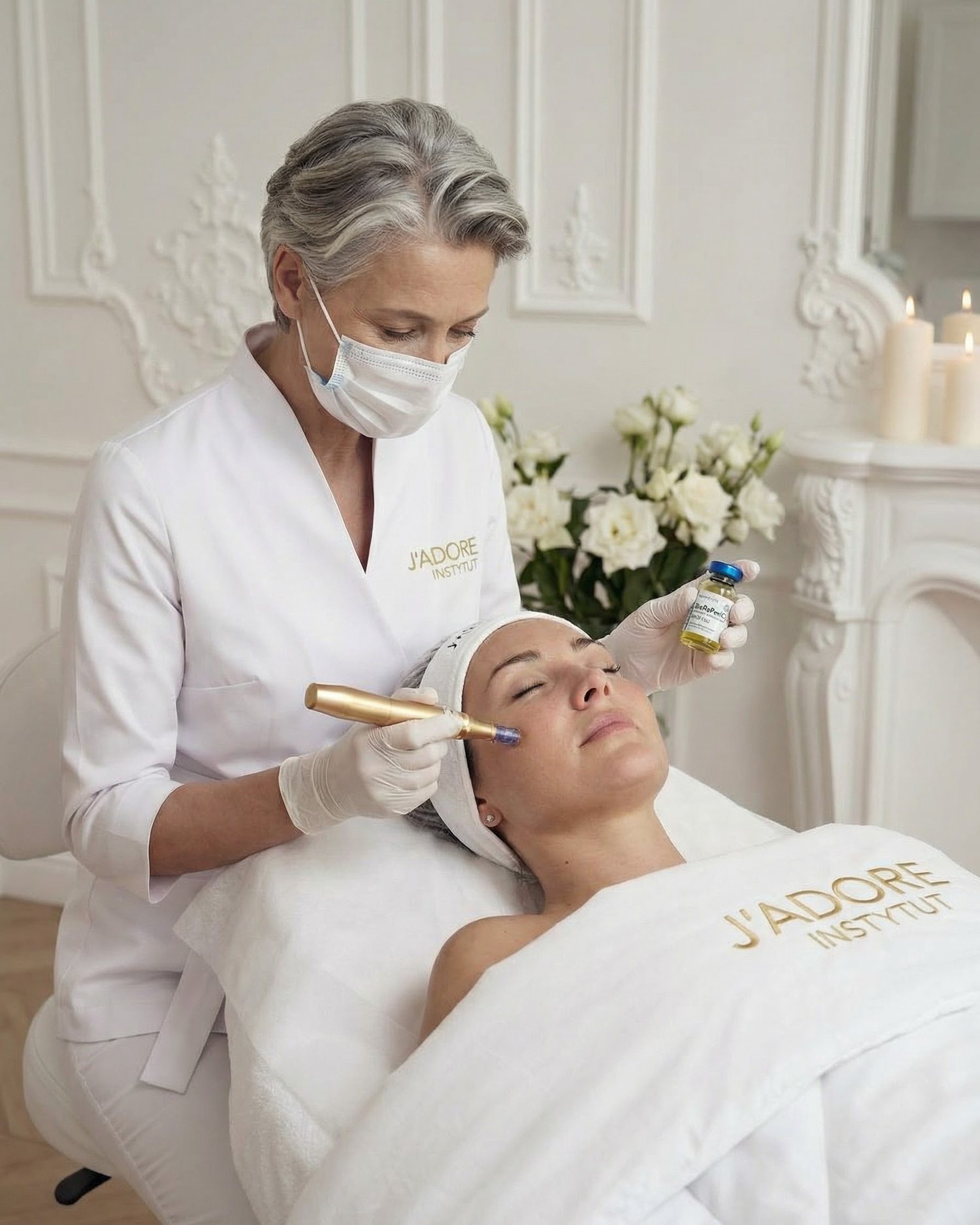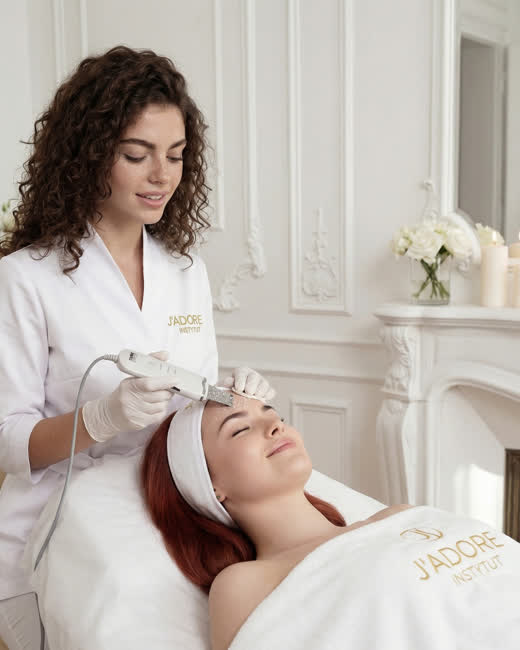
Cleansing and degreasing may sting even before the product is applied
Make-up removal should be gentle, but skin with a weakened barrier may react to water, friction or cleansing products. Next, the cosmetologist degreases the surface so the peel acts evenly. This stage can feel cold, tight or slightly stinging, especially if the skin is dry or has micro-injuries.
Before the treatment, disclose any retinoids, acids, home peels, hair removal, shaving, tanning and any recent procedures. Do not try to look "well-prepared" by hiding products. The cosmetologist may reschedule the visit or change the protocol. This is better than discovering an overloaded barrier after applying TCA.
- A fresh scratch may sting more than the rest of the face.
- Skin reacts unevenly after squeezing blemishes.
- The areas around the nose and mouth are usually more sensitive.
- Active cold sores exclude you from having the peel until they have healed.
If degreasing causes strong, localised pain, report it before application. The product should not be applied automatically to an area that raises concerns. The body's first signal has diagnostic value; it is not an obstacle to be silenced so the visit can proceed.
First layer: tingling can be mild, but it does not have to be symmetrical
After applying the product with a brush, you may feel warmth, tingling or stinging. The reaction often starts in the most sensitive areas. One side of the face may feel more intense if the barrier is weaker there, the skin has been touched more often, or a blemish has recently appeared.
The cosmetologist should ask about the intensity and observe the skin colour. A scale from zero to ten helps describe the change, but the character is more important: diffuse warmth, pinpoint pricking, sharp pain, itching or throbbing. Two sensations with the same number can mean something different.
Do not compare your reaction to someone in a video who talks without blinking. The camera does not show the skin phototype, the state of the barrier, the number of layers or the editing cuts. A quiet session is not proof of effectiveness, and a clear sensation does not automatically provide a better result.
Subsequent layers: the sensation can accumulate faster than you expect
The product is applied in layers according to the skin's reaction and the protocol. The second or subsequent application lands on a surface that has already received a stimulus. Warmth may therefore increase immediately. This is the moment when communication matters most. Do not wait until the end of the countdown if the sensation is no longer under control.
A higher number of layers is not a ranking of treatment quality. The cosmetologist may finish earlier, skip an area or shorten the exposure. A decision to use less intensity does not mean the product was "wasted". It means adjusting the stimulus to what the skin shows on that day.
Sensations for ongoing communication
describe, observe
- diffuse warmth
- brief tingling
- moderate stinging
- surface tightness
Sensations for immediate reporting
do not wait it out
- sharp pinpoint pain
- sudden burning
- itching with swelling
- pain in a damaged area
The cosmetologist should not convince you that because you are paying for a certain number of layers, all of them must be applied. You are paying for a correctly performed procedure, not for the maximum dose of discomfort. The skin does not know the value of the package and does not react better to sales pressure.
What hurts more than you expect: nose, lips and a compromised barrier
The sides of the nose, the folds near the lips and areas you often wipe with a tissue can sting more. The same applies to areas after recent shaving, hair removal, a scratched pimple or dryness. Even an invisible gap in the barrier changes the contact with the acid.
Do not perform an aggressive peel before your visit "so the product goes deeper". This does not increase the quality of the procedure, but it deprives the cosmetologist of a predictable surface. Do not squeeze blackheads the night before and do not test a new retinoid. A good barrier condition is part of the preparation, not an obstacle to effectiveness.
For men, fresh micro-cuts from a razor can sting in specific spots. Plan shaving according to the salon's recommendations and report every cut. For women, the skin may be more reactive on certain days of the cycle, but there is no universal ban. The actual state during the consultation is what counts.
If you fear pain, ask for a calm start and agree on a simple stop signal. A sense of control reduces tension more than being assured that "you won't feel anything". An honest description prepares you for stinging; it does not programme fear.
Anaesthesia is not the goal, because the skin's reaction provides information
In peels, the surface sensation helps monitor the product's contact with the skin. Routine anaesthesia could hinder communication and does not remove the cause of an uneven reaction. The standard is to select the layers, time and area, rather than switching off sensation to apply more product.
Do not take painkillers or sedatives "just in case" without consultation. They can affect your well-being, skin or the assessment of the reaction, and some interact with your treatment. Tell the cosmetologist about everything you have taken before the visit.
Cooling, fanning or working in sections can improve comfort if they are within the protocol. Do not apply random ice cubes to your skin on your own during or immediately after the treatment. The way the treatment is finished is determined by the person performing it based on the reaction.
After washing off or finishing the application, the burning should change direction
After the procedure is finished and final care is applied, the sensation should gradually fade. The skin may be warm, tight and red. Do not expect it to become completely neutral in a second. The direction is important: less, not more and more.
At home, do not add acids, retinoids, mechanical peels or heavily perfumed masks. If your face stings after a gentle cream recommended by the cosmetologist, contact the salon instead of applying subsequent layers of different products. Mixing cosmetics makes it difficult to determine what caused the reaction.
- Increasing pain after leaving requires contact.
- Blisters, rapidly increasing swelling or oozing are not effects to wait out.
- Allergic symptoms, shortness of breath or a general reaction require urgent help.
- Observe minor tightness and temporary redness according to the instructions.
Do not try to neutralise the skin with kitchen baking soda, vinegar or an internet "antidote". The product has a specific protocol, and home chemistry can deepen the damage. Call, describe the time, appearance and intensity, and send a photo if the salon asks for one.
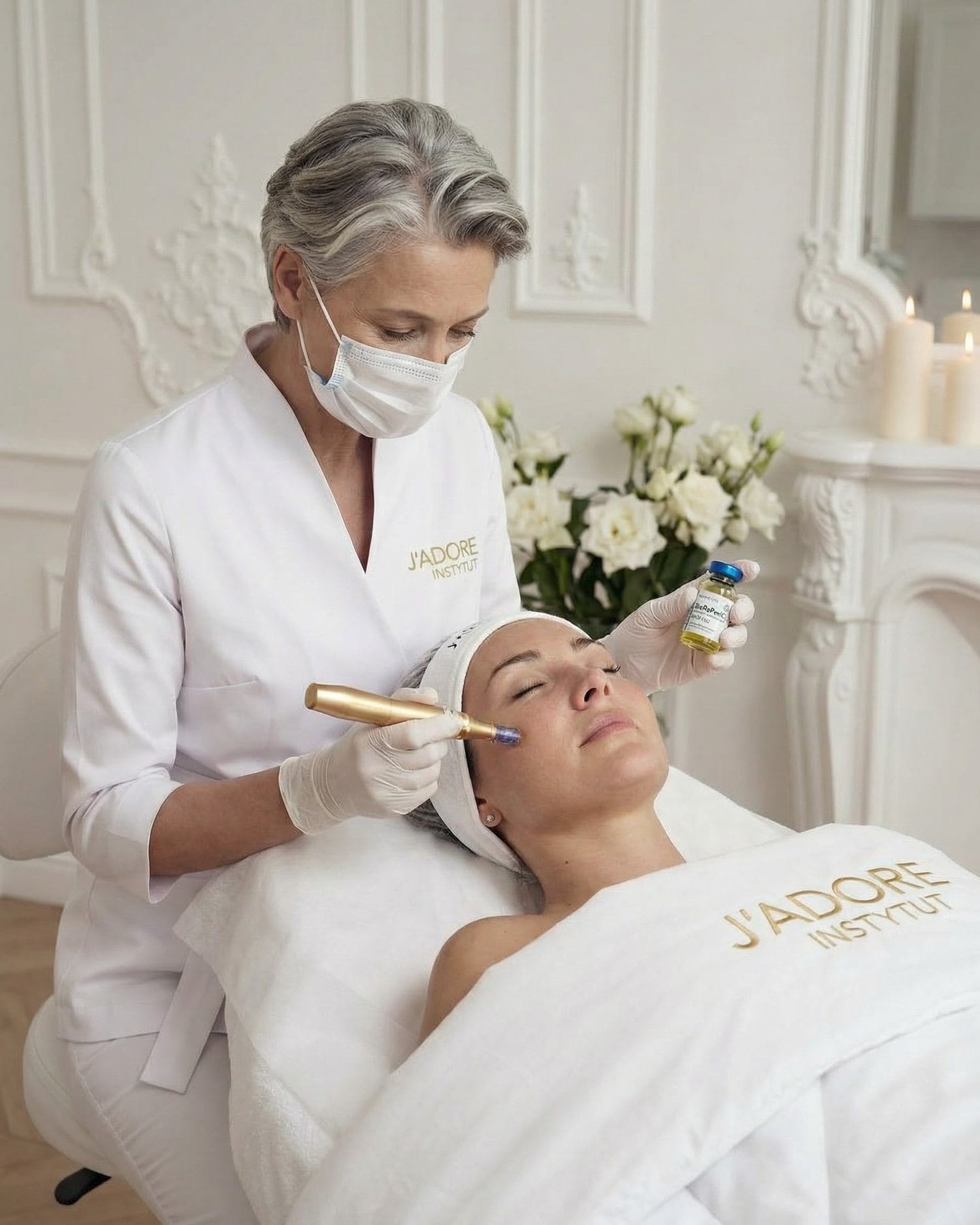
The next treatment may feel different — this is not proof of skin resistance
During a series, the first session may sting more and the next less, or vice versa. The barrier, skincare, weather, sun exposure and inflammation change. Do not assume the skin has "gotten used to the acid" and needs more layers. Each visit requires a brief re-evaluation.
If the reaction previously lasted longer than announced, show photos and describe when it reached its peak. The cosmetologist may extend the interval, reduce the intensity or choose a different peel. Repeating an identical protocol despite a concerning history is not consistency.
People who feel anxious often clench their jaw and hold their breath. Establish breaks and breathe calmly, but do not use relaxation techniques to ignore sharp pain. Breathing techniques help you through brief, expected stinging; they do not replace the need to inform your cosmetologist.
BioRePeel is not suitable for someone who expects a completely imperceptible ritual and cannot accept the sensation of acids. In such cases, we can discuss gentler alternatives. You do not need to pass a tolerance test to improve your skin condition.
Anxiety about acids changes your perception, but it does not invalidate pain.
Someone who has previously experienced irritation after a peel may enter the treatment room feeling tense before the makeup is even removed. Your heart rate increases, your jaw clenches, and every touch of the brush is analysed. Tell us about your previous experience. Your cosmetologist can describe the steps before performing them, work in smaller sections, and ask about your sensations more frequently. Predictability reduces tension without pretending that the product will not sting.
Do not agree, however, to have every instance of pain dismissed as stress. If you point to a specific spot where the burning is sharp, the practitioner should examine it and respond. Anxiety may increase your alertness, but it does not create blisters, damage, or sudden swelling. Psychological reassurance cannot replace the assessment of a physical signal.
A simple communication agreement helps: you state the nature and intensity of the sensation, and the cosmetologist says whether they will continue, avoid the area, or end the application. You do not need to make small talk during the most intense minute. Silence can help you focus, provided you are free to say "stop" at any time without explaining or apologising.
If your anxiety is very high, choosing a gentler peel is a sensible decision, not a defeat. Cosmetological goals can often be achieved in different ways, though the pace and scope will vary. BioRePeel is not a mandatory test of character. The treatment should suit not only your skin but also the level of control you need to go through the procedure without feeling pressured. You can also book a consultation alone to see the salon and learn about the steps without applying the product on the same day. A decision delayed by a few days is better than one forced by the pressure of the treatment chair.
In Warsaw, do not ask "does it hurt," but rather "what will you do if it hurts too much?"
In Warsaw, J’ADORE INSTYTUT is located at ul. Żelazna 59 and ul. Mińska 29A/46. Details are on the Warsaw BioRePeel page. Before your visit, bring a list of your active skincare products and medications, as well as the dates of your last tanning, hair removal, and other treatments.
A good response from a salon describes skin observation, communication, the possibility of reducing the number of layers, and the option to stop the procedure. A poor response promises no sensation to everyone or, conversely, presents pain as a necessary price for results. Both extremes are untrustworthy.
Plan your first session on a day without an important outing immediately afterwards. BioRePeel often causes no downtime, but individual reactions vary. A margin in your calendar reduces the pressure to cover redness with makeup immediately or to ignore increasing burning because you have to return to a meeting.
The most honest answer is this: BioRePeel can distinctly sting and heat, but the sensation should remain brief, communicable, and controlled. If it becomes sharp, localised, or intensifies after the procedure, you are not "sensitive" or "lacking resilience." You are providing the staff with information they are obliged to act upon.