What cellulite actually is — before we get to cupping
To understand what cupping massage can do, it helps to understand what it's working with first. Cellulite — technically gynoid lipodystrophy — isn't simply excess fat, and it isn't purely a circulation problem, though both play a role. It's a change in the structure of the tissue beneath the skin: fat cells enlarge and press against the surrounding connective tissue fibres, which over time stiffen and form irregular partitions. The skin above bends unevenly — hence the characteristic "orange peel" appearance.
- Enlarged adipocytes (fat cells) — not more cells, but larger, swollen ones that push the skin outward from within.
- Hardened connective tissue partitions — collagen fibres surrounding the fat cells stiffen and "pull" the skin downward at specific points, creating dimples.
- Reduced lymphatic circulation — a build-up of interstitial fluid and slower drainage worsen the appearance and condition of the tissue.
- Weakened microcirculation — tissue that's poorly nourished and oxygenated loses density and elasticity.
This structure has an important consequence: cellulite is a structural phenomenon, not a purely cosmetic one. The changes occur deeper in the tissue than most creams can reach. To genuinely affect its appearance, you need to reach the subcutaneous layer — and that's where the real conversation about vacuum massage begins.
How cupping works — the mechanism from the inside
Cupping massage works on the principle of negative pressure. A cup — silicone, glass, or connected to a suction device — is applied to the skin and draws the tissue upward. This is the opposite of classic massage: instead of pressing tissue down, it gently lifts and stretches it. This movement, repeated rhythmically throughout the session, triggers several processes at once.
- 01
Negative pressure lifts the tissue
The cup draws the skin and the tissue beneath it upward. The tissue stretches vertically — a movement that classic massage barely produces. This mechanically "loosens" the connective tissue partitions.
- 02
Stimulated blood and lymph circulation
The sudden drop in vascular pressure speeds up local blood flow. Lymph — which moves through its own channels without a muscular pump — starts draining interstitial fluid more efficiently. The tissue becomes less swollen.
- 03
Mechanical work on connective tissue
Rhythmically drawing the cup across the skin stretches and massages collagen fibres in the deeper layers. In some people, this may gradually help loosen hardened partitions.
- 04
A signal to fibroblasts
Mechanical tension in the tissue can be read by fibroblasts (collagen-producing cells) as a signal for activity. With regular sessions, this may support skin quality and density over the longer term.
The key words throughout this list are "may" and "in many people" — because vacuum massage works at the level of circulation and tissue mechanics, but it doesn't alter genetics, hormone balance or the structure of fat cells themselves. That's why results vary — and why it helps to know what you can realistically expect.
Results — what you actually see, and after how many sessions
This is where the conversation gets most honest. Cupping massage does produce results — just different ones from what some advertising promises. It doesn't "eliminate cellulite in 5 sessions". But for many people, a regular series brings a visible change that other methods hadn't achieved before.
- Firmer, denser-looking skin. This is one of the most commonly reported results after a series — skin is often described as "tighter", less lax, almost as if it's better oxygenated. The effect can build gradually over several weeks after the series ends.
- Less swelling and a lighter feeling in the legs. Vacuum massage works particularly well where cellulite is combined with fluid retention. The lymphatic drainage that cupping stimulates often produces a fast, noticeable feeling of relief.
- Smoother skin surface. For many people, skin texture improves after regular sessions — the "orange peel" appearance often becomes less pronounced, though it doesn't usually disappear completely.
- Better wellbeing and muscle recovery. Vacuum massage has documented use in sport — it improves muscle perfusion and speeds up recovery. Physically active people often combine it with training.
Classic cupping vs vacuum massage with a device — what's the difference
There are two main versions of vacuum massage on the market, and it's worth knowing how they differ — they aren't the same treatment.
Silicone / manual cupping
manual massage with negative pressure
- The strength of the suction depends on the therapist's technique
- Greater control over pace and rhythm of movement
- Works well for localised, precise work
- Often combined with other massage techniques
Vacuum massage (device)
mechanical negative pressure with device control
- Steady, adjustable suction throughout the session
- Can work on larger areas of the body at once
- Often combined with massage rollers or heat
- A more predictable session
Both approaches have their place — the choice depends on your goal, the area of the body and your preferences. Many people use both, alternating between them: a device for regular work on larger areas and manual cupping for targeted work on specific spots. What matters is matching the method to the tissue, not following a trend.
Who benefits the most — and when cupping isn't enough
Vacuum massage isn't equally suited to everyone. There are profiles it works exceptionally well for — and others that need other tools or a combination of methods.
- "Puffy" or mixed cellulite — when the tissue comes with fluid retention, heavy legs and swelling, cupping massage often produces a quickly felt and visible draining effect.
- Physically active people — for those with good muscle tone but lax or poorly circulated skin, vacuum massage can noticeably improve surface density and firmness.
- Maintenance stage after other treatments — cupping works well as a complement to more intensive cellulite treatments, maintaining the result and supporting tissue recovery.
- Prevention and wellbeing — regular vacuum massage may slow the progression of cellulite, particularly for people with a genetic predisposition and a sedentary lifestyle.
There's also an honest answer to the question: when is cupping not enough? Deep, structural cellulite linked to a significant amount of fatty tissue — particularly the kind that doesn't respond to drainage and massage — often calls for more advanced methods of working on the tissue. Vacuum massage can be part of a protocol, but it isn't the only method. A good specialist will assess whether it's worth starting with cupping, combining it with other treatments, or focusing on something else.
What an honest salon doesn't promise
At J'ADORE, we don't promise the elimination of cellulite after a series of massages, because that's a promise we can't make in good faith. What we can say is that regular vacuum massage, performed by an experienced therapist and matched in technique and strength to your specific tissue, often brings a change that clients describe as "the biggest I've achieved without medical intervention". That sounds more cautious than a marketing slogan — but it's truer.
Lymphatic massage
A natural partner for vacuum massage — it strengthens the lymphatic drainage effect and reduces swelling faster than either method on its own. Particularly effective for puffy cellulite.
Endermology / LPG
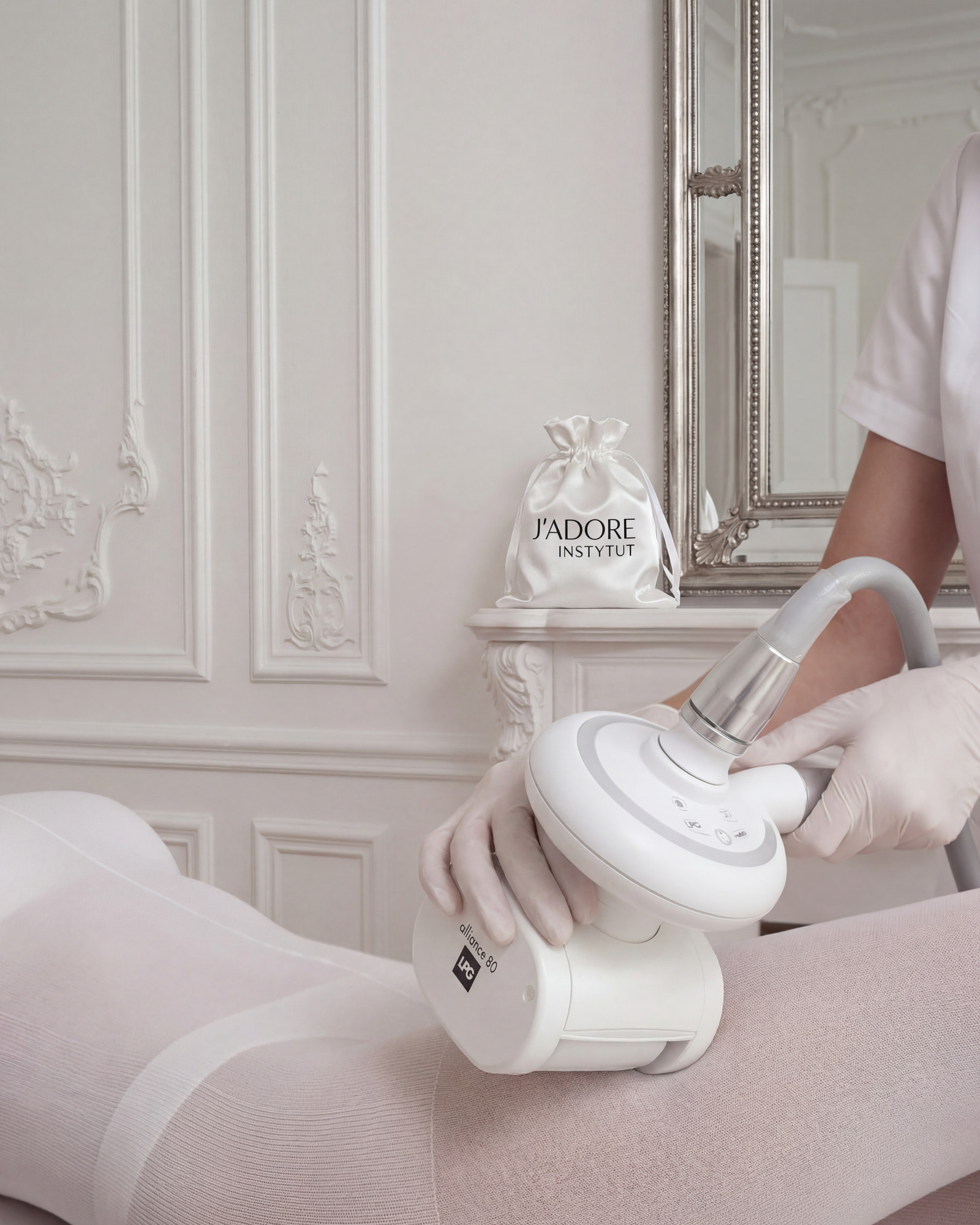
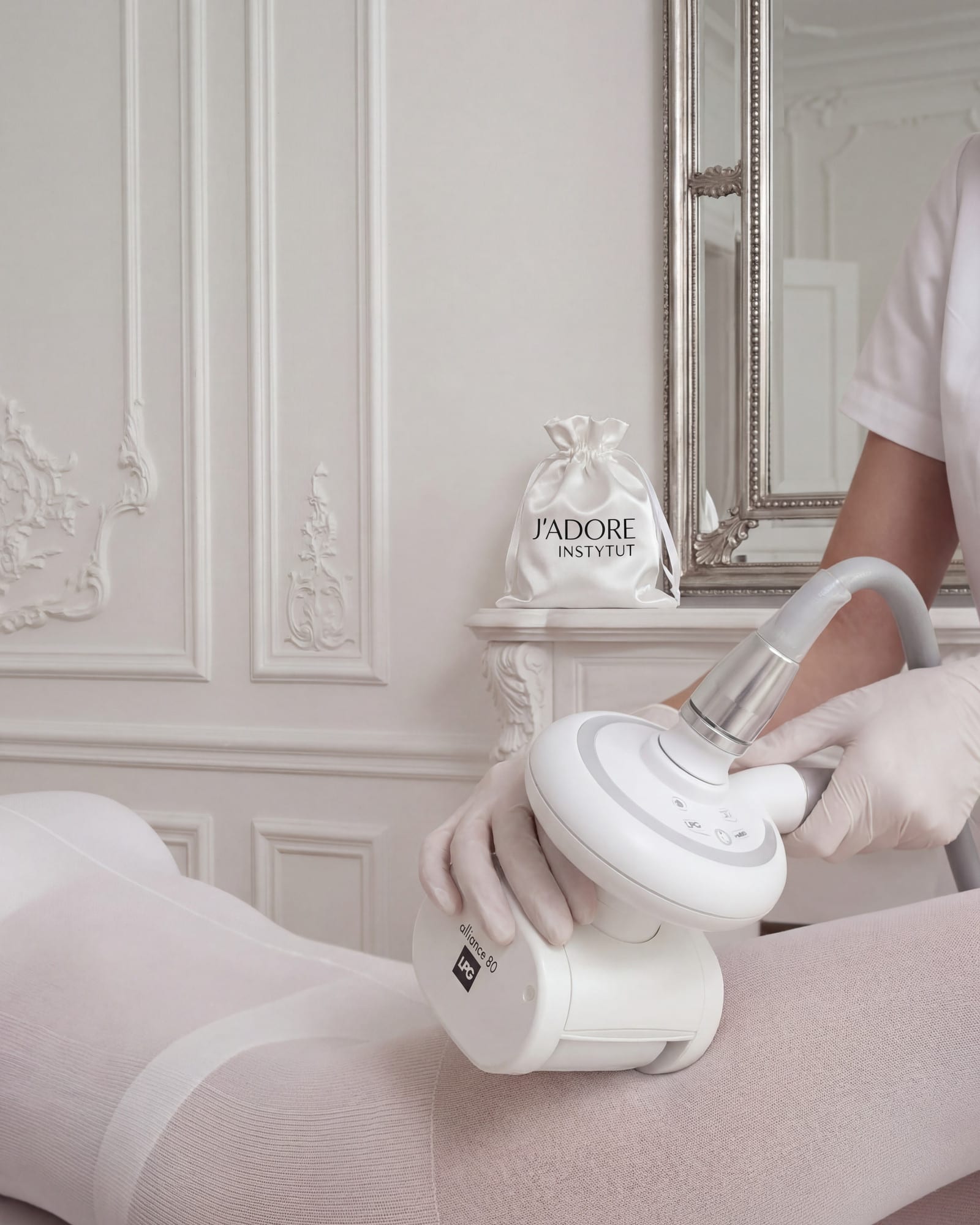
A mechanical roller massage often combined with suction — more intensive work on connective tissue than cupping alone, recommended for deeper cellulite or when you want faster results.
Body treatments (shockwave, RF)
Combining vacuum massage with treatments that stimulate tissue at a deeper level allows for a multi-level approach — for when cupping alone doesn't fully address the problem.
Sports / relaxation massage
For active people, combining cupping massage (improved circulation, skin condition) with muscle massage (recovery, tension relief) delivers benefits on two levels at once.