The most useful review describes behaviour, not delight
The sentence "it was wonderful" describes the author's emotion. The sentence "the therapist asked about injuries, checked my preferred pressure, and changed the technique when my hand started to go numb" describes the process. When choosing a place, place more weight on the second type of review. Delight is pleasant, but it cannot be transferred from one body to another.
Look for specifics that repeat across different months: are questions asked before the session, is the scope discussed, can you ask for lighter pressure, is privacy maintained, and are aftercare instructions clear? One detail might be a coincidence. The same pattern described by many people becomes a stronger indicator.
Do not automatically grant more credibility to a long review. An extensive text might focus on the reception, parking, and music, while ignoring the technique. A short note that the therapist stopped working on a fresh injury and suggested a consultation shows an important boundary of competence. Content matters, not the number of sentences.
- Does the review state the purpose of the visit and the area massaged?
- Does it describe communication regarding pressure and pain?
- Does it mention qualification, privacy, and hygiene?
- Was the effect assessed only upon leaving, or also the next day?
- Is it clear which person and which massage variant the description concerns?
The word "strong" without context can be both a compliment and a warning
For one person, a strong massage means effective kneading of an overloaded back. For another, it means pain that had to be endured because the therapist did not react. Do not judge the adjective itself. Check if the pressure was agreed upon, changed upon request, and tailored to the goal. Intensity without communication is not proof of effectiveness.
Classic massage uses techniques such as effleurage, friction, and kneading. It can be clearly felt, but sharp, shooting, or radiating pain requires stopping. A review where the author boasts about bruises as a necessary price for the effect does not set a standard. It may instead show a culture of "endurance" that you do not want.
Interior photos confirm aesthetics, not the hygiene of the process
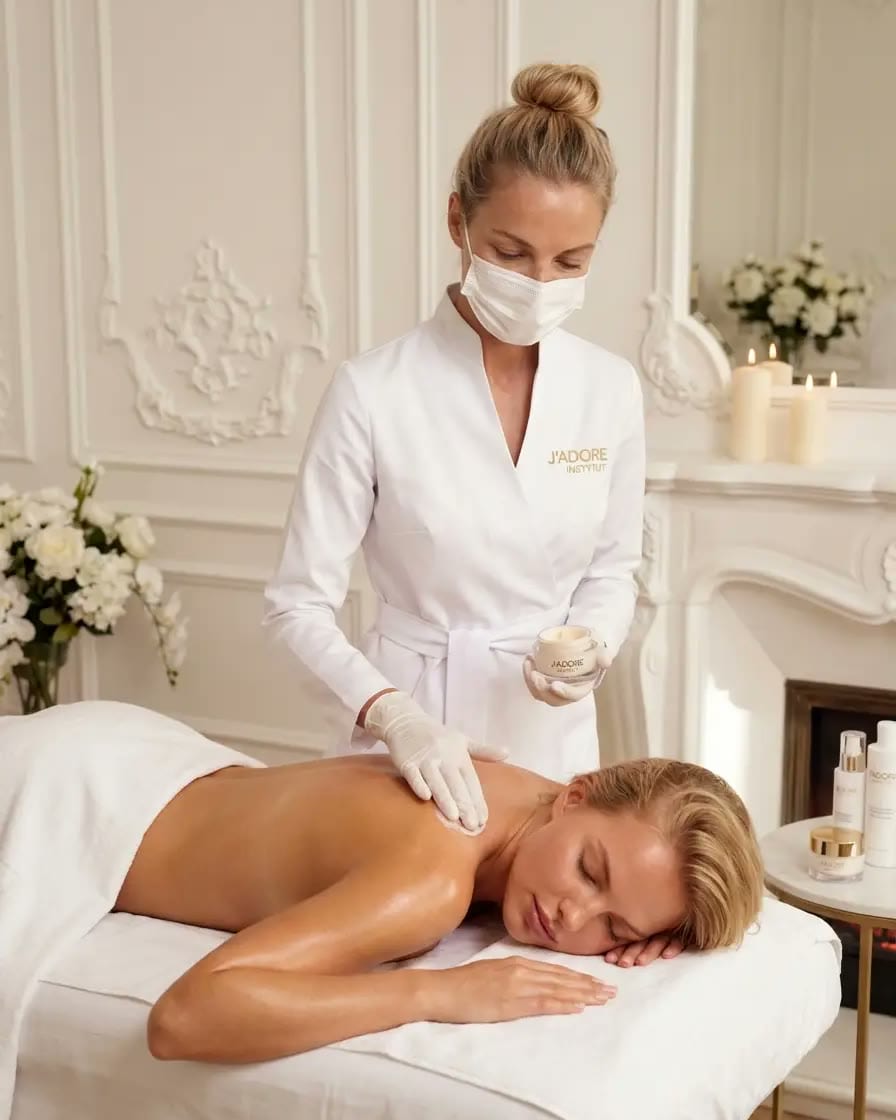
A clean interior in a photograph is a good start, but the photo is taken at a chosen moment. It does not show the changing of textiles, hand washing, oil preparation, or cleaning between clients. You can only partially assess these elements on-site: fresh covers, an organised station, and no phone usage during work.
Reviews about a "beautiful scent" also require caution. An aroma that helps one person relax may cause a headache or skin reaction in another. Information that the therapist asked about allergies and offered a neutral oil is of greater value. The ability to choose is more important than one signature scent.
Atmosphere is not unimportant. Temperature, silence, and a sense of privacy affect your ability to relax. Just do not confuse them with manual competence. A salon can be modest and conduct an excellent interview; it can also look luxurious while ignoring a message about pain. Assess both dimensions separately.
An extreme review needs a date, a response, and a second source
Read recurring complaints particularly carefully: shortening sessions, pressure to use stronger force, lack of reaction to discomfort, unwashed textiles, or scheduling chaos. If the same problem returns in independent descriptions, do not attribute it solely to the authors' bad luck. Ask about the procedure meant to prevent it.
In the salon's response, look for specifics and privacy protection. A good reaction does not publicly reveal the client's health data or the course of their visit. It proposes contact, explains a general rule, and announces an investigation into the situation. An aggressive tone, blaming, or airing a dispute in detail in the comments are red flags.
Do not try to determine medical truth based on comments. If someone describes sharp pain, numbness, or swelling, the review does not say what the cause was. It does, however, show whether the salon recommended stopping, contact, and a proper consultation. You can assess this behaviour without making a diagnosis through a screen.
You won't read this even from a hundred good ratings
Reviews will not determine if your new pain is suitable for massage. They will not assess a fresh injury, unilateral swelling, or a skin condition. Classic massage does not replace diagnostics, and a high average does not entitle a therapist to work on an unclear problem. In the case of alarm symptoms, you first choose the right specialist.
You also won't know if a specific massage therapist will fit your communication style. One person prefers short questions and silence; another needs an explanation of the next steps. A review can describe someone else's relationship, but only the first conversation will show if you feel heard and can freely say "lighter."
The chronology of reviews shows whether good quality is an event or a habit
Do not read only the first comments sorted as most relevant. A platform may keep a popular review from several years ago at the top, even though the team, schedule, and booking method have changed. Go to the newest entries, then compare them with older ones. You are interested in the continuity of behaviour, not a historical moment of delight.
Pay attention to a sudden block of very similar compliments. Repetitive language does not automatically prove manipulation — clients may be answering the same question after their visit. Do not treat it, however, as many independent details. Give more weight to descriptions of different situations: a first visit, the need to change pressure, lateness, and contact after the session.
Check the proportion of reviews about the entire salon to those about classic massage. A venue may have a high rating thanks to nails, facial treatments, or the reception. This is good information about the brand, but not direct proof of the manual work of a specific person. Filter by the words "massage," "pressure," "back," "neck," and the specialist's name if provided.
Reviews left just after leaving more often describe warmth, relief, and mood. Those written later may add information about tenderness the next day or the durability of the feeling of relaxation. Both moments are needed, but they answer different questions. Do not expect an immediate review to provide an assessment the author could not yet have made.
If a salon responds to every review with an identical sentence, you learn little beyond the fact that they have a process for handling comments. In the case of a problem, look for a response that is tailored but still discreet: acknowledging the experience, indicating a way to contact, and a readiness to investigate the event. A public response should not diagnose or reveal health history.
Do not try to detect fake ratings based on one signal. An account with one review may belong to a real client, and an extensive profile does not guarantee reliability. Instead of conducting an investigation, assess the consistency of independent facts. If different people at different times describe listening, punctuality, and the ability to change pressure, you receive a useful pattern.
Chronology also helps to notice the reaction to an error. After a series of remarks about shortening massages, later information about starting punctually and working the full time may appear. This may suggest improvement, which you will still verify with your own question. A review does not have to condemn a place forever; it should, however, leave a trace of whether the problem was taken seriously.
Before booking, ask questions that reviewers did not ask for you
- What does a short interview before the first session look like?
- Does the booking time include changing, or is it the actual massage?
- How do you report the need to change pressure during the session?
- What oils are used and is there a neutral variant?
- In what situations does the therapist refuse to perform a massage?
- What does contact look like in the event of a worrying reaction after the visit?
Answers do not have to sound like a textbook. They should be consistent, understandable, and leave space for changing decisions. If every problem is to be solved with more pressure, the scope of the method has been presented too broadly. If the team can name situations in which they do not massage, they show boundaries more important than marketing superlatives.
If you publish a review, separate observation from interpretation. Write "I asked for lighter and the pressure was reduced" instead of "the therapist is empathetic." Or: "the session started later and ended at the planned time" instead of a general "it was too short." A specific description helps the next person and gives the salon information that can be responded to or acted upon.
Do not publish health details that you may not want to have on the internet later. You can describe the qualification process without mentioning diagnoses and medications. Reliability does not require exposing your privacy. It is enough to write whether important information was listened to, whether it influenced the scope, and whether the reason for the decision was explained.
The Krakow website provides facts. Reviews are there to complement them.
You can check booking availability on the classic massage in Krakow page. J'adore Instytut is located at Karmelicka 45/2B, 31-128 Krakow, and is open from Monday to Saturday, 08:00–20:00. These are facts that do not need to be reconstructed from old comments.
Look for additional information in reviews: how the consultation is conducted, whether pressure is adjusted, and how privacy is maintained. Remember that a review may concern a different practitioner and a different treatment variant. Confirm the current scope before booking instead of assuming that an experience from a year ago will be replicated identically.
A good decision is not about finding a place without a single critical review. It is about combining three layers: current information about the service, recurring patterns in reviews, and your own conversation before the session. Only this set tells you more than an average rating.
Read reviews through their verbs: asked, explained, adjusted, interrupted, contacted. These are behaviours that you can verify later. Leave adjectives like "wonderful" and "best" as descriptions of someone else's emotions.
Even a detailed review does not know your medications, injuries, or pain threshold. A person delighted by deep pressure might not have been taking anticoagulants or had fragile skin. Their experience describes what suited them, not a universal dose. Therefore, treat the phrase "you must choose the strongest variant" as a preference, not a health recommendation.
Check if the recommended person still works there and if the booking actually assigns you to them. Reviews may concern a therapist who has changed workplaces, while the brand's average remains. If the system assigns the first available person, ask for confirmation of the name. This is especially important when reviews point to a specific specialisation or communication style.
A portal will not verify your allergies. A photo of a cosmetic product may be old, and the formula may have changed. Ask for the current composition of the oil before your visit if you have previously experienced hives, swelling, or an olfactory reaction. The assurance "natural and safe" does not replace the label. A reliable place can suggest a neutral product or pause the treatment until clarified.
Reviews rarely measure actual time. Determine if the time slot includes the consultation and changing, then verify this during your first visit. If someone complains about a shortened session, read the salon's response. A specific counting model is more credible than a general declaration that every person is the most important.
Write your own review only the next day. The atmosphere, scent, and relief after lying down are still active at the reception. After a few hours, you can assess your skin, range of motion, tenderness, and whether your boundaries were respected. Such a review will help the next person more than an immediate five stars for tea.
Do not overlook the date of the entry. The team, location, and procedures change. A detailed review from several years ago may be less useful than a newer, more modest description. Look for confirmation that the indicated behaviours are currently being repeated instead of building your decision on past renown.
The most credible decision combines reading, conversation, and your own observation of the first calm session in the salon.