First, determine whether you are comparing a massage or an extensive ritual
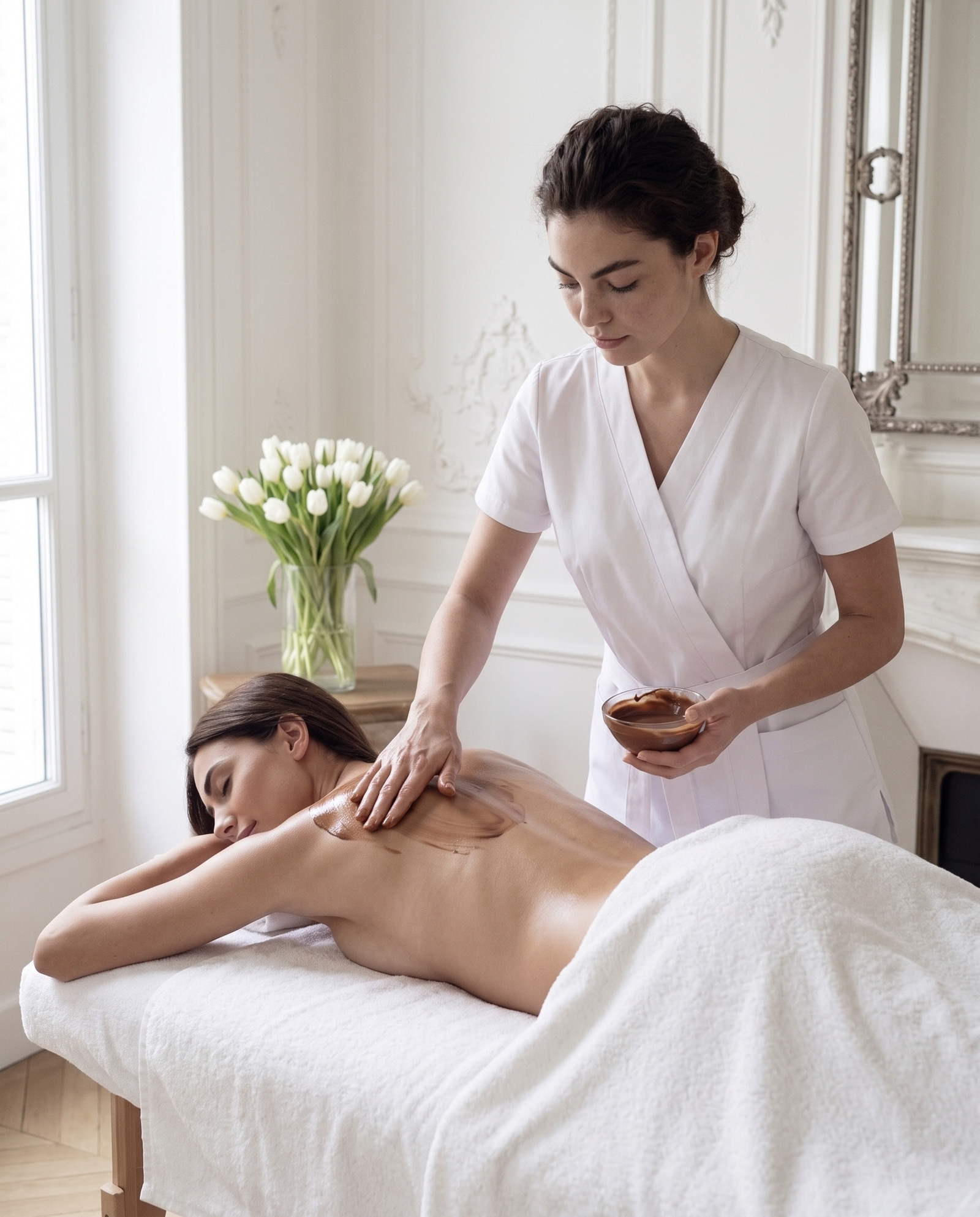
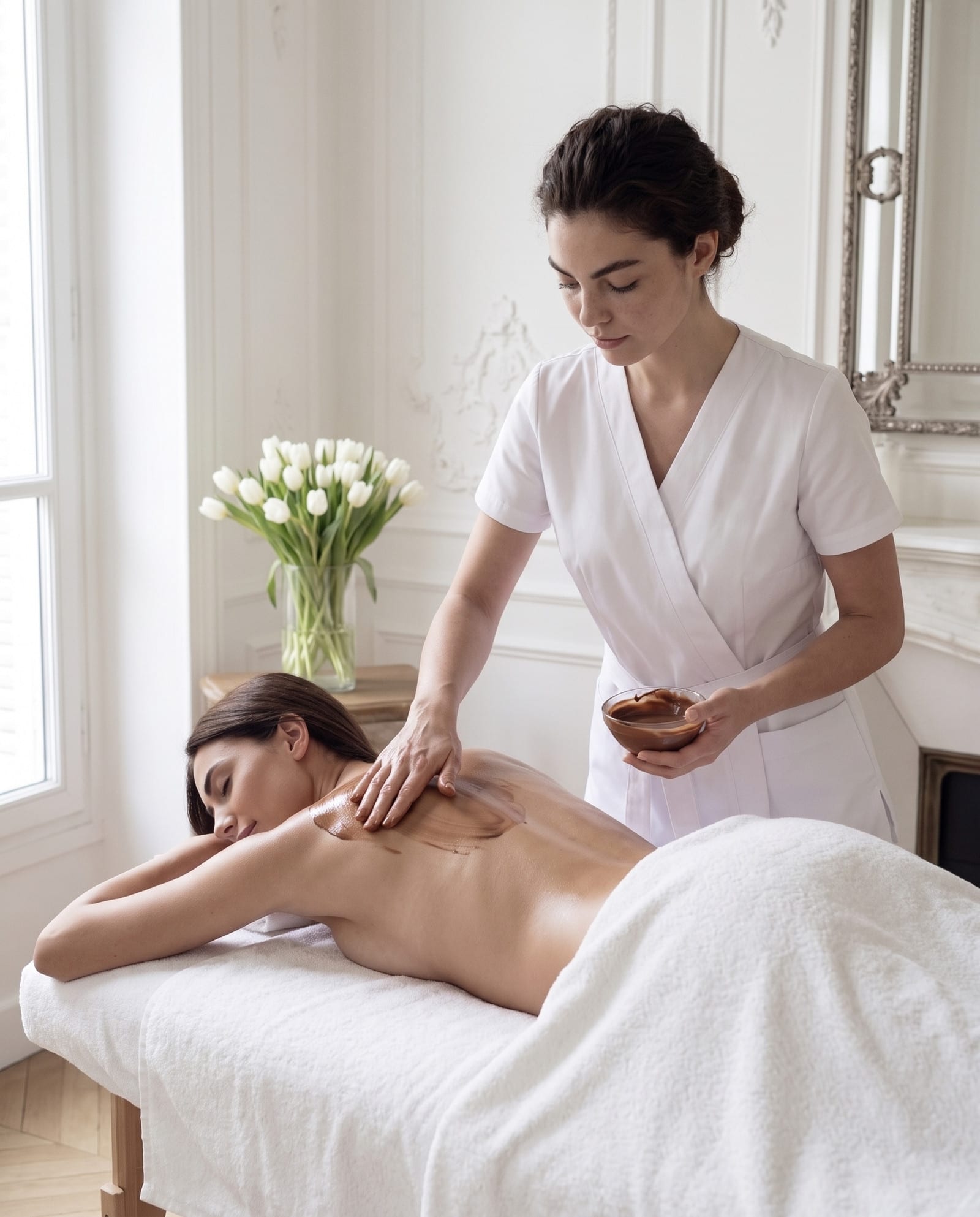
The word "chocolate" describes the theme, not the full procedure. In the basic variant, the most important part is the manual work with warm cocoa mass. An extensive service may include skin preparation, a peel, a longer massage, a mask or an additional care step. Each element takes time and requires materials, but not every element is needed by every person.
Ask about the process from the moment you enter the salon. How much time is allocated for the consultation, changing, the actual work and a calm conclusion? Does the time stated in the booking mean the contact of hands with skin, or the entire slot including organisation? Two seemingly equal services may differ in how much real manual work you receive.
A longer list of steps does not always mean greater value. If your goal is rest, an intensive peel may be unnecessary. If your skin is reactive, additional cosmetics increase the number of ingredients to assess. Choose a scope that matches your goal, not the variant with the most names in the description.
The body area changes the amount of work and product
A back massage is not the same as a full-body ritual. A larger scope requires more time, product, position changes and comfort checks. It should also mean clear information about uncovering the body and covering areas that are not currently being massaged. The difference in price may therefore result from genuinely more work, not from a premium label.
Do not extend the area just because a package seems more favourable. If you want a back massage and relaxation, a full ritual for the legs, abdomen and arms may not be necessary. On the other hand, very short work on a large area risks being rushed. Ask whether the scope and time create a feasible whole.
The product should have a name, composition and proper conditions of use
Cocoa mass should not be an anonymous brown mixture. The salon must know what product it uses, how it stores it and for whom it may be unsuitable. Traceability matters in cases of allergies, delayed skin reactions and subsequent visits. The packaging and product documentation are part of a standard that you cannot see in a photo.
A higher product cost does not guarantee a better massage, but the cheapest undescribed fragrance base is not a sensible saving. You are paying for a professional cosmetic used as intended, the correct portion and hygienic dispensing. Not for a brand name spoken without the possibility of showing the preparation.
In case of allergies, ask for the full composition, not just an assurance that the product is natural. Cocoa, base oils, fragrances and preservatives are different elements of the recipe. The ability to choose a more neutral variant is sometimes more important than an extensive story about antioxidants. The ritual should nourish, not test your skin without information.
The specialist's time also includes qualification and observation
A good session begins with a short interview about health, skin, allergies, injuries, pregnancy and pressure preferences. This is not an unproductive part of the visit. Thanks to it, we know whether to perform, modify or postpone the service. A salon that saves a few minutes on questions transfers the cost of this saving to the client's risk.
During work, the specialist controls more than just the movement of their hands. They check the temperature, skin reaction, position stability and whether the aroma is becoming overwhelming. They should respond to a "too hot", "it stings" or "my hand is going numb" signal. This attentiveness is part of the service, even if it cannot be photographed for the price list.
At the end, you need a moment to get up calmly, remove excess product and receive recommendations. Immediately opening the door for the next person may look efficient, but it does not facilitate assessing your well-being or hygienically preparing the station. A reasonable buffer has operational and quality value.
Hygiene costs less than fixing the lack of it
Fresh textiles, surface disinfection, clean product containers and a method of dispensing without contaminating the packaging are not extras. They are the basics. Cocoa mass comes into contact with a large surface area of the body, which is why tools, hands and the station must be prepared anew for every person.
You do not need to expect a sterile operating theatre — this is a massage without breaking the skin. However, you must see the order of the process. If the therapist touches a phone, a door handle and the product without changing gloves or washing their hands, an elegant interior does not compensate for this lack. The standard is behaviour, not decor.
A variant for two is two full services, not one larger room
A massage for couples requires two stations, two practitioners and parallel organisation. Each participant undergoes their own consultation and can choose a different temperature, pressure and scope. The price should not result solely from a romantic label, but from doubled work and conditions that allow for privacy and hygiene.
Also, do not assume that both people must choose chocolate. An allergy, a dislike of the scent or a different goal may speak in favour of a different massage. A good salon will explain the organisational possibilities instead of forcing an identical product for the sake of a photo.
A package makes sense only if you want to return after the first session
Regular massages can create a rhythm of rest, but a chocolate massage does not require a mandatory biological series. Do not buy multiple visits before checking your tolerance to the scent, the preparation and the nature of the touch. One session is enough to assess whether this is your form of relaxation.
If a package lowers the cost of a single visit, read the rules on validity, rescheduling and changing the variant. The saving disappears when the dates do not fit or the service cannot be changed after a skin reaction. The price should be evaluated together with flexibility, not in isolation from it.
Beware of a package sold as a path to slimming. A chocolate massage can provide skin softness and relaxation, but it does not reduce adipose tissue. If the main promise is centimetres, you are paying for a narrative that the scope of the method does not confirm.
A cheap offer becomes expensive when it requires fixing the consequences
The riskiest savings concern not the time of decoration, but qualifications, the product and hygiene. Lack of questions about allergies, overly hot mass, an anonymous preparation and rushed client turnover are things you should not save on. A skin reaction or loss of trust costs more than the difference between items on a price list.
- Red flag: no possibility of knowing the product used.
- Red flag: an assurance that a natural composition cannot cause allergies.
- Red flag: a promise of slimming or treating tension with the ritual alone.
- Red flag: no consultation and rushing between consecutive people.
- Red flag: pressure to buy the largest package before the first session.
A low price may result from a shorter, simpler scope — and then it is fair, if the description states this directly. The problem begins when a shortened service pretends to be a full ritual or the saving is hidden in the quality of the process. Transparency is more important than a position on a scale from cheap to expensive.
One phone call can separate three seemingly identical offers
- First offer. Every description promises a hot chocolate massage. In the first, the actual manual work covers only the back, even though the photo suggests a full-body ritual.
- Second offer. In the second, a full-body massage is the basis, but a peel is a separately booked extra.
- Third offer. In the third, the name includes a peel, mask application and short relaxation, but the massage itself takes up a smaller part of the visit. Without asking questions, you compare three different things as one product.
Call and describe your goal in one sentence: I am looking for a relaxing full-body massage with cocoa mass, not primarily a peel. Ask to go through the steps and identify which are optional. A good answer does not have to be long. It should allow you to reconstruct the process after the call without guessing what is hidden under the word "ritual".
The second scene concerns allergies. You ask about the composition, and the person on the other end says only that the chocolate is professional and delicate. This does not answer the question. A reliable salon will check the label, provide the product name or call you back after verifying it. The time spent finding information speaks better than an immediate but empty reassurance.
The third scene appears with a gift for a couple. One offer includes two therapists working in parallel; another reserves one room, but the massages take place one after another. If you dream of a shared ritual, only the first variant meets this goal. If you prefer to take turns looking after a child or wait separately, the second may be more practical. The value depends on compliance with the need, not on the impressiveness of the name.
After these questions, the numbers in the price list gain context. You know which service is a massage, which is extensive care, and which is a shortened experience with a scent. You do not have to choose the most expensive one. You can choose the one whose scope is transparent, matches your goal and does not hide savings in time, product or safety.
Write down the answers for each offer using the same headings: area, actual massage time, additional steps, product, number of therapists and possibility of rescheduling. Such a note separates facts from the mood of the conversation. Nice service is important, but it cannot replace information. Conversely, a concise answer does not mean coldness if it contains everything you need for an informed decision.
In Warsaw, compare two locations using the same set of questions
The current scope and price list can be found on the hot chocolate massage in Warsaw page. J'adore at Żelazna 59, 00-848 Warsaw, is open Mon–Sat 8–21 and Sun 11–19. The salon at Mińska 29A/46, 03-808 Warsaw, is open Mon–Sat 9–21.
Appointment availability and convenience of access have value, but they do not change quality criteria. In both places, ask about the variant, scope, time, product and contraindications. Then you are comparing the full service, not a single slogan. If you need a massage for two or an extensive ritual, confirm these elements before booking.
The final decision should give you one simple certainty: you know what you are paying for and what the treatment does not promise. A good chocolate massage does not need to pretend to be a therapy or a body contouring method. Its honest value lies in the quality of touch, skincare and time that has not been shortened behind the scenes.
Before booking, compare five elements: the body area, the actual massage time, the product name, qualifications and post-visit protocols. Only then should you assess the price.
Also, ask about accountability after you leave. The clinic should be able to provide the product composition and accept information regarding itching, erythema or excessive tenderness. This does not mean diagnosing over the phone. It means the ability to identify the product and the extent of the treatment so that the client and the doctor do not have to guess. Such readiness is part of the quality, even if it is not visible in photos of the interior.
The rescheduling policy affects the safety of the entire place. Business rules may protect the schedule, but they should not encourage coming in with a fever. Before purchasing a package, check how early an infection must be reported and whether a contraindication confirmed on the day of the visit allows for a change of date. A cheap session loses its value if the terms and conditions encourage risk.
Do not calculate the offer solely in minutes. Time spent on mismatched work can be less useful than a shorter range focused on your goal. At the same time, do not let a decorative stage replace the hands if it is the massage you expect. Ask about the proportions and choose consciously between a ceremony and manual work.
The most important saving sometimes involves opting out of an unnecessary addition. A scrub, mask or foot bath makes sense when the skin tolerates them and they match your goal. More stages are not automatically more premium. Good pricing allows you to remove something without pressure and explains how it will change the procedure.