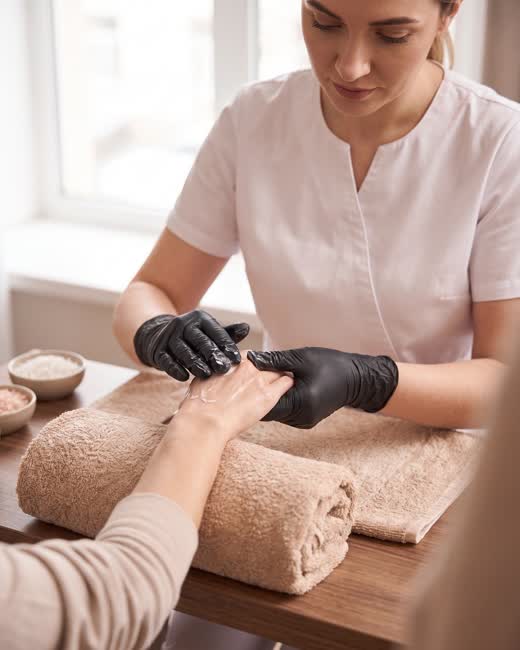
Two different jobs, two different techniques
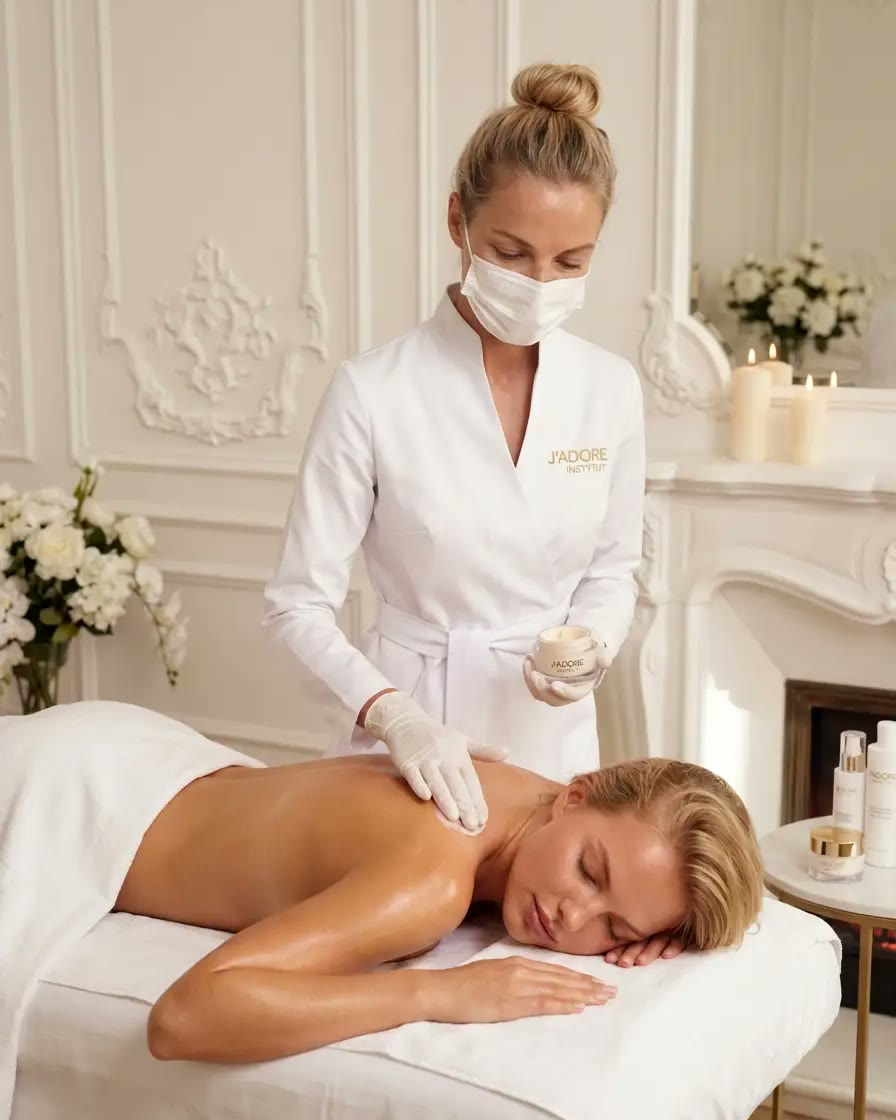
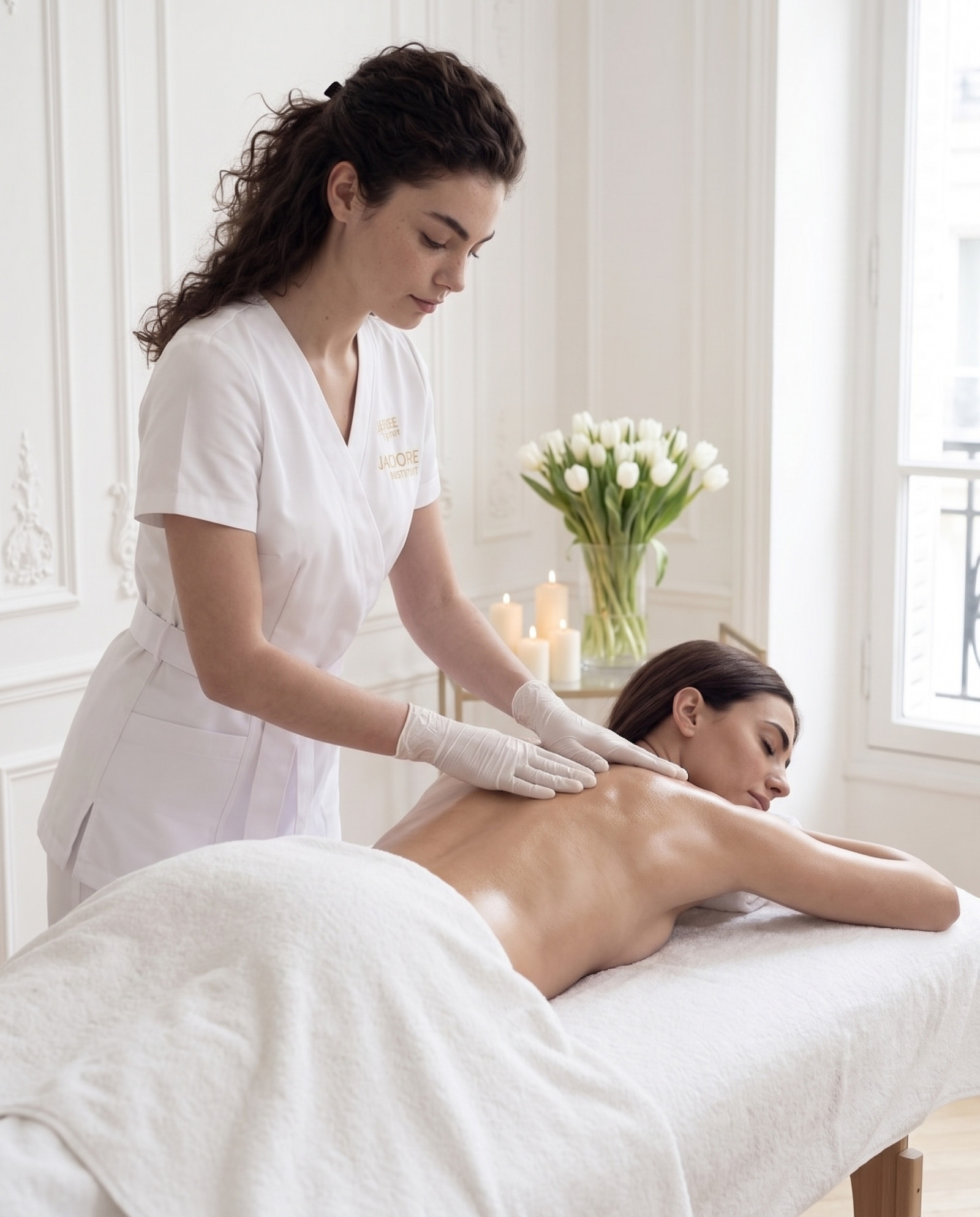
Instinct tells you massage is always "something pleasant that relaxes you". In the context of sport and physical activity, it's a much more precise tool — and timing changes everything. Massage before exertion is meant to wake the body up for action: it stimulates circulation, increases tissue elasticity and reduces tension that could limit range of motion. Massage after exertion works the other way — it calms the body, clears metabolic waste from tired muscles and supports the repair process.
Massage before exertion
Activates and prepares the body for movement
- Stimulates circulation in muscles and tissues
- Increases elasticity and range of motion
- May reduce the risk of overload
- Shorter, more dynamic, less intense
- Techniques: friction, kneading, vibration
Massage after exertion
Supports recovery and calms the body
- Helps clear metabolites from working muscles
- May reduce post-training soreness (DOMS)
- Calms the nervous system after intense exertion
- Longer, slower, more precise
- Techniques: kneading, drainage, fascial techniques
When pre-race massage fits — and how to plan it
Pre-race massage works best when treated as an extension of your warm-up — not as a separate "just in case" ritual. Its purpose is to get your muscles and connective tissue ready for work: warm, elastic and well supplied with blood. Timing matters here. Too early — say, the day before the competition — and it loses its activating purpose. Too close to the start, with a technique that's too deep, and it can increase muscle tension instead of reducing it.
- 01
The day before exertion
A relaxation massage with moderate pressure — if you're dealing with tension or overload. Deep tissue work at this point is a risk, not a bonus.
- 02
2–4 hours before the start
A short activating session: friction, kneading, vibration. The goal is to stimulate circulation and "wake up" the muscles — not to relax them. Session length: shorter than a recovery massage.
- 03
Just before (warm-up)
Self-massage techniques (foam roller, ball) can be used here — but not a full salon session. The body should be ready for movement, not for rest.
When recovery massage fits — and what you'll feel afterwards
Massage after exertion has a completely different rhythm. Your muscles are tired, potentially irritated by micro-inflammation — especially after eccentric training — and your nervous system is stimulated. In this state, the body doesn't need intense stimulation. It needs support for processes already under way: clearing metabolites, reducing tension, and returning to autonomic balance.
- Immediately after (0–2 hours): if anything at all — very gentle techniques, lymphatic drainage, soothing stroking. Avoid deep work — the muscles may still carry micro-damage.
- 6–24 hours after exertion: the optimal window for a full recovery massage. Your body is already in the active repair phase, and massage can support it.
- 48–72 hours after: particularly valuable following very intense sessions or competitions. It helps reduce DOMS and often speeds up your return to the next training session.
How to build massage into a regular training plan
Treated as a one-off — "when it hurts" or "while you're at it" — massage delivers only a fraction of what it can offer as a fixed part of your plan. People who see the biggest results tend to do the same thing: they set a specific place for massage in their weekly or monthly cycle and stick to it, regardless of how they feel on the day.
It's also worth remembering that the body adapts to regular manual work. After a few sessions, your therapist gets to know your tension patterns, knows where overload tends to build up, and can spot early on what daily training might miss. This isn't a luxury — it's often the fastest way to catch injury risk before it becomes a problem.
When to combine massage with other treatments
Massage works well on its own — but combined with other bodywork methods, its effects can build. Order and timing between treatments matter. Not everything makes sense at once, and not every combination is neutral for your tissues.
Massage + lymphatic drainage
A classic combination after intense exertion or a long journey. Drainage supports the clearance of metabolites and reduces swelling; massage works deeper into the muscles and fascia. Usually scheduled as separate sessions or applied to separate areas of the body.
Massage + fascial work
For people with chronic tension patterns and limited mobility. Fascial techniques require a slower pace and deeper focus — often a separate session, or a final component of the massage.
Massage + kinesiotaping
Kinesiology tape is applied after the massage — the skin needs to be dry and free of oil. This combination is especially popular for overload in specific muscles or joints.
Massage + cold or heat recovery
Cold (a cold shower, cryotherapy) is used straight after exertion; massage comes at least a few hours later, or the next day. Reversing this order without consulting a professional can send the body conflicting signals.