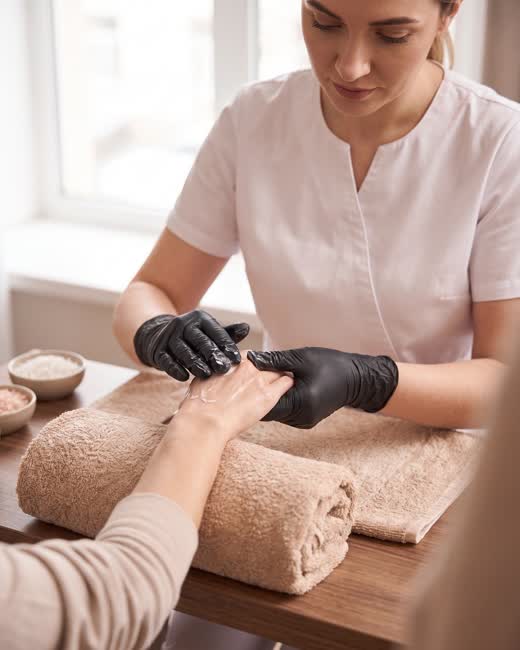
Balinese massage: where two cultures meet
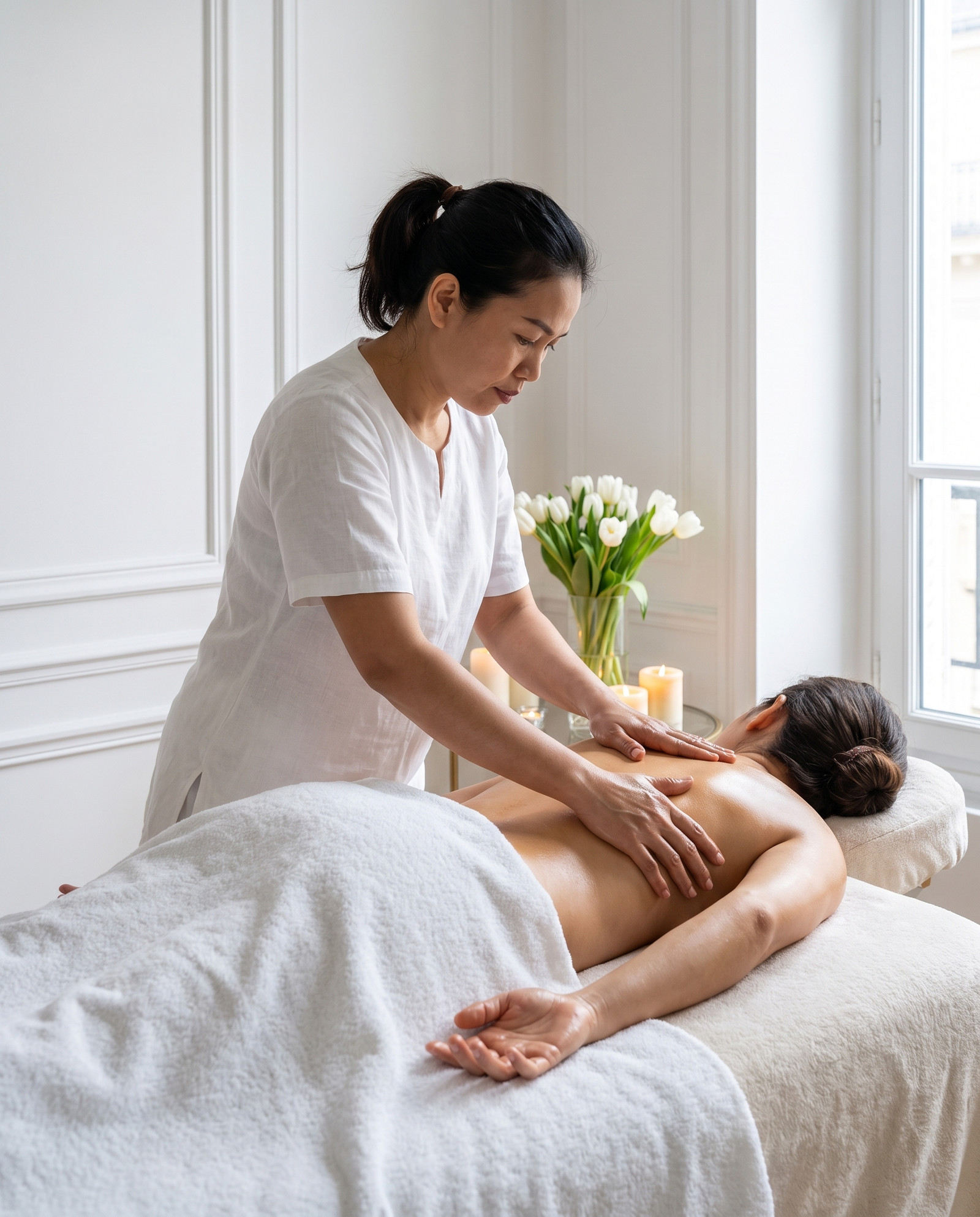
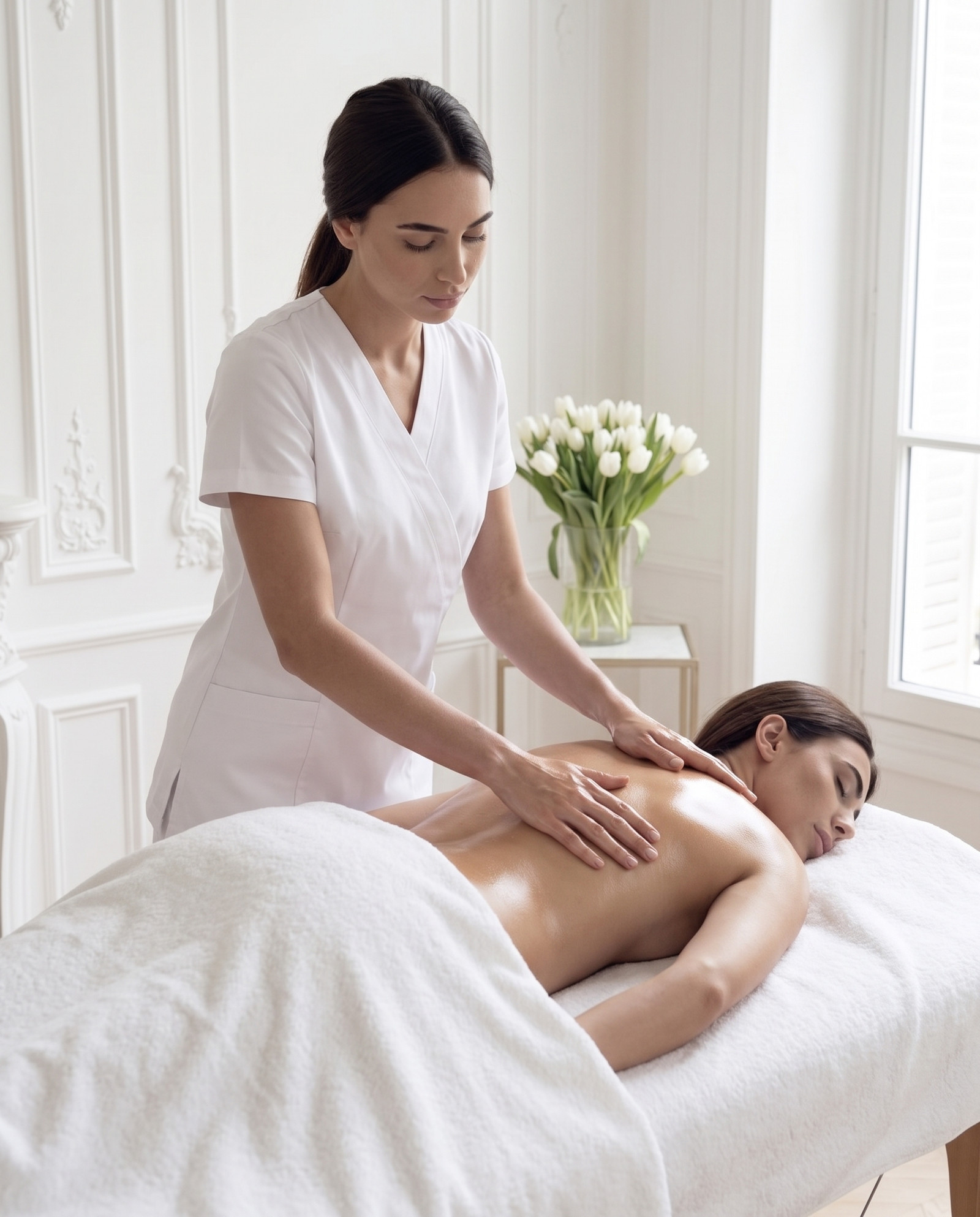
For centuries, Bali sat at the crossroads of two powers: Hindu philosophy of the body, which arrived from India, and traditional Chinese medicine, carried in along trade routes. Balinese massage is exactly that meeting point — a combination of two ways of thinking about energy flow through the body.
In practice, this means the therapist works in two logics at once. Some movements come from deep-tissue massage: long, firm strokes along the muscles, clear thumb pressure into tension points, rolling and kneading of tissue. This is physical work you can feel clearly — especially if your muscles are tight. The other part is work with meridians: specific lines along which, according to Chinese tradition, vital energy (chi) flows. Pressure along the meridians doesn't hurt or stretch; it feels more like a precise "opening" of specific points on the body.
Balinese massage often brings a dual effect: physical muscle relaxation and something harder to put into words — a deeper calm, a feeling of "settling" into your own body. Many people feel drowsy afterwards, but rarely exhausted; they're more likely to describe a lightness paired with quiet awareness. That's no accident: both traditions behind this massage treat body and mind as one system, not two separate things to fix.
Lomi lomi: the Hawaiian massage that looks like a dance
If you watched lomi lomi through a window, without sound or context, you might think the therapist was dancing. You'd be half right — in Hawaiian tradition, lomi lomi wasn't a massage in the Western sense of the word. It was a healing ritual combining body, breath and chant, passed down through generations of Hawaiian kahuna — masters of the art of living.
What immediately sets lomi lomi apart from other techniques is the use of the whole forearm and elbow — not just the hands and thumbs. The movements are long, flowing, wave-like, often covering several parts of the body at once. The therapist moves around the table in a rhythm that resembles choreography, laying both forearms across the body and guiding them from the shoulders down to the feet in one long, unbroken gesture. This movement — called lomi lomi in Hawaiian, from lomi, meaning "to knead, rub, wave" — is meant to echo the rhythm of the ocean.
The philosophy behind lomi lomi is simple, yet deep: blockages in the body are trapped thoughts and emotions that never found a way out. The rhythmic, sweeping movements are meant to let them flow away — literally, the way the ocean wears down hard rock with a long, patient rhythm. That's why lomi lomi can feel more emotionally intense than other massages: tears or unexplained laughter aren't unusual. Experienced therapists see this as a natural, welcome part of the ritual.
Polynesian massage: a study of flow
Polynesian massage grew from the same geographic and cultural family as lomi lomi, but developed into its own system — more varied, blending techniques from several islands across Oceania: Tahiti, Samoa, Tonga and neighbouring archipelagos. What links these traditions is the concept of *mana*: a life force that flows through the body, and whose free movement is a condition for health and wellbeing.
In practice, Polynesian massage is often more energetic and deeper than Balinese, and less ceremonial than classic lomi lomi. The therapist alternates between hands, fists and forearms, working both on the surface — with long, warming strokes — and in deeper tissue layers, breaking down muscle tension with specific pressure techniques. Rhythm matters: faster than Ayurveda, but more regular than Balinese. The body is guided like music, not searched like a text.
Lomi lomi (Hawaii)
ocean and ceremony
- Forearms and elbows as the primary tool
- Long, wave-like, unbroken movements
- Strong emotional and spiritual philosophy
- Often an intense relaxation effect
Polynesian massage
mana and flow
- Hands, fists and forearms, alternating
- Energetic rhythm, deeper work on tension
- Aim: to release the flow of mana
- Physical intensity higher than lomi lomi
Ayurveda: the massage that's five thousand years old
Ayurveda — from the Sanskrit ayus (life) and veda (knowledge) — is one of the oldest surviving medical systems in the world. It comes from India and is more than five thousand years old. Ayurvedic massage, called abhyanga, isn't an isolated relaxation technique. It's an integral part of a system that treats body, mind and soul as inseparable.
Physically, abhyanga is a full-body massage with warm therapeutic oil — usually sesame or coconut, blended with herbs. The movements are rhythmic, evenly split between long strokes along the limbs and circular movements around the joints. The therapist works in the direction of hair growth on the body and the direction of lymphatic flow — this isn't a random order but a precise protocol meant to support the body's natural cleansing process.
Ayurveda's effects are less dramatic than lomi lomi's while it's happening — no dance, no sweeping gestures. But the depth of the regeneration you feel often shows up later: full results in sleep quality, muscle tension and overall wellbeing are often clearest a day or two after the session. For many people, regular abhyanga over several weeks brings results a single session never will — it's a system built for the long timeline, not the single moment.
Herbal compress: wet heat and plant wisdom
Herbal compress doesn't belong to any single culture — it appears independently in Thailand, Java, India and several other Asian traditions. The principle is always the same: herbs and medicinal plants wrapped in fabric, heated over steam and pressed against the body. It combines heat therapy with aromatherapy and phytotherapy — three things at once, in one fist-sized tool.
The contents of a compress vary by tradition, but certain plants appear almost every time: lemongrass (warming, antibacterial), ginger (stimulates circulation, anti-inflammatory), turmeric (calms inflammation, brightens skin), galangal (a close relative of ginger, highly aromatic), kaffir lime leaves (intensely citrus, calming for the nervous system). Local herbs often join them — Thai basil, jasmine, various types of bamboo.
- 01
Preparing the compress
Herbs and plants are wrapped in a cotton or muslin bundle and heated over steam. The heat releases the plants' essential oils and active compounds — the compress needs to be hot, but never scalding.
- 02
Warming the body
The therapist starts by gently pressing the compress against the body, gauging how your skin responds to the temperature. They usually start with the back and shoulders — areas with more muscle mass that tolerate higher heat.
- 03
Rolling and pressing
The compress is rolled, pressed and lightly worked along muscle tension. Steam opens the pores, and plant compounds absorb through the skin. In the background, aromatherapy takes over — the intense scent of citrus and ginger.
- 04
Deep relaxation and integration
Heat spreads deep into the muscles and tissue, and the body releases tension faster than with manual massage alone. Many people fall asleep halfway through the session — one of the more common effects of heat therapy combined with aromatherapy.

How to choose the right massage for you
Which massage suits you best depends on what you're actually looking for — and it's worth being honest with yourself before you book your first session. "I want to relax" isn't specific enough. Relaxation comes in different forms: physical relief after a week at a desk is different from emotional calm, and both are different again from deep regeneration of the nervous system.
Balinese
harmony of body and mind
- Muscle tension + energetic blockages
- Everyday stress, scattered focus
- A first step into exotic massage
Lomi lomi
deep emotional release
- Tension held in the body for a long time
- A feeling of being "blocked" — physically and emotionally
- Openness to a more intense experience
Polynesian
physical work on tension
- Hard, resistant muscles (back, shoulders, calves)
- An active lifestyle, sport
- You need deeper pressure than a classic massage gives
Ayurvedic
systemic regeneration and balance
- Long-term exhaustion, sleep disorders
- You want to work with your body regularly, not as a one-off
- You're interested in a treatment matched to your own constitution
Herbal compress
wet heat and deep relaxation
- Chronic muscle tension resistant to manual massage
- Intense aromatherapy as part of the ritual
- Feeling cold, needing warmth
It's also worth knowing that exotic massages aren't just a holiday indulgence. Regular sessions — even once every few weeks — can be more effective prevention than a single "intensive spa week". The body responds better to rhythm than to isolated episodes. So a more useful question than "which one should I choose?" is often "which one will I actually keep coming back to?" — because that's the one that works, not the one with the longest list of benefits on the menu.
Combining exotic massage with other treatments
Exotic massages work well on their own, but they work especially well as part of a broader ritual — before or after body treatments, combined with a body peel, aromatherapy or facial treatments. The logic is simple: a relaxed body responds better to further work; skin that's warm and well-circulated after a massage absorbs active ingredients more effectively.
Massage + body peel
A peel before the massage preps the skin and opens the pores — oils from the massage penetrate deeper. A peel after the massage removes dead skin cells while the skin is still warm and well-circulated from the session — the skin is primed and ready. Both approaches are valid, depending on the result you're after.
Herbal compress + Ayurvedic massage
The heat from the compress warms and loosens the tissue first, and the gentle rhythm of abhyanga then works deeper into muscles that have already "let go" under the heat. This combination works particularly well for chronic tension in the neck and back.
Lomi lomi + facial treatment
After the emotional intensity of lomi lomi, your face is relaxed and circulation in the neck and head is heightened — a good moment for a gentle facial treatment. Skin responds better to active ingredients, and the whole body is already in deep relaxation.
Balinese massage + aromatic bath
Before Balinese: a bath warms the tissue and helps oils absorb more easily. After Balinese: a bath with salts and oils extends the relaxation effect and supports the meridian work with further heat and hydromassage.