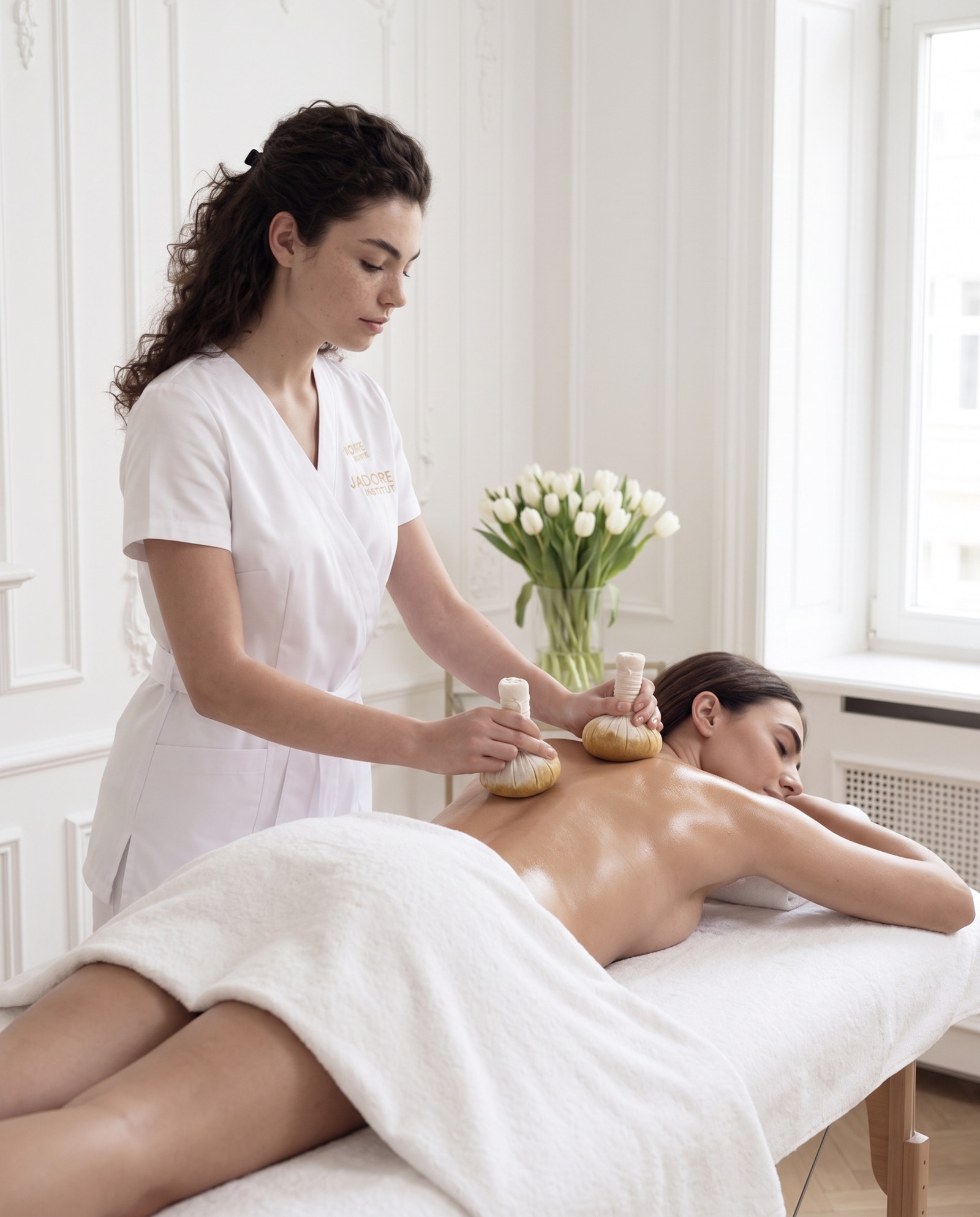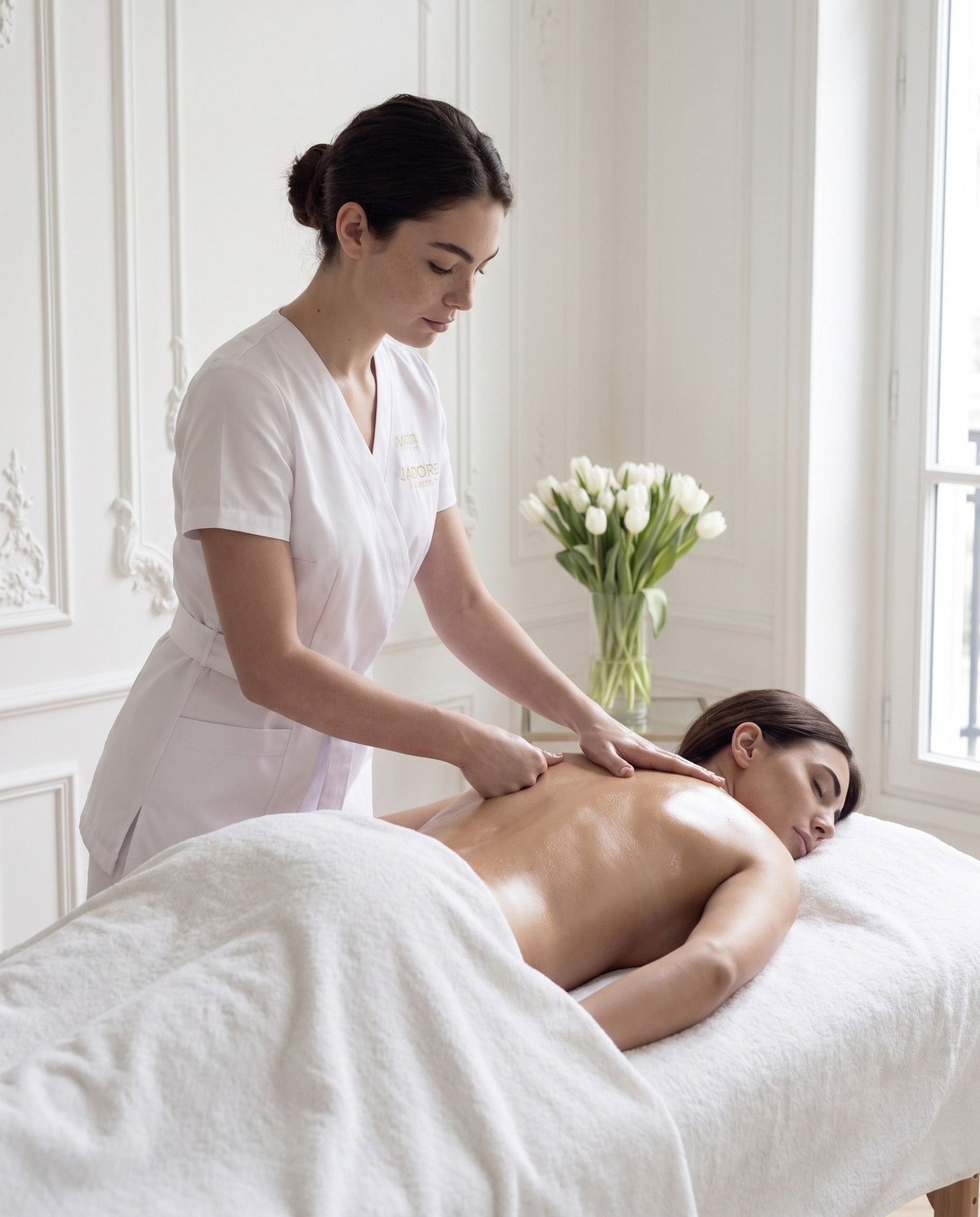

What are herbal compresses and where do they come from?
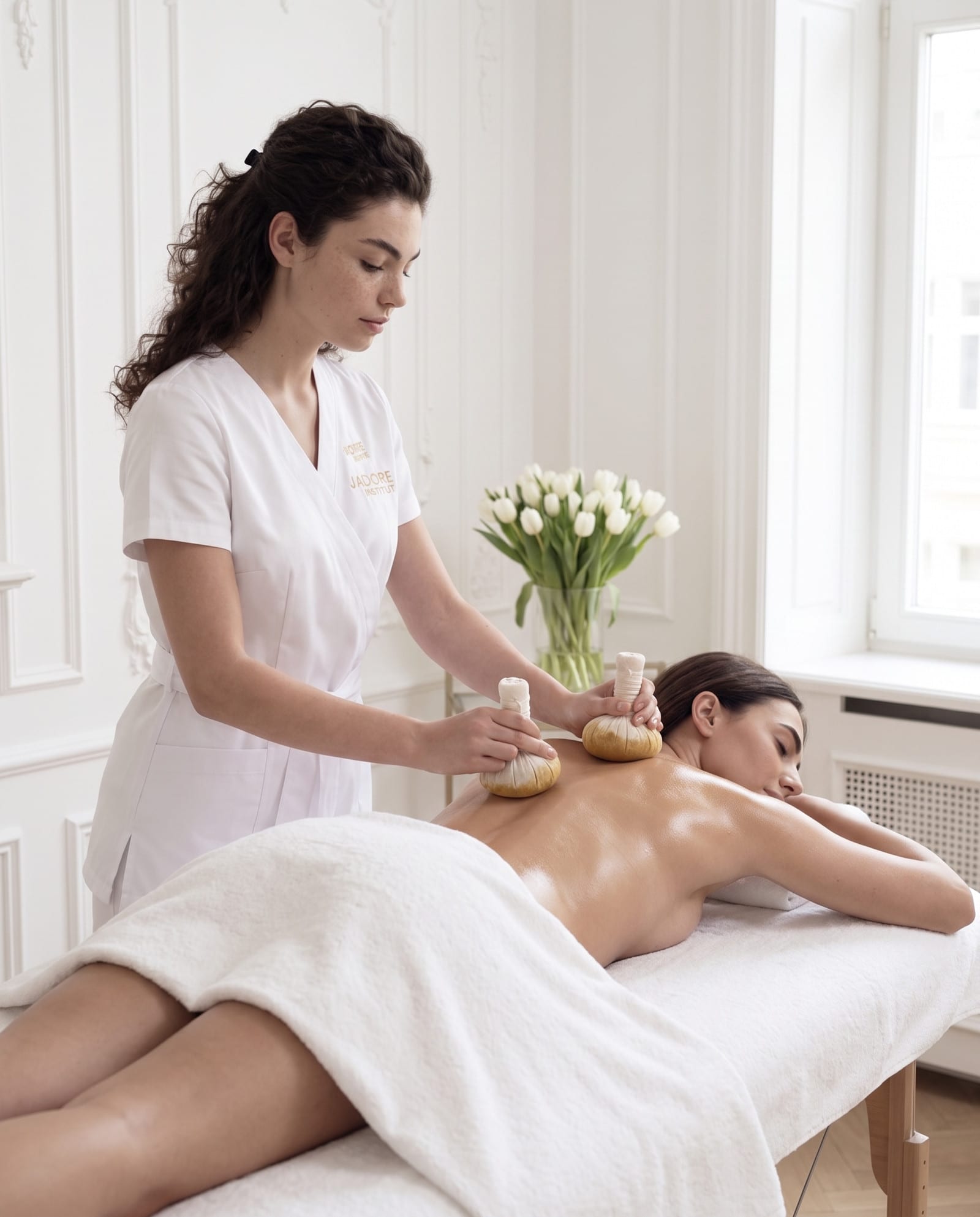
An herbal compress — in Thai, luk pra kob — is a natural fabric compress, usually made from cotton or muslin, tied tightly into a round bundle the size of an orange. Inside is a blend of dried or fresh herbs, roots, bark and sometimes salt or clay. Before the massage, the compress is heated. Traditionally, it is steamed, although electric warmers are often used today. It is warmed to a pleasantly warm, not scalding, temperature. The specialist then moves it across the body using circular movements, pressure and rhythmic tapping.
Heat dilates blood vessels and opens the pores. It also helps active substances from herbs penetrate the skin. Steam carries essential oils that you inhale throughout the massage. This is why you may feel “different” after the treatment than after a regular oil massage. The scented atmosphere works throughout the session, not only from a bottle opened at the beginning.
What is inside — the key herbs and their role
This is where the heart of the subject begins. Not every compress is the same. Ingredients vary between salons and massage styles. Below are the most common ingredients, grouped by what they bring to the treatment.
Warming and stimulating herbs
They support circulation and tense muscles
- Ginger (root) — the classic “fuel” of a compress; warms intensively and may support relaxation of tense muscles
- Cinnamon (bark) — an intense aroma; believed to enhance the feeling of warmth on the skin
- Galangal (Thai ginger) — a relative of ginger; slightly sharper and characteristic of Thai recipes
- Black pepper (peppercorns or leaf) — enhances the warming effect and adds a spicy fragrance note
Refreshing and calming herbs
They support the nervous system and a tired body
- Lemongrass — the most popular ingredient in Thai compresses; its refreshing scent often eases the feeling of heavy legs
- Peppermint (leaves or menthol) — a cooling contrast to the warm compress that enhances the feeling of freshness
- Lavender — the flowers have an aromatherapeutic effect; used mainly in European and relaxation compresses
- Lemon (peel or leaf) — a citrus note that is refreshing and bright in fragrance
Soothing and regenerative herbs
For the skin and tissues after exertion or tension
- Kaffir lime (kaffir lime leaves) — rich in aromatic compounds, soothes the skin and is often combined with lemongrass
- Chamomile (flowers) — used in European compresses; considered soothing for sensitive skin
- Turmeric (root) — a golden pigment with a distinctive fragrance; associated with skincare in Ayurvedic tradition
- Eucalyptus herbs (leaves) — an intense, menthol-like aroma; particularly valued for tension in the upper back
The composition of a specific compress is usually a blend from several groups at once — for example, lemongrass + galangal + kaffir lime is a classic Thai combination. A European compress may contain lavender + chamomile + cinnamon. A “detoxifying” compress may use choleretic herbs and eucalyptus. If you have an allergy to plants, for example to the Asteraceae family, which includes chamomile, always mention it beforehand.
What does a herbal compress treatment involve? Step by step
A herbal compress treatment is more than a massage “with accessories”. It combines warmth, fragrance and touch in one treatment. Each stage has its purpose. Here is what you can expect on the massage table.
- 01
Consultation and assessment
Before you begin to undress, the specialist asks about your condition. Do you have tension, and where? Is anything painful? Have you come after a stressful week or physical exertion? This is not a formality. The compress composition and heat intensity can be adapted to your needs if you have a specific goal, such as legs after running or stiff arms from desk work.
- 02
Preparing the compress
The herbal bundles are heated with steam or in a warmer. Usually, several pairs are used so the specialist can change them during the treatment and maintain a constant, pleasant temperature. Before the compress touches your skin, the specialist checks its temperature on her own wrist. This detail matters: a compress that is too hot causes pain, not relaxation.
- 03
Warming the body — manual work
The treatment usually begins with a brief manual massage or gentle pressure. Your skin needs a short introduction to accept the warmth of the compress without thermal shock. These few minutes prepare the muscles and tell your body it is time to relax.
- 04
Massage with compresses
The specialist moves the heated compress across your body — circular movements, long strokes along the muscles and rhythmic pressure. The herbal aroma remains in the air throughout. The warmth penetrates deeply. Every few minutes, the bundle is changed for a freshly heated one. If the temperature feels too intense, say so straight away — this is very welcome.
- 05
Work on specific areas
If you mentioned a specific concern at the beginning, such as neck tension from computer work, calves tired from high heels or hips stiff from sitting, this part of the treatment is more targeted. The compress is held on points of tension for longer, with more pressure or more gently. It depends on what your body needs.
- 06
Finishing and a moment of rest
The treatment ends calmly. Heat leaves your body gradually, and you have a moment to remain lying down before getting up. This is not a ceremony — it is physiology. After intense heat, standing up suddenly may cause brief dizziness. A few minutes of rest makes a difference.
Different compositions — different effects: what to expect
One of the most common mistakes is to think that a “compress massage” is always the same. In practice, a relaxation compress with lavender and chamomile and a sports compress with ginger and eucalyptus offer two very different experiences, even if the massage technique is the same. Below is an overview of compositions and what each may bring to the treatment.
- Thai compress (classic) — lemongrass, galangal, kaffir lime, ginger: an intense, warming, oriental fragrance; may work well for tired muscles and a feeling of heaviness in the body
- Relaxing / European compress — lavender, chamomile, mint, cinnamon: milder in temperature and calming in fragrance; often chosen for stress and sleep difficulties
- Detoxifying compress — eucalyptus, cholagogue herbs, fennel, rosemary: energising, with a cooler aroma; usually used alongside a drainage protocol
- Ayurvedic compress — turmeric, ginger, cardamom, ashwagandha, adaptogenic herbs: a golden tint (take care with light-coloured clothing!), deeply warming and rich in fragrance; close to the panchakarma tradition
- Post-exercise compress — ginger, black pepper, arnica, mint: focused on muscles after training; for some people, it may help reduce the sensation of post-exercise muscle soreness
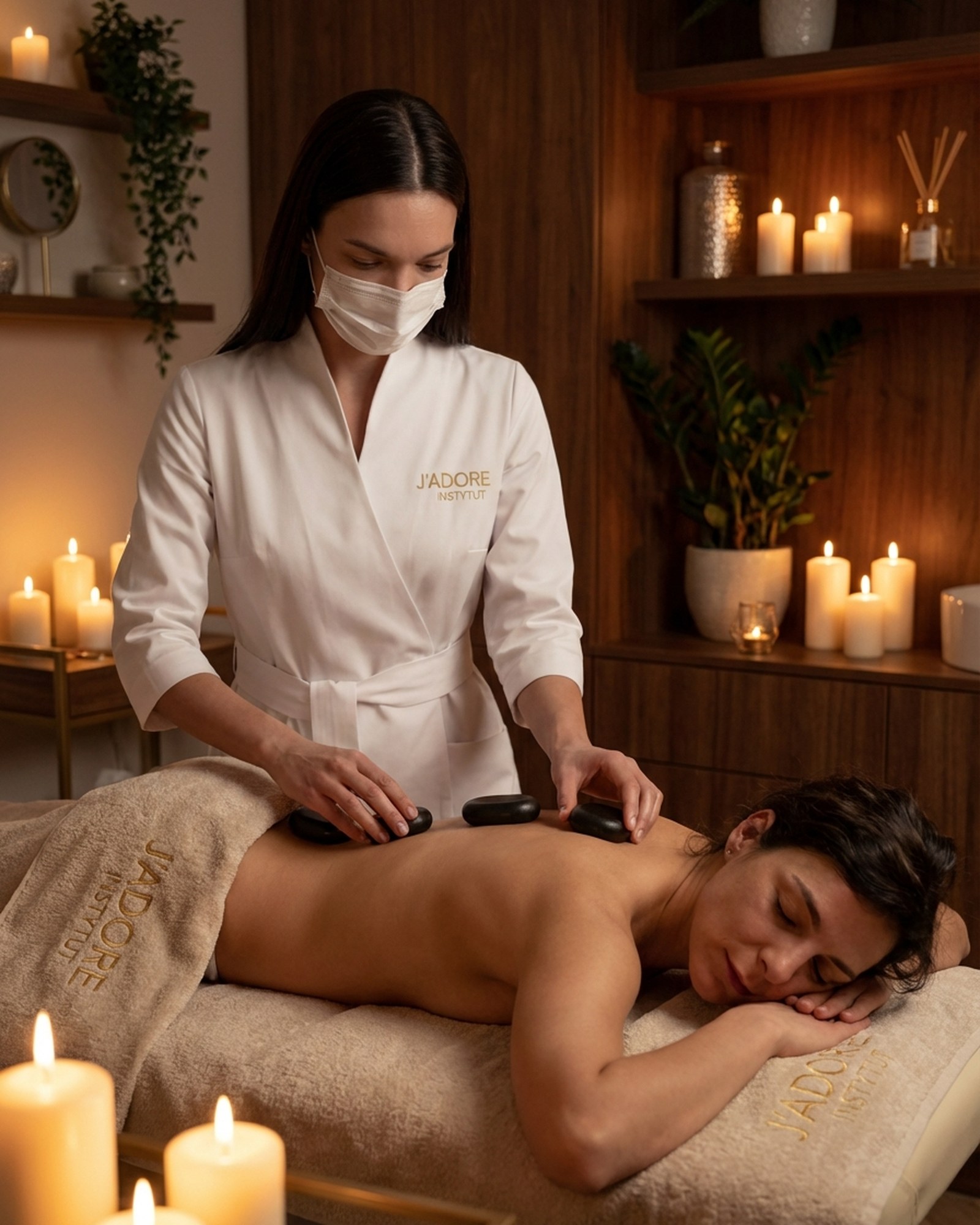
Who it is worth choosing for — and when to wait
Herbal compress massage is one of the more accessible treatments. There are not many absolute contraindications, but there are several situations when it is worth waiting or choosing another form of massage.
It may be an excellent choice when
Typical indications
- You feel tired or tense after an intensive week at work or physical activity
- You feel generally ‘stiff’ — your shoulders, neck and back are affected by sitting
- You want to experience a massage that also includes fragrance and thermotherapy, not touch alone
- You are looking for a ritual that feels more like an ‘occasion’ than a standard massage session
- You enjoy warmth — baths, saunas, hot compresses — and your body responds well to thermotherapy
It is better to wait or consult when
Situations requiring caution
- Pregnancy, especially the first trimester and later stages — some essential oils are contraindicated
- Recent injuries, fractures or acute joint inflammation
- Advanced varicose veins or recent thrombosis — heat may increase congestion
- Active skin conditions, such as eczema or psoriasis with open lesions
- High fever or infection — heat does not help, and increased congestion may worsen the condition
- Uncontrolled hypertension — intensive thermotherapy requires consultation
How to choose and what to consider when booking
One final, practical step. If you want to book a herbal compress massage, a few details will make your choice easier and help tailor the treatment more closely to you.
- Ask about the ingredients — a good salon will readily tell you what is inside the bundle. If they do not know, that is a sign.
- Define your goal — relaxation, muscles after sport, everyday stress, sleep difficulties? This affects the choice of compress.
- Mention allergies — before booking, not when you arrive. Herbs are not synthetic cosmetics — allergens are real.
- Plan time after the treatment — herbal compress massage leaves your body warm and relaxed. Do not go straight into an intensive meeting or out into freezing weather without an extra layer.
- Drink water — before and after the treatment. Heat and work on the muscles increase your need for hydration.
- The first criterion is temperature — during the treatment, the compress should feel pleasantly warm, not scalding. Say so immediately if it does not.
Herbal compress massage + sauna or steam room
A combination of thermotherapy — a sauna before the massage deeply relaxes the muscles and opens the pores. The compress can then work more intensively. A good sequence for people who love warmth and want to fully release tension.
Herbal compress massage + hot stone massage
Two complementary forms of thermotherapy: stones, made from volcanic basalt, work locally and more deeply. Compresses work more broadly and through aromatherapy. They can be combined in one session — ask about this option.
Herbal compress massage + body peel
A peel before the compresses removes dead epidermal cells and supports the absorption of active substances from the herbs. It is a popular sequence in SPA rituals — leaving the skin exceptionally soft and receptive.
Herbal compress massage + facial massage
When tension also affects your jaw, forehead and neck, combining a herbal compress body massage with a short facial massage may bring a sense of complete relaxation, from the neck to the temples.