Three methods, three different mechanisms
Here's the simplest breakdown: Olaplex rebonds damaged bonds inside the hair. Hair botox fills and smooths the surface. Molecular reconstruction rebuilds the hair from the core through the cortex to the cuticle. Each method works at a different level. That's exactly why they answer different needs — and rarely replace one another.
Olaplex
Rebonds damaged disulphide bonds
- Hair after colouring, bleaching, keratin treatments
- Prevents further bond breakage during chemical processes
- Can be used together with hair dye — "from within the treatment itself"
- Improves elasticity and reduces breakage for many people
Hair botox
Fills, smooths and hydrates from the outside
- Dry, rough, static-prone hair
- Raised cuticle after chemical treatments or heat styling
- Hair lacking hydration and shine
- Results are often visible from the first session
Molecular reconstruction
Rebuilds hair structure from the inside out
- Highly porous, resistant or curly hair lacking protein
- Strands after repeated bleaching or relaxing
- Loss of elasticity — "straw-like", brittle hair
- Results build over time and strengthen with each session
How to identify what your hair actually needs
Before your hairdresser suggests a specific solution, it's worth examining your hair with a few simple tests. No laboratory required — good observation is enough:
- Elasticity test: Wet a single strand and gently stretch it. If it snaps immediately without stretching → the hair has a protein deficit and damaged bonds → direction: Olaplex or molecular reconstruction.
- Roughness test: Run your finger along a strand from the tip towards the scalp. If you feel noticeable roughness and "hooking" → the cuticle is raised and lacks hydration → direction: hair botox.
- Shine test: Look at your strands in daylight. If they're dull, rough and lacklustre but still elastic → this is often a hydration and smoothing deficit → direction: hair botox. If they're dull AND brittle, with no elasticity → protein reconstruction → direction: molecular reconstruction.
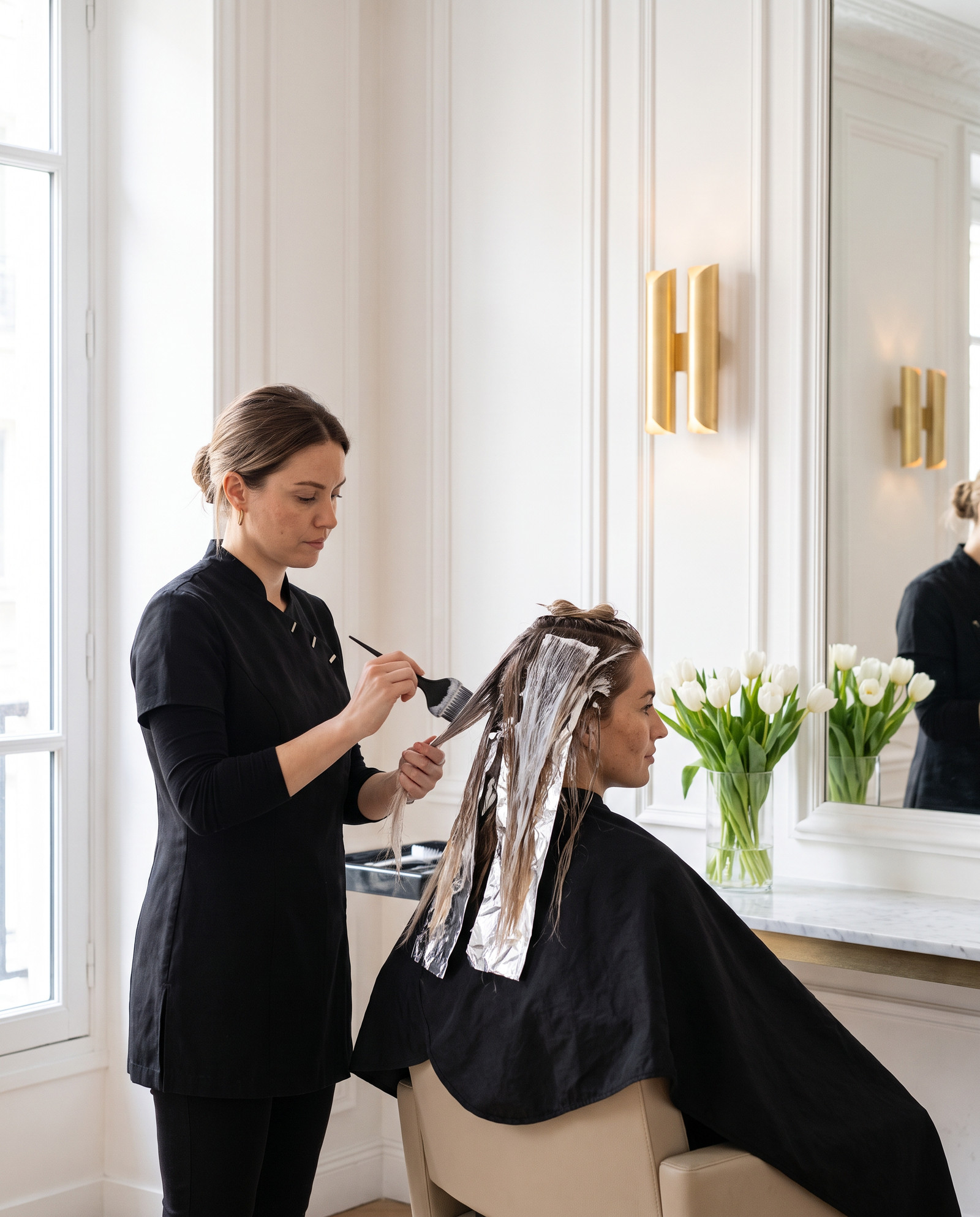
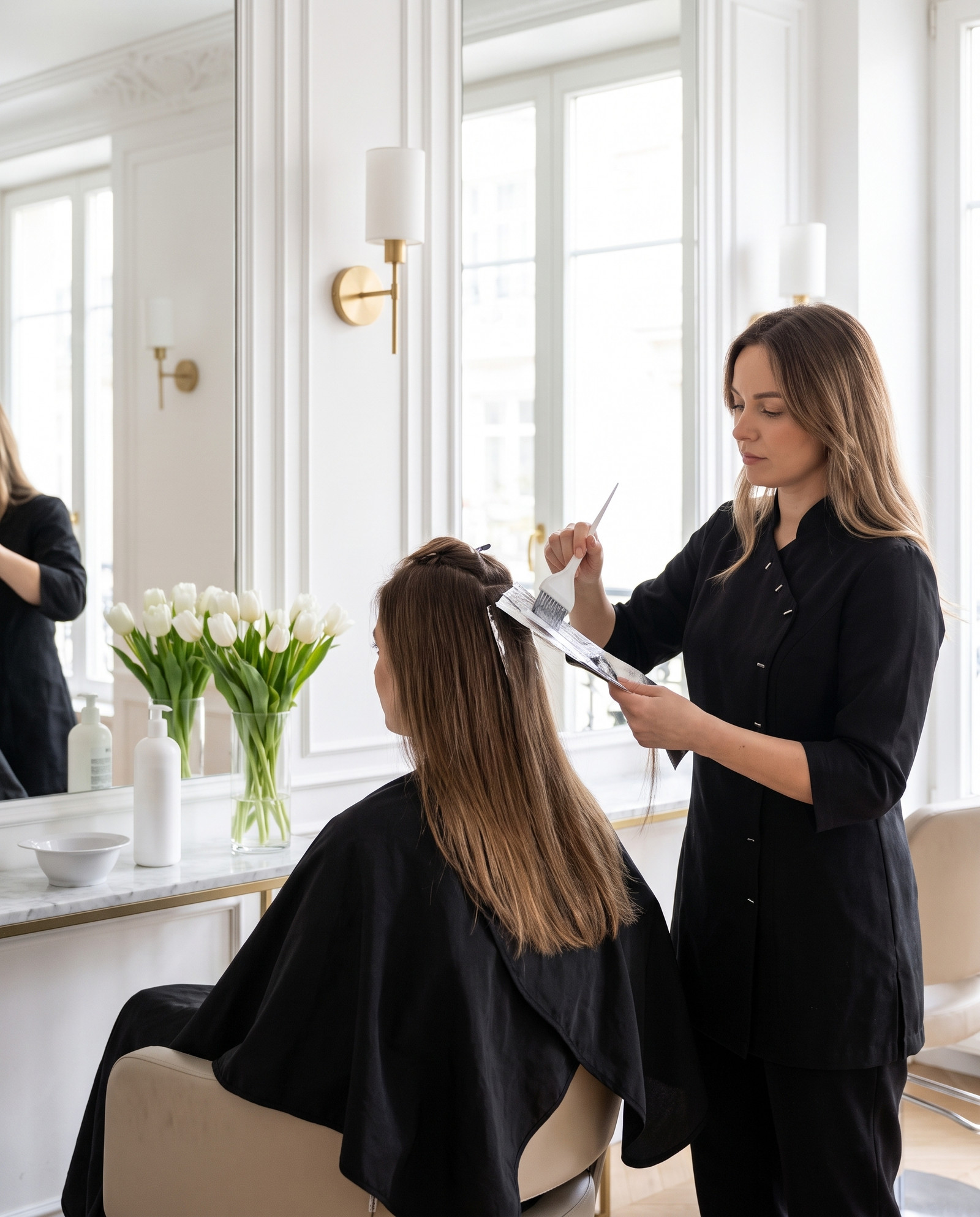
- Are you planning a chemical treatment (colouring, bleaching, keratin)? If so, Olaplex can protect the hair during the process — it's not just care, it's an active shield.
Different causes, the same look
Dull, dry, "lifeless" hair can look identical — yet have a completely different cause. That's exactly what makes "what should I choose" hard to answer without a structural assessment:
- 01
Appearance: dull, no elasticity, brittle
Likely cause: damage to the protein structure. Often after repeated bleaching or relaxing. Direction: molecular reconstruction — rebuilds the core and cortex of the hair.
- 02
Appearance: rough, static-prone, no shine
Likely cause: raised cuticle, loss of hydration and lipids. Often after heat styling and hard water washing. Direction: hair botox — fills and seals the cuticle.
- 03
Appearance: brittle during and after colouring
Likely cause: disulphide bonds damaged by chemical processes. Direction: Olaplex — rebonds bonds during or after a colouring treatment.
- 04
Appearance: mixed — strands with different histories
A very common situation: ends damaged by years of chemical treatments, healthier regrowth. Direction: hairdresser's diagnosis + a plan combining methods over time.
When it's worth combining them
None of these methods is the one right answer — and the best results often come from thoughtfully combining them within a treatment plan. Your hairdresser decides on the order and the intervals:
Olaplex + colouring or bleaching
Olaplex added to the dye, or applied as a treatment after bleaching, protects the bonds that chemical processes damage. Many salons offer this as standard with every colouring service — it's worth asking.
Olaplex + hair botox
Olaplex rebonds bonds inside the hair, botox fills and smooths the cuticle from outside. They complement each other: one works deeper, the other gives an immediate visual and tactile effect.
Molecular reconstruction + botox
Reconstruction rebuilds the protein structure, botox seals the cuticle and adds shine. Often used across different sessions — reconstruction first, then locking in the effect.
Full care cycle: all three
For severely damaged strands (years of bleaching, repeated chemical treatments), hairdressers often plan several sessions spread over time — reconstruction, Olaplex at the next colouring session, botox as a final "polish". It's a plan, not a single treatment.
A good hairdresser doesn't ask "which single treatment?" — they ask "what's happening with your hair, and how do we fix it step by step". If your first visit includes specific questions about your hair's history, that's a good sign. If you're straight at the basin without a conversation first, it's worth asking about the diagnosis.
How to maintain results between visits
Even the best in-salon treatment loses effectiveness if home care doesn't support it. A few rules that noticeably extend results for many people:
- After hair botox: avoid sulphates in your shampoo (SLS, SLES) — they wash out fillers and lipids faster. Sulphate-free shampoos can noticeably extend the effect.
- After molecular reconstruction: protein and hydration need to be balanced. Too much protein without hydration can leave hair stiff and brittle — it's worth alternating protein masks with hydrating ones.
- After Olaplex: regular complementary home care (such as masks from the Olaplex range or other products that reduce bond loss) extends the effect for many people — especially with regular colouring.
- Heat styling: straighteners and curling irons work at temperatures that can reverse some of the treatment's effects. Heat-protecting products aren't optional — they're essential if you use these tools regularly.