First, establish which ProXN is in your plan
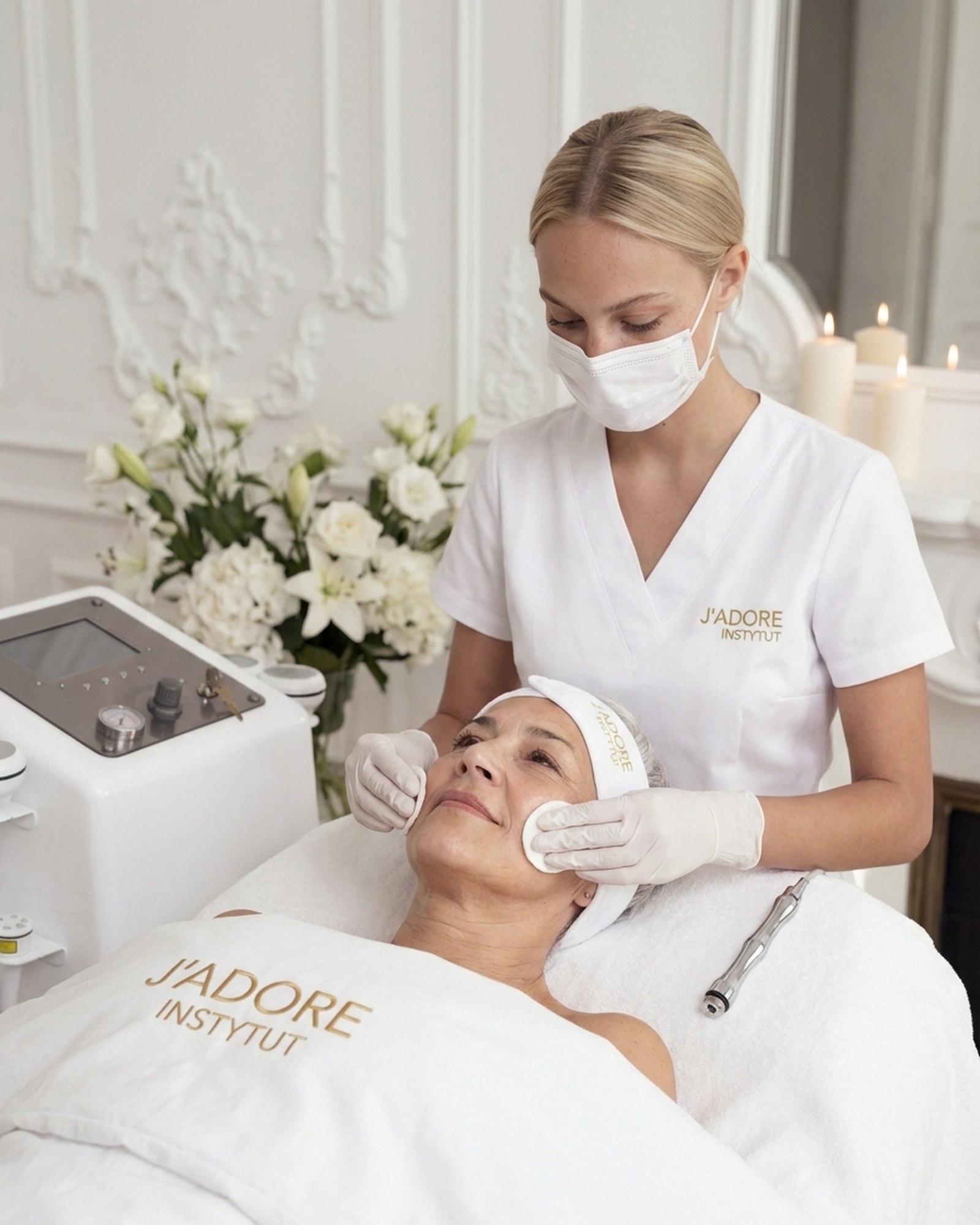
The first difference concerns the continuity of the epidermis. In a gentle protocol, the cosmetologist cleanses the skin, applies subsequent preparations, performs the planned manual work, and finishes the treatment with a mask and protection. There are no needles, so cosmetic sensations dominate: the coolness of damp compresses, the glide of hands, the scent of the preparation, momentary tingling, or warmth. A person who expected injections is usually surprised by the calmness of the visit.
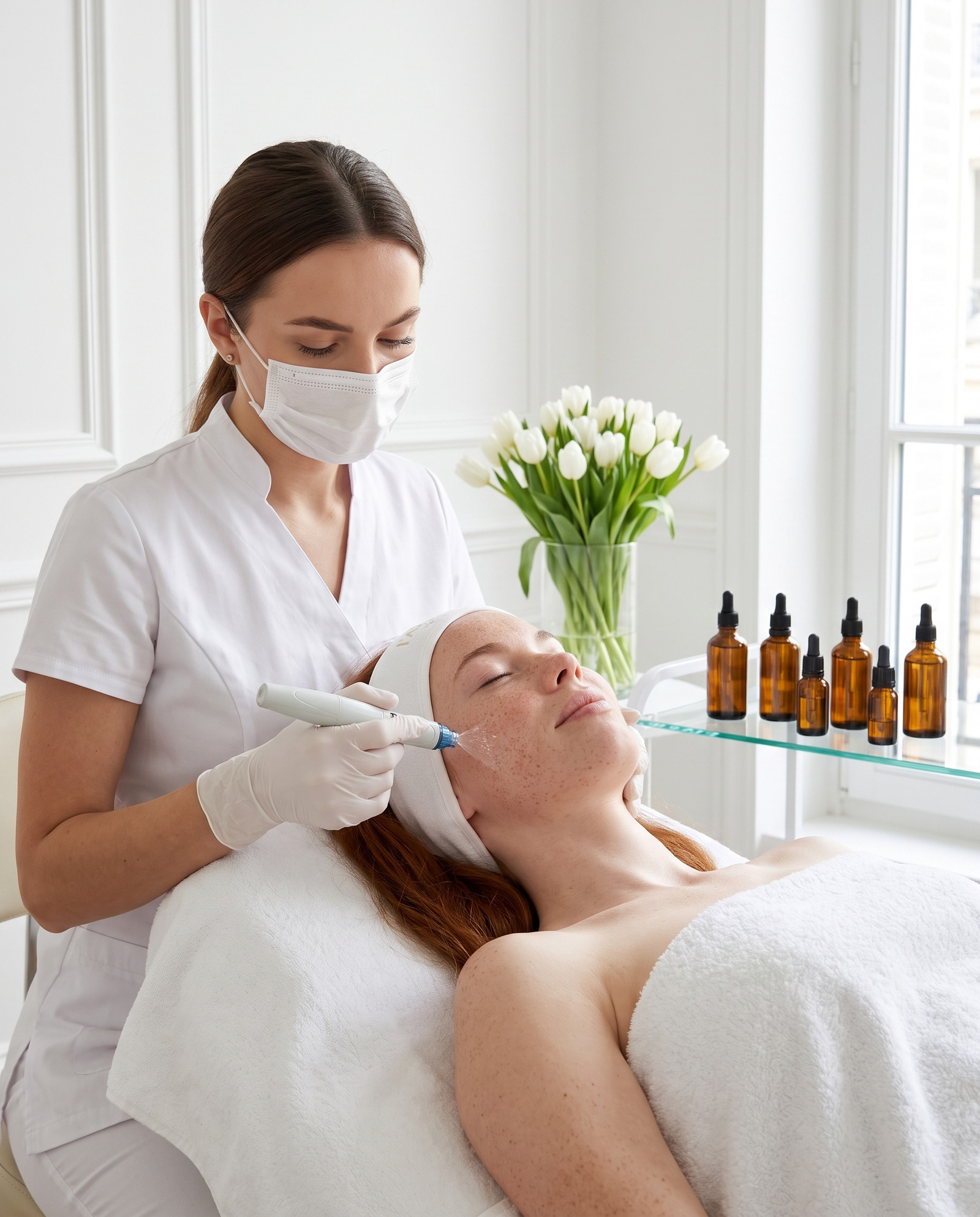
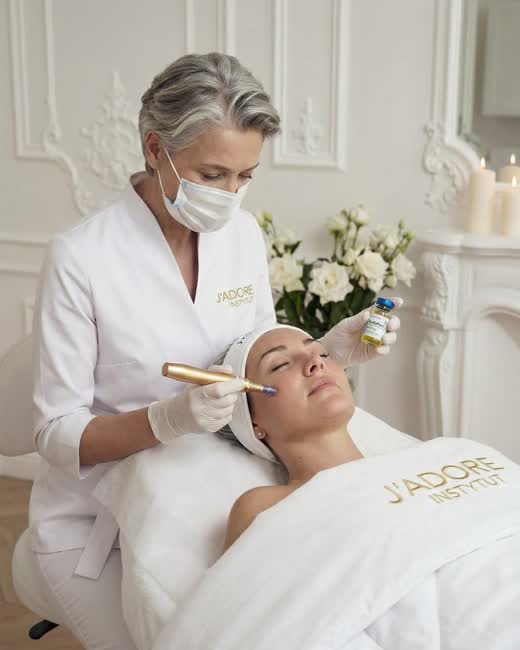
The more intensive variant may proceed differently if, after diagnosis, the specialist combines the therapy with microneedling. Then, regular, point-like stimuli are added to the contact of the preparation with the skin. You will feel the vibration of the device, scratching, or burning, and areas with thinner tissue — the forehead, temples, upper lip — usually draw more attention than the cheeks. This does not mean the device should be guided identically everywhere. The parameters, number of passes, and scope of the work result from the condition of your skin.
What you feel from makeup removal to the concentrate
After applying active preparations, the skin may tingle slightly. However, xanthohumol and the formulation environment are not intended to achieve an effect through aggressive "burning". Increasing burning, sharp itching, or pain in one spot require stopping the work and assessing the skin. The cosmetologist may remove the product, shorten the contact, skip the next phase, or change the plan. Such a correction is a sign of vigilance, not a failure of the treatment.
The wings of the nose, the area around the mouth, and recently shaved areas need special attention. Invisible micro-injuries can only manifest after contact with the preparation. Before your visit to a ProXN salon in Krakow, also mention cold sores, recent dental work around the mouth, any new cosmetics, and dermatological treatment. These small details change the interpretation of burning.
Microneedling changes the scale and type of discomfort
With microneedling, the sensation is not uniform. On the fuller part of the cheek, it often resembles quick, rhythmic scratching. On the forehead, the head works closer to the bone, so the sound and vibration may be more bothersome than the contact itself. In the jaw area, muscle tension can amplify the impression. The cosmetologist should warn you about moving to a more delicate zone, observe your reaction, and ask about changes in sensation instead of waiting for a request to pause.
Depth is not a competition. A stronger setting does not guarantee a better skin response, and visible blood is not a certificate of effectiveness. The goal is a controlled stimulus matched to the area and indication. Overly intensive work can prolong redness, increase swelling, and make aftercare difficult without adding quality to the result.
If local anaesthesia is planned, you must discuss allergies, previous reactions, and medical conditions. Anaesthetic cream reduces surface sensation but does not turn off pressure, vibration, or awareness of the device's work. It should also not be used to hide parameters that the skin does not need. Comfort helps to carry out the proper protocol; it is not meant to enable excessive intensity.
The mask may cool, but it should not mask a problem
- A feeling of relief. After the active phase, many people feel relief when a mask is applied to the face. Coolness, the weight of the damp material, and the gradual fading of heat are typical for this stage.
- Surface protocol. With this method of work, the mask application stage can be quite relaxing for the patient.
- Microneedling. After microneedling, the first minute may sting because the preparation comes into contact with the temporarily increased permeability of the epidermis.
However, the cosmetologist should not cover the skin with a mask without first looking at its reaction. Even redness is something different from a white dot, a blister, rapid swelling, or a clearly defined patch. The final preparation does not automatically "fix" every unwanted response. First an assessment, then a decision on finishing.
Sensations immediately after depend on the barrier breach
- Gentle version. The face may be warm, slightly pink, and feel tighter from the layers of preparation. It should not, however, pulse or hurt during facial expressions.
- More intensive variant. More pronounced redness, tenderness to the touch, and a sensation similar to sunburn are possible.
- Salon arrangements. The difference between variants should be described before you leave: how to wash the skin, when to apply recommended products, what not to add, and which symptom requires contact with the salon.
The most common home mistake occurs in the evening. The skin seems sticky or rough, so the person washes it twice, uses a brush, and applies an acid to "clean the pores". After a protocol with microneedling, this is a simple way to increase burning. First and foremost, clean hands, gentle washing in accordance with recommendations, calm barrier care, and sun protection are what count.
Why the first treatment is sometimes felt differently than the next
It can be the other way around. If a retinoid, topical antibiotic, tanning, infection, or treatment in another salon appeared between visits, the skin may react more strongly than before. That is why the interview is updated every time. The phrase "it was fine last time" does not replace information about what happened since the last visit.
The stage of therapy also matters. The plan may start with calming the skin and only later include more intensive stimulation. Sensations increase then because of a conscious change in the protocol, not because of a drop in the quality of work. The specialist should name this change before starting.
How preparation changes sensations on the chair
- Peels and retinoids. The day of the treatment is not a good time for testing skin resistance. A strong peel performed in the evening or a retinoid used despite burning makes a neutral preparation sting, which results from barrier overload, not from its activity.
- Shaving. The blade leaves micro-injuries that can cause point-like burning on the chin and neck. Set the shaving date with the salon, remembering that sometimes the cosmetologist prefers to see the natural picture of irritation instead of working on perfectly smooth skin.
- Honest information. Provide the cosmetologist with a true list of activities performed before the visit, even if it means changing the treatment plan.
Lack of sleep and haste do not create a contraindication, but they change the perception of stimuli. A person who ran in from the street, clenches their shoulders, and holds their breath may perceive the pressure and sound of the device more strongly. Arrive early enough to calmly discuss the form. Eat a normal meal, hydrate, and do not try to drown out anxiety with alcohol. If you have a tendency to faint with needles, mention it before lying down on the chair — even if the needling is to be shallow.
The threshold of sensation is also changed by places we usually do not associate with care. Fresh waxing near the brows, threading, a scratched pimple, or chafing from glasses frames can react to disinfection and an active preparation. The cosmetologist should see them before covering the face with another layer. Sometimes it is enough to avoid a small area; sometimes it is more reasonable to postpone the whole thing. Covering a change with makeup does not make it disappear from the qualification.
If you know that it is difficult for you to distinguish pressure from pain, ask for a short test on a small fragment. You will learn the sound, rhythm, and type of contact before the device moves to a larger area. Such a test is not for choosing settings yourself. It allows you to build a language together with which you will describe the reaction. The specialist still assesses the tissue, and your report complements the observation of colour, tension, and swelling.
A separate conversation is due for skin after anti-acne treatment. Even when breakouts look calmer, the epidermis may remain dry and reactive. Stinging does not have to mean an allergy then, but it must not be assumed to be normal in advance. The name of the drug, the dose, and the moment of finishing the treatment go into the interview; a photo from the internet does not decide on consent to the procedure.
After the treatment, record not only the intensity but also the character of the sensations. Even warmth, short tingling, and tenderness when washing give different information than point-like pain, itchy bumps, or burning returning after every cosmetic. At the next visit, such a description helps to recreate the course without guessing. The word "it hurt" is important, but only the details show which stage requires modification.
Do not compare the pain scale with a person who had a different level, a different zone, or additional needling. Even two visits of the same person can differ after a change in care or sensitivity. A useful comparison is not "my friend endured it", but "today in the same zone I feel differently than before". Then the cosmetologist can check the parameters, the condition of the epidermis, and the product used at a specific stage.
After leaving, do not anaesthetise the skin with ice applied directly or an accidental preparation from the medicine cabinet. If you need cooling, use the method recommended by the salon and a clean material. Strong cold can temporarily hide an increasing reaction, and an irritating ointment can add a contact problem. First follow the recommendations, observe the direction of changes, and contact the specialist when the picture deviates from the discussed course.
Comfort is a clinical parameter, not a courtesy
A good conversation about pain is concrete. The cosmetologist explains whether there will be needles, points out more sensitive zones, agrees on a way of signalling, and shows what reactions they are observing. The person on the chair does not have to prove their resistance. Information about burning helps to choose the pace, the contact of the preparation, and the scope of further work.
ProXN should not be judged according to the rule "the stronger, the more effective". In a graded system, the point is precisely in the matching. Vascular skin, reactive skin after shaving, and thicker skin with uneven texture do not automatically get the same procedure. The final plan depends on the diagnosis, not on the account of a stranger on social media.
Take one criterion from the visit: you can say what caused every sensation and why this stage was in your protocol. If everything boils down to an instruction to endure, the most important part of the therapy — control — was missing.