Skin after Ozempic — what happens and how to address it
Losing weight is one thing. Helping your skin keep pace with the change is another.
8 min readwritten for women
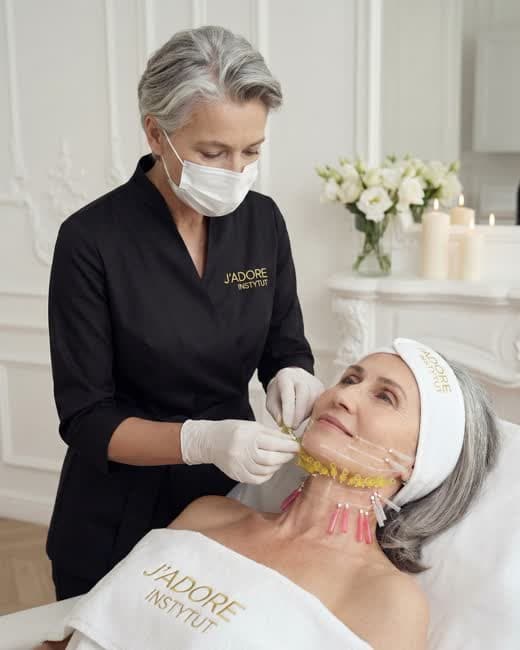
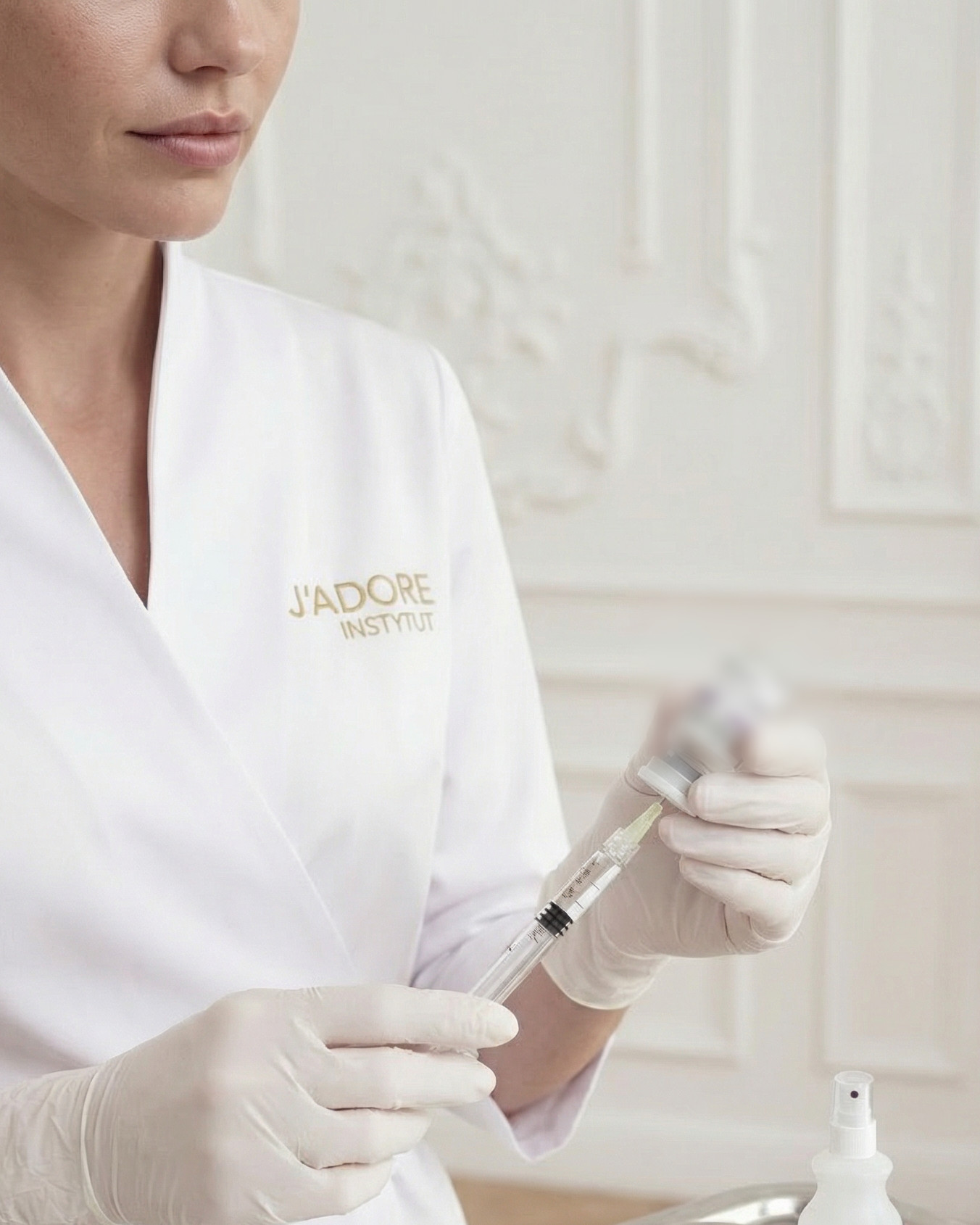
Illustrative photo. It shows an example of how the treatment is performed.
8 min read10 April 2026
You've lost 15 kilograms. You should be happy. You are — but the mirror shows something you weren't prepared for. Your face looks older than before you lost weight. The skin on your neck and arms hangs like an oversized dress. Welcome to the world of "Ozempic face" — a phenomenon millions of women whisper about, and one aesthetic medicine finally has answers for.
01
What Ozempic is — and why it changed the rules
Semaglutide — sold as Ozempic (injections) and Wegovy (a higher dose, designed for weight loss) — is a GLP-1 receptor agonist. It was originally developed to treat type 2 diabetes. Its ability to reduce body weight turned out to be so dramatic that it became one of the most widely prescribed drugs in the world.
We won't judge the decision to use semaglutide here — that's a matter between you and your doctor. What interests us, as skin specialists, are the specific changes that occur in facial and body tissue during rapid weight loss. These changes are real, well documented in the scientific literature and — most importantly — possible to address.
02
"Ozempic face" — what's really happening
The term "Ozempic face" gained traction when public figures started appearing with visibly changed faces — not just thinner, but "gaunt". Sunken cheeks, prominent cheekbones, deeper nasolabial folds, and an overall impression of "ageing 10 years in 6 months".
03
The anatomy of the problem — why the face "sags" after weight loss
The face isn't just bone and skin. Between them sit fat pads — precisely positioned compartments of fat tissue that give the face volume, a youthful look and definition.
Malar fat pad — sits over the cheekbones and creates full, "apple" cheeks
Buccal fat pad — in the cheeks, adds volume to the lower face
Periorbital fat — around the eyes, protects against a "hollow" look
Temporal fat pad — at the temples, keeps them from hollowing
With rapid weight loss, these fat pads shrink — often unevenly. The face loses volume, but the skin that stretched over it doesn't shrink at the same rate. The result: skin sags, cheeks drop, and folds deepen.
04
What happens to collagen and elastin
Rapid weight loss hits the skin twice over. First, there's volume loss, as described above. Second, the skin's supporting structure weakens.
When skin is stretched for a long period, collagen and elastin fibres sustain mechanical damage — like an elastic band stretched too long, they lose the ability to spring back. With rapid weight loss, these weakened fibres don't have time to rebuild. The skin shrinks more slowly than the fat tissue beneath it.
05
The rebuilding plan — from within
Before we get to treatments, let's start with the fundamentals. Without proper nourishment, no treatment gives optimal results.
06
The rebuilding plan — treatments
This is where aesthetic medicine really has a lot to offer. The key approaches:
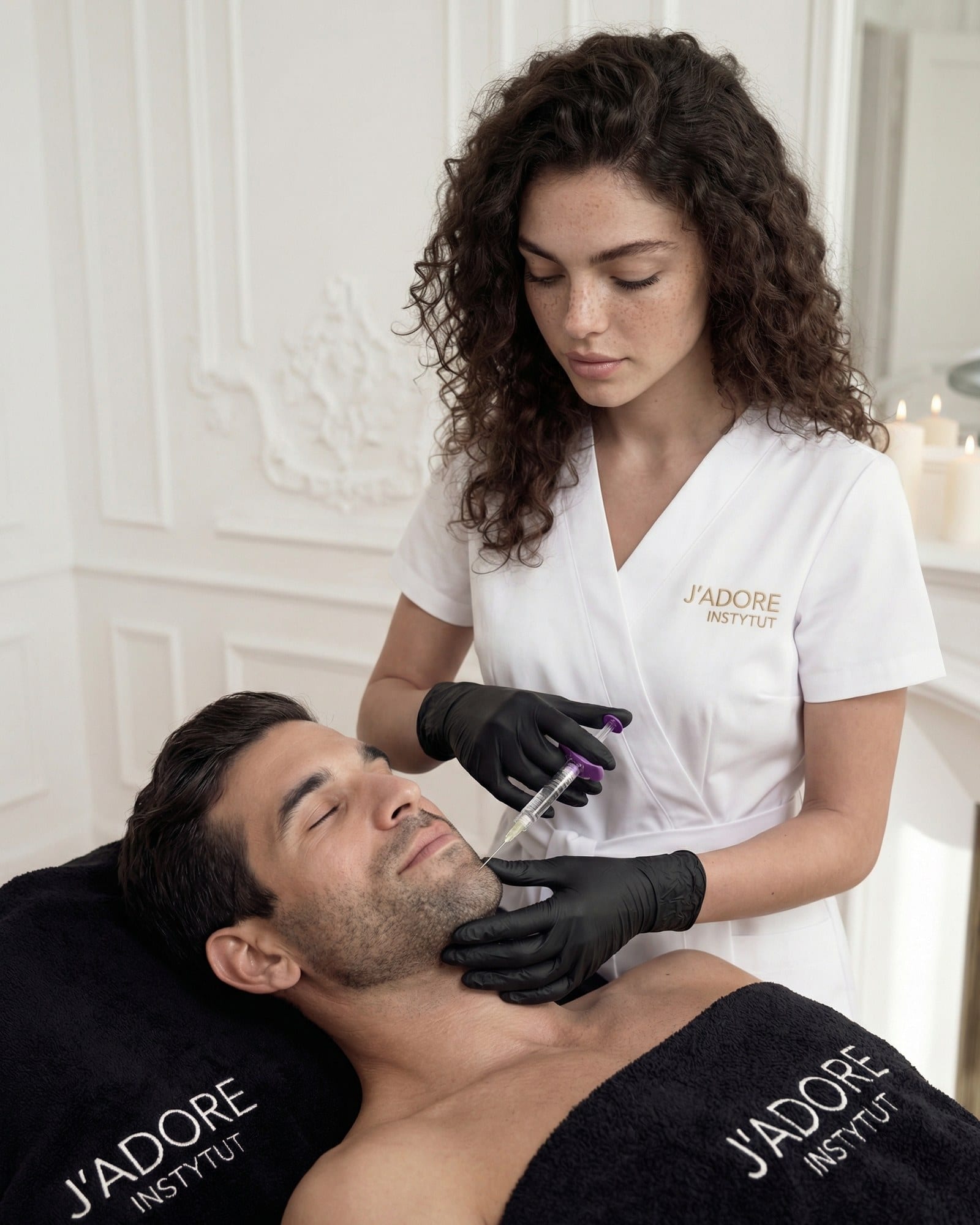
Illustrative photo. It shows an example of how the treatment is performed.
07
The controversy around Ozempic — a non-judgemental perspective
The debate around semaglutide is heated and multi-layered.
Using a diabetes medication for aesthetic purposes
A possible yo-yo effect after stopping — studies suggest some of the lost weight returns
Muscle mass loss and potential metabolic consequences
Reduced availability for diabetics due to "cosmetic" demand
Unknown long-term effects at scale
It's not our role to judge your decision to use — or not use — semaglutide. Our role is to help you look after your skin, whatever path led to the weight loss. Skin changes after rapid weight loss affect anyone who has lost a significant amount quickly — with or without GLP-1 medications.
08
When should you start?
Ideally, as early as possible. Don't wait until you've lost 20 kilograms and then try to "fix" your skin. Start supporting your skin alongside the weight loss itself.
From the very start: a high-protein diet, vitamin C, zinc and omega-3 supplementation
After losing the first few kilograms: a consultation at an aesthetic medicine salon — a skin assessment and a preventive plan
During weight loss: the first stimulating treatments (skin biostimulator, mesotherapy) — staying ahead of the changes
Once your weight has stabilised: intensive rebuilding (Sculptra, RF, a series of combined treatments)
09
At J'ADORE, we know how to fix this
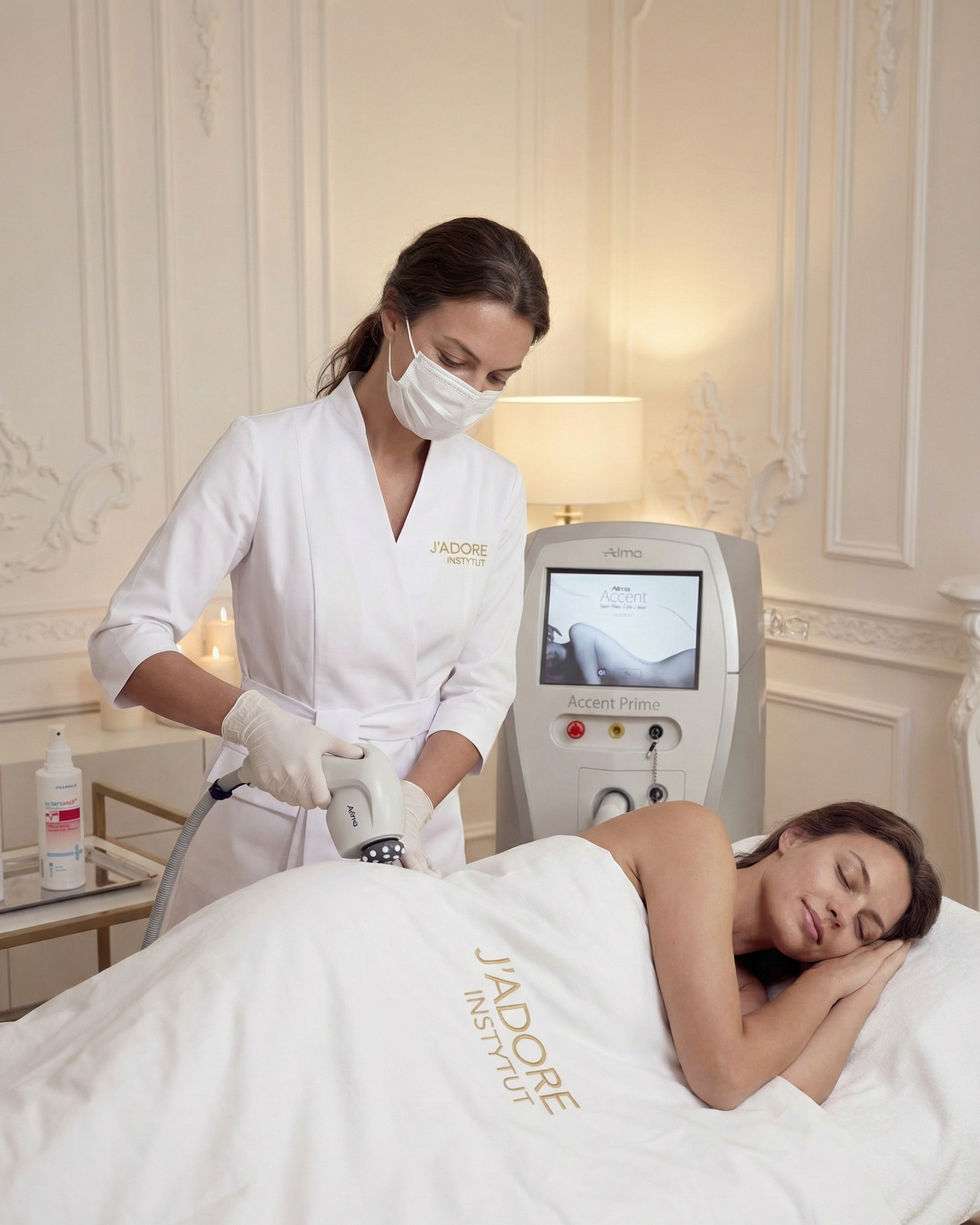
At J'ADORE INSTYTUT, we're seeing more and more clients dealing with the skin consequences of rapid weight loss. We offer a comprehensive approach: Sculptra to rebuild facial volume, skin biostimulator for deep hydration and bioremodelling, and RF Accent to improve body firmness — all tailored to your needs and where you are in your journey.
During your consultation, we assess your skin condition, your weight-loss history and your expectations. Then we build a plan together — one that makes sense both medically and aesthetically.