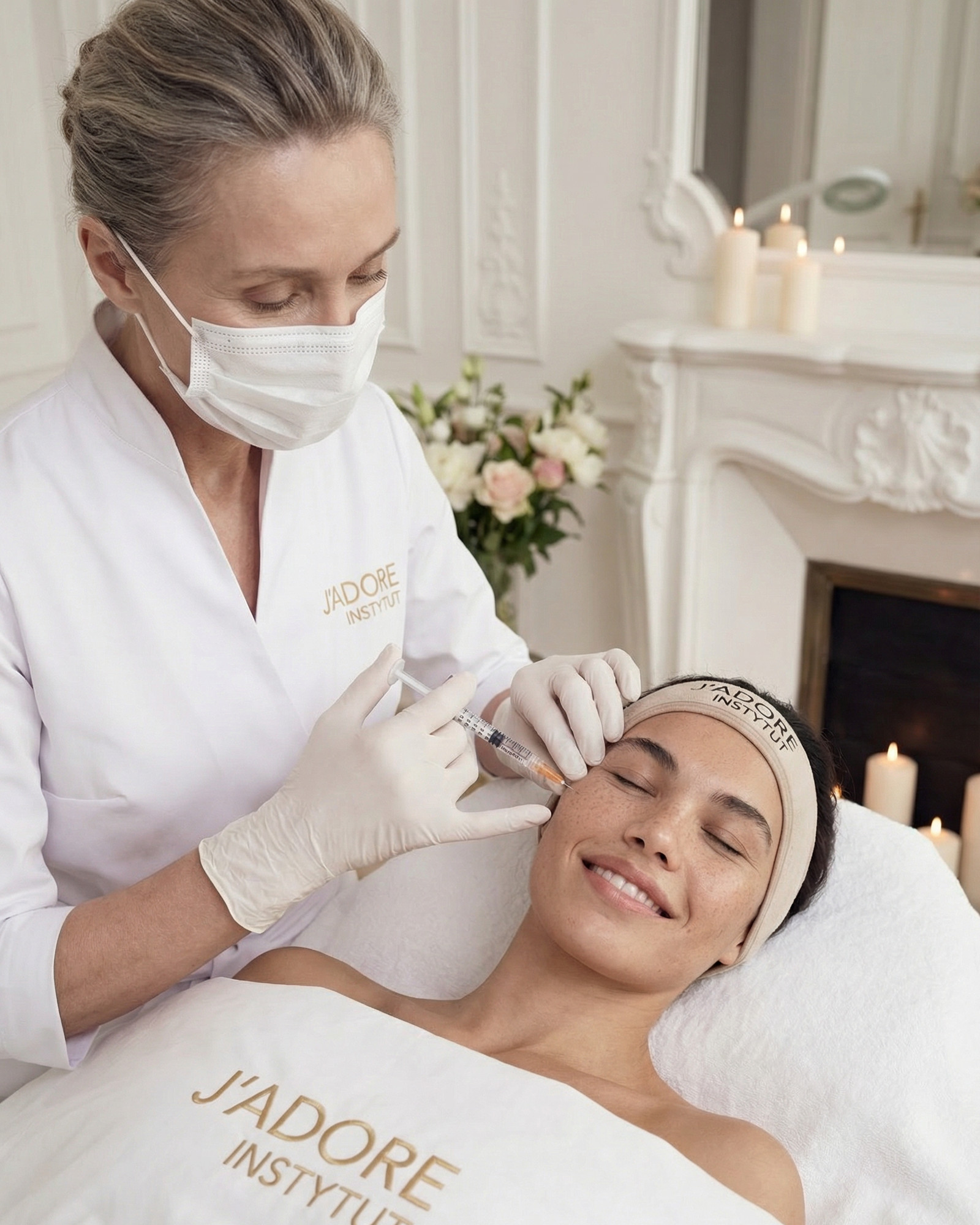

Is your 30s really "the moment"
First, let's take the pressure off, because pressure is what leads to rushed decisions. Nothing sudden or dramatic happens after 30 — your skin simply slows down its own repair process. Collagen and elastin production, the scaffolding that keeps your face "in shape", gradually declines. Skin hydrates more slowly, recovers more slowly after a poor night's sleep, and the first expression lines start lingering instead of disappearing along with your smile.
Important: this is a slow process, and your ally is an early, sensible response — not panic. Your 30s are a great time to start, but start gently and strategically, not with the strongest treatment you find advertised online. Good aesthetic medicine at this age isn't about "fixing a disaster". It's about prevention and deep skin care — preserving the capital you still have.
None of these signs is a reason to panic or to plan a "major overhaul" of your face. They're simply invitations to start being more mindful — and that's exactly why the first step is never a treatment. The first step is a conversation with someone who looks at your skin without a sales agenda in the background.
Where the panic comes from — and two thinking traps
Before we build a plan, it's worth understanding why so many people start from the wrong end. Usually one of two mindsets is at play — and both lead to disappointment, though for opposite reasons.
The "go all in" trap
I want a dramatic result
- Starting with fillers and heavy volumising treatments
- The goal: "make it obvious", ideally from the first visit
- Skipping skincare and skin quality altogether
The "it's not time yet" trap
I'm scared, so I do nothing
- Postponing everything "until it's really necessary"
- Fear of looking "unnatural" turned into inaction
- Waiting until small changes become harder to manage
The healthy approach
A plan, not an impulse
- Starting with a consultation and skin assessment
- Quality and hydration first, more only if needed
- Small steps, assessed over time — not everything at once
The difference is practical, not philosophical. Someone who goes "all in" from the start often feels, a few months later, that "something's off" with their face — without being able to say what. Someone who waits for years misses the easiest stage, the one where a little support goes the furthest. The middle ground is a plan with the right order — and that's exactly what we'll cover next.
Where to start — step by step
This is the heart of the whole article. Remember one rule, and most mistakes take care of themselves: skin quality first, volume and wrinkles later. Well cared-for, hydrated, firm skin is the best canvas for anything that comes after — and very often means you need fewer "stronger" treatments than you first thought.
- 01
Step 1 — Consultation, not treatment
Start with a conversation with an aesthetic medicine doctor. A good specialist asks and examines before proposing anything — and sometimes says "good home care is enough for now". That's not a wasted visit; it's the foundation. You leave with a map for your own skin, not a random treatment picked up from an advert.
- 02
Step 2 — Home care and protection
Before you inject anything, set your baseline: regular SPF, sensible hydration, ingredients suited to your skin. It sounds less dramatic than a treatment, but this stage decides how long every later result will last. A clinic can't make up for a neglected daily routine.
- 03
Step 3 — Skin quality: hydration and biostimulation
The first in-clinic treatments are usually the ones that improve the skin's overall condition — deep hydration and stimulation from within. The goal isn't to change your features, just to give you fresher, firmer, better-hydrated skin. This is the natural, "invisible" starting point after 30.
- 04
Step 4 — Expression lines (if they bother you)
Once the foundation is in place, you can consider treating a specific expression line that bothers you. Aesthetic medicine follows a "less is more" philosophy — the goal is to soften, not erase, your expressions. Naturalness comes from restraint, not from quantity.
- 05
Step 5 — Volume and contouring — only with care, and later
Fillers and volume contouring are usually a later stage, not a starting point. They make sense when they're genuinely needed and handled carefully. After 30, they're rarely what your skin needs first — which is exactly why we don't start there, even though they look the most "impressive" online.
Notice the logic behind this order. Diagnosis comes before treatment, skin quality comes before volume, and prevention comes before correction. The strongest filler won't compensate for dehydrated, neglected skin — it will just stand out more. That's why we build from the foundations, not from the roof.
What NOT to do at the start
Rushing in and acting blindly can do just as much damage as waiting too long. Before you book your first visit, read this short list of "traps" — it will save you disappointment, and often money too.
In short: understand first, then act — and start with the least invasive option. Put your money and trust into a good diagnosis and a consistent plan, not into a random, trendy treatment that "gave someone else a wow effect". Aesthetic medicine rewards patience, not haste.
When it actually makes sense to book your first visit
There's no single "right" date, and no one should rush you into one. But there are situations where a first consultation is simply worthwhile — even if just to hear "good care is enough for now". Treat this as a simple checklist.
- The first expression lines are starting to stay longer, and it's beginning to bother you.
- Your skin is noticeably less radiant, more dehydrated and tired, despite good home care.
- You want to look after your skin preventively and sensibly — before bigger changes appear, not after.
- You're overwhelmed by names and offers online and need someone to organise a plan around your skin, not around a sale.
- You have a specific question or concern (for example broken capillaries, hyperpigmentation, reactive skin) and would rather ask a specialist than a forum.
Your first visit is, above all, a conversation and a skin assessment — not a commitment to any treatment. A good doctor will tell you honestly what makes sense now, what can wait, and what you simply don't need. You leave with a concrete plan for the months ahead, not with pressure to "do something today". And that's exactly the kind of start we mean: calm, informed, in the right order.