Where acne really starts — before we even talk about acids
To understand why a specific acid helps with acne, you first need to understand where acne actually begins. It starts deeper than what you can see. Spots, pustules and blackheads are the end results — but the causal chain starts in the hair follicle.
- A blocked follicle. Sebum builds up in the hair follicle — an oily secretion from the sebaceous gland. When production is excessive, or the follicle opening narrows due to overly shedding cells, sebum can't flow out freely. A plug forms — a microcomedone. This is ground zero for acne, before anything becomes visible.
- Bacteria trapped inside. A blocked follicle is an ideal anaerobic environment for Cutibacterium acnes (formerly Propionibacterium acnes) — a bacterium that naturally lives on the skin. Given excess sebum and no access to air, it multiplies rapidly and produces inflammatory substances.
- Inflammation. The immune system reacts to the bacteria and its metabolites. The blackhead becomes a papule, then a pustule, and in more severe cases a painful nodule or cyst. This is the stage we recognise as "acne".
- Hyperpigmentation and scarring after the episode. Inflammation in a follicle that has healed leaves a mark: PIH (post-inflammatory hyperpigmentation) or, with deeper damage, an atrophic scar. This is the third layer of the problem, and it needs to be addressed separately.
Salicylic acid — the only one that enters the follicle
Salicylic acid belongs to the BHA — beta-hydroxy acids group. This distinction isn't just taxonomic — it has a direct consequence for where the acid actually goes. Unlike AHAs, which are water-soluble, salicylic acid is lipophilic — it dissolves in fats. And that changes everything.
The sebum blocking the follicle is fat. Dried, oxidised keratin residue in a blackhead is also fat-soaked. An AHA faces this material like water facing oil — it doesn't penetrate. Salicylic acid does penetrate, because it "speaks the same language" as sebum. It moves through the oily plug, reaches inside the follicle, and only there does it start working: exfoliating the walls of the channel, loosening plugs, helping accumulated sebum drain away.
This is why salicylic acid has been the first choice for comedonal acne for decades — both open comedones (blackheads) and closed ones (firm white bumps under the skin). For inflammatory acne, it works indirectly — when follicles are clear, bacteria have less to feed on and less room to multiply.
Pyruvic acid — the most versatile
Pyruvic acid is an alpha-keto acid — a molecule related to AHAs, but with a keto group in its structure that gives it properties classic fruit acids don't have. It's one of the few acids that combines AHA and BHA characteristics in a single molecule: it acts on the skin's surface like an AHA, while also showing some lipophilicity — meaning it reaches deeper than, say, glycolic acid.
On acne-prone skin, this means pyruvic acid can address several problems at once: it exfoliates the surface, helps unblock follicles, and works as an antiseptic and sebum regulator. It's often described as an acid with a broad range of action on oily, acne-prone skin — not because it does a little of everything without real effect, but because its chemical structure genuinely allows it to work on multiple fronts at once.
Pyruvic acid
versatile — for oily, acne-prone skin with blackheads and enlarged pores
- Action on the surface and within the follicle
- Sebum reduction and exfoliation together
- Antiseptic action (Cutibacterium acnes)
- Can support work on post-acne hyperpigmentation
- Works well on combination and oily skin
Salicylic acid
targeted — for acne with a comedonal dominance and excess sebum
- Lipophilic — penetrates deep into plugs
- The number-one comedolytic — opens follicles
- Anti-inflammatory action
- Well tolerated by sensitive, acne-prone skin
- Safer during active inflammation
Pyruvic acid is also a carrier — its structure allows it to penetrate the stratum corneum more effectively than many other acids, meaning that, used in the right protocol, it can significantly speed up cell renewal. For many people, after a series of pyruvic acid treatments, the skin is not only clearer but also noticeably smoother and more even in tone — because the acid has reached both problems within the follicles and hyperpigmentation in the epidermis.
Mandelic acid — gentle, but precise
Mandelic acid belongs to the AHA group, but it's distinctive — it has the largest molecule of all the popular AHAs. This seemingly technical detail has direct consequences: a large molecule penetrates the skin slowly and evenly. That's why mandelic acid works more gently than, say, glycolic acid at a similar concentration — and it's one of the better-tolerated acids for reactive skin prone to redness, and even for skin with active inflammatory acne.
On acne-prone skin, mandelic acid works best when the skin is both sensitive and acne-prone — a combination that classic strong acids tend to aggravate rather than treat. It exfoliates the surface, supports the regulation of keratinisation (which reduces the risk of blocked follicles), and with regular use can limit the multiplication of Cutibacterium acnes. It has the added benefit of a brightening and antioxidant effect — it comes from almonds and contains a phenyl group that inhibits melanogenesis.
Three acids, three approaches — how it looks in practice
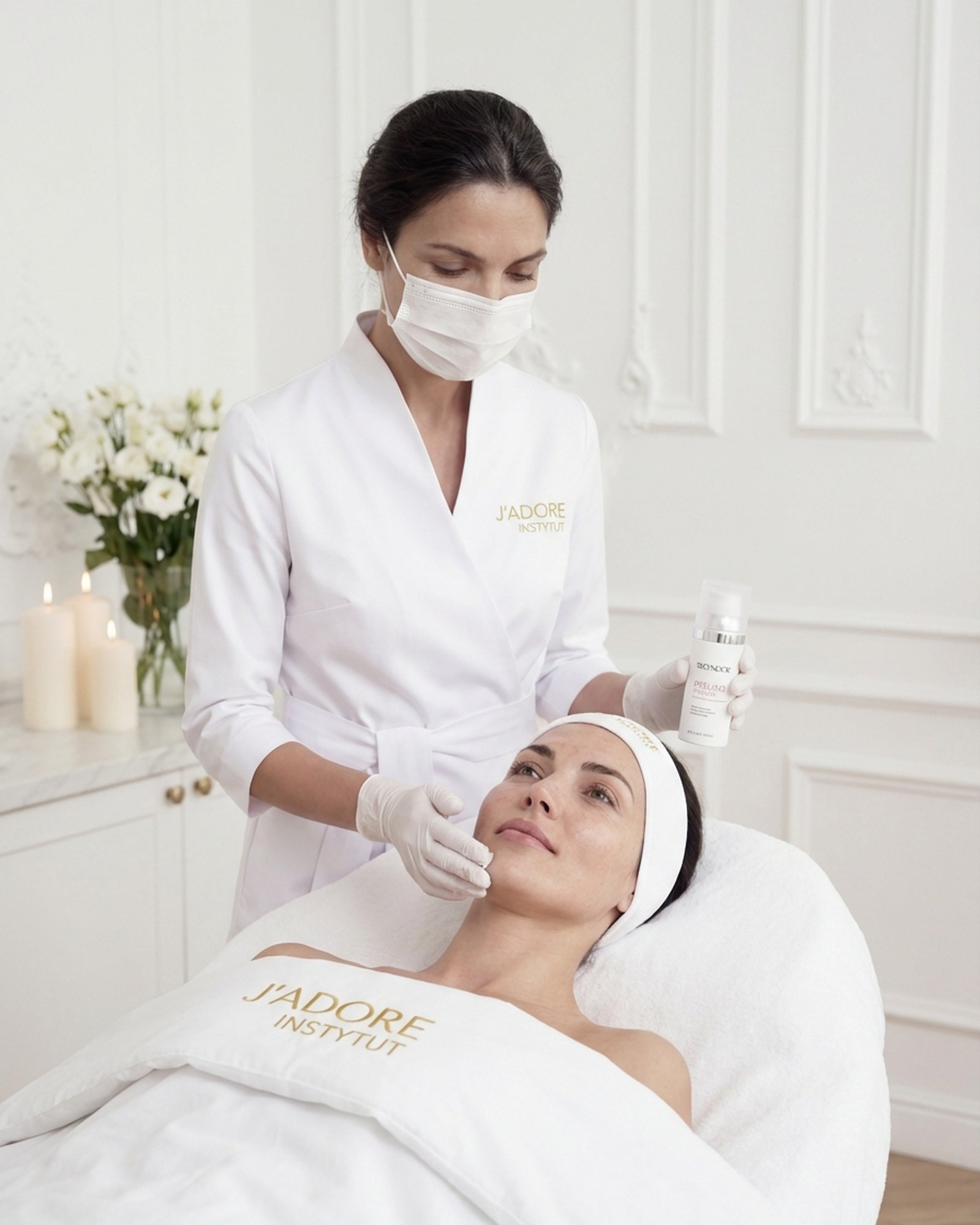
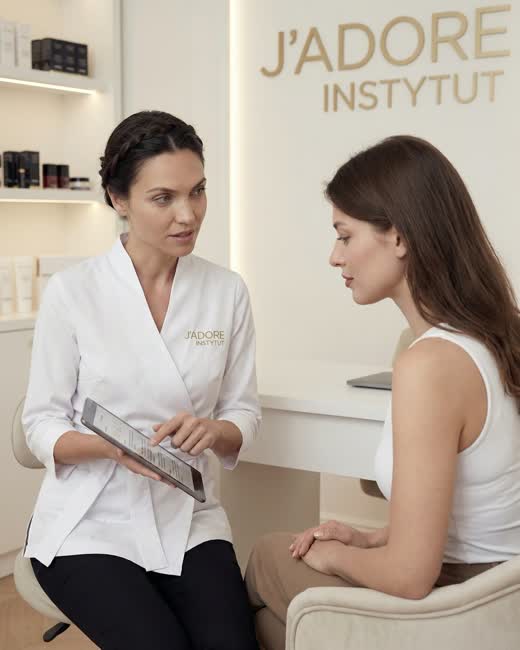
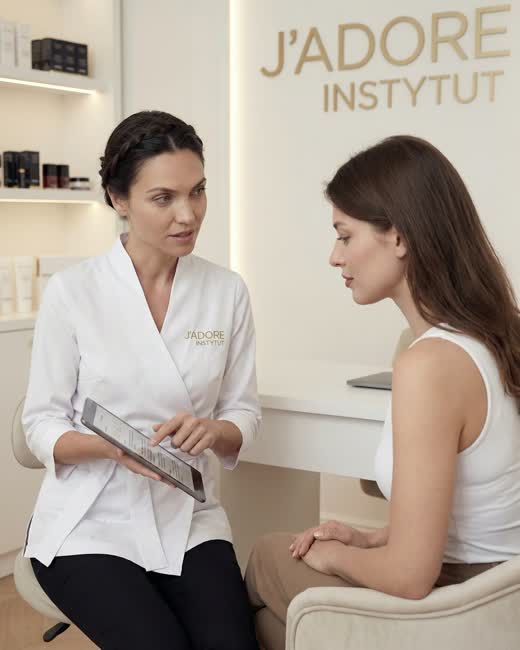
In the salon, you rarely face a choice of "one acid or nothing". A specialist assesses the skin: which type of acne dominates, whether there's active inflammation, what the skin barrier is like, and whether there are marks from past episodes. Only then is a protocol chosen — and it often combines acids rather than relying on one.
- 01
Skin assessment
The specialist determines: acne type (comedonal, inflammatory, mixed, hormonal), depth of the problem, skin barrier sensitivity, phototype, and the presence of hyperpigmentation from past episodes.
- 02
Choosing the acid and depth
Depending on the assessment: salicylic for comedonal dominance and active sebum; pyruvic when a broad range of action is needed (blackheads + texture + hyperpigmentation); mandelic when the skin is reactive or there's a risk of PIH. Often two acids are used in sequence or blended together.
- 03
Skin preparation
Before a series of peels, a specialist may recommend "acclimatising" the skin over a few weeks — gentle acids in your home care routine, so the skin barrier is ready for the salon's deeper action.
- 04
Series of treatments
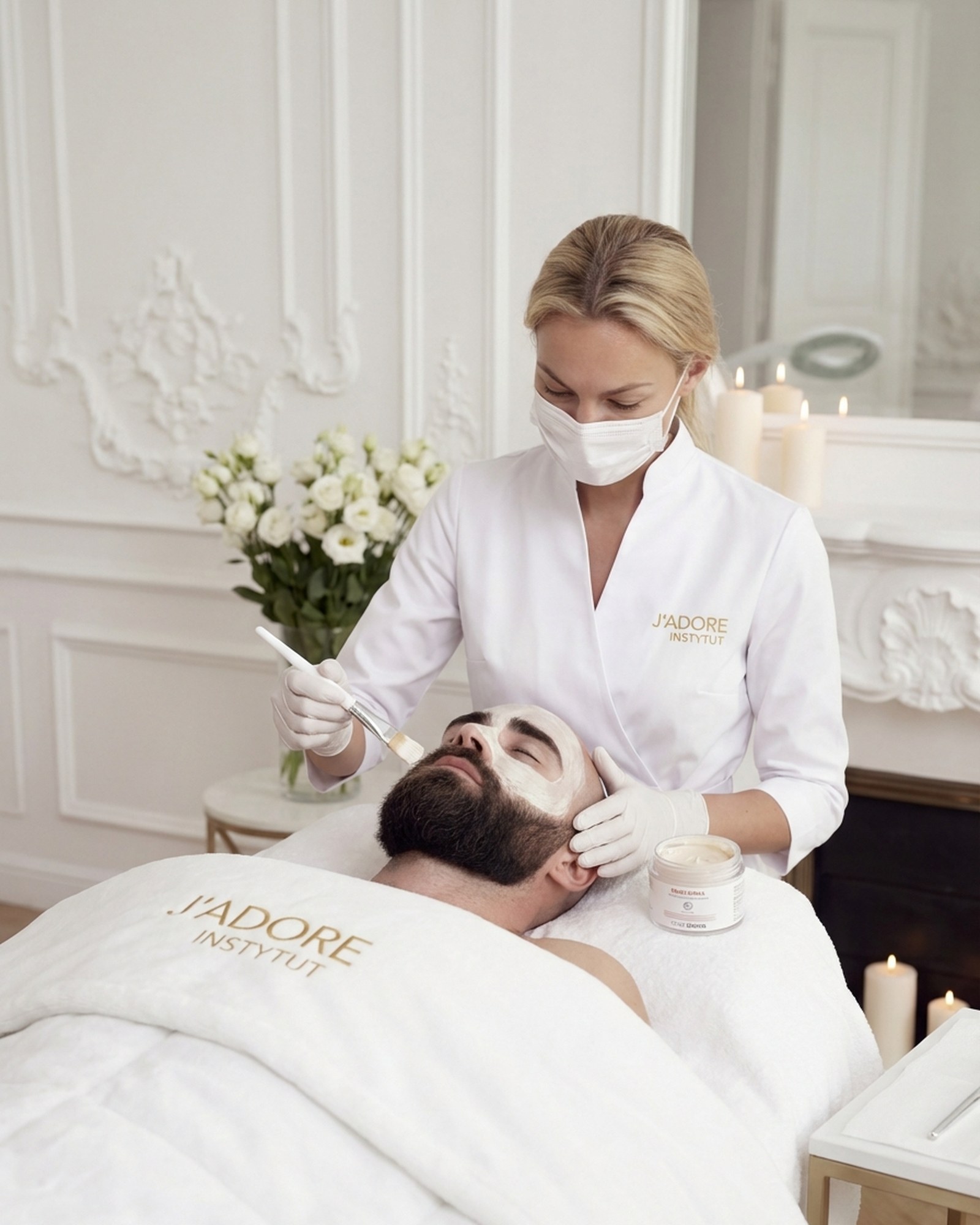
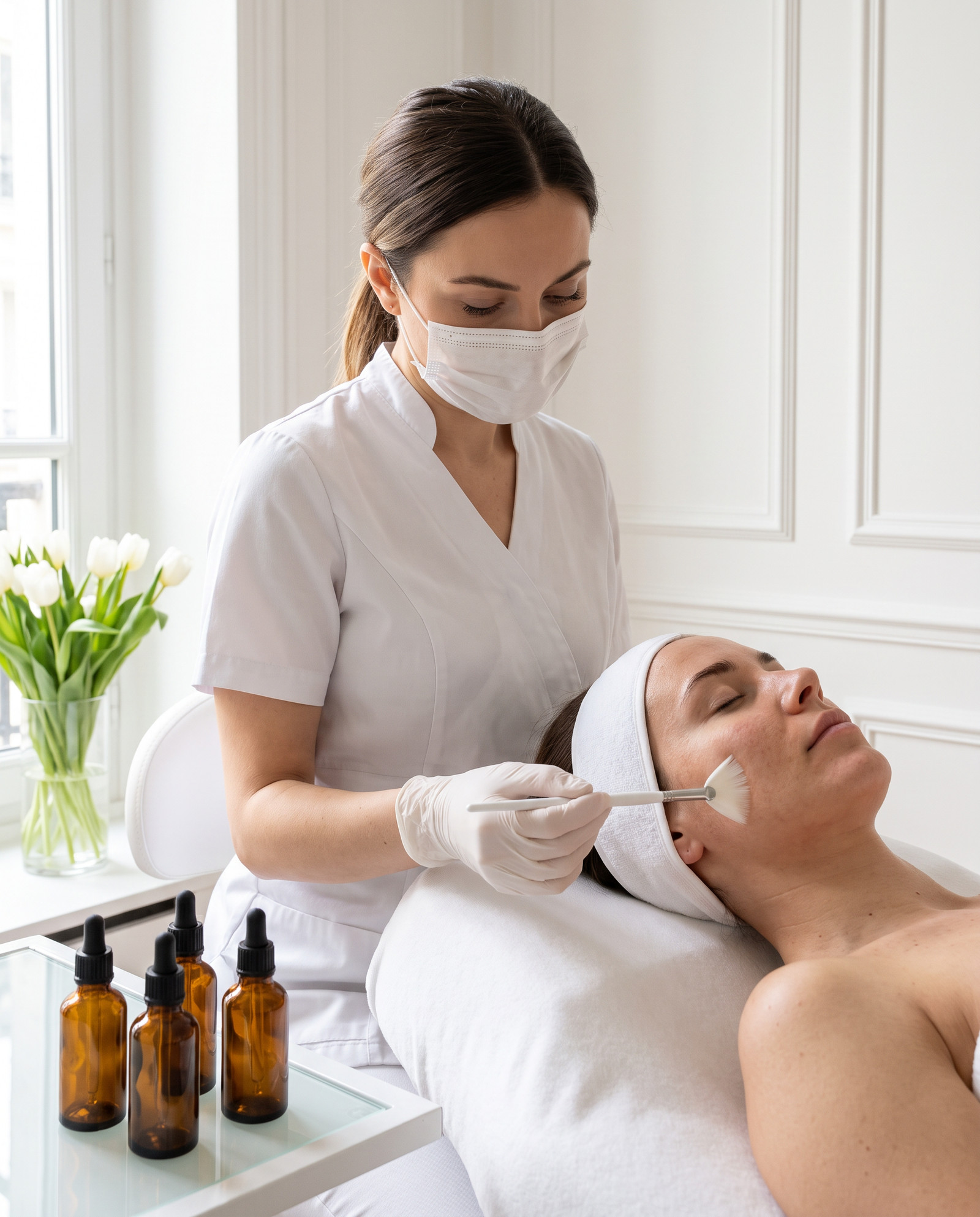
Acid peels rarely give full results after one session. A typical series involves several sessions at intervals — each one may go a little deeper or stronger if the skin responds well. Results build up from session to session.
- 05
Aftercare and maintenance
After the series, maintaining the results is key: proper home care (hydration, daily SPF), avoiding excessive exfoliation at home, and regular maintenance sessions every few weeks or months.
There's one myth worth debunking: a peel is not "cleaning dirt off the face". Acne-prone skin isn't dirty — comedones aren't dirt, and inflammatory acne is an immune reaction, not a result of poor cleansing. An acid peel is a biochemical intervention: it changes the chemical environment in the follicle, regulates keratinisation, and shifts the bacterial population. Its use during active inflammation therefore requires individual selection, with the aim of limiting the risk of spreading the infection.
Why buying an acid online isn't enough
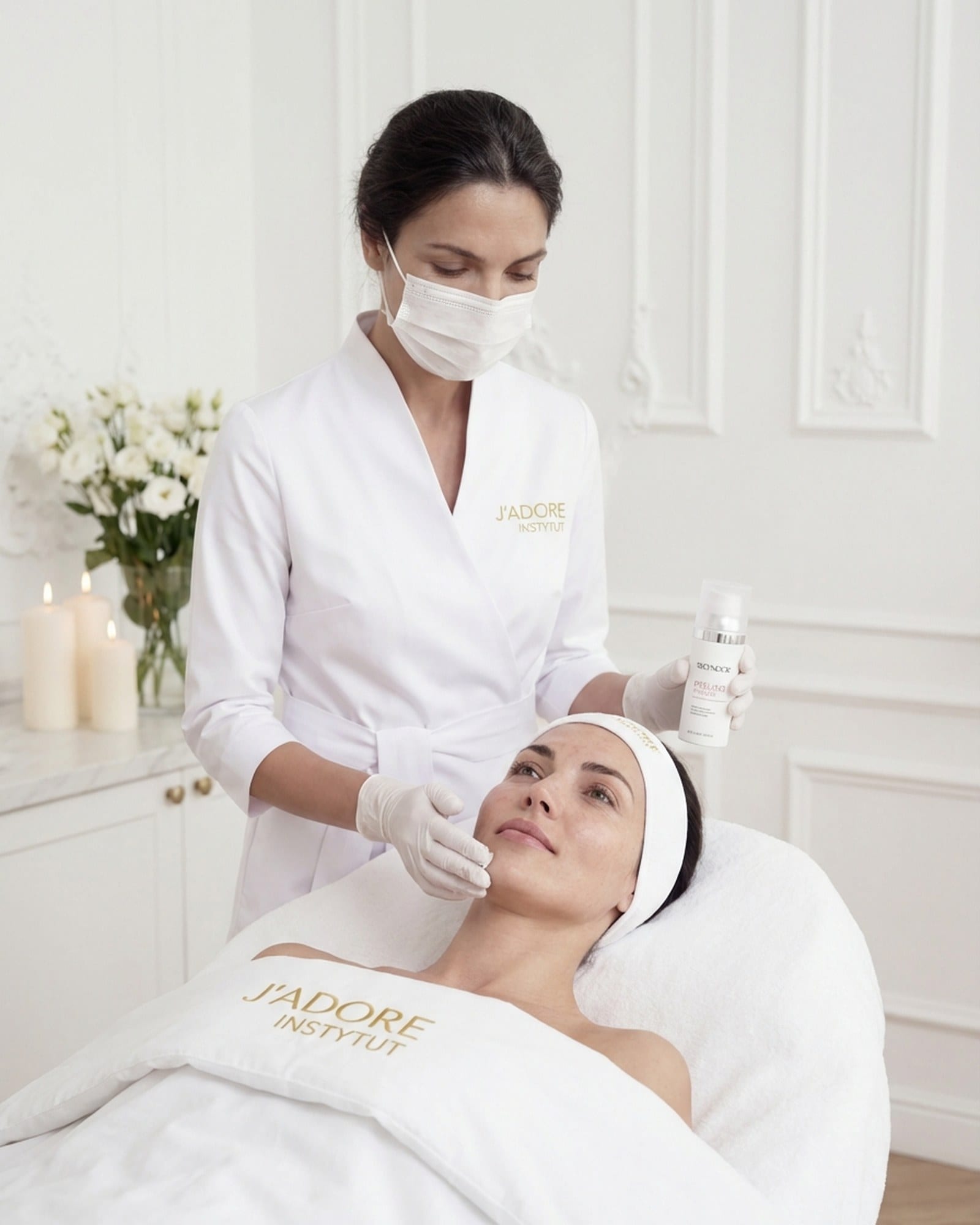
This is a question worth asking directly — because acids are available in drugstores and online shops, and tempting packaging promises the same results as a salon. The truth is more complex. Cosmetics available without supervision have limited concentrations and pH — regulations require them to be safe for unsupervised use. That's not a criticism of these products: they genuinely work, especially as part of everyday maintenance care.
But there are a few things a cosmetic product can't replace. First and foremost: an assessment of your skin's condition. Salicylic acid for someone with excess sebum and blackheads is a perfect match. The same acid for someone with a compromised skin barrier and irritation-induced pseudo-acne can make the problem worse. A cosmetic won't ask which case you have — a specialist will ask, and look.
Peels in the salon
intervention — for an active problem or a correctional goal
- Concentrations and pH levels unavailable in cosmetics
- Action reaching deeper layers of the skin
- Preceded by a consultation and skin assessment
- Matched to your current condition (which can change)
- Acids can be combined within a single protocol
Acid in a home cosmetic product
maintenance and prevention — everyday care
- Safe concentrations for at-home use
- Excellent for maintaining results after a salon series
- Accessible and convenient in a daily routine
- Helps keep pores clear and exfoliation regular
For many people, the best results come from combining both paths: a series of peels in the salon that does the "heavy lifting" — unblocking, regenerating, correcting — followed by maintenance through daily care with low acid concentrations. In this approach, the salon and home care aren't competitors — they're different stages of the same process.
A few things that aren't said loudly enough
To finish, a few observations that rarely make it into marketing materials — but are worth knowing before you commit to a series of peels.
- Getting worse at the start isn't a mistake. The first one or two peels can "draw out" comedones that were sitting deep. Skin may temporarily look worse before it gets better. This is a normal process — it doesn't mean the acid "worked too hard" or that the method is wrong.
- SPF is a requirement here, not a suggestion. Acids — all three of them — increase the skin's sensitivity to UV radiation. Skipping sun protection after a peel can lead to hyperpigmentation in exactly the place you were trying to remove it from. Apply SPF every day, regardless of the weather.
- Retinol and acids — a bad combination without supervision. Combining acid peels with retinol in home care can irritate the skin barrier faster than it improves acne. In the salon, such combinations are used — but under supervision. At home: talk to a specialist first.
- Acne isn't only a skin matter. Peels work on what's happening in the skin — but hormones, stress, diet and deficiencies can drive acne from within. For many people, the best results come from combining salon work with addressing internal causes. A peel won't cure hormonal acne without also addressing hormones.