What's actually going on with your hair
Before you even start thinking about thickening, one distinction helps: are you losing volume, or losing hair? These aren't the same thing, though they can look similar.
Volume loss
what you see
- hair is thin, soft, lacking spring
- it lies flat and is hard to style
- the crown looks "empty", but there's no clear bald patch
Hair loss
what you see
- a visible receding hairline at the front
- thinning at the crown or top of the head
- more hair on your pillow, in the shower, on your collar
This distinction matters in practice: with volume loss, a change in your care routine and a good haircut can transform your look completely. With hair loss — especially when it's progressive — a haircut is at best a stopgap, not a solution.
When a hairdresser is enough
Good news: with mild thinning or a naturally fine hair type, a good haircut can genuinely do a lot. The trick is to work with your hair, not against it.
- Shorter sides, more volume on top. A classic undercut or fade makes the hair on top — even if there's less of it — look thicker by contrast.
- Texture instead of smoothness. Slightly matte pastes and clays build volume better than gels that give a wet, flattened look. A wet look on thin hair highlights the problem instead of hiding it.
- The right length. Hair that's too long and thin hangs down and exposes thinning. Slightly shorter — at the same density — looks fuller.
- Thickening spray and keratin spray. These are tactical tools for specific occasions, not a daily strategy — but they work well when you need a quick visual density fix.
When you need a trichologist, not a hairdresser
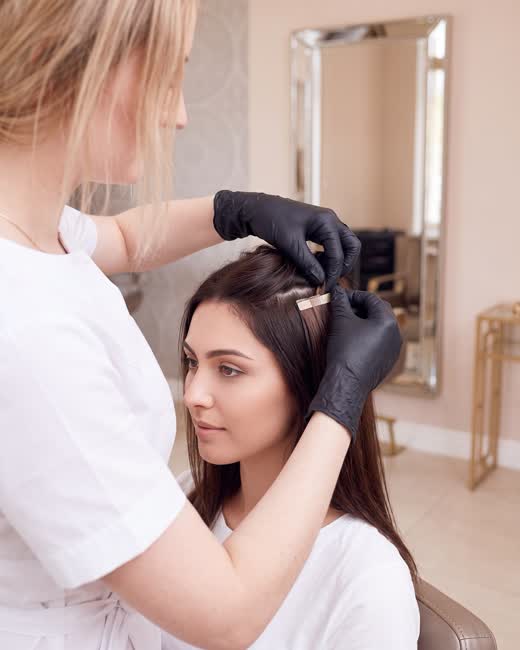
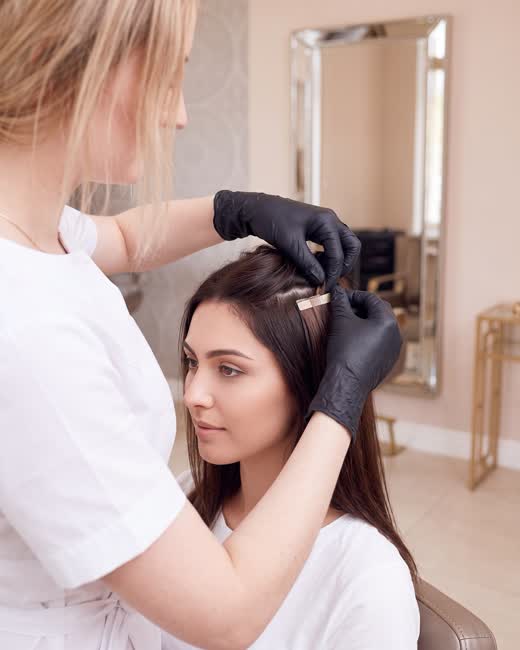
Trichology is the field dealing with hair and scalp health — diagnostics, not just aesthetics. It's worth seeing a trichologist before hair loss progresses to a stage that's difficult to address.
- Male pattern baldness (the most common type in men) — a characteristic receding hairline and thinning at the crown; the earlier it's diagnosed, the more options there are for slowing the process.
- Telogen effluvium — sudden, temporary shedding triggered by stress, illness, diet or hormonal changes; it can often be reversed once the cause is removed.
- Dandruff and scalp inflammation — left untreated, these weaken hair follicles and can worsen hair loss.
- Micronutrient deficiencies — deficiencies in iron, zinc, vitamin D and biotin are common but often overlooked causes of poor growth and excessive hair loss.
An important note: male pattern baldness isn't reversible, but for many men its progression can be significantly slowed — especially when treatment starts at an early stage. The longer you wait, the smaller the chance of stopping the process.
Hair thickening — what actually exists
"Hair thickening" is a term that covers very different things — from styling products to trichological and medical treatments. It's worth knowing what you actually mean, so you don't overpay for something that doesn't match your problem.
- 01
Trichological diagnostics
The starting point — trichoscopy, a consultation, and possibly blood tests. Without this, you don't know what you're dealing with.
- 02
Care and supplementation
Shampoos, conditioners and supplements chosen for a specific cause. With micronutrient deficiencies, many people see a visible improvement in hair condition.
- 03
Scalp treatments
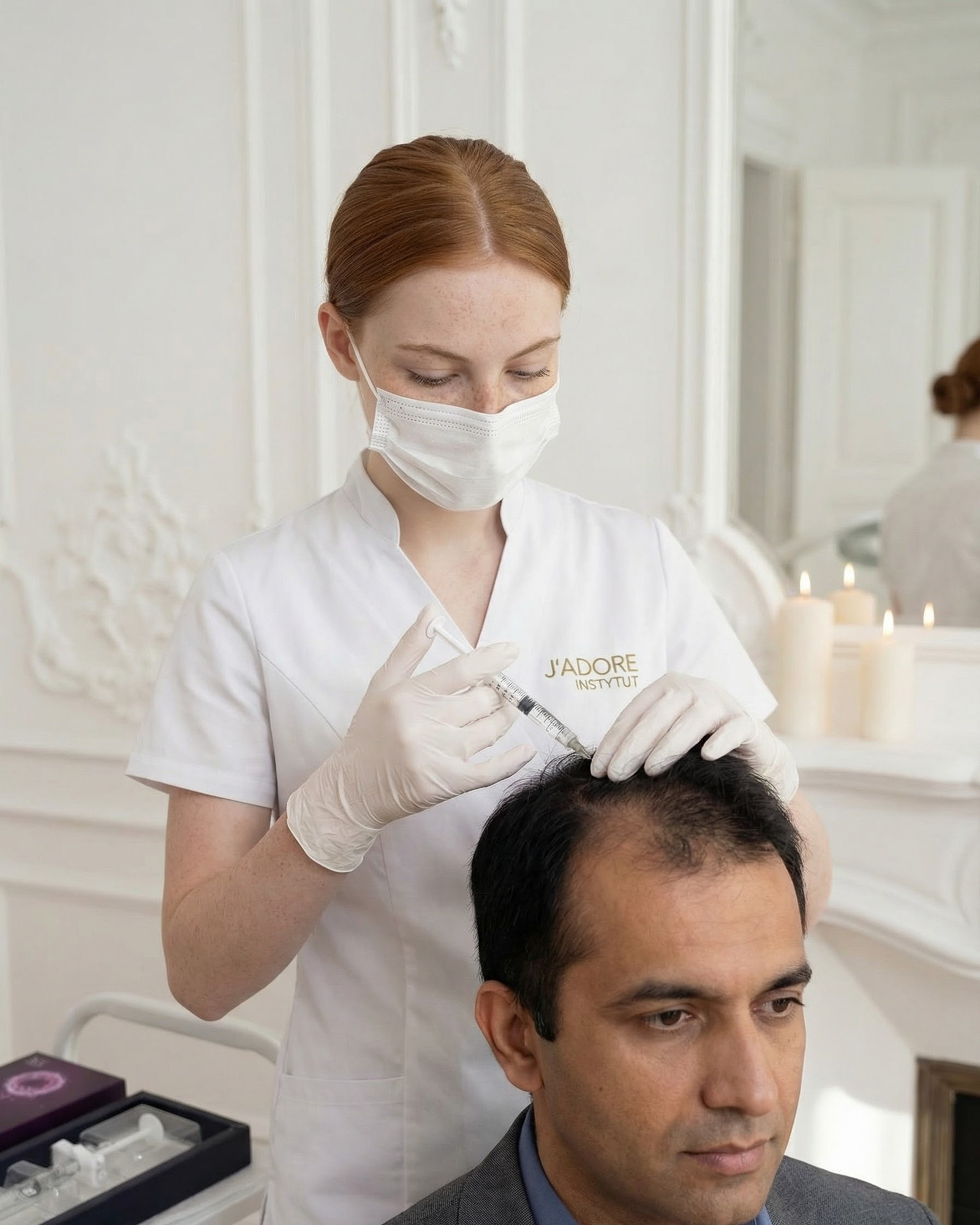
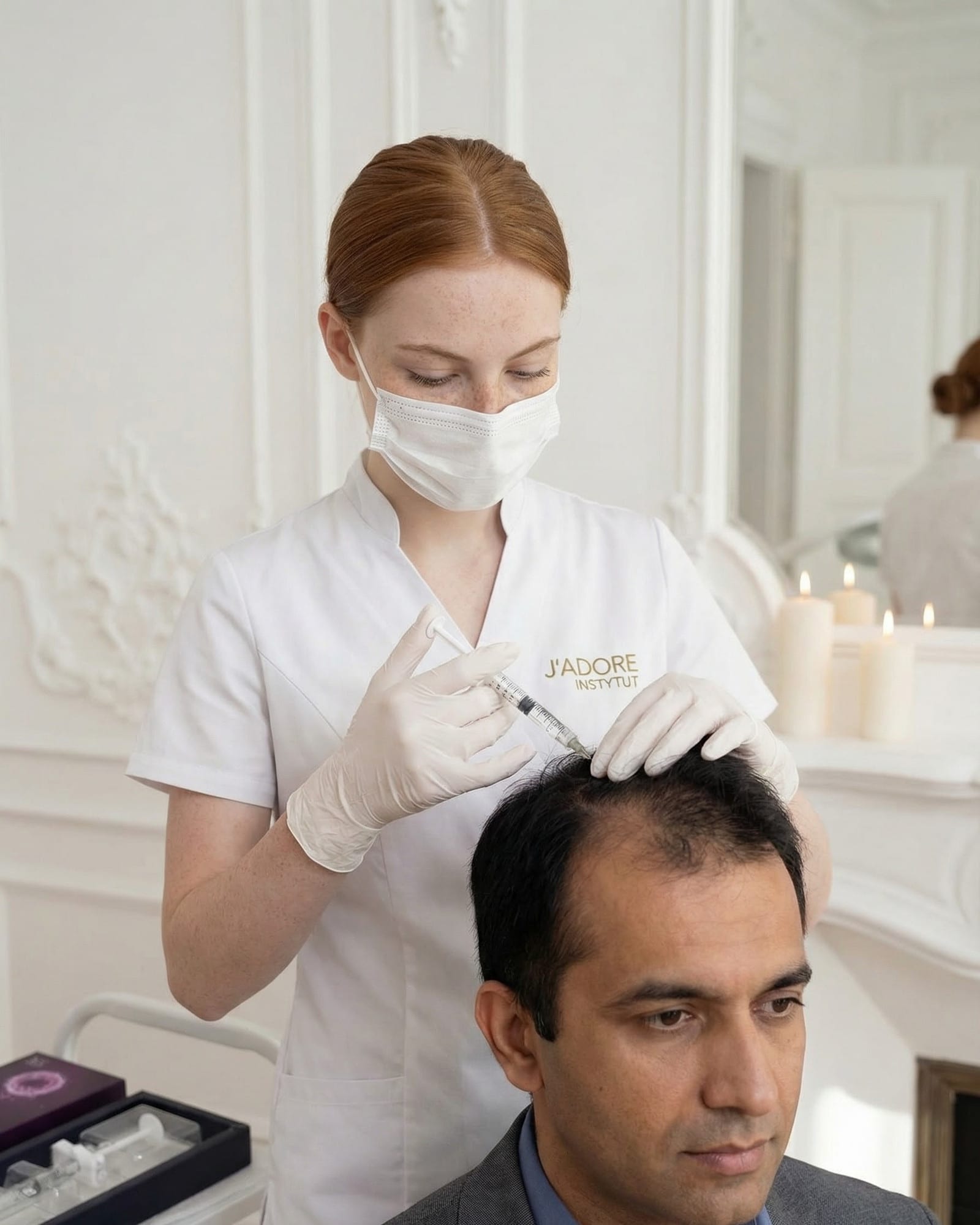
Needle or needle-free mesotherapy — delivering active ingredients directly into the scalp around the hair follicles. Often used for early-stage male pattern baldness and telogen effluvium.
- 04
Styling
Haircut, volumising products, keratin spray — a sensible addition at any stage of treatment.
Scalp mesotherapy is one of the more popular trichological treatments — it involves delivering a blend of active ingredients (vitamins, amino acids, growth factors) directly around the hair follicles. For many patients, it can improve hair condition and support growth — especially in the early stages of thinning or after telogen effluvium. It's not a solution for every case of hair loss — which is why it starts with diagnostics, not straight into treatment.
The scalp — a topic that gets overlooked
- A scalp brush and a proper scalp shampoo — not just a hair shampoo (the difference matters).
- Regular scalp exfoliation reduces clogged follicle openings.
- Avoid hot water — it dilates blood vessels and increases sebum production.
- Going without a hat in the heat is debatable — sweat combined with an unprotected scalp can irritate more than UV does.
When to combine both approaches
Styling and trichology aren't mutually exclusive — quite the opposite. The best result comes from combining them: diagnosing and treating the underlying cause, plus a good haircut and daily care that keep improving visual density the whole time.
Scalp mesotherapy + a new care routine
The treatment improves follicle condition and stimulates growth; the right shampoo and care maintain the effect between sessions.
Trichological consultation + blood tests
With hair loss and no obvious cause, it's worth checking iron, ferritin, vitamin D and thyroid hormone levels — the results often change the entire plan of action.
Trichology + a hairdresser specialising in fine hair
The trichologist deals with the cause, the hairdresser with your current look. Working on both fronts at once gives the best visual and health outcome.