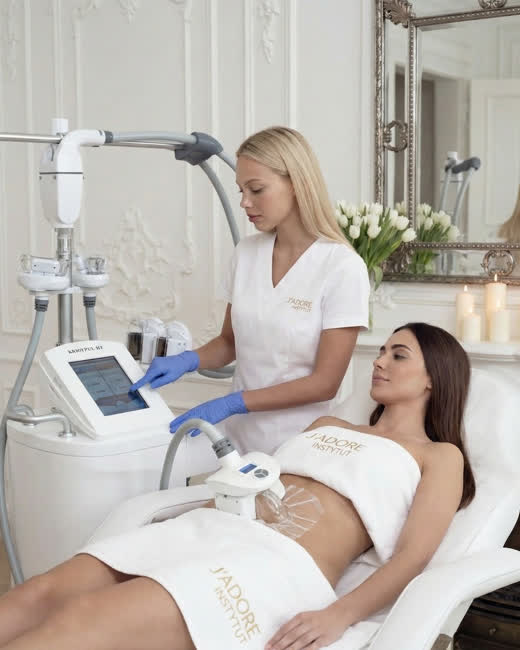
What HIFU really does in the skin
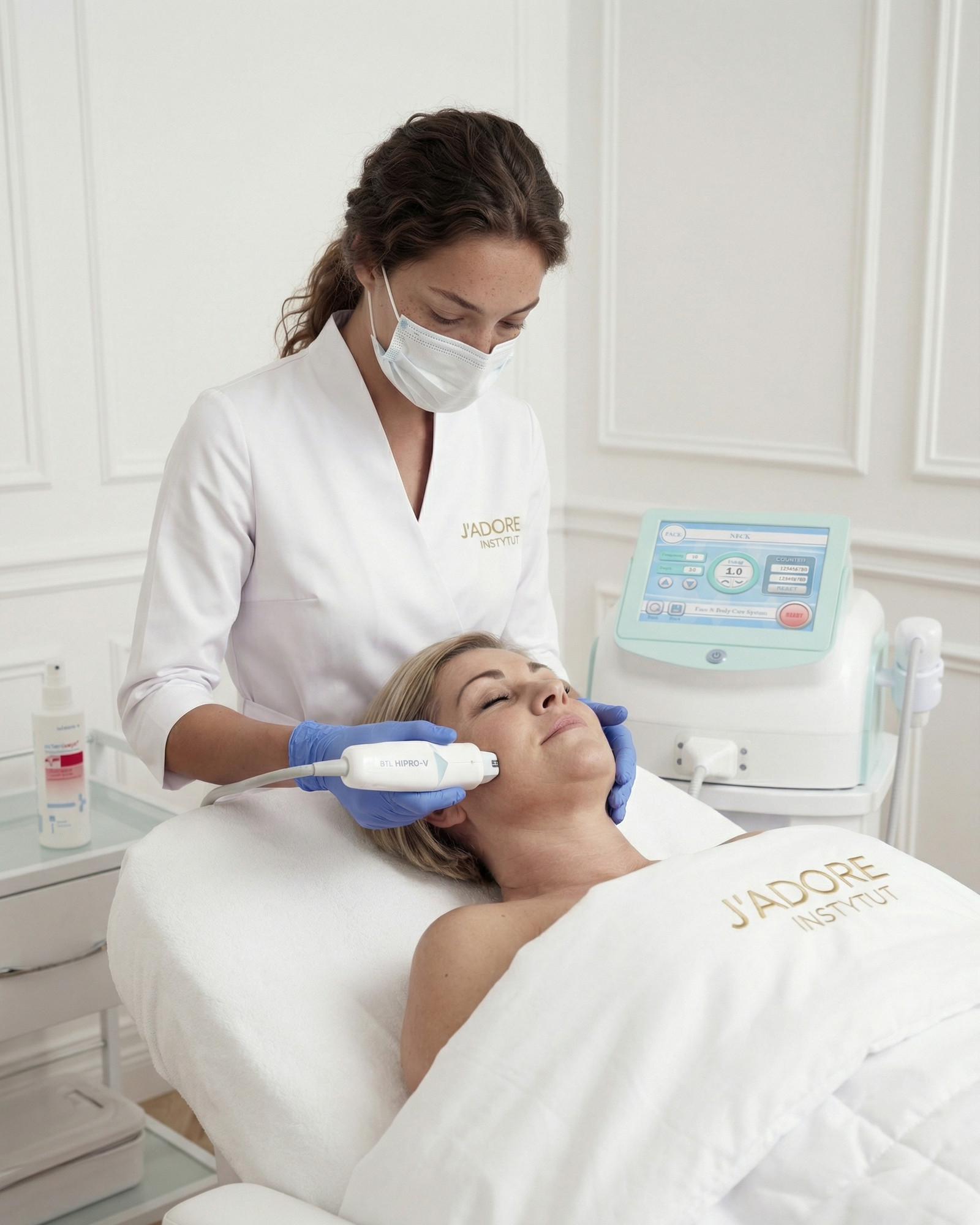
HIFU stands for High-Intensity Focused Ultrasound. It works below the surface. It does not burn the epidermis or dry the skin from the outside. Instead, it focuses energy at a specific, precisely selected point deep within the tissue — like a lens focusing a beam of light in one place while everything around it remains untouched.
At this deep point, the temperature rises sharply in a localised area. For a fraction of a second, cells in this area undergo a controlled thermal micro-injury. The key word is controlled. The treatment does not damage the surface, destroy blood vessels or leave wounds. Instead, it creates precise micro-coagulation points — small zones of thermal injury — deep beneath the skin.
These thermal micro-injuries deep within the tissue are only a starting signal — not the result itself. The real transformation begins shortly afterwards, when the body reads this damage as information: “repair is needed here”. This is when the process begins that ultimately delivers the reason for having HIFU.
Healing that remodels — not merely repairs
When tissue damage occurs in the body — even damage as precise and controlled as an HIFU coagulation point — a natural regeneration cascade begins. It cannot be accelerated with a cream or supplement. It is a deeply rooted biological mechanism that follows its own pace.
- 01
The first days — inflammatory phase
The body “sees” the micro-injuries and sends repair signals. Immune cells and growth factors appear. You may notice redness or slight swelling on the surface — this is a normal response, not a complication.
- 02
Weeks 2–4 — structural remodelling
Fibroblasts — cells responsible for collagen production — receive a strong signal to act. They begin synthesising new collagen and elastin fibres. The result is not yet visible, but work continues beneath the surface.
- 03
Months 2–3 — collagen maturation
New collagen fibres “mature” — they organise, strengthen and begin to firm the skin from within. This is when the result starts to become visible. For many people, visibility peaks 2–3 months after the treatment.
- 04
Months 3–6 — consolidation
Collagen remodelling continues. The result may still improve slightly or stabilise. The skin is denser and firmer — new fibres have replaced damaged microstructures and supplemented areas with a collagen deficit.
It is important to understand that these stages cannot be shortened. Collagen synthesis is a biochemical process that takes time. New protein chains must organise, form a tertiary structure and “mature” to full strength. Even in ideal conditions, the body cannot produce fully mature collagen in one week.
Why a “slow” result is better than an immediate one
An immediate lifting effect — visible straight from the treatment bed — is usually caused by swelling or mechanical tension. The skin looks lifted because it is swollen or temporarily tightened, not because its deep structure has changed. When swelling subsides, the impression of improvement often fades too. This is not a criticism — it is normal physiology.
A result based on swelling / mechanics
immediate, but temporary
- Visible immediately after the treatment
- Caused by an inflammatory response or mechanical tension
- Fades as swelling subsides
- Does not alter the skin’s collagen structure
A result based on new collagen
slow, but structural
- Appears gradually over 2–3 months
- Caused by remodelling of the skin’s deep structure
- Based on genuinely new collagen fibres
- The skin is denser and firmer from within
The HIFU result belongs to the second category. The skin is not “plumped” or mechanically stretched — it is remodelled from within by new fibres formed in response to controlled thermal injury. That is why it looks natural. It can be difficult to pinpoint exactly what has changed — yet the difference is visible. It also often lasts longer than results based on swelling.
What affects how pronounced the result will be
HIFU does not produce identical results for everyone. This is not a matter of a “good or bad” treatment, but of individual skin biology. Several factors genuinely affect how pronounced the body’s response may be.
- Age and skin condition. The more resources your skin has for remodelling — and the more fibroblast potential remains — the stronger the collagen response may be. People in their forties and fifties often respond differently from those with very advanced fibre loss.
- Hydration. Collagen is a protein, but its function in the skin also depends on its environment. Well-hydrated skin maintains its structure better and may respond better to regenerative stimuli.
- Time between treatments. HIFU is not a massage — there is no benefit in repeating it too often. Intervals that are too short may interfere with the ongoing remodelling process. A typical interval is many months, not weeks.
- Lifestyle and sun exposure. UV radiation actively damages collagen — both existing and newly produced collagen. Sun protection during and after the treatment programme is not optional.
- Treatment depth and area. HIFU can target different depths and structures — fascia, dermis and subcutaneous tissue. Selecting these according to your individual anatomy affects the final result.
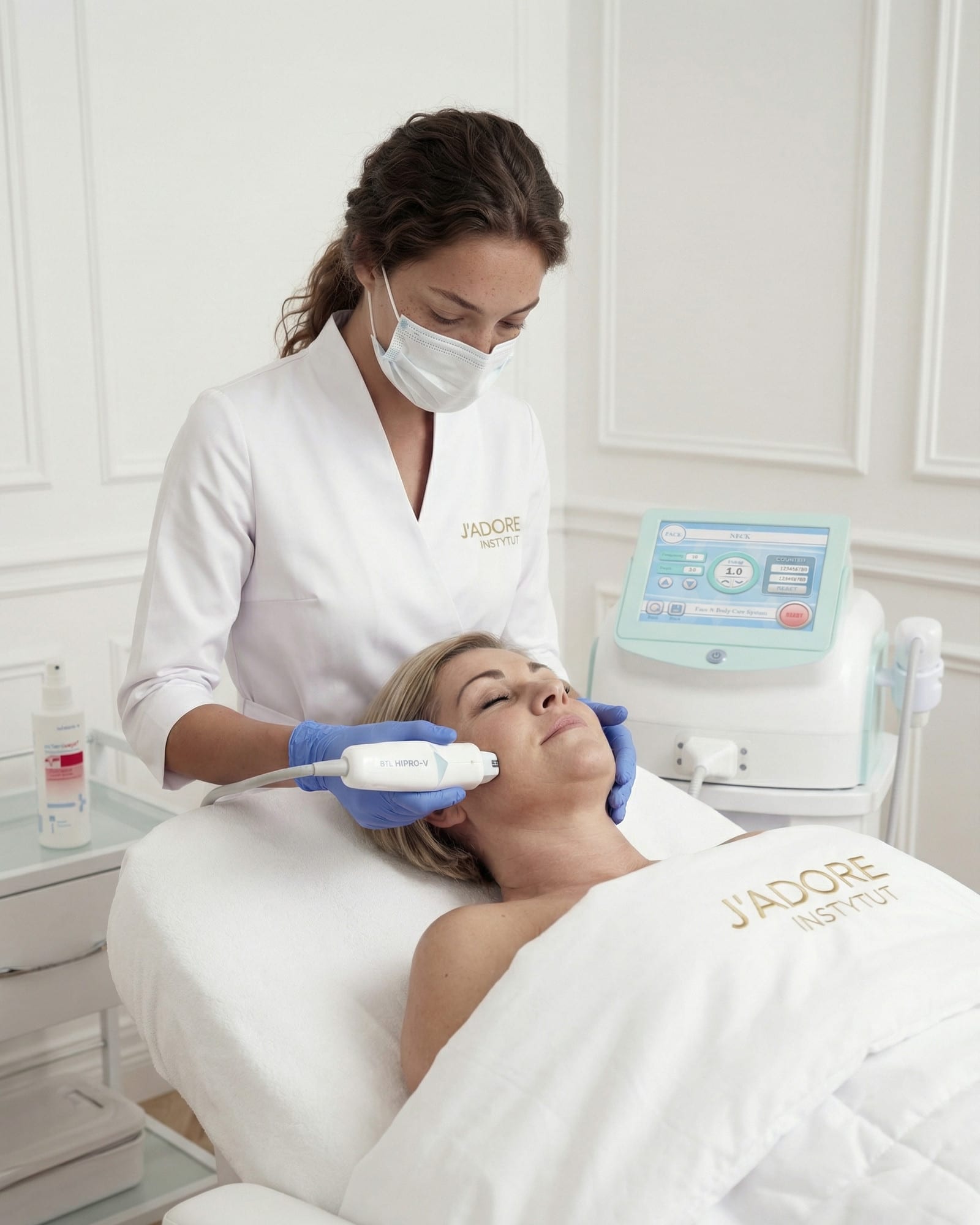
When and how you can support the result
HIFU starts the process — but it is not the only factor involved. The months after treatment are a time when the body intensively produces new collagen. You can support or undermine this process. The choice lies with the person having the treatment.
- Sun protection — the absolute foundation. New collagen fibres are particularly vulnerable to UV damage. SPF is not an option, but protection for your investment.
- Hydration — drinking enough water supports overall skin condition and the environment in which new collagen matures.
- Home care with retinoids or peptides — may support fibroblast activity, although it will not replace the effect of the treatment itself.
- Avoiding sudden weight changes — skin exposed to major volume fluctuations during remodelling may not fully use its regenerative potential.
Biostimulators (poly-L-lactic acid / Sculptra)
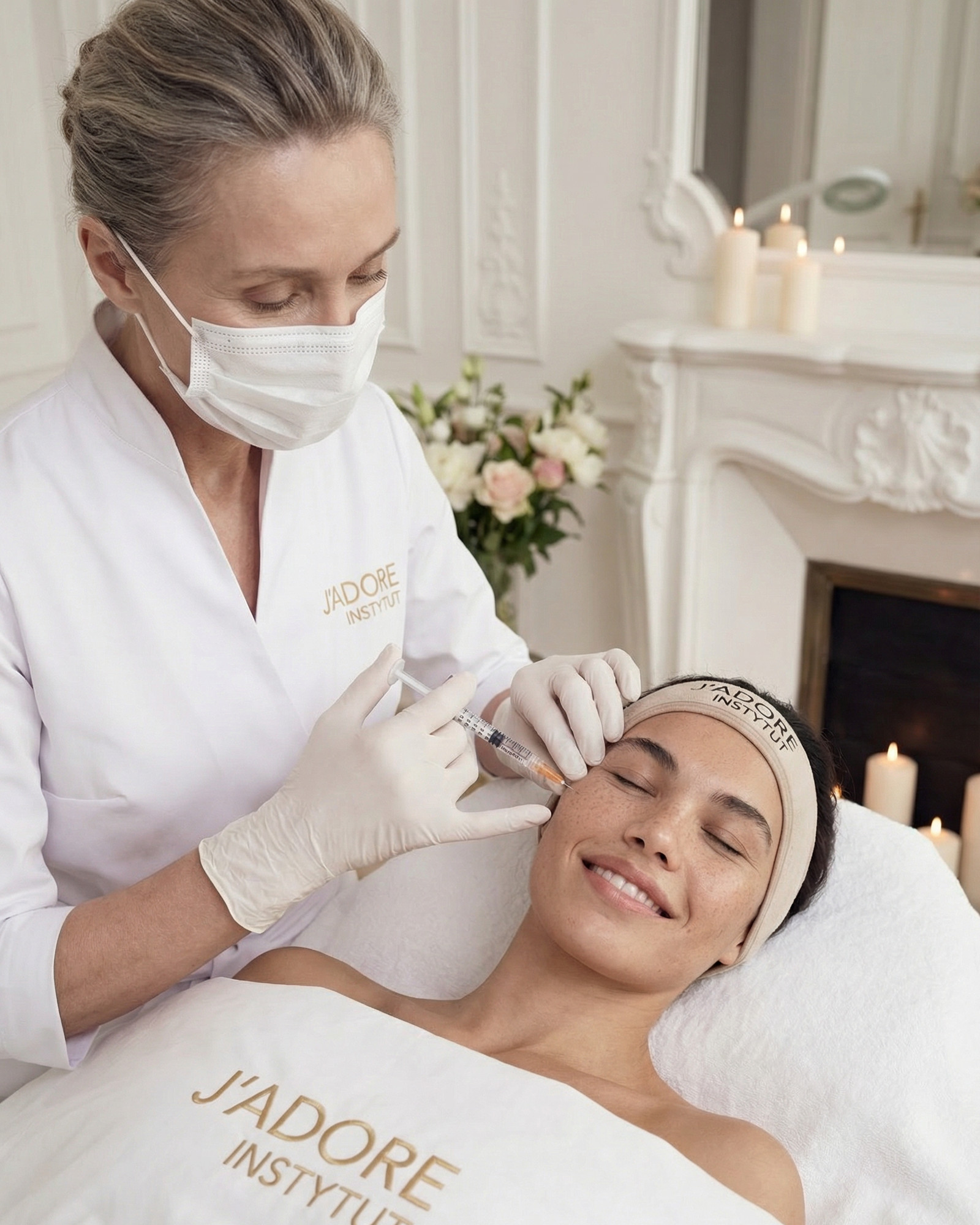
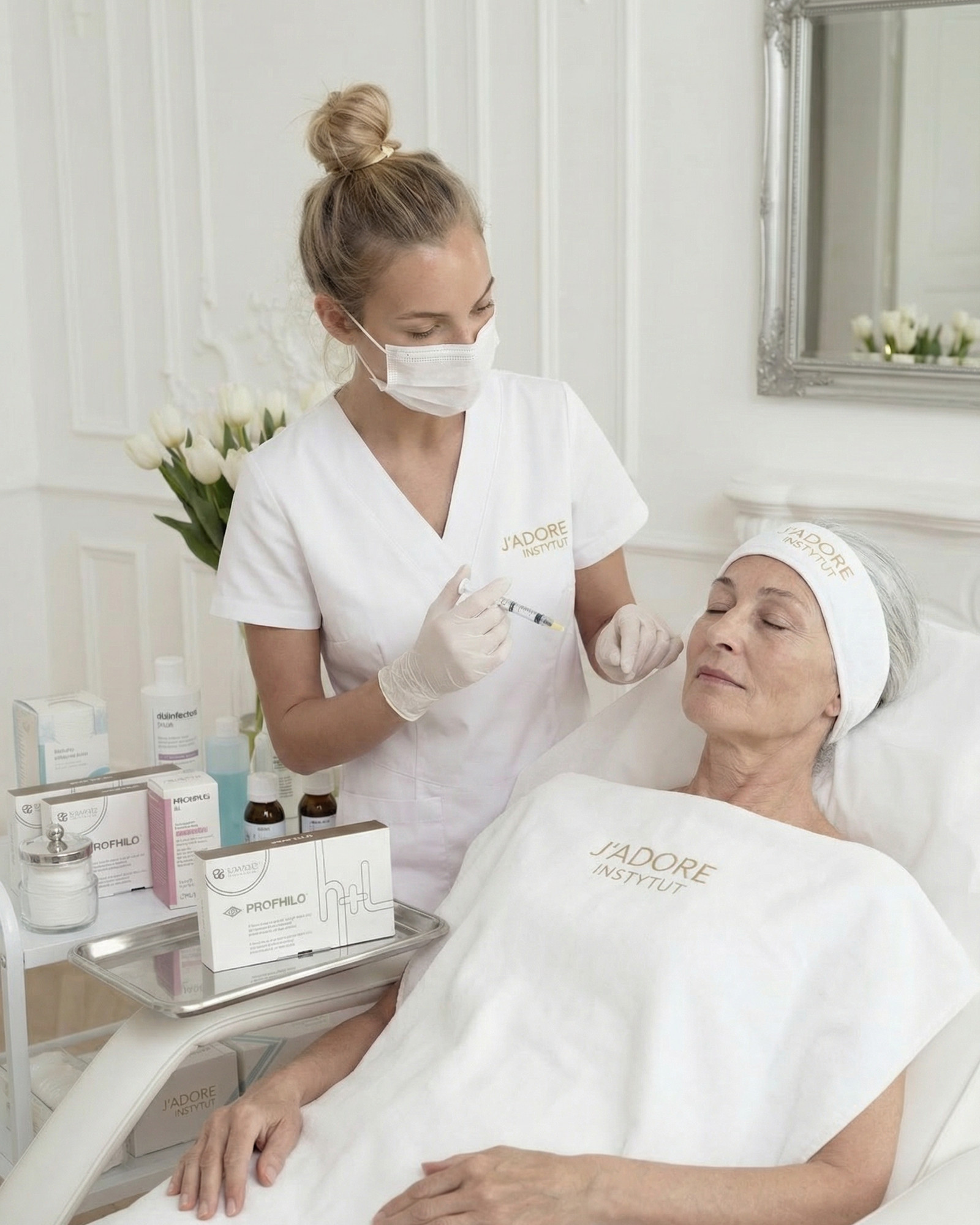
Both treatments stimulate collagen production, but through different mechanisms and in different layers. Combining them may enhance and extend the result. They are usually performed several weeks or months apart, never at the same time.
Skin biostimulator or polynucleotides
While HIFU works on the firmness and structure of deeper layers, hydrating biostimulators improve the quality and condition of the skin itself. Their effects complement each other rather than overlap.
Lifting threads
Mechanical support for the facial contour may complement HIFU where ultrasound treatment alone does not provide sufficient lift. This is particularly relevant in advanced tissue laxity. A specialist determines the order and interval between treatments.
Patience as part of the treatment
There is an ironic paradox in the approach to HIFU. Many people stop assessing the result too early because nothing is yet visible in the fourth week. Others start looking for another treatment before the previous one has finished working. Both approaches are understandable, but both result from not knowing how the mechanism works.
A delayed result is not a drawback of HIFU — it is one of its characteristics. Any treatment whose effect relies on newly produced collagen needs time. This applies to HIFU, biostimulators and fractional lasers. Wherever the result depends on biology rather than swelling, it develops over weeks, not hours.
This is why, when someone says after two months, “I do not think it worked”, then returns after three months and says, “Oh, it is visible after all”, it is neither an error nor a coincidence. It is exactly how it was meant to be.