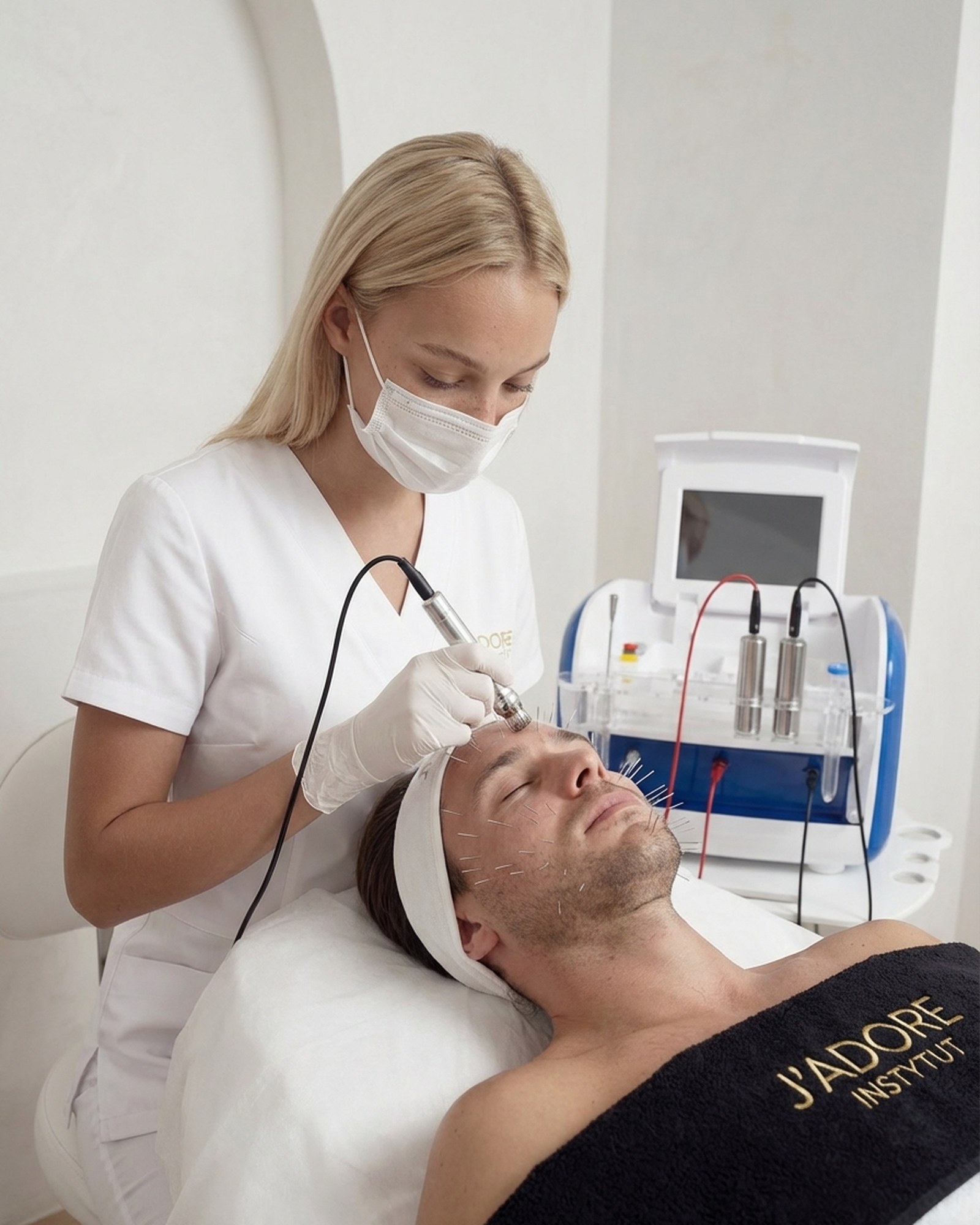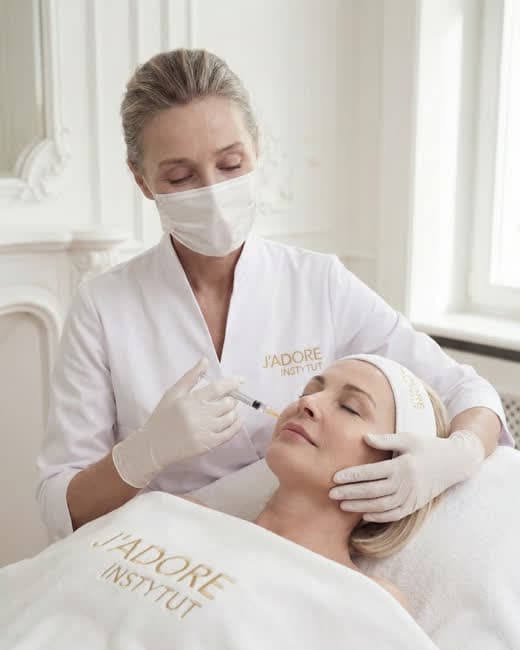
Three methods, three different causes — before you start comparing
The tear trough is an anatomically complex area. The skin here is unusually thin, the underlying bone and muscle are static, and the subcutaneous tissue is sparse. That's why any change shows here faster than anywhere else. But "change" can have different origins:
- Volume loss — a hollow caused by years of fat and bone loss - Changes in skin quality — skin becomes thinner and less dense, revealing the dark vascular and muscular layer beneath - Vascular discolouration — dark colouring unrelated to the depth of the hollow, caused instead by visible blood vessels - A combination of the above — the most common scenario after age 35
That's why the same "tear trough" can require a completely different approach in two different people. Understanding this difference is the starting point for choosing correctly.
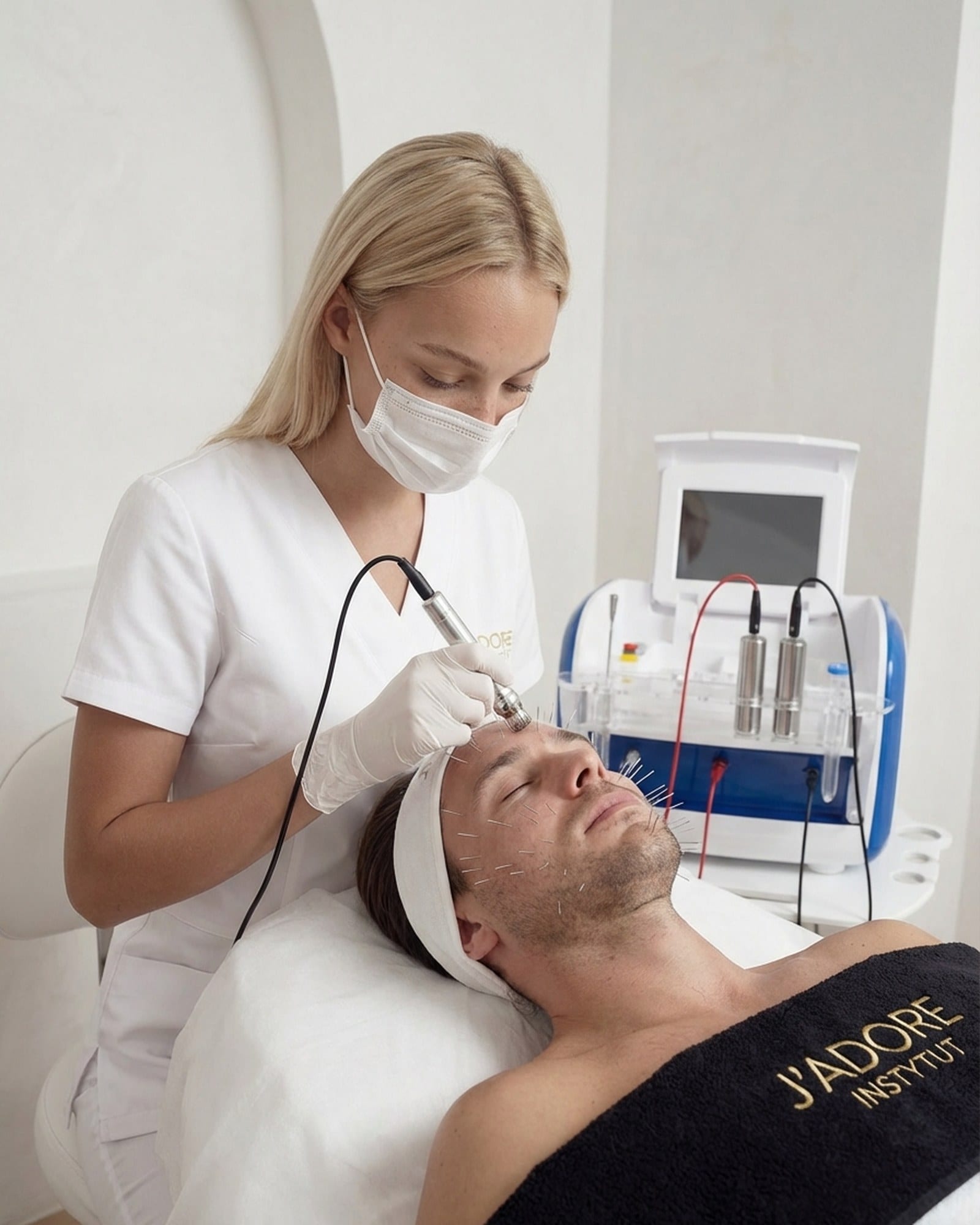
Filler, biostimulation, PRP — what's the difference?
Before any comparison can help, it's worth knowing what each method actually involves. The differences are fundamental:
Filler (hyaluronic acid)
restores volume immediately
- targets volume loss — a visible hollow, a deep depression
- results visible straight after the treatment
- requires precision and experience — a high-risk vascular area
- reversible — the enzyme hyaluronidase can dissolve it
- for thin skin: ultra-light fillers, applied using a cannula technique
Biostimulation (PDRN / biostimulators)
rebuilds skin quality from within
- targets skin quality — thin, translucent, grey, lacking firmness
- stimulates fibroblasts to produce your own collagen and elastin
- improves hydration and skin thickness around the eyes
- results build up gradually — usually after a series of several sessions
- safe for the eye area when appropriate formulations are used
PRP (platelet-rich plasma)
regenerates and revitalises biologically
- targets biological regeneration — using your own growth factors from your blood
- improves microcirculation, which may reduce vascular discolouration
- strengthens and improves elasticity in the thin skin around the eyes
- particularly recommended for vascular issues and after chemotherapy
- results build gradually, naturally and for the long term
How to check in front of the mirror — a home test
Before your visit, you can run a simple three-step test. It won't replace a consultation, but it will help you arrive with a clear description of your concern. This significantly speeds up diagnosis and improves the quality of your treatment plan:
- Stand in natural light. Avoid front-facing lighting — light from a window, slightly to the side, works best. Look in the mirror with a relaxed gaze, without raising your brows.
- Assess the depth of the hollow. Can you see a clear hollow — a depression, a "shadow" cast by sunken tissue? If so, the problem relates to volume. Indication: filler (following a medical consultation).
- Assess the skin colour. If the hollow is minimal or absent, but there's purple, bluish or brownish colouring — you're dealing with a vascular component or thin, translucent skin. Indication: biostimulation or PRP (or a combination).
- Assess skin texture and thickness. Gently pinch the skin under the eye. If it feels paper-thin, fragile, almost see-through, it needs thickness and density, not just volume. Indication: a series of biostimulation or PRP sessions as a foundation, with filler considered only once the skin has rebuilt.
- Keep in mind: most people have a combination of all three components. The best results come from treatment spread over time, not a single session.
The home test has one limitation: it's hard to judge on your own what's happening deeper down — whether the hollow comes from bone loss, fat loss or muscle changes. That's a job for the doctor. But knowing what concerns you most — depth, colour or texture — gives them valuable clues.
When and how to combine methods
The tear trough is one of those areas where combining several methods gives a result that exceeds what each one achieves alone. The logic is simple: build from the ground up. The skin needs to be ready before it receives material to hold.
Biostimulation → filler
First rebuild skin thickness and quality with a series of biostimulation sessions. Then, once the skin is "ready", restore the missing volume. This is the most common and safest approach.
PRP → filler
PRP regenerates biologically and improves microcirculation, while filler corrects the structural volume deficit. Particularly suited to vascular issues.
Biostimulation + PRP
A regenerative synergy for skin that's very thin, weakened, or recovering from oncological treatment. Both preparations work on different levels and complement each other.
Long-term plan (3–6 months)
For a mature face, the best results come from a sequence spread over time: skin quality → volume → maintenance. Not a single visit, but a considered plan.