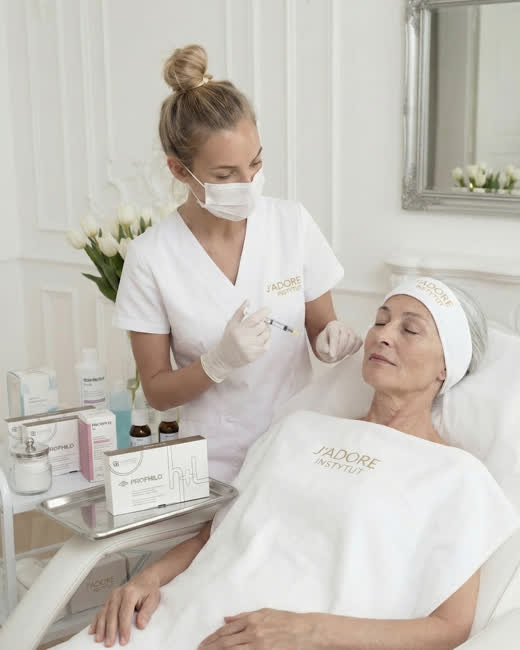
What is Nucleofill, and why four variants?
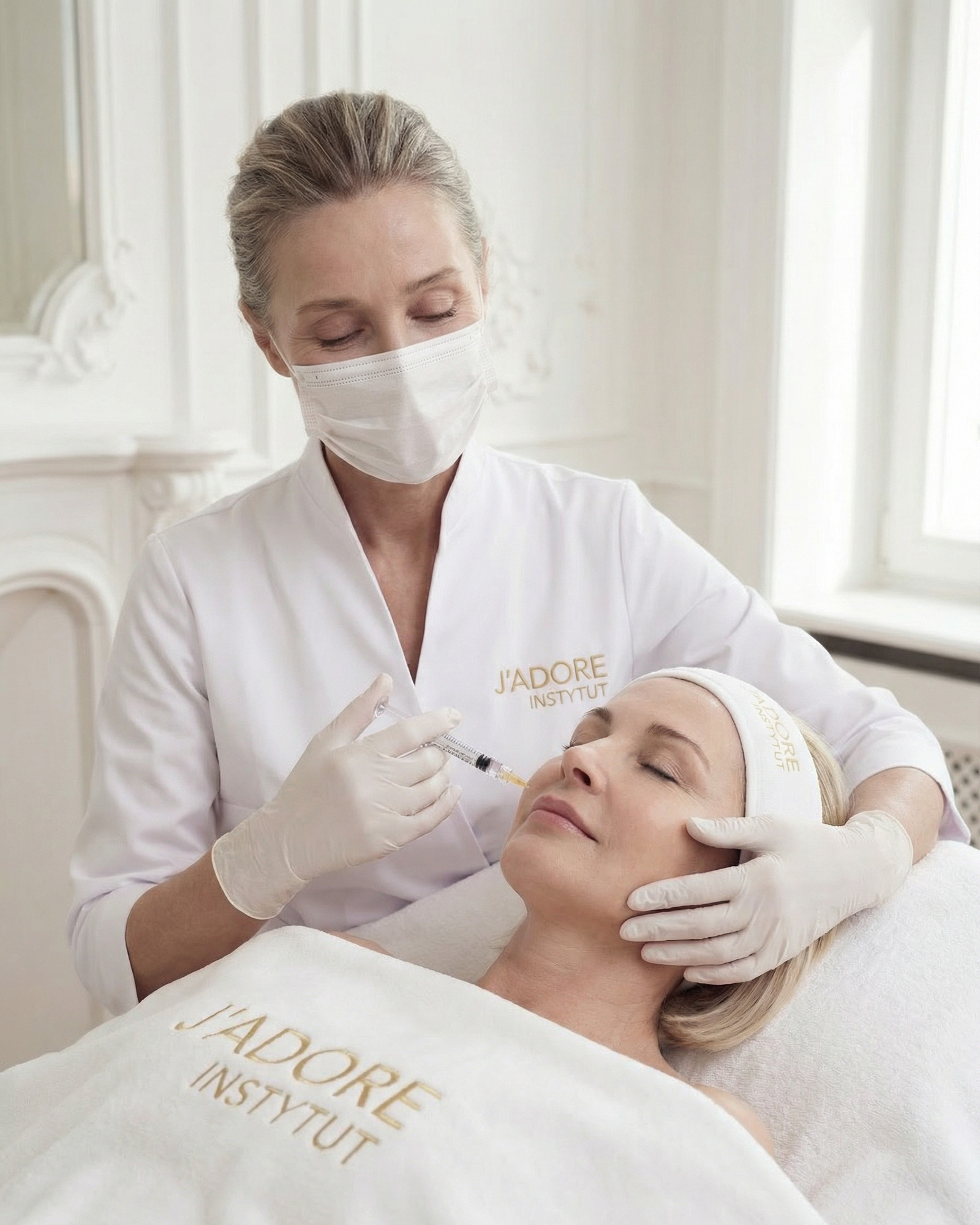
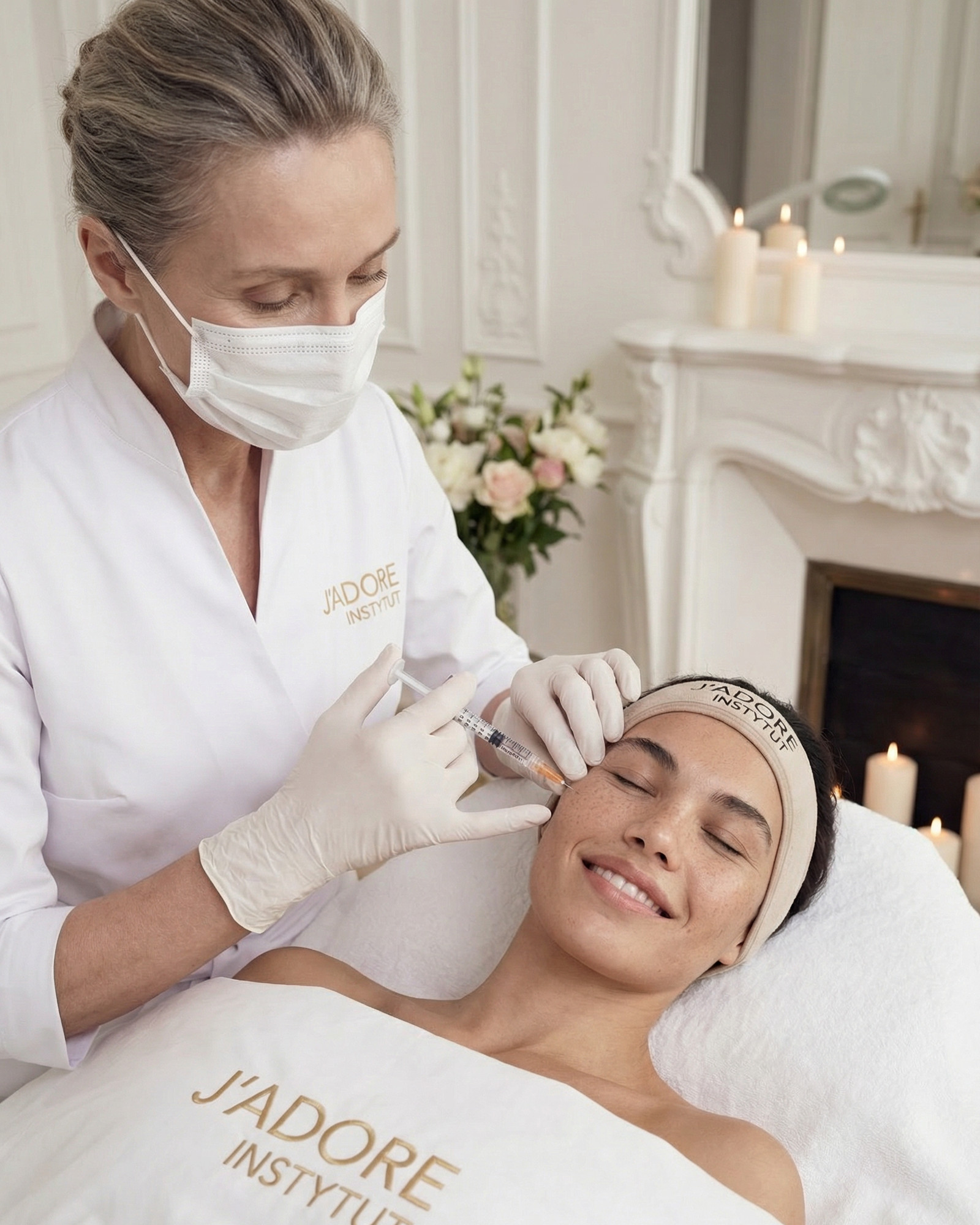
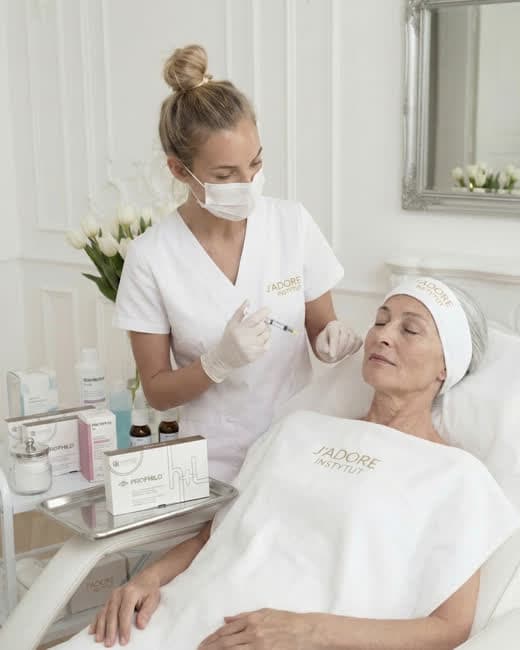
Nucleofill belongs to a group of biostimulators based on polynucleotides (PDRN/PN) — long DNA chains typically derived from salmon or trout. Polynucleotides are natural carriers of biological information. They act on fibroblasts, stimulating collagen and hyaluronic acid production, regenerate cells, and improve microcirculation and hydration. The result isn't "added volume" — that's what classic fillers do. Instead, it's an improvement in skin quality from within — density, elasticity, radiance and a reduction in fine lines.
Why four variants? Because skin in different facial zones has a different structure and different needs. The delicate skin under the eyes is a completely different material to the skin on the cheek. And skin on someone in their forties responds to stimulation differently than skin belonging to someone just starting out with prevention. The manufacturer of Nucleofill created four formulas to allow precise work — matched to a specific zone and a specific level of need.
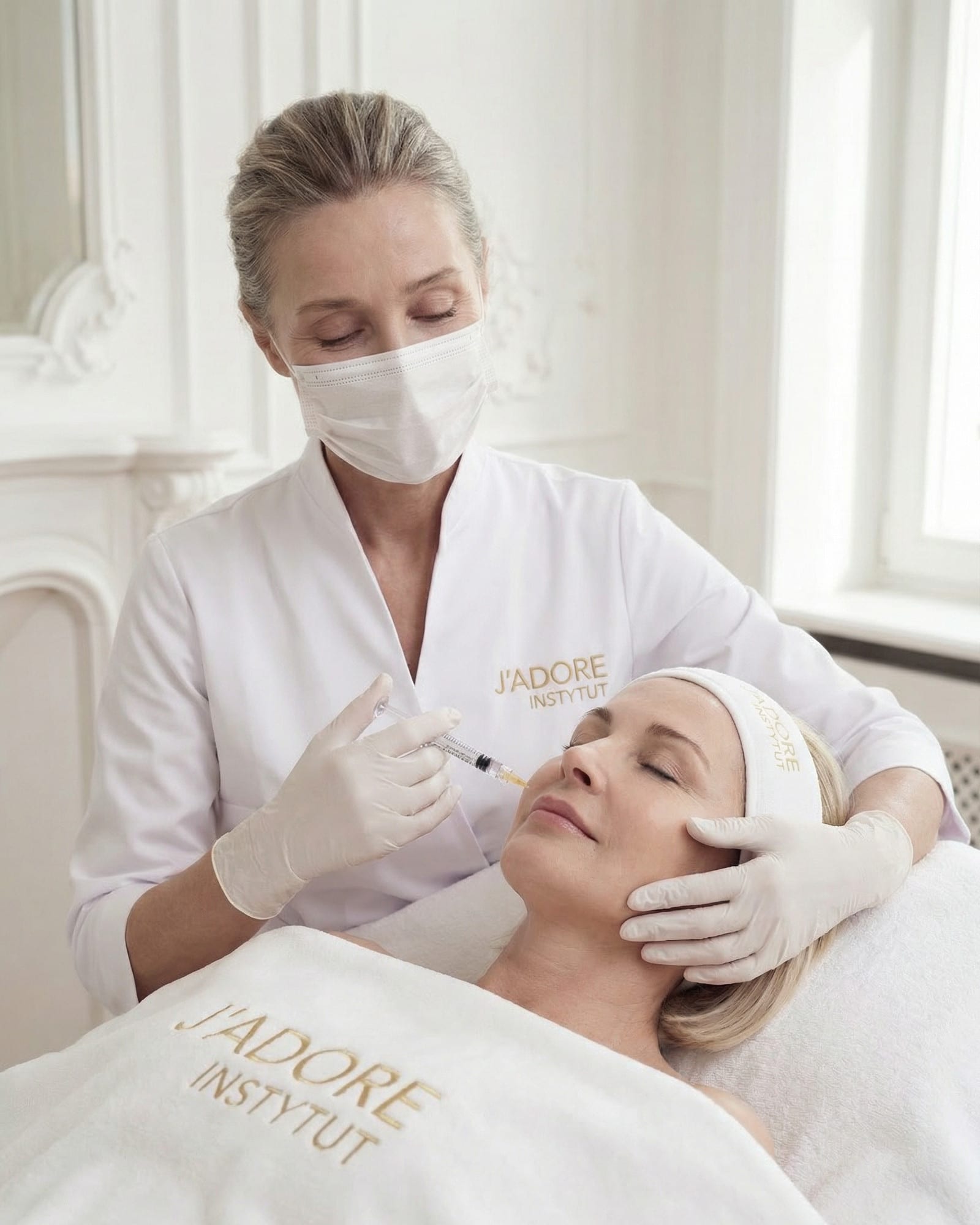
Four variants — four tasks
Below is an overview of the four Nucleofill variants and their indication profiles. This isn't a "better/worse" ranking — it's a map of tools, from which your doctor selects what's right for your skin.
Nucleofill Soft
gentle prevention and hydration
- sensitive or reactive skin
- first signs of dehydration
- prevention from around age 25
- skin during or after intensive treatments
Nucleofill Medium
regeneration and density restoration
- skin losing elasticity, grey, "tired"
- first wrinkles, lack of radiance
- skin in the thirties, requiring regular stimulation
- the most commonly chosen variant for the face and neck
Nucleofill Strong
intensive restoration for advanced changes
- skin with noticeable laxity and deeper wrinkles
- loss of facial contour, pronounced signs of ageing
- skin in the fifties, or earlier with faster ageing
- higher concentration = a stronger regenerative impulse
Nucleofill Eyes
eye area regeneration
- thin, fragile skin under and around the eyes
- fine lines, dark circles, puffiness related to skin quality
- dedicated to the most delicate area of the face
- a formula tailored to the thickness of the periorbital skin
How to recognise what your skin needs — a home test
Before you go for a consultation, it's worth taking a moment to observe your own skin closely. The questions below don't replace a doctor's assessment, but they help you walk into the conversation with specifics, rather than a vague "I'd like to do something about this":
- What does your skin look like in the morning, before skincare? Grey, dull, no radiance, a "tight" feeling? That signals a lack of hydration and reduced density → direction: Medium or Soft.
- Do you see a clear loss of facial contour, sagging cheeks or deeper wrinkles? Skin that has "slipped" downward → direction: Strong.
- Is the issue dark circles, fine lines around the eyes, or a generally "tired" eye area? This zone calls for precision → direction: Eyes.
- Is your skin sensitive, prone to redness, or reactive to new ingredients? Start with a gentler approach → direction: Soft as a first step.
- How old are you, and how would you assess your skin's general rate of ageing? In your twenties: prevention (Soft/Medium). In your forties with visible changes: Medium or Strong, depending on your specialist's assessment.
It's worth remembering that Nucleofill variants aren't mutually exclusive. Doctors often combine, for instance, Eyes for the eye area with Medium for the rest of the face in a single session. This isn't about extravagance — it's about precision. Different facial zones have different needs, and it helps when the treatment reflects that.
When to combine Nucleofill with other methods
Nucleofill rarely works best in complete isolation. Polynucleotides make an excellent foundation for regenerative therapy — but skin usually needs other steps too, especially when the changes are multidimensional. Typical, effective combinations include:
Nucleofill + PRP (plasma)
a dual regenerative impulse: polynucleotides stabilise and hydrate, while your own growth factors from plasma intensify collagen restoration. Often used in anti-ageing programmes.
Nucleofill + hyaluronic acid
the biostimulator improves skin quality, the filler restores volume and folds. These are two different levels of work — regeneration versus correction. They don't conflict; they complement each other.
Nucleofill + biostimulators (e.g. Sculptra)
with pronounced laxity, your doctor may propose a collagen biostimulator as part of the plan, with Nucleofill as a hydrating and regenerating complement.
Nucleofill Eyes + eye area mesotherapy
a precise two-step approach for the most demanding zone: mesotherapy first, Eyes as the deepening step. Your doctor decides the sequence and selection.
Nucleofill as part of a plan after laser treatments
after fractional or CO2 treatments, polynucleotides support regeneration, shorten healing time and improve the final result of skin restructuring.