Step 1. Qualification — not everyone is a good candidate
Before you book a treatment, it's worth answering one question honestly: are you dealing with a localised fat deposit, or with excess weight?
Cryolipolysis is not a weight-loss method. It doesn't replace fat reduction through diet and exercise, and it doesn't target visceral fat — the fat that surrounds internal organs and causes the so-called "metabolic belly". The treatment makes sense when your overall body weight is close to your target, but certain areas simply don't respond the same way as the rest, despite physical activity and a balanced diet. Classic examples include love handles, the inner thighs, the area around the knees, the chin, the arms, or the fat fold near the bra line.
A good candidate for cryolipolysis is usually someone who can pinch a clear skin-and-fat fold in the target area. If the tissue is too shallow, or the area too small for the applicator to grasp it properly, the results will be marginal. That's why every treatment at J'ADORE starts with a consultation. We assess honestly whether the area qualifies for treatment, and check for contraindications such as cryoglobulinemia, cold urticaria, clotting disorders, or active skin inflammation in the planned treatment area.
If the assessment confirms you're a good candidate, you move on to the next step.
Step 2. Preparation
Cryolipolysis doesn't require complicated preparation, but a few rules genuinely matter.
- Moisturise your skin in the days before the treatment — dry, irritated skin is more sensitive to cold.
- Avoid tanning (sunbeds and sun exposure) for a week before the treatment — tanned tissue reacts differently to temperature.
- Wear comfortable clothing — nothing tight that presses on the planned treatment area. Plan to lie still for a while — a good book, a podcast or a tablet works perfectly.
- You don't need to fast or stop taking supplements or medication — unless your specialist specifically mentions it during the consultation.
Step 3. The treatment — what you feel on the couch
This stage raises the most questions. What happens to your body once the applicator starts working?
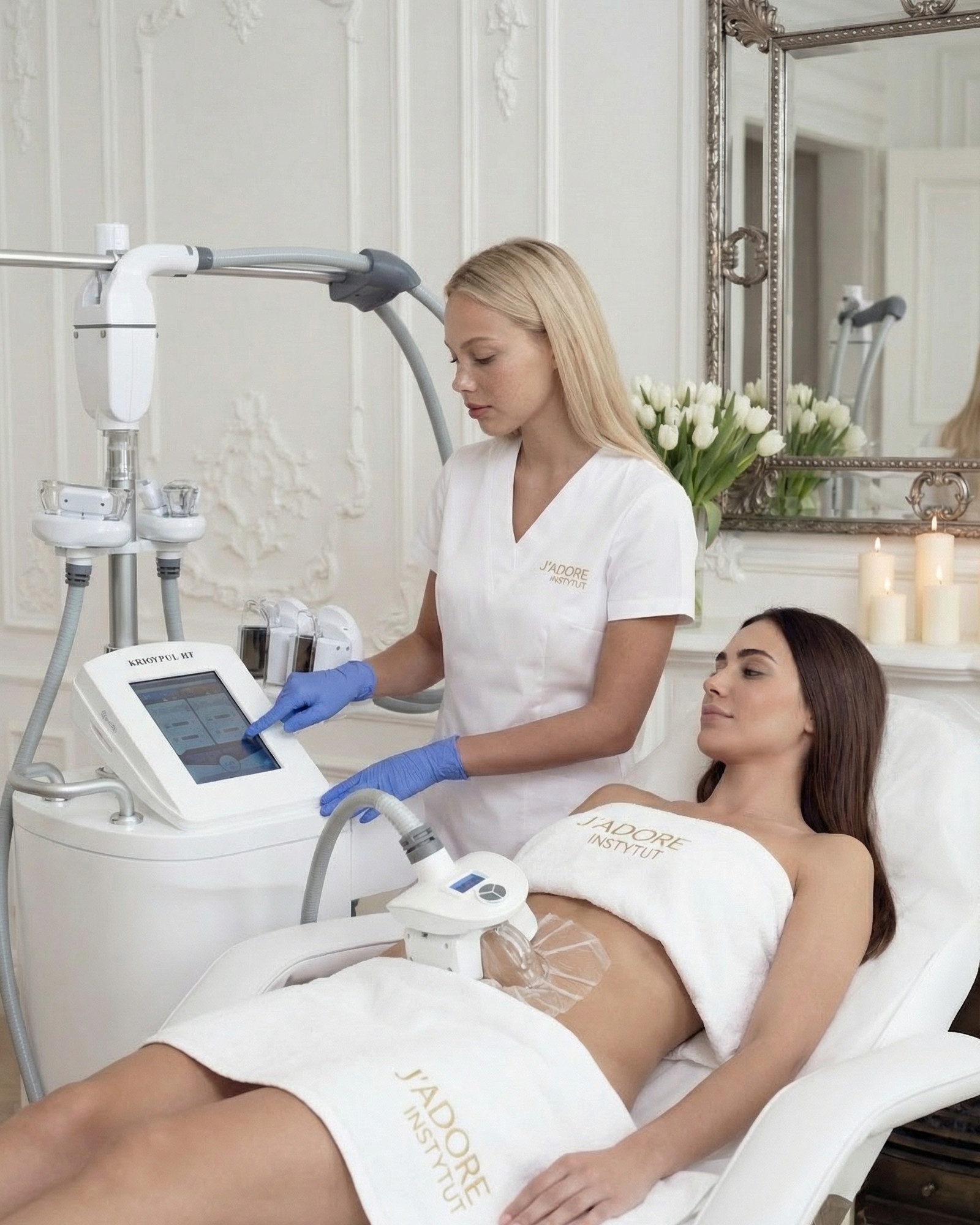
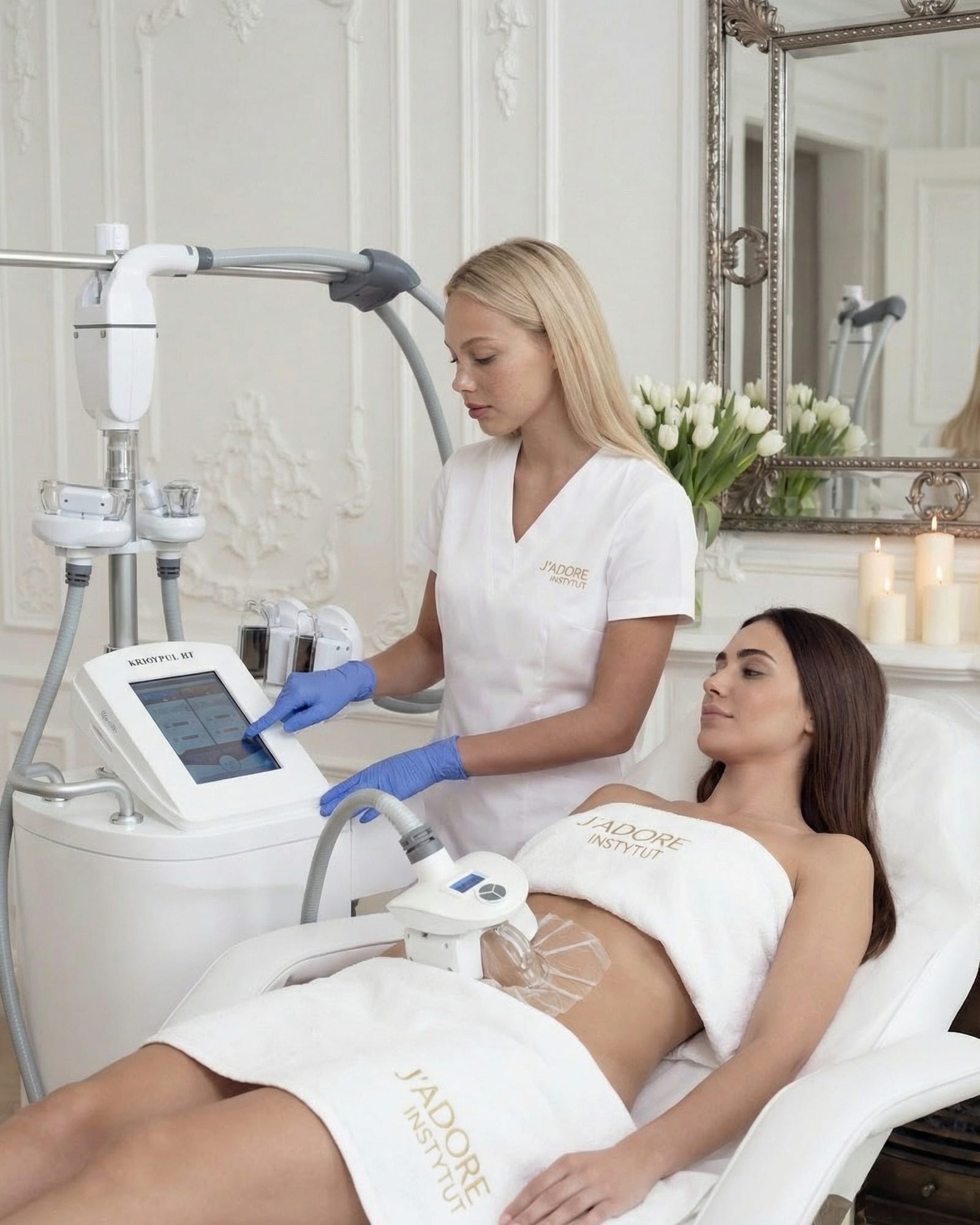
The treatment involves applying an applicator to the skin that suctions and holds the fat fold at a controlled low temperature. Fat cells — adipocytes — are far more sensitive to cold than the surrounding tissue. Cooling to the right temperature triggers apoptosis in these cells — a natural, programmed cell death. The surrounding nerves, blood vessels and skin remain unaffected.
What does it feel like?
The first few seconds after the applicator is placed bring a distinct suction sensation, as the head draws in the tissue fold. It can feel unexpected if you're not prepared for it, but most people get used to it quickly. Intense cold follows straight after, and for a few minutes it may sting or burn. This is a normal reaction — the skin and tissue responding to contact with low temperature.
After a few minutes, the area starts to go numb. For most people, this is the point where cold-induced numbness kicks in properly, making the rest of the treatment surprisingly comfortable. You can read, listen to music, or simply relax.
How intense it feels depends on the treated area. The abdomen and love handles are usually straightforward. The inner thighs can be more sensitive. The area under the chin is small, so the sensation is brief but intense.
Step 4. Immediately after the treatment
Once the applicator is removed, your specialist performs a short, intense massage of the treated area. For many people, this is the least pleasant part of the whole treatment — the frozen, numb tissue is stiff, and the massage works on it mechanically. It can feel sensitive, even painful. It's brief, though, and an important part of the protocol — studies suggest that manually breaking down the cells immediately after treatment may support the effectiveness of the whole process.
After the massage, you'll usually see clear redness, and sometimes mild swelling. Skin may be sensitive to touch for a few hours. Some people develop temporary bruising — particularly with more fragile blood vessels — which usually fades within a few days.
You can go about your day normally straight after the treatment. There's no downtime, no recovery period. Some people go straight back to work.
---
What NOT to do after the treatment:
- Intense physical activity that heats up the treated area — the tissue is more sensitive and swelling may increase.
- Hot saunas, sunbeds, and direct sun exposure on the treated area.
- Strong active creams or mechanical exfoliation on irritated skin — wait at least a few days.
- Alcohol on the day of the treatment — it can intensify vascular reactions.
---
Step 5. When results appear — and why it's not magic in a week
This is where many people get disappointed, expecting fast results. It's worth understanding what's really happening inside the tissue.
Cryolipolysis doesn't remove fat at the moment of treatment. It triggers apoptosis — fat cells damaged by the cold are gradually recognised by the immune system as marked for removal. Macrophages then slowly absorb them and clear them from the body naturally. This process takes weeks.
For many people, the first changes in body shape appear around four to six weeks after the treatment — tissue starts to look less "full", and the fold reduces in thickness. But the full result of a single session is usually assessed only after a few months — most commonly, two to four months is the timeframe for the final outcome.
For some people, results are very clear and visible to the naked eye. For others, they're more subtle. This depends on several factors: the amount of fat tissue in the area, individual physiology, metabolic rate, and lifestyle during this period. The treatment doesn't work "in reverse" if you gain weight — if you go back to the habits that caused fat to build up, you can rebuild deposits in the same area.
That's why we see the best results in people who treat cryolipolysis as part of a broader approach — combining the treatment with regular activity, hydration and sensible eating.
Step 6. When to consider repeating the treatment — and what to combine it with
One session often gives a measurable difference, but it doesn't always achieve the result you're after in a given area. For larger deposits, many people choose two or three sessions in the same spot, spacing follow-up visits a few weeks apart — giving the body time to clear the effects of the first session before adding another dose of stimulus.
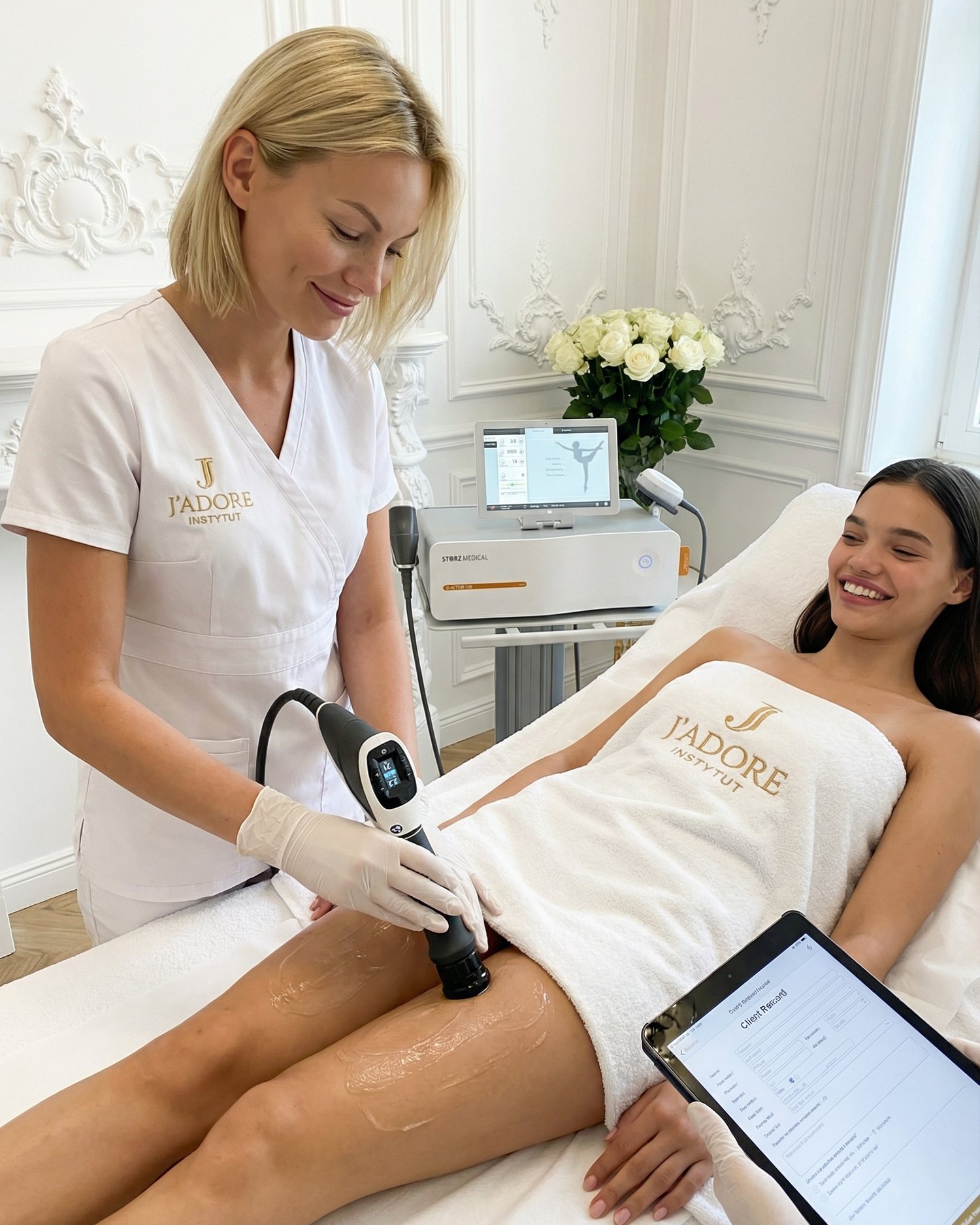
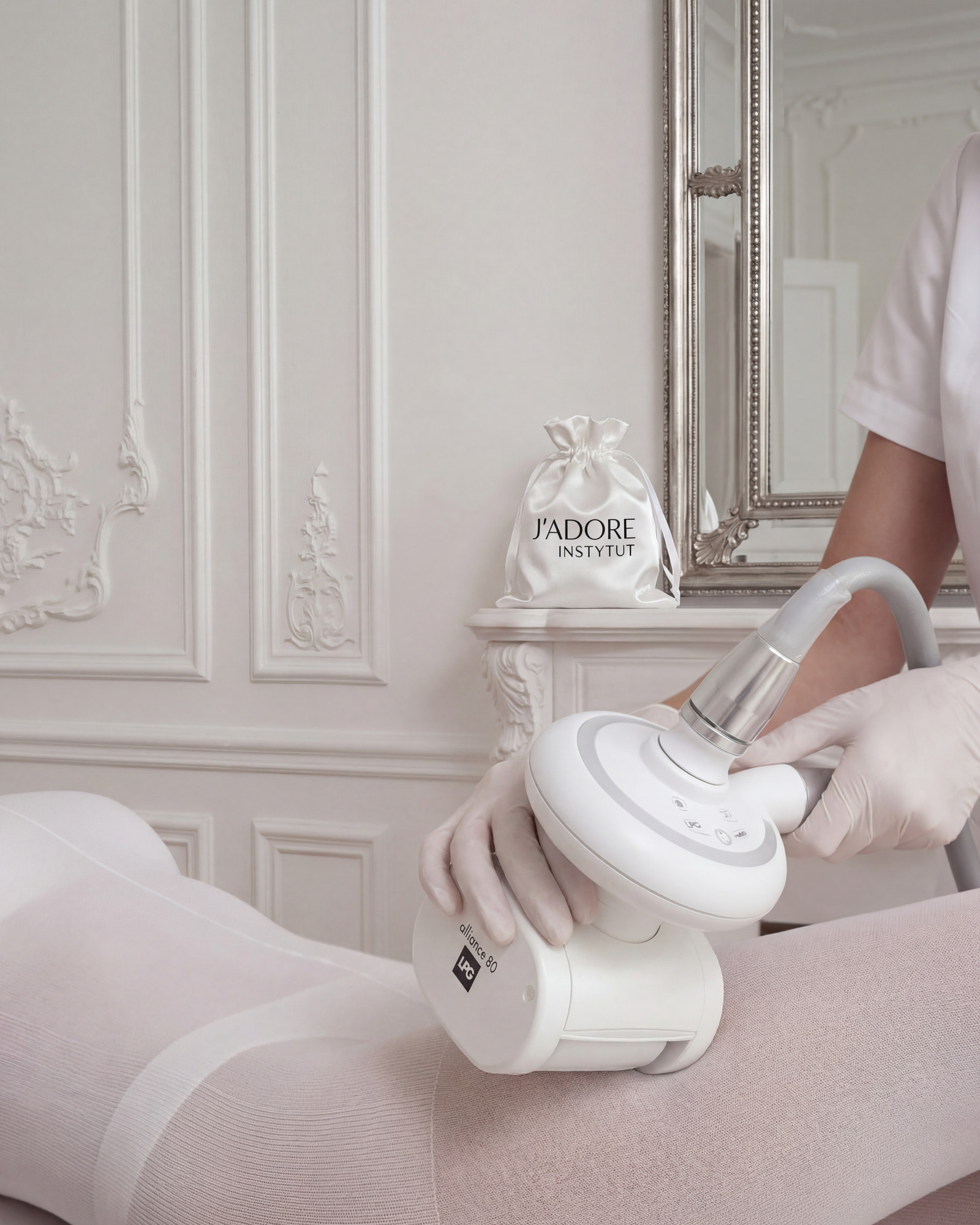
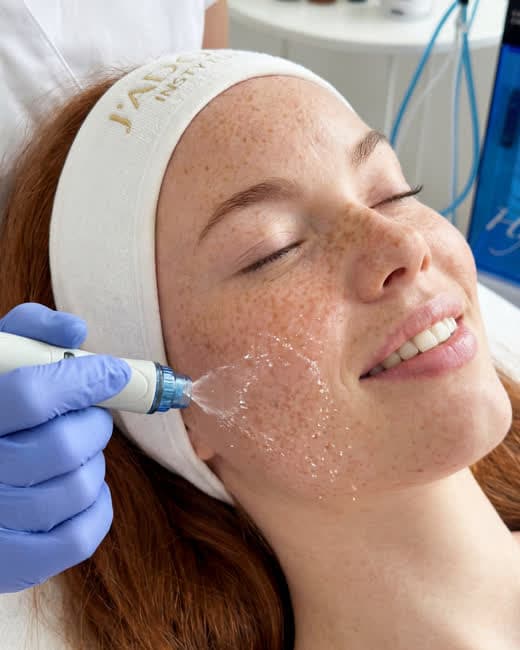
It's a good idea to combine cryolipolysis with treatments that support fat metabolism and tissue drainage. Shock wave therapy — Storz ESWT — works on connective tissue and may speed up the elimination of apoptotic cells, while also improving the appearance of cellulite. Endermologia LPG mechanically stimulates lymphatic circulation and can have a positive effect on skin firmness and elasticity after fat volume reduction. Body mesotherapy, in turn, can support nourishment and hydration of tissue that has undergone thermal stress after the treatment.
Your specialist will decide which combination makes sense for you after assessing your tissue and the goals you want to achieve.
Results depend on candidacy
Cryolipolysis is a well-documented method that delivers real, lasting results in reducing localised fat deposits — for the right candidates. The key word is: right. Not every body shape, area, or goal responds to this treatment the same way.
If you'd like to find out whether your tissue qualifies for the treatment, and what you can realistically expect, book a consultation at J'ADORE INSTYTUT. We assess honestly, and we don't promise results that a given problem simply won't respond to.